Find Laser Logo Electronic Whistle for Camping, Hiking, and Emergency Use
Browse Laser Logo Electronic Whistle options for outdoor and professional use. Buyers can compare models with features such as USB rechargeable batteries, IP54 waterproofing, compass and thermometer additions, custom logos, decibel ratings, materials, and MOQ requirements across listings on this page.
Key considerations
Products List


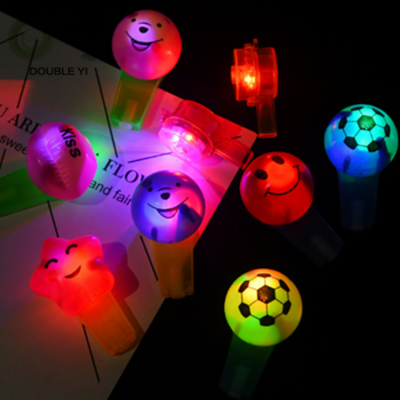
Plastic Whistle Professional LED Light up Big Whistle Sound Dog Whistle
$0.28 - $0.50
MOQ: 5000 Pieces

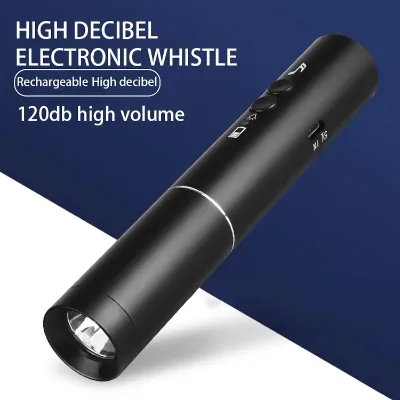
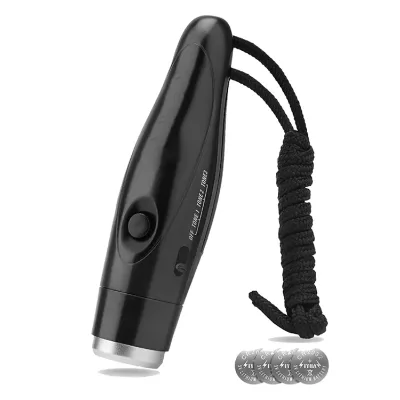
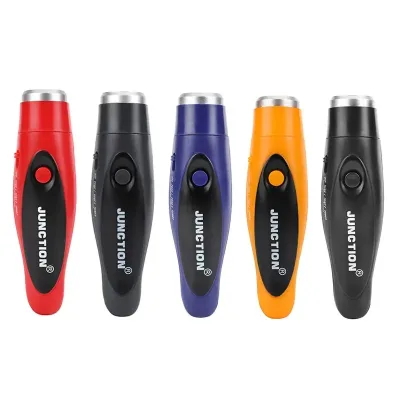
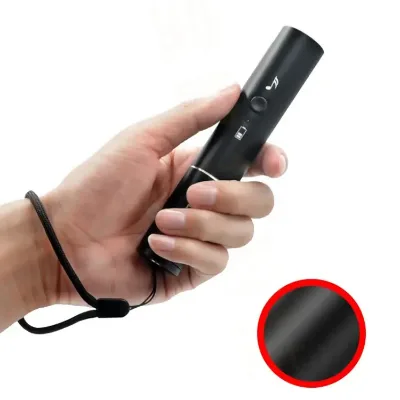

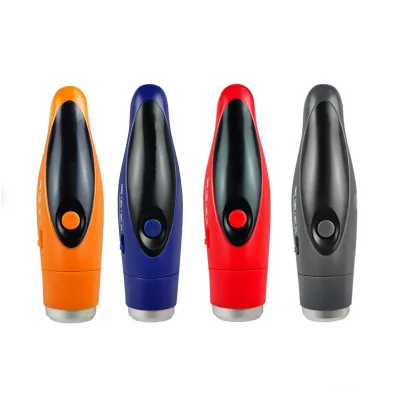


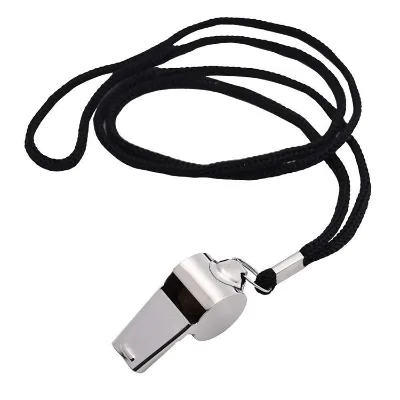
Wholesale Logo Printing Customized Promotional Plastic Colorful Whistles
$0.32 - $0.89
MOQ: 1000 Pieces






Comprehensive Sourcing Guide
Laser Logo Electronic Whistle Sourcing Guide
Sourcing laser logo electronic whistles requires a careful balance between traditional emergency signaling reliability and modern digital customization capabilities. These devices serve as critical safety tools for outdoor enthusiasts, professional rescue teams, and industrial workers who need audible alerts in high-noise or low-visibility environments. The integration of laser functionality adds a visual signaling dimension, making these units versatile for both day and night operations. Buyers must understand that while the core function remains sound emission, the addition of electronic components and laser modules introduces specific technical and compliance considerations that differ from standard acoustic whistles.
The procurement landscape for these items is characterized by a wide range of specifications, from basic plastic models to ruggedized aluminum alloy units designed for harsh conditions. Observed market data indicates a price range of $0.02 to $9.50 USD, reflecting significant variation in material quality, battery type, and feature sets. Minimum Order Quantities (MOQs) typically range from 10 to 5,000 units, allowing flexibility for both small-scale promotional orders and large-scale industrial procurement. Understanding these baseline metrics is essential for budgeting and negotiating favorable commercial terms with suppliers.
Product Scope and Observed Listing Signals
The product scope for laser logo electronic whistles encompasses a variety of designs tailored to specific use cases, including hiking, camping, boating, and emergency response. Listings frequently highlight multi-functional designs that integrate thermometers, compasses, and high-decibel sound emitters into a single compact device. Materials observed in the market include special steel, aluminum alloy, and durable plastic ABS, each offering distinct advantages in terms of weight, durability, and cost. Buyers should note that while some models are marketed as eco-friendly, the presence of electronic components and batteries necessitates careful consideration of end-of-life disposal and recycling protocols.
Observed listing signals reveal a strong emphasis on customization, with many suppliers offering logo engraving, color variations, and packaging options. The presence of certifications such as RoHS, ISO, FDA, FCC, DOT, CE, and CCS suggests that reputable manufacturers adhere to international standards for safety and environmental impact. However, buyers must verify that these certifications apply specifically to the model being purchased, as suppliers may list certifications for their broader product lines rather than individual SKUs. The inclusion of features like weatherproofing, impact resistance, and corrosion resistance indicates that these products are designed for rugged outdoor use, but performance claims should be validated through independent testing or supplier documentation.
Technical Specifications to Verify
When evaluating technical specifications, buyers should prioritize sound frequency and decibel output, as these factors directly impact the whistle’s effectiveness in emergency situations. Observed data indicates sound frequencies ranging from 100-119dB, with some models claiming up to 120dB. It is crucial to verify these claims through supplier-provided test reports or third-party certifications, as decibel ratings can vary significantly based on testing conditions and distance. Additionally, the type of battery used, whether USB rechargeable or button batteries like CR2032, affects the device’s longevity and convenience. Buyers should assess the battery life and replacement ease to ensure long-term usability.
Other critical technical aspects include the waterproof grade, with IP54 being a common specification observed in listings. This rating indicates protection against limited dust ingress and water splashes, which is suitable for most outdoor activities but may not be sufficient for submersion. Buyers should also consider the physical dimensions and weight of the device, as these factors influence portability and comfort during extended use. Models with sizes around 2.5x13.8cm and weights of 66g or 100g offer a balance between compactness and robustness. Furthermore, the inclusion of a laser module adds a visual signaling capability, but buyers should verify the laser’s class and safety features to ensure compliance with international laser safety standards.
Compliance and Safety Documentation
Compliance and safety documentation are paramount when sourcing electronic devices, particularly those intended for emergency use. Buyers must request and verify certificates of conformity for relevant standards, such as CE, RoHS, and FCC, which ensure that the product meets European, environmental, and electromagnetic compatibility requirements. The presence of certifications like ISO and FDA suggests adherence to quality management and safety standards, but buyers should confirm that these certifications are current and applicable to the specific product model. Additionally, DOT and CCS certifications may be relevant for products intended for specific industries or regions, so buyers should clarify the target market and corresponding regulatory requirements.
Safety documentation should also include detailed information on battery safety, laser classification, and material composition. Buyers should ensure that the product complies with international laser safety standards, such as IEC 60825, to prevent eye injury or other hazards. Furthermore, the use of eco-friendly materials and recyclable packaging should be verified through supplier declarations or third-party audits. Buyers should also consider the product’s end-of-life management, including battery disposal and material recycling, to align with corporate sustainability goals and regulatory requirements.
Cost Drivers and Commercial Terms
Cost drivers for laser logo electronic whistles include material selection, battery type, customization options, and order volume. Models made from aluminum alloy or special steel typically command higher prices due to their durability and premium feel, while plastic ABS models offer a more cost-effective solution. The inclusion of additional features, such as thermometers, compasses, or USB rechargeability, also increases the unit cost. Buyers should negotiate based on volume discounts, with MOQs ranging from 10 to 5,000 units, to achieve favorable pricing. Customization services, such as logo engraving or custom packaging, may incur additional fees, so buyers should clarify these costs upfront.
Commercial terms, including payment methods and delivery times, are also critical factors in the procurement process. Observed payment options include TT (Telegraphic Transfer) and Trade Assurance, which provide security for both buyers and suppliers. Delivery times vary, with some suppliers offering expedited shipping via DHL or FedEx within 3-5 days, while others may use sea freight for larger orders. Buyers should align their procurement timeline with the supplier’s lead times and shipping options to ensure timely delivery. Additionally, buyers should consider the total landed cost, including shipping, duties, and taxes, when evaluating the overall value proposition.
Supplier Qualification and Quality Control
Supplier qualification is a critical step in ensuring the reliability and quality of laser logo electronic whistles. Buyers should conduct thorough due diligence on potential suppliers, verifying their business licenses, manufacturing capabilities, and quality management systems. Suppliers with certifications such as ISO and RoHS demonstrate a commitment to quality and environmental responsibility, but buyers should also assess their production capacity and lead times to ensure they can meet demand. Additionally, buyers should request samples to evaluate the product’s build quality, functionality, and compliance with specifications before placing large orders.
Quality control measures should be established to monitor production consistency and product performance. Buyers should implement incoming quality inspections, in-process audits, and final random inspections to identify and rectify defects early in the production cycle. Suppliers should provide detailed quality control reports, including test results for sound output, battery life, and waterproofing. Buyers should also consider implementing a supplier scorecard system to track performance metrics such as on-time delivery, defect rates, and responsiveness to issues. Regular communication and feedback loops with suppliers can help maintain high standards and foster long-term partnerships.
Long-Term Procurement Checks
Long-term procurement checks involve continuous monitoring of supplier performance, market trends, and regulatory changes to ensure ongoing compliance and value. Buyers should regularly review supplier certifications and quality control reports to verify that standards are maintained over time. Additionally, buyers should stay informed about changes in international regulations, such as updates to laser safety standards or battery disposal requirements, to ensure that products remain compliant. Market trends, including advancements in battery technology or new materials, may also present opportunities for cost savings or performance improvements.
Buyers should also establish a feedback mechanism with end-users to gather insights on product performance and identify areas for improvement. This feedback can inform future procurement decisions, such as selecting suppliers with better quality control or negotiating for enhanced features. Regular audits of the supply chain, including visits to manufacturing facilities or third-party inspections, can help identify potential risks and ensure that suppliers adhere to agreed-upon standards. By maintaining a proactive approach to procurement, buyers can mitigate risks, optimize costs, and ensure the long-term success of their sourcing strategy.
FAQs
How is a custom laser logo applied to an electronic whistle?
The laser engraves or marks your logo directly onto the whistle housing during production. Many listed models support customized logos, typically on aluminum alloy or ABS plastic bodies. Provide artwork in vector format before sampling, confirm logo size and placement against the housing dimensions, and allow a longer lead time for first orders with custom branding.
What materials are commonly used for laser logo electronic whistles?
Listed products use aluminum alloy, ABS plastic, or special steel bodies, each offering different weight and durability profiles. Aluminum alloy models around 66g suit hiking and emergency use, while ABS plastic keeps costs lower for volume orders. Hardness and finish vary by model, so request material specifications from each supplier before committing to bulk quantities.
Can electronic whistles reach the sound levels needed for outdoor emergency use?
Yes, listed models produce sound in the 100-119dB range, with some specified at 120dB. This is loud enough for hiking, boating, camping, and professional equipment applications. Confirm the exact decibel rating and sound frequency for the specific model, since output varies between designs and battery configurations.
Which power options do laser logo electronic whistles typically offer?
Available models use either USB rechargeable batteries or replaceable CR2032 button batteries, sometimes four per unit. USB rechargeable designs suit frequent daily use and reduce ongoing battery costs, while button-cell models are simpler for emergency kits stored long term. Check the battery specification per model and clarify spare battery availability with your supplier.
What is the typical MOQ when ordering customized electronic whistles?
Observed MOQs range from 10 to 5000 units depending on the supplier and level of customization. One listed configuration specifies a 3000-unit MOQ. Custom laser logo orders generally sit toward the higher end, while stock black models may allow small trial quantities. Negotiate MOQ directly with suppliers before sampling.
How are electronic whistles packed and shipped from China?
Listed products ship via DHL or FedEx, with some configurations packed by sea in cardboard cartons. Single-item packaging uses neutral or cardboard packing, and customized logo packaging is available on request. Delivery for stocked items can be within 3-5 days, while sea freight suits large volume orders where transit time matters less than cost.
Which certifications should I verify before importing electronic whistles?
Relevant listings reference RoHS, ISO, FDA, FCC, DOT, CE, and CCS certification claims. For electronics, CE and RoHS are the most commonly required for European destinations, and FCC matters for the United States. Always request current certificate copies from the supplier and verify scope covers the exact model number you are ordering.
Can electronic whistles withstand wet and harsh outdoor conditions?
Listed models offer weatherproofing, impact resistance, and corrosion resistance, with a waterproof grade of IP54 specified on some units. IP54 protects against splashing water and dust, which covers hiking, camping, and boating use but not full submersion. Confirm the waterproof grade for your chosen model and request sample testing in your intended conditions.