Source Eco Friendly Tennis Ball for Training, Play, and Outdoor Use
Compare 30 Eco Friendly Tennis Ball options from verified Chinese manufacturers. Buyers can evaluate rubber materials, rebound heights, and customization MOQs for large dog breeds and adult training needs; compare the available evidence and request quotations based on your requirements.
Key considerations
Products List




Comprehensive Sourcing Guide
Eco Friendly Tennis Ball Sourcing Guide
Sourcing eco-friendly tennis balls requires a nuanced understanding of material composition and intended use, particularly for large dog breeds and adult training scenarios. The market offers products ranging from standard rubber constructions to specialized blends featuring coarse cotton cloth surfaces and polyester felt. Buyers must distinguish between balls designed for high-rebound performance in human sports and those engineered for durability and safety in pet play. The observed listings indicate a strong focus on bite-resistant features, non-toxic materials, and eco-friendly certifications, which are critical for brands targeting environmentally conscious consumers. Understanding these distinctions ensures that procurement aligns with specific operational needs, whether for retail distribution or specialized training programs.
Commercial availability varies significantly, with observed minimum order quantities (MOQs) ranging from ten units for sampling to ten thousand bags for full customization. This wide range allows buyers to scale operations flexibly, starting with small test batches before committing to large-scale production. Many suppliers offer OEM services and logo printing, enabling brands to create unique product identities. The presence of multiple product models, such as P-2, P-20, and P-21, suggests a diverse catalog catering to different size and performance requirements. Buyers should evaluate these options against their target market’s preferences for weight, diameter, and rebound height to ensure product-market fit.
Product Scope and Observed Listing Signals
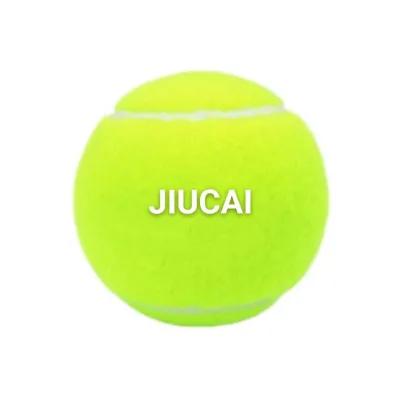
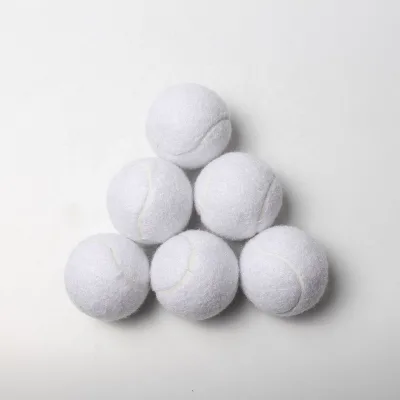
The current market landscape for eco-friendly tennis balls includes a variety of constructions, from simple rubber cores to complex multi-layer designs. Observed listings highlight products with rubber inner linings combined with soft chemical fiber wool exteriors, emphasizing comfort and durability. Other variants feature coarse cotton cloth surfaces paired with rubber and polyester felt, offering enhanced grip and wear resistance. These material choices directly impact the ball’s performance, particularly in terms of bite resistance and longevity when used by large dogs like Labradors and Golden Retrievers. Buyers should carefully review material specifications to ensure they meet the durability expectations of their end-users.
Packaging and portability are also key differentiators in this category. Some products are sold in standard export cartons containing one hundred pieces, while others come in individual pet cans or bags of three. The observed data indicates that many balls are inflatable and deflatable, making them easy to store and transport. This feature is particularly valuable for retailers with limited storage space or for customers who prefer compact pet toys. Additionally, the availability of color options and customized branding allows buyers to tailor their offerings to specific aesthetic preferences. Understanding these packaging and design variations helps in selecting products that align with logistical capabilities and brand identity.
Technical Specifications to Verify
Verifying technical specifications is crucial for ensuring product consistency and performance. Key attributes to confirm include the ball’s diameter, weight, and rebound height. For instance, some listings specify a diameter of 65mm and a weight of 56g plus or minus 2g, with a rebound range of 80-100cm. Other variants may have different specifications, such as a rebound height of 138-147cm, indicating higher energy retention. Buyers must ensure that these specifications match their quality standards and the intended use case, whether for casual play or rigorous training. Inconsistent specifications can lead to customer dissatisfaction and returns, so precise verification is essential.
Material composition and construction details are equally important. The presence of a rubber inner lining and a soft chemical fiber wool outer layer suggests a focus on comfort and safety. However, buyers should verify the exact percentage of materials, such as the 57% wool content mentioned in some listings, to ensure authenticity. Additionally, the electric nature of the product is noted as non-electric, which is standard for this category but worth confirming. Understanding the structural integrity and material blend helps in predicting the ball’s lifespan and performance under various conditions. This due diligence prevents mismatches between supplier claims and actual product performance.
Compliance and Safety Documentation
Safety and compliance are paramount when sourcing pet toys, especially those marketed as eco-friendly and non-toxic. Buyers must request documentation verifying that products meet relevant safety standards, such as ASTM and CE certifications. These certifications ensure that the materials used are free from harmful chemicals and safe for pets to chew and play with. The observed listings mention pet-safe, non-toxic features, but buyers should not rely solely on marketing claims. Instead, they should ask for third-party test reports or certificates of compliance to validate these assertions. This step is critical for mitigating liability risks and ensuring consumer trust.
Environmental claims also require substantiation. The term "eco-friendly" can be vague, so buyers should inquire about the specific environmental benefits of the materials used. For example, are the rubber and wool components sourced from sustainable practices? Is the packaging recyclable or biodegradable? Requesting detailed information on the supply chain and material sourcing helps in verifying these claims. Additionally, buyers should check for any specific environmental certifications or standards that the supplier adheres to. This thorough approach ensures that the product aligns with the brand’s sustainability goals and regulatory requirements in target markets.
Cost Drivers and Commercial Terms
Cost structures in the eco-friendly tennis ball market are influenced by material quality, customization options, and order volume. The observed price range of 0.22 to 10 USD per unit reflects significant variation based on these factors. Higher-quality materials, such as premium rubber and wool blends, typically command higher prices. Customization, including logo printing and unique packaging, also adds to the cost. Buyers should negotiate terms that balance quality with affordability, considering the total cost of ownership rather than just the unit price. Understanding these cost drivers helps in budgeting and forecasting profit margins accurately.
Commercial terms, including MOQs and lead times, vary among suppliers. The observed MOQs range from ten units for samples to ten thousand bags for customization, offering flexibility for different business sizes. Lead times for samples are typically three to five days, while production lead times depend on order volume and complexity. Buyers should clarify these terms early in the negotiation process to avoid delays and ensure timely delivery. Additionally, payment terms and shipping arrangements should be discussed to manage cash flow and logistics effectively. Clear commercial terms facilitate smoother transactions and stronger supplier relationships.
Supplier Qualification and Quality Control
Qualifying suppliers is a critical step in ensuring product reliability and consistency. Buyers should assess suppliers based on their manufacturing capabilities, quality control processes, and track record. The observed listings indicate that many suppliers are located in China, particularly in Anhui province, which is known for its manufacturing expertise. Buyers should verify the supplier’s factory conditions, production capacity, and quality assurance protocols. Requesting references or case studies from previous clients can provide insights into the supplier’s reliability and performance. This due diligence helps in selecting partners who can meet quality and delivery expectations.
Quality control measures should be clearly defined and enforced. Buyers should establish specific quality standards and inspection criteria for incoming goods. This may include visual inspections, material testing, and performance checks. Implementing a robust quality control process helps in identifying and addressing defects early, reducing the risk of customer complaints and returns. Buyers should also consider hiring third-party inspection services for larger orders to ensure unbiased quality assessment. Regular communication with suppliers regarding quality issues and improvements fosters a collaborative relationship and continuous enhancement of product standards.
Long-Term Procurement Checks
Long-term procurement success depends on continuous monitoring and evaluation of supplier performance. Buyers should establish key performance indicators (KPIs) to track metrics such as on-time delivery, product quality, and responsiveness to issues. Regular audits and reviews help in identifying areas for improvement and ensuring that suppliers adhere to agreed-upon standards. Building a strong relationship with suppliers through open communication and mutual respect can lead to better pricing, priority service, and collaborative innovation. This long-term perspective helps in securing a stable supply chain and maintaining competitive advantage in the market.
Adapting to market changes and evolving customer preferences is essential for sustained success. Buyers should stay informed about trends in eco-friendly materials, safety regulations, and consumer demands. Regularly updating product specifications and sourcing strategies ensures that offerings remain relevant and competitive. Engaging with customers to gather feedback on product performance and satisfaction provides valuable insights for future procurement decisions. By maintaining a proactive and adaptive approach, buyers can navigate market dynamics effectively and achieve long-term procurement goals. This strategic focus ensures resilience and growth in the competitive eco-friendly tennis ball market.
FAQs
What materials are used in these eco friendly tennis balls?
The balls feature a rubber inner lining combined with a soft chemical fiber wool outer surface. This construction ensures the product is non-toxic and safe for pets. The materials are selected to provide durability and eco-friendly characteristics while maintaining the necessary bounce and texture for effective training sessions with large dog breeds.
Can I customize the logo on these tennis balls?
Yes, logo printing is available for these tennis balls. The supplier accepts OEM requests and offers customization services for buyers. However, there is a specific minimum order quantity required for customization, which is set at 10,000 bags. This allows businesses to brand the products effectively for their specific market needs.
What is the minimum order quantity for standard orders?
The standard minimum order quantity is 10 units. This low entry point allows buyers to test the product quality before committing to larger volumes. For customized orders with logo printing, the MOQ increases significantly to 10,000 bags. This structure supports both small-scale trials and large-scale branded procurement efficiently.
How high do these tennis balls bounce?
The rebound height ranges from 80 to 100 centimeters for standard models. Some specific variants may exhibit a higher rebound between 138 and 147 centimeters. This consistent bounce performance ensures reliable play for training purposes. The rubber core contributes to this elasticity, making them suitable for active dogs and outdoor activities.
Where are these tennis balls manufactured?
These products are manufactured in Anhui, China, with specific origins noted in Tianchang. The factory is located in this region, which is known for its production capabilities. Buyers can expect products to be shipped from this location. The manufacturing process adheres to pet-safe standards, ensuring quality control throughout the production cycle in this area.
Are these tennis balls safe for large dogs?
Yes, they are explicitly designed for large dog breeds such as Labradors and Golden Retrievers. The product is certified as pet-safe, non-toxic, and bite-resistant. It meets ASTM and CE safety standards. The durable rubber and wool construction ensures it can withstand vigorous play while remaining safe for pets during outdoor training and recreational activities.