Source LCD Display Brain Stimulator for Parkinson and Sleep
Find 30 LCD Display Brain Stimulator models featuring transcranial magnetic stimulation and electrotherapeutics. Compare specifications like output modes, vibration intensity, and LCD interfaces to select suitable devices for brain physiotherapy and circulation improvement; compare the available evidence and request quotations based on your requirements.
Key considerations
Products List


Rtms Transcranial Magnetic Stimulator Medical Device for Brain Rehabilitation Therapy
$350.00 - $6900.00
MOQ: 1 perches


Psychiatric Machinery Stimulation Brain Rtms Transcranial Magnetic Stimulator
$429.00 - $500.00
MOQ: 1 Pieces


Portable Rtms Therapy Device Brain Rtms Transcranial Magnetic Stimulator
$1000.00 - $1300.00
MOQ: 1 Pieces


Portable Rtms Therapy Device Brain Rtms Transcranial Magnetic Stimulator
$1000.00 - $1300.00
MOQ: 1 Pieces
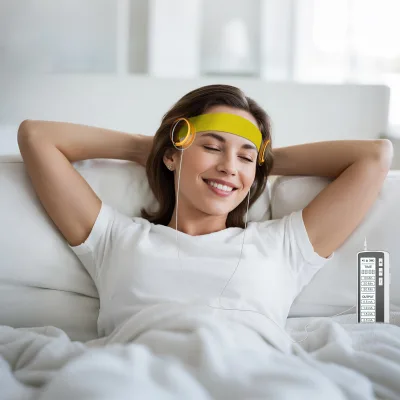

Transcranial Magnetic Stimulation Brain Neuro Rehabilitation Equipment
$515.00 - $1980.00
MOQ: 1 Pieces


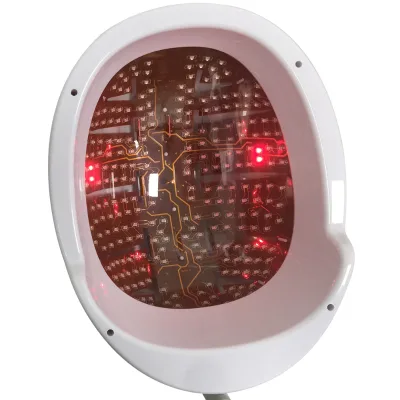


Comprehensive Sourcing Guide
LCD Display Brain Stimulator Sourcing Guide
Procurement teams must first distinguish between devices utilizing laser theory and those relying on electrotherapeutics, as the supplied data indicates a divergence in core operating principles for similar product listings. Buyers should verify whether the specific unit under consideration employs laser technology or electrotherapeutic methods, as this fundamental difference dictates the applicable safety protocols and clinical application scope. The presence of an LCD display is a consistent feature across the observed inventory, serving as a critical interface for managing complex treatment parameters and ensuring operator control during transcranial magnetic stimulation procedures.
When evaluating the functional capabilities, it is essential to confirm the specific output modes available, such as standard, continuous, pulse, or night modes, which directly influence the versatility of the device for different therapeutic scenarios. The observed listings suggest a range of treatment prescriptions, with some units offering eleven distinct types while others provide ten, requiring buyers to match the device's output capacity to their specific clinical or research requirements. This verification ensures that the selected equipment can deliver the precise frequency and intensity profiles necessary for effective brain physiotherapy applications.
Product Scope and Observed Listing Signals
The market for these devices reveals a significant variation in model specifications, ranging from the HYLT510D to the UM-H520B and UM-HB510D, each presenting unique physical and operational characteristics. Buyers must carefully examine the single package dimensions, which can reach up to 90x40x35cm, and the associated gross weight of approximately 2.000 Kg to determine logistical requirements for shipping and facility placement. The packaging is frequently described as wooden or a wooden case, indicating a need for robust handling procedures to protect the internal electronics during transit from the manufacturing origin in Guangdong, China.
Price observations span a wide spectrum from 0.1 to 6900 USD, reflecting the diverse range of features, from basic vibration massage capabilities to advanced transcranial magnetic stimulation functions. This variance necessitates a rigorous review of the selling units and customization availability, as the lowest price points may correspond to single-item configurations with limited treatment options, whereas higher values likely encompass comprehensive systems with multiple magnetic therapy devices. Procurement strategies must account for these disparities by defining the exact feature set required before engaging with suppliers to avoid budget overruns or under-specification of critical components.
Technical Specifications to Verify
A primary technical verification point is the frequency spectrum, where observed data lists specific values such as 23.81Hz, 15.87Hz, and 11.90Hz for the main pole, alongside auxiliary poles operating at 4000Hz ± 10%. Buyers must confirm that the device's adjustable vibration massage frequency aligns with therapeutic needs, as the observed range includes 0Hz, 2Hz, 5Hz, and 10Hz, which are critical for patient comfort and treatment efficacy. Additionally, the magnetic field intensity is noted to have two levels, and the frequency of the magnetic field is specified as 50Hz ±2%, requiring precise calibration checks to ensure consistent performance during operation.
The power supply requirements and voltage specifications are equally critical, with observed units demanding AC220V ±10% at 50Hz, which may necessitate voltage converters for international deployments. The timing accuracy is typically set between 0 and 99 minutes in continuous mode, and the treatment intensity display allows for settings from 0 to 80, providing granular control over the therapy session. Buyers should also verify the light source, which is identified as LED with a wavelength of 650nm, and ensure that the LCD display supports one-key shuttle operation for streamlined user interaction and reduced training time for clinical staff.
Compliance and Safety Documentation
Regulatory compliance is a non-negotiable aspect of sourcing, with ISO certification appearing as a key attribute in the observed product data, though specific certification types like ISOCE require explicit confirmation from the supplier. Procurement teams must demand valid documentation proving that the device meets international safety standards, particularly given the application of transcranial magnetic stimulation which involves direct interaction with sensitive neurological functions. The absence of specific certification details in general listings means buyers cannot assume compliance and must request third-party test reports to validate the safety claims before finalizing any purchase agreement.
Safety documentation must also address the electrical specifications, ensuring that the power supply requirements and voltage ratings match the local grid infrastructure to prevent equipment failure or safety hazards. The observed power supply requirement of AC220V ±10% at 50Hz indicates a need for stable power sources, and buyers should verify that the device includes appropriate surge protection and grounding mechanisms. Furthermore, the presence of an online technical support feature suggests a reliance on remote assistance, which should be complemented by on-site safety training materials to ensure that operators can safely manage the device's various output modes and intensity settings.
Cost Drivers and Commercial Terms
The total cost of ownership is heavily influenced by the customization availability and the specific model selected, as units with advanced features like multiple magnetic therapy devices or specialized output prescriptions command higher price points. Buyers should analyze the MOQ range, which spans from 1 to 2 units, indicating flexibility for small-scale procurement but potentially higher per-unit costs compared to bulk orders. The wooden packaging and single gross weight of 2.000 Kg also contribute to shipping costs, which must be factored into the overall budget, especially when importing from China to regions with different logistics infrastructure.
Commercial terms must clearly define the after-sale service provisions, as the observed listings highlight online technical support as a standard offering. Procurement contracts should specify the duration and scope of this support, including whether it covers software updates, hardware repairs, or operator training, to ensure long-term operational continuity. Additionally, the selling unit configuration, whether single item or part of a larger system, affects the pricing structure, and buyers should negotiate terms that align with their expected usage volume and maintenance requirements to optimize the financial investment.
Supplier Qualification and Quality Control
Supplier qualification requires a thorough vetting of the manufacturing origin, with all observed products originating from China, specifically Guangdong, which is a known hub for medical device production. Buyers should verify the supplier's production capacity and quality control processes to ensure consistency across the 30 observed product listings, as variations in model numbers and specifications suggest a diverse product line that may require different quality assurance protocols. The presence of standard packing and specific model numbers like UM-H520B indicates a structured manufacturing process, but buyers must confirm that these standards are strictly adhered to for every unit delivered.
Quality control measures must include rigorous testing of the device's fundamental frequencies and output modes to ensure they match the advertised specifications of 23.81Hz, 15.87Hz, and other observed values. Buyers should request sample units for independent testing to validate the magnetic field intensity, timing accuracy, and vibration massage frequencies before committing to larger orders. The material composition, identified as plastic, also requires verification to ensure durability and safety, particularly given the device's application in brain physiotherapy where reliability is paramount for patient safety and treatment efficacy.
Long-Term Procurement Checks
Sustained procurement success depends on establishing a robust framework for monitoring device performance over time, including regular checks of the LCD display functionality and the accuracy of the treatment intensity settings. Buyers should implement a schedule for recalibrating the device to maintain the precision of the basic frequencies and magnetic field intensity, ensuring that the 0-99 minute timing accuracy remains consistent throughout the device's operational lifespan. This proactive approach helps mitigate the risk of performance drift, which could compromise the effectiveness of the transcranial magnetic stimulation treatments.
Long-term checks must also include an evaluation of the after-sale service responsiveness, as the reliance on online technical support necessitates a reliable communication channel for troubleshooting and maintenance. Buyers should assess the supplier's ability to provide timely updates and replacements for any components that may wear out, such as the LED light source or vibration mechanisms. By maintaining a clear record of device usage and performance metrics, procurement teams can make data-driven decisions regarding future upgrades or replacements, ensuring that the investment in the LCD Display Brain Stimulator continues to deliver value over time.
FAQs
How is the LCD Display Brain Stimulator operated during treatment sessions?
Operation is handled through an LCD display combined with a one-key shuttle control, which lets users navigate settings quickly. Models such as the HYLT510D provide multiple output modes, including standard or normal mode, continuous mode, pulse mode, and night mode, along with 10 or 11 types of treatment prescriptions. Timing accuracy covers 0 to 99 minutes, so sessions can be set precisely for adult use.
What output modes and treatment prescriptions does the transcranial magnetic stimulator offer?
The listed transcranial magnetic stimulator supports normal, continuous, pulse, and night output modes. Treatment prescriptions include 10 kinds on some models and 11 types on others, giving flexibility across brain physiotherapy applications. Frequency spectrum range is 0 to 4.6kHz, magnetic field intensity has 2 levels, and treatment intensity can be displayed and set within a 0 to 80 range on supported units.
Can the LCD Display Brain Stimulator be customized for different buyer requirements?
Yes, customization is listed as available for these products. Buyers can discuss requirements with suppliers before ordering, since MOQ ranges from 1 to 2 units, which supports trial or small-batch procurement. Specifications such as model HYLT510D, UM-H520B, or UM-HB510D, packaging options including wooden case packing, and after-sale online technical support should all be confirmed in writing during negotiations.
What vibration massage and magnetic therapy features are included in these devices?
These stimulators include a magnetic therapy generator containing 7 magnetic therapy devices, and magnetic field frequency is 50Hz with plus or minus 2% tolerance. Four-level vibration massage intensity is offered at 0V, 10V, 16V, and 27V, with adjustable vibration massage frequencies of 0Hz, 2Hz, 5Hz, and 10Hz. These features support circulation improvement alongside transcranial magnetic stimulation therapy.
Which power supply requirements apply when installing this brain stimulator?
The device operates on AC220V with 10% tolerance at 50Hz, so buyers should confirm local grid compatibility before installation. Voltage is specified at 220V and frequency at 50Hz. Since units originate from Guangdong, China, and are sold as single items with wooden case packing, buyers should also verify plug type, transformer needs, and shipping dimensions of 90 by 40 by 35 centimeters.
How should buyers evaluate packaging and shipping for a single stimulator unit?
Products are packed in wooden cases or wooden packaging, with a single gross weight of about 2 kilograms for compact units and a single package size of 90 by 40 by 35 centimeters. Larger console-style models will weigh more, so confirm exact weights per model such as UM-HB510D. Wooden packing protects sensitive electronics during freight, and selling units are listed as single items.
What certifications and after-sale support come with these stimulator products?
Listed certification information includes ISO and ISO with CE markings, so buyers should request current certificate copies matching the specific model ordered. After-sale service is provided as online technical support, which covers remote setup and troubleshooting assistance. Origin is Guangdong, China, and buyers should confirm warranty terms, spare parts availability, and support response times directly with suppliers before placing an order.
Can low-level laser and LED light therapy be part of these brain stimulator devices?
Yes, some listed models operate on a laser theory with a 650nm wavelength and use LED as the light source, aimed at improving blood circulation. Other models are based on electrotherapeutics with transcranial magnetic stimulation as the core feature. Buyers should match the therapy principle, laser wavelength, and light source specifications to their intended clinical or physiotherapy application before ordering.