Source LDPE Resin Granules for Film, Pipe, and Molding
Explore 30 listings for LDPE Resin Granules suitable for film, pipe, and molding applications. Buyers can compare grades, certifications, and prices from verified manufacturers offering virgin and recycled options.
Key considerations
Products List




Comprehensive Sourcing Guide
Strategic Sourcing Guide for LDPE Resin Granules
Understanding Material Grades and Physical Forms
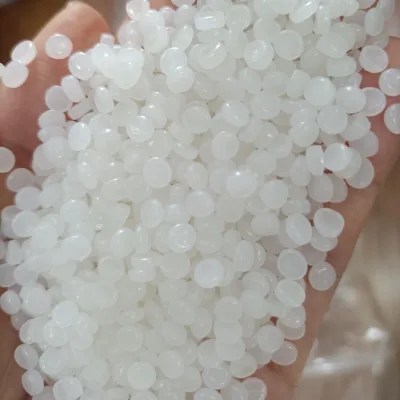
When sourcing Low Density Polyethylene (LDPE) resin granules, the primary objective is to align the material's physical properties with the intended manufacturing process. Based on available market data, LDPE is frequently categorized by its processing grade, with "Extrusion" and "Film Grade" being the most prevalent classifications for general and engineering applications. The physical appearance of the raw material is a critical first indicator of quality and consistency. Buyers should expect the product to arrive in the form of granules, pellets, or chips, which are designed for uniform feeding into extrusion molding or cast molding equipment.
The material composition varies significantly between suppliers, ranging from virgin resin to recycled content, and in some cases, modified blends. The "Grade" attribute often specifies whether the resin is intended for injection, extrusion, blowing, or bottle production. For LDPE specifically, the extrusion grade is dominant, particularly for applications requiring flexibility and toughness. A key technical variable is the filler content. While some suppliers offer standard virgin LDPE, others provide modified versions where fillers such as glass fiber (GF), carbon fiber (CF), or UV stabilizers are added as required. The glass fiber content, when present, typically ranges between 10% and 50%, significantly altering the mechanical strength and thermal resistance of the final product. Buyers must verify the specific "Material Attribute" to ensure it matches their production needs, such as "Unantiblock Food Contact" for packaging applications or specific film grades for agricultural use.
Technical Specifications and Performance Characteristics
The technical performance of LDPE granules is defined by a set of standardized properties that dictate their suitability for specific end-use scenarios. The material is inherently a thermoplastic, meaning it softens upon heating and hardens upon cooling, a characteristic essential for extrusion and molding processes. High-impact properties are often highlighted as a standard feature, ensuring the material can withstand mechanical stress during processing and in the final application.
One of the most critical technical considerations is the carrier system. While pure LDPE is common, some formulations utilize carriers such as glass fiber or flame-retardant additives to enhance specific performance metrics. The "Carrier" attribute in the market often lists options like Glass Fiber, Flame Retardant, or Conductive materials, indicating that the base resin may be compounded with these additives. For applications requiring safety compliance, flame-retardant properties are essential. Conversely, for general plastic applications, the focus remains on the material's inherent flexibility and chemical resistance.
The "Plastic Forming Method" is another vital specification. The data indicates that Extrusion is the primary method for processing these granules, though some suppliers also support Cast Molding. The final product's appearance, whether granules or pellets, must be consistent to prevent clogging in machinery. Additionally, the "Appearance" attribute often notes a white color, though this can vary based on the specific grade and additive package. Buyers should verify if the material is suitable for food contact applications, as some listings explicitly mention "Food Contact" attributes, which implies adherence to specific hygiene and safety standards during the manufacturing of the resin itself.
Compliance, Certification, and Quality Assurance
Navigating the compliance landscape for LDPE resin requires a rigorous verification of certifications and quality assurance protocols. The market data highlights several key certifications that reputable suppliers should possess. ISO 9001:2015 is a frequently cited standard, indicating a robust quality management system. Beyond general quality management, specific industry certifications such as ISO, GRS (Global Recycled Standard), and SGS are common indicators of compliance and traceability. For buyers in regulated industries, the presence of a Certificate of Analysis (COA) and Material Safety Data Sheet (MSDS) is non-negotiable. These documents provide the chemical composition, safety handling instructions, and physical property data necessary for regulatory compliance.
Quality inspection is a standard procedure in the supply chain. The "Quality Inspection" attribute confirms that suppliers perform checks before shipment, but buyers should not rely solely on the supplier's internal process. Independent verification through third-party agencies like SGS is often recommended to validate the claims of "Highest Quality" or "High Impact Good Quality." The "Quality" attribute itself often distinguishes between "Virgin" and "Recycled" materials. While recycled content is increasingly popular for sustainability goals, the mechanical properties of recycled LDPE can differ from virgin resin. Buyers must explicitly define their requirement for virgin versus recycled content to avoid performance discrepancies.
Furthermore, the "Customization" attribute suggests that suppliers can tailor the material to specific needs. This includes adjusting filler content, modifying the grade for specific applications, or customizing the packaging. However, customization introduces complexity into the quality control process. Every custom batch should undergo the same rigorous testing as standard grades. The "Quality Inspection" process should include checks for moisture content, melt flow index, and tensile strength to ensure the material meets the specified technical parameters.
Cost Drivers and Procurement Parameters
The cost of LDPE Resin Granules is influenced by a complex interplay of material grade, customization, and logistical factors. The observed price range in the market is broad, spanning from $0.56 to $1099 per unit, reflecting the vast difference between basic commodity grades and highly specialized, modified resins. This variance underscores the importance of defining the exact specification before requesting a quote. A standard virgin LDPE film grade will have a significantly different price point compared to a modified resin with high glass fiber content or flame-retardant additives.
Minimum Order Quantity (MOQ) is another critical cost driver. The market data shows an MOQ range from 1 kilogram to 2000 kilograms, with a common baseline of 1 ton (1000 kg) for standard industrial orders. However, some suppliers offer lower entry points, such as 5 kg or 25 kg, which is beneficial for sample testing or small-batch production. The "Sample" attribute confirms that small quantities, often 5 kg, are available for free or at a nominal cost, allowing buyers to validate the material before committing to a large order.
Logistics and packaging also impact the final landed cost. The standard packaging is typically 25 kg per bag, often with waterproofing and palletization for larger shipments. The "Standard" attribute mentions dimensions like 65cm40cm20cm, which helps in calculating shipping volume and freight costs. Shipping methods vary, including sea, air, train, and truck, with lead times ranging from 3 to 15 working days. For large goods, lead times may require negotiation. Buyers should factor in the "Delivery Time" of 5-10 working days or 5-15 days into their supply chain planning. The "Manufacturer" attribute notes that many suppliers have over 21 years of history, suggesting established logistics networks, but buyers should still verify the specific lead time for their order volume.
Supplier Evaluation and Operational Capabilities
Evaluating a supplier for LDPE resin requires looking beyond the product specifications to assess their operational maturity and manufacturing capabilities. A key indicator of supplier reliability is their history and experience. The market data highlights suppliers with "More Than 21 Years of History," which suggests a deep understanding of the material science and market dynamics. These established manufacturers are more likely to have consistent quality control processes and the capacity to handle large-scale orders.
The "Custom Made Services" attribute is another crucial evaluation point. Suppliers offering rich experience in custom manufacturing can adapt their production lines to meet specific buyer requirements, such as unique filler contents or specialized grades. This flexibility is essential for buyers with niche applications. However, customization should not come at the expense of consistency. Buyers should inquire about the supplier's ability to maintain batch-to-batch consistency, especially when dealing with modified resins.
Geographic location is also a factor in supplier selection. Many suppliers are based in Xiamen, China, a major hub for plastic manufacturing. This concentration offers competitive pricing and a wide variety of options, but it also necessitates careful vetting of the specific factory's capabilities. Buyers should verify the "Product Origin" to ensure it matches the claimed location and that the supplier has the necessary infrastructure to handle international shipping. The "Manufacturer" status is a strong indicator, as it implies direct control over the production process, reducing the risk of intermediaries introducing errors or delays.
Application Scenarios and Long-Term Procurement Strategy
LDPE Resin Granules are versatile materials used across a wide spectrum of industries. The "Usage" attribute categorizes them into General Plastics, Engineering Plastics, and Specialty Plastics. In the general plastics sector, LDPE is widely used for film production, including agricultural films, packaging films, and shopping bags. The "Application" attribute also mentions dispersants and protective colloids, indicating use in chemical formulations. For engineering applications, the material's high impact and flexibility make it suitable for components requiring durability and resistance to stress cracking.
The "Features" attribute, such as "Non Slip Agent," points to specialized applications where surface friction is a critical factor. This is particularly relevant for packaging films that need to grip products securely. The "Color" attribute, often white, is standard, but buyers should confirm if custom coloring is available for branding purposes. The "Plastic Forming Method" of extrusion is the primary route for converting these granules into finished goods, making the material's flow properties and melt index critical for production efficiency.
Long-term procurement strategies should focus on building a resilient supply chain. Given the variability in MOQ and lead times, buyers should maintain a relationship with multiple suppliers to mitigate risks. The availability of free samples allows for continuous testing and validation of new suppliers. Additionally, the "Filler Content" being "as Required" suggests that buyers can optimize their material costs by adjusting the formulation based on performance needs. However, this requires a deep understanding of the trade-offs between cost and performance.
| Parameter | Typical Range/Observation | Procurement Consideration |
|---|---|---|
| Material Grade | Virgin, Recycled, Modified | Verify source and mechanical properties |
| Form | Granules, Pellets, Chips | Ensure compatibility with feeding systems |
| MOQ | 5 kg to 2000 kg | Balance inventory costs with order flexibility |
| Lead Time | 3-15 Working Days | Plan for production schedules and delays |
| Certifications | ISO, GRS, SGS, COA, MSDS | Essential for regulatory compliance |
| Packaging | 25kg/Bag, Waterproof | Check for moisture protection during transit |
| Origin | Xiamen, China | Verify logistics and shipping costs |
By adhering to these guidelines and leveraging the detailed specifications available in the market, buyers can effectively source LDPE Resin Granules that meet their technical, financial, and operational requirements. The key lies in rigorous verification of every attribute, from the microscopic filler content to the macroscopic logistics network, ensuring a seamless integration of raw materials into the production workflow.
FAQs
What certifications do ldpe resin granule suppliers typically hold?
Suppliers typically hold ISO 9001:2015, ISO, GRS, and SGS certifications. Some also provide COA and MSDS documents. Buyers should verify these certificates to ensure compliance with quality and safety standards before placing orders.
Can I obtain a free sample of LDPE Resin Granules?
Yes, small samples such as 5kg are often available for free. Some suppliers offer small kilogram quantities for testing. This allows buyers to verify material quality before committing to larger industrial orders.
What is the minimum order quantity for LDPE Resin Granules?
The minimum order quantity varies from 5kg to 1 ton depending on the supplier. Some vendors accept 25kg or 1kg for samples, while standard industrial orders often require 1 ton. Buyers should confirm specific MOQs with their chosen source.
How long is the lead time for ldpe resin granule orders?
Lead times typically range from 3 to 15 working days. Large goods may require negotiated delivery schedules. Buyers should plan their procurement timeline based on these estimated delivery windows to avoid production delays.
Which material grades are available for LDPE Resin Granules?
Available grades include Virgin, Recycled, and Modified options. Specific processing grades cover Extrusion, Injection, Blowing, and Bottle applications. Buyers must select the grade that matches their intended manufacturing process and performance requirements.
How is ldpe resin granule packaging handled for shipping?
Products are commonly packed in 25kg waterproof bags or super bags with pallets. Standard dimensions often align with 65cm by 40cm by 20cm. This packaging ensures protection during sea, air, train, or truck transport.