Source Lead Free Italian Crystal Decanter for Bars, Hotels, and Restaurants
Explore 30 options for Lead Free Italian Crystal Decanter designs, including rotating sets and swan carafes. Compare specifications, certifications like FDA and CE, and customization services to find the right glassware for your business needs; compare the available evidence and request quotations based on your requirements.
Key considerations
Products List


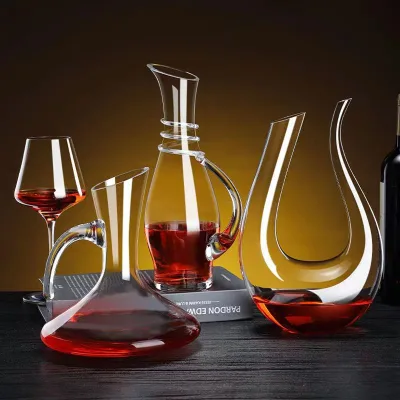
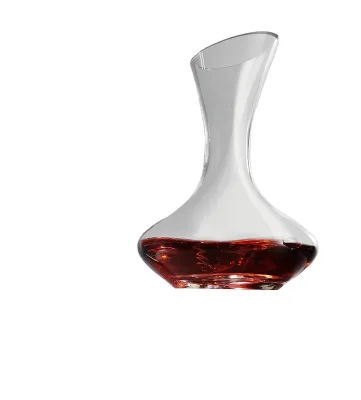
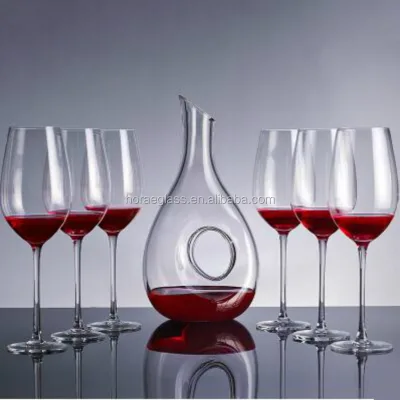
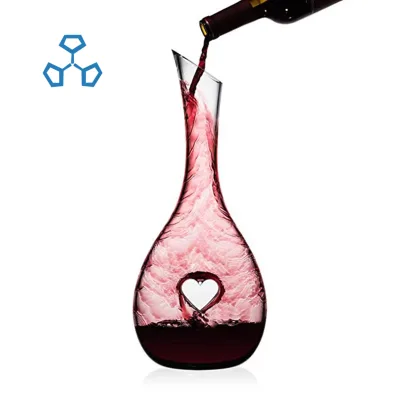
Red Wine Decanter High Borosilicate Hand-blown Lead-free Crystal Glass Decanter
$0.05 - $0.07
MOQ: 1000 pieces


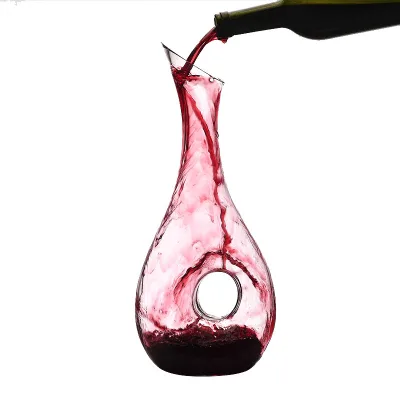


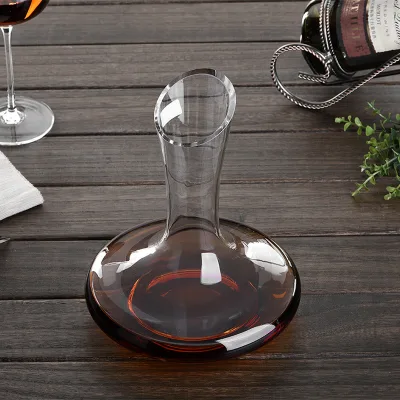
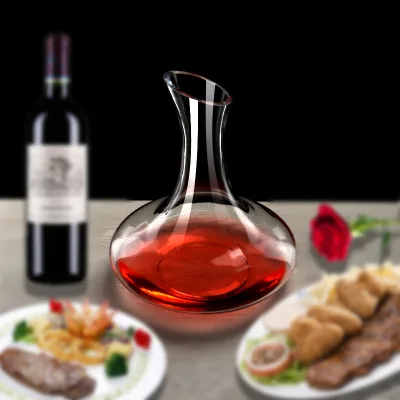
Top Quality Classic Elegant Slanted Rim Lead Free Crystal Wine Decanter Glass Decanter
$4.50 - $5.00
MOQ: 200 Pieces
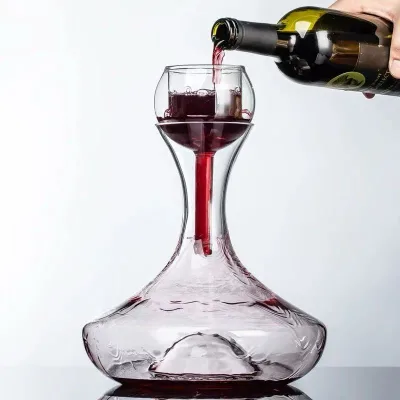


Comprehensive Sourcing Guide
Lead Free Italian Crystal Decanter Sourcing Guide
Procuring lead-free crystal decanters requires distinguishing between genuine Italian craftsmanship and mass-produced alternatives that merely claim similar aesthetics. While the core keyword suggests a specific origin, the available market data indicates a significant volume of glass decanters originating from Hubei, China, with models like XZ-0008 and WD-012. Buyers must verify if the "Italian" designation refers to the design style or the actual manufacturing location, as many suppliers offer classic designs with customizable logos that mimic high-end European styles without the associated production costs.
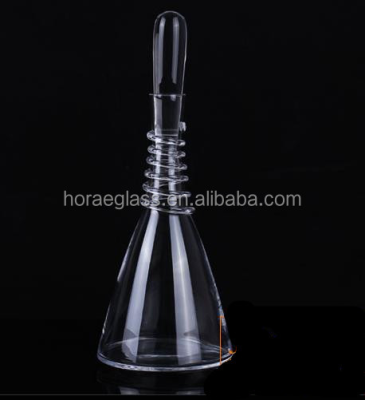
The observed product range includes various shapes, from irregular forms to swan designs, all constructed from glass materials that are explicitly marketed as lead-free. Sourcing strategies should focus on confirming the specific glass composition through supplier documentation rather than relying solely on product titles. The presence of certifications such as FDA, LFGB, and CE/EU suggests compliance with safety standards, but these are often held by manufacturers in China. Therefore, the initial step involves clarifying the origin of the glass to ensure the product meets the specific expectations of a lead-free Italian crystal procurement strategy.
Product Scope and Observed Listing Signals
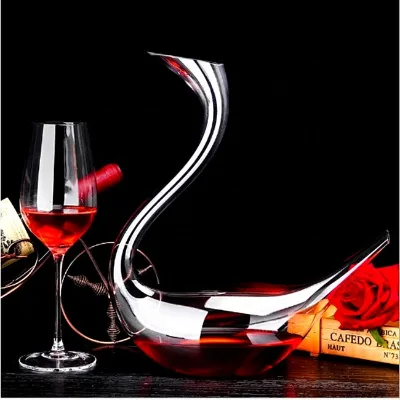
The current market listings reveal a diverse scope of decanters ranging from simple single-piece carafes to complete rotating sets designed for bars, hotels, and restaurants. Products like the "Crystal Clear Rotating Glass Wine Decanter Set" and "Swan Wine Decanters" demonstrate that the category includes both functional utility and decorative elements. Buyers should note that while some items are described as having a classic design style, others feature unique attributes like grape bottoms or irregular shapes, indicating a wide variance in the visual and functional scope available to international purchasers.
Listing signals often highlight customization capabilities, with many suppliers offering laser, spray, or painted logo options alongside ODM and OEM services. The observed minimum order quantities (MOQ) vary significantly, ranging from as low as 48 pieces to 7000 units, which impacts the feasibility of small-batch procurement. Additionally, the availability of free samples and the option for customized packaging in carton or wooden boxes provide flexibility for buyers testing the market. However, the discrepancy between the "Italian" keyword and the observed Chinese origins necessitates a careful review of product descriptions to align expectations with actual supply capabilities.
Technical Specifications to Verify
When evaluating technical specifications, the physical dimensions and packaging standards are critical for logistics planning and cost estimation. The data shows specific packing standards such as 4 pieces per carton with dimensions of 65x45x35cm, or 6 pieces per carton measuring 70x51x32cm. These variations directly influence shipping volume and freight costs, requiring buyers to calculate the exact cubic meterage for their specific order size. Verifying the gross weight, which ranges from 0.75kg to 1.5kg per unit, is equally important for determining shipping class and ensuring the structural integrity of the glass during transit.
Material composition and model numbers serve as the primary identifiers for verifying the lead-free status and design integrity of the decanters. Models such as HH-XJQ0141 and XZ-0022 are associated with specific weight and dimension profiles that must be cross-referenced with the supplier's technical datasheet. Buyers should explicitly request confirmation that the glass is lead-free, as the term "crystal" can sometimes be used loosely in marketing. Ensuring the product model matches the requested specifications prevents the receipt of standard soda-lime glass products that do not meet the acoustic and visual qualities expected of true lead-free crystal.
Compliance and Safety Documentation
Compliance documentation is the cornerstone of verifying that a decanter is safe for food and beverage contact, particularly regarding lead content. The observed listings frequently cite certifications including FDA, LFGB, CE/EU, RoHS, and CIQ, which are essential for importing into major markets. However, the presence of these certifications on a product listing does not guarantee that every unit in a specific batch has been tested; buyers must request the actual test reports or certificates of analysis for the specific production run to confirm compliance with local safety regulations.
The distinction between different certification bodies is vital for ensuring market access and consumer trust. For instance, LFGB is a German standard that is often stricter than FDA regarding food contact materials, while CE/EU indicates conformity with European health, safety, and environmental protection standards. Buyers should verify that the supplier can provide valid, up-to-date documentation for these specific certifications rather than generic claims. Without these documents, the risk of regulatory rejection at customs or liability issues in the end market increases significantly, making the verification of these papers a non-negotiable step in the procurement process.
Cost Drivers and Commercial Terms
Cost drivers in this category are heavily influenced by the origin of the glass, the complexity of the design, and the level of customization required. While the observed price range spans from $0.05 to $45, this wide variance reflects differences between basic glass carafes and more intricate, hand-blown designs. The decision to customize the logo via laser or spray painting, or to opt for ODM services, will add to the unit cost and potentially increase the minimum order quantity. Buyers must analyze whether the premium for a specific design style or origin is justified by the perceived value in their target market.
Commercial terms such as sample availability and lead times play a crucial role in the overall procurement timeline and cash flow management. Many suppliers offer free samples with a lead time of 3-7 days, which allows for quality verification before committing to a large order. However, the MOQ can range from 100 to 500 pieces, which may require significant capital investment for smaller buyers. Understanding the payment terms and the flexibility of the supplier regarding mixed orders or partial shipments is essential for mitigating financial risk and ensuring a smooth transaction process.
Supplier Qualification and Quality Control
Supplier qualification should extend beyond the basic listing information to include a thorough assessment of their manufacturing capabilities and quality control systems. The data indicates that suppliers offer services like ODM and OEM, suggesting they have the capacity for custom production, but buyers must verify their track record with similar high-value glass products. It is advisable to request references from previous clients or to conduct a virtual audit of the factory to ensure they possess the necessary equipment for producing lead-free crystal and maintaining consistent quality standards.
Quality control measures must be explicitly defined in the purchase agreement to protect against defects such as bubbles, uneven thickness, or poor polishing. Given the fragility of glass decanters, the packaging standard, whether it is a standard carton box or a customized wooden box, is a critical component of the quality control process. Buyers should insist on pre-shipment inspections that include a random sampling of units to check for physical damage and verify that the product matches the approved sample. Establishing clear acceptance criteria for defects ensures that the final delivery meets the expected standards of the buyer and their end customers.
Long-Term Procurement Checks
Long-term procurement success relies on establishing a reliable supply chain that can consistently meet demand without compromising on quality or compliance. Buyers should monitor the supplier's ability to maintain the lead-free status of their glass over time, as raw material sources can change without notice. Regular re-verification of certifications and periodic quality audits are necessary to ensure that the supplier continues to adhere to the agreed-upon standards and that the product remains safe for food contact throughout the lifecycle of the partnership.
Building a strategic relationship with the supplier involves open communication regarding market trends and potential design updates. Since the observed market includes a variety of styles from classic to irregular shapes, staying informed about new product developments can help buyers keep their offerings fresh and competitive. Additionally, maintaining a buffer stock of critical components or finished goods can mitigate risks associated with supply chain disruptions. By fostering a collaborative environment, buyers can ensure a steady flow of high-quality decanters that align with their brand identity and customer expectations.
FAQs
What certifications do the glass decanters hold?
The glass decanters hold FDA, EEC, LFGB, CE, EU, CIQ, and RoHS certifications. These credentials ensure the products meet international safety and quality standards for food contact. Buyers can verify these documents to confirm compliance with regulatory requirements in various global markets before placing bulk orders.
Can I customize the logo on the decanters?
Yes, customized logos are acceptable for these glass decanters. Suppliers offer various methods including laser, spray, decal, and painted options. This customization service allows businesses to brand the products effectively for specific markets or corporate gifting purposes, enhancing brand visibility and product uniqueness.
What is the typical MOQ for these decanters?
The typical MOQ varies by product model, ranging from 48 to 7000 pieces. Specific models like the Swan decanters require 500 pieces, while others may start at 100 or 240 pieces. Buyers should check the specific model requirements to determine the exact minimum order quantity for their needs.
Are samples provided freely for these glass decanters?
Samples are provided freely for these glass decanters. The sample time is typically 3-7 days, allowing buyers to evaluate quality and design before committing to large orders. This free sample policy helps reduce risk and ensures the product meets the buyer's expectations for material and craftsmanship.
What packaging options are available for these decanters?
Packaging options include standard carton boxes or customized wooden boxes. Standard packing might be 4 or 6 pieces per carton with specific dimensions. Customized packaging is available to meet specific branding or shipping requirements, ensuring the glass decanters are protected during transit and presentation.
Where are these glass decanters manufactured?
These glass decanters are manufactured in Hubei, China. The origin is clearly stated as China for various models. Buyers can consider this location when evaluating logistics, shipping costs, and supply chain reliability for their procurement needs, ensuring alignment with their sourcing strategies.