Source LED Cold Light Source for Endoscopy, Imaging, and Intubation
Find 29 LED Cold Light Source options for endoscopy, imaging diagnostics, and intubation procedures. Buyers can compare specifications like lamp life, illumination levels, and power requirements across verified suppliers.
Key considerations
Products List


$500.00 - $650.00
MOQ: 1 Sets


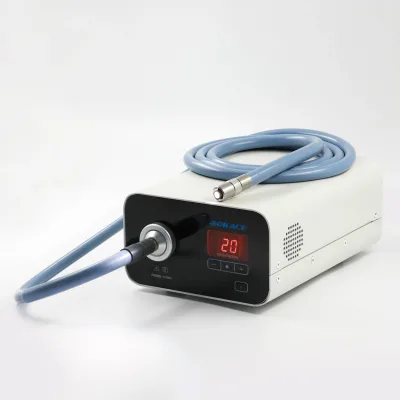


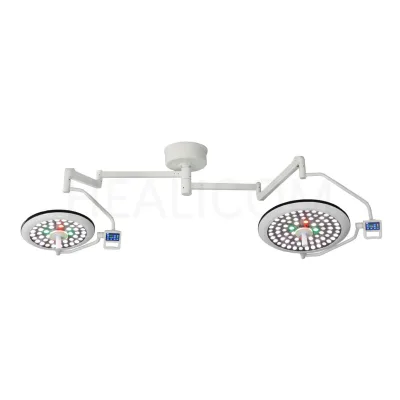


High-Performance Endoscopic Cold Light Source with Versatile Interface
$350.00 - $450.00
MOQ: 1 Pieces


Durable Professional LED Light Source with Adjustable Brightness Levels
$400.00 - $450.00
MOQ: 1 Pieces


Comprehensive Sourcing Guide
Strategic Sourcing Guide for LED Cold Light Sources in Medical Procurement
The global medical device market relies heavily on high-performance illumination systems to ensure precision during diagnostic and surgical procedures. Among these, the LED Cold Light Source has emerged as a critical component for endoscopy and imaging diagnostics. For procurement professionals, sourcing these units requires a disciplined approach that balances technical performance, regulatory compliance, and total cost of ownership. This guide outlines the essential factors for evaluating LED cold light sources, drawing on observed market data and technical specifications to help buyers make informed decisions without relying on unverified claims.
Technical Specifications and Performance Metrics
When evaluating LED cold light sources, the primary focus must be on the specific technical parameters that directly impact clinical outcomes. The core functionality of these devices is to provide high-intensity illumination without generating excessive heat, which protects delicate tissues during procedures. Buyers should verify the wavelength output, as the observed market data indicates a specific range of UV main peaks at 365nm, 385nm, 395nm, and 405nm. While these peaks are relevant for specific diagnostic applications, the standard visible light output is equally critical.
Illumination intensity is a key differentiator among models. Data from available listings shows a wide variance in luminous flux, ranging from 2,500,000lx to 5,800,000lx. For instance, specific models like the Jld-300 series demonstrate illumination capabilities up to 5,800,000lx, while others may offer 4,000,000lx or 2,500,000lx. Procurement teams must match these figures to the specific requirements of their endoscope systems. The color temperature is another vital specification, with observed values spanning from 3600K to 6000K. A temperature of 5600K is often preferred for natural color rendering, whereas 4500K or 6000K options provide different spectral balances.
Power consumption and configuration also vary significantly. Some units operate with a power requirement of 600W, while others, such as the Jld-300m, list an input power of 100VA. The LED power itself can range from 50W to 250W depending on the model. Buyers must ensure the power configuration aligns with their facility's electrical infrastructure, noting that some units support a voltage range of 90-240V, while others are configured specifically for 220VAC at 50Hz. The physical dimensions are equally important for integration; observed standard sizes include compact units measuring 370370250mm and larger configurations reaching 8004201030 mm.
Compliance and Certification Verification
Regulatory compliance is non-negotiable in the medical device sector. When sourcing LED cold light sources, buyers must rigorously verify that the supplier holds valid certifications for the target markets. The observed market data indicates that products often carry CE, FDA, and ISO MSDS certifications. Specifically, the CE mark is frequently listed, and some suppliers provide additional documentation such as ISO13485, which is the international standard for quality management systems in medical devices.
It is crucial to distinguish between the product certification and the manufacturing facility certification. While a product may carry a CE certificate, the underlying manufacturing process should ideally adhere to ISO13485 standards to ensure consistent quality. Furthermore, buyers should check for specific safety certifications like the Fuse specification, which in observed models is listed as F3al250V*2. This component is essential for electrical safety and must be verified against local regulatory requirements.
The classification of the device also dictates the regulatory pathway. These units are generally classified as Imaging Diagnostic Equipment and are intended for use with Middle-aged and Old adult patient groups. Procurement teams must ensure that the supplier's documentation clearly states the intended use and that the device meets the specific regulatory classification of the importing country. Relying solely on a generic "CE" claim without supporting documentation is insufficient for high-risk procurement.
Cost Drivers and Pricing Structures
The pricing for LED cold light sources in the current market exhibits a broad range, observed between 10 USD and 1472.75 USD. This significant variance is driven by several factors, including the power output, the complexity of the optical system, and the included accessories. High-intensity models with superior color rendering and longer lamp life typically command higher prices. Conversely, basic units with lower illumination levels or shorter lifespans may be available at the lower end of the spectrum.
The Minimum Order Quantity (MOQ) is another critical cost driver, with observed ranges spanning from 1 unit to 1000 units. For hospitals or clinics looking to replace a single unit, a supplier with an MOQ of 1 is essential. However, for distributors or large-scale procurement initiatives, negotiating an MOQ of 1000 units may yield significant volume discounts. Buyers should also consider the packaging costs; observed data shows options ranging from simple Carton Box Packages to robust Wooden Cases, which can impact the final landed cost, especially for international shipping.
Additionally, the cost of ownership extends beyond the initial purchase price. The lamp life is a major factor in long-term expenses. Observed lamp life values vary drastically, from 100 hours to 2000 hours. A unit with a 100-hour lamp life, such as the Jld-300, may require frequent and costly replacements, whereas a unit with a 2000-hour life, like the Jld-300m, offers a more economical solution over time. Buyers must calculate the total cost of ownership by factoring in the frequency of lamp replacement and the cost of spare parts.
Typical Applications and Compatibility
LED cold light sources are primarily designed to provide light for endoscope systems, making them indispensable in gastroenterology, urology, and general surgery. The versatility of these units is often enhanced by the availability of various adaptors. Market observations indicate that adaptors for major brands such as Storz or Wolf are available for selection, ensuring compatibility with existing endoscopic equipment. This modularity is a key advantage for facilities that utilize multiple brands of endoscopes.
The application extends beyond standard endoscopy. Some units are classified specifically as Endoscope LED Light Sources, while others are part of broader imaging diagnostic equipment suites. The optimal height of irradiation, observed between 10mm and 50mm, is a critical parameter for ensuring uniform illumination of the surgical field. Buyers must verify that the unit's irradiation height matches the requirements of their specific endoscopic procedures.
Furthermore, the cooling method is a vital consideration for continuous operation. The observed data points to Wind Cooling as the standard method, which helps maintain the LED temperature and extends the lifespan of the light source. For applications requiring prolonged use, the efficiency of the cooling system is paramount to prevent overheating and potential device failure.
Supplier Evaluation and Quality Control
Evaluating suppliers requires a deep dive into their manufacturing capabilities and quality assurance processes. Buyers should look for suppliers that offer customization options, as observed in the market data. This flexibility allows for tailoring the product to specific institutional needs, such as custom branding or specific adaptor configurations. The brand information observed, such as Jld or OEM, suggests that many suppliers operate under original equipment manufacturer models, which can offer cost advantages but requires careful vetting of the actual manufacturing partner.
Quality control should be a central part of the supplier selection process. Buyers must verify the product origin, which is listed as China for the observed models, and ensure that the supplier has a robust track record of exporting to the target region. The warranty period is another indicator of supplier confidence; a standard 1-year warranty is commonly observed, but buyers should negotiate terms that align with their operational needs.
The packaging and shipping standards are also indicators of quality. The use of Wooden Cases for larger units and Carton Box Packages for smaller ones suggests a tiered approach to protection. Buyers should ensure that the packaging is sufficient to prevent damage during transit, especially for international shipments. Additionally, the product weight, observed at 3.5kg for some models, should be considered when planning logistics and installation.
Long-Term Procurement Considerations
Sourcing LED cold light sources is not just about the initial purchase; it involves planning for the entire lifecycle of the equipment. The lamp life is a critical metric for long-term planning. As noted, lamp life can range from 100 hours to 2000 hours. Procurement teams should prioritize models with longer lamp lives to reduce maintenance frequency and operational costs. However, the trade-off between initial cost and lamp life must be carefully analyzed.
Maintenance and support are also essential long-term considerations. Buyers should verify the availability of spare parts, such as fuses and adaptors, and ensure that the supplier provides technical support for troubleshooting. The product classification as Imaging Diagnostic Equipment implies that regular calibration and maintenance may be required to maintain performance standards.
Finally, buyers should consider the obsolescence risk. With the rapid advancement of LED technology, older models may become difficult to support. Selecting suppliers who offer customization and have a history of updating their product lines can mitigate this risk. The ability to choose between different color temperatures and illumination levels ensures that the equipment remains relevant as clinical needs evolve.
Summary of Key Specifications
To facilitate quick comparison during the sourcing process, the following table summarizes the key technical specifications observed in the market. This data serves as a reference point for buyers to validate supplier claims and ensure alignment with their specific requirements.
| Specification | Observed Range / Values | Notes for Verification |
|---|---|---|
| Model No. | Jld-300, Jld-300m, Jld-301, JLD-G303, JLD-303 | Verify compatibility with existing endoscope systems. |
| Illumination | 2,500,000lx to 5,800,000lx | Match to procedure requirements; higher is not always better. |
| Color Temperature | 3600K, 4500K, 5600K, 6000K | Select based on tissue color rendering needs. |
| LED Power | 50W to 250W | Correlates with illumination intensity and heat generation. |
| Lamp Life | 100h to 2000h | Critical for total cost of ownership calculations. |
| Voltage | 90-240V, 220VAC 50Hz | Ensure compatibility with local power grid. |
| Dimensions | 370370250mm to 8004201030mm | Check for space constraints in the operating room. |
| Certifications | CE, FDA, ISO13485, MSDS | Verify validity and scope for the target market. |
| Cooling Method | Wind Cooling | Essential for continuous operation stability. |
| Adaptors | Storz, Wolf | Confirm compatibility with current endoscope brands. |
By adhering to these guidelines and rigorously verifying the provided specifications, procurement professionals can secure high-quality LED cold light sources that meet the demanding standards of modern medical practice. The focus must remain on evidence-based evaluation, ensuring that every claim is supported by documentation and that the selected equipment aligns with the specific clinical and operational needs of the facility.
FAQs
What certifications do led cold light sources typically hold?
Products often carry CE, FDA, and ISO MSDS certifications. Some suppliers also provide ISO13485 documentation for quality management. Buyers must verify these documents match target market regulations before procurement.
How long does the lamp life last for these units?
Lamp life varies significantly from 100 hours to 2000 hours depending on the model. Specific units like the Jld-300m offer 2000 hours, while others may only last 100 hours. This metric is critical for calculating total cost of ownership.
Which power configurations are available for medical illumination?
Units operate with power requirements ranging from 100VA to 600W. Voltage configurations include 90-240V universal input or specific 220VAC 50Hz setups. Buyers must ensure the configuration matches their facility's electrical infrastructure.
Can buyers customize the product for specific needs?
Customization is available for many models to suit institutional requirements. Suppliers may offer OEM branding or specific adaptor configurations like Storz or Wolf. This flexibility allows tailoring the product to unique clinical workflows.
What is the illumination intensity range for these devices?
Illumination intensity ranges from 2,500,000lx to 5,800,000lx across different models. Higher intensity units provide better visibility for complex procedures. Procurement teams must match these figures to specific endoscope system requirements.
How does the cooling method affect device performance?
Wind cooling is the standard method used to maintain LED temperature. This system prevents overheating during continuous operation and extends the lifespan of the light source. Efficient cooling is paramount for prolonged surgical procedures.
What are the typical packaging options for shipping?
Packaging options range from Carton Box Packages to robust Wooden Cases. The choice depends on the unit size and shipping requirements. Robust packaging ensures protection during international transit and prevents damage to sensitive equipment.