Source Letter Design Outdoor Slippers for Beach, Indoor, and Home Use
Compare 30 listings for Letter Design Outdoor Slippers featuring EVA foam insoles and customizable logos. Buyers can evaluate options for beach, indoor, and outdoor applications with varying MOQs and packing styles.
Key considerations
Products List


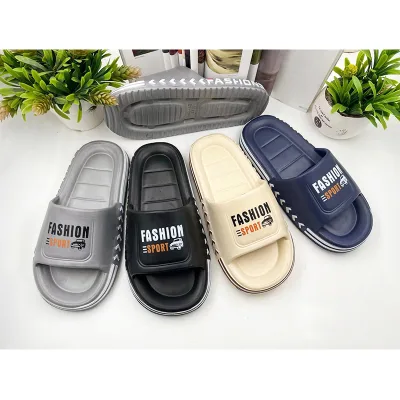
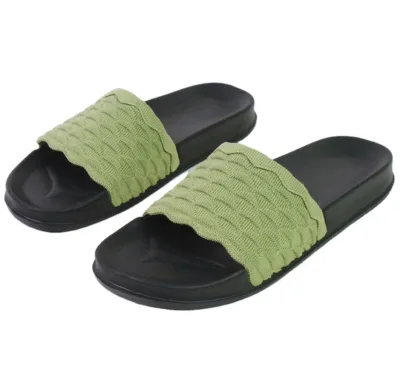


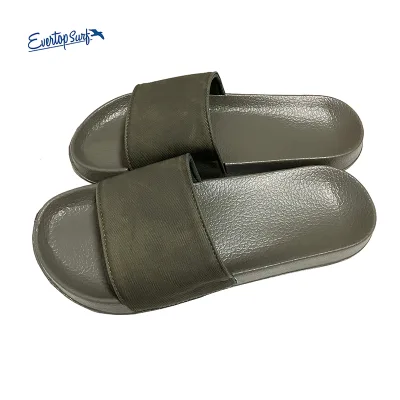


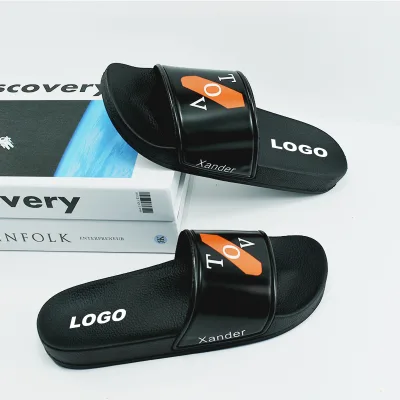
Comprehensive Sourcing Guide
Strategic Sourcing Guide for Letter Design Outdoor Slippers
Understanding Product Specifications and Material Composition
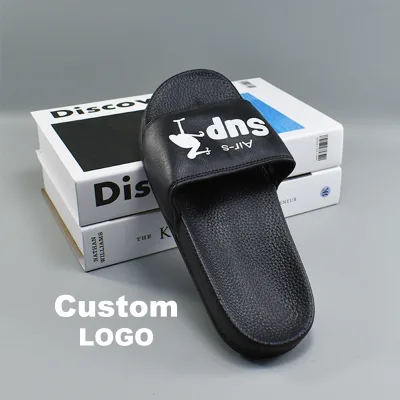
When sourcing Letter Design Outdoor Slippers, buyers must first establish a clear understanding of the technical specifications that define the product category. The core keyword implies a specific aesthetic requirement—letter designs—combined with functionality suitable for outdoor environments. Based on available market data, the construction of these slippers typically involves a combination of specific materials chosen for durability and comfort. The insole material is frequently observed as EVA (Ethylene Vinyl Acetate), which provides essential cushioning. This is often paired with EVA foam for shock absorption, a critical feature for footwear intended for extended wear on varied surfaces.
The upper material for many models in this category is identified as PU (Polyurethane), offering a balance between flexibility and structural integrity. The outsole is consistently noted as EVA, ensuring the slipper remains lightweight while providing adequate traction for outdoor use. Some variations in the market utilize cork for the insole, which may offer different thermal properties or a distinct aesthetic finish. The toe style is predominantly open toe, aligning with the slipper classification rather than enclosed footwear. The style is often described as "Printed" or "Outdoor Slippers," indicating that the letter design is likely achieved through printing techniques on the upper material.
Packaging and logistics specifications are equally vital for procurement planning. Products are observed to be packed in single items, either in bags, boxes, or polybags depending on the specific model. The single gross weight is typically around 0.600kg, and the single package size often measures approximately 23x10x10 cm. These dimensions are crucial for calculating shipping costs and warehouse storage requirements. The origin of these products is primarily China, with specific manufacturing hubs noted in regions such as Zhejiang and Jiangsu. Understanding these baseline specifications allows buyers to accurately compare different supplier offerings and ensure the product meets the physical requirements of their target market.
Compliance Standards and Certification Verification
Navigating the compliance landscape for outdoor slippers requires a rigorous verification process, as the market contains varying levels of quality assurance. While some product listings mention standards such as CE, RoHS, SGS, GMP, or an "A level of quality," these references must be treated as potential claims rather than guaranteed facts for every supplier. Buyers should not assume that a product listing mentioning "CE" implies automatic certification without requesting valid documentation. The standard for quality is often described as "As your requirement" or "A level of quality," which places the onus on the buyer to define and verify the specific standards required for their market.
In the context of outdoor footwear, safety and material safety are paramount. Buyers should explicitly request test reports for the materials used, particularly the EVA foam and PU upper, to ensure they meet the chemical safety standards of their destination country. The "A level of quality" mentioned in some contexts suggests a baseline for manufacturing consistency, but it does not replace third-party certification. For markets with strict regulatory environments, such as the European Union or North America, independent testing for flammability, heavy metals, and phthalates is often necessary.
The verification process should also include checking the origin of production. While the general origin is listed as China, specific locations like Nanjing, Jiangsu, or Zhejiang may have different local regulatory enforcement levels. Buyers must confirm that the supplier can provide certificates of origin and any specific product compliance documents relevant to the destination market. Relying solely on the supplier's self-declaration of standards like "CE" or "SGS" without seeing the actual certificate numbers and issuing bodies is a significant procurement risk. The absence of a specific standard in a listing does not necessarily mean the product is non-compliant, but it does require a proactive inquiry to establish the compliance status before placing an order.
Cost Drivers and Pricing Dynamics
The pricing structure for Letter Design Outdoor Slippers is influenced by a complex interplay of material costs, customization levels, and order volume. The observed price range in the market spans from $0.20 to $35.00 USD, a wide disparity that reflects differences in material quality, design complexity, and brand positioning. The lower end of this spectrum typically corresponds to basic models with standard EVA construction and minimal customization, while the higher end likely includes premium materials, intricate letter designs, or specialized packaging.
Material costs are a primary driver of the final price. The use of high-grade EVA foam for shock absorption and PU for the upper can increase the unit cost compared to standard plastic or lower-density foam alternatives. Additionally, the customization of the letter design adds a layer of cost. Suppliers offering "Customized Logo" services or specific "Printed" styles may charge a premium for the setup of printing plates or molds. The "Accept Customized Logo" attribute indicates that branding is a value-added service that impacts the cost structure.
Order volume is another critical factor. The Minimum Order Quantity (MOQ) ranges from 1 to 5000 units, with specific models showing MOQs of 800 or 2000 units. Higher MOQs generally correlate with lower unit prices due to economies of scale in production and material purchasing. Buyers must balance their budget constraints with the need for inventory depth. For instance, a model with an MOQ of 2000 units might offer a significantly better price point than a model with an MOQ of 800, but it requires a larger capital outlay. The "Selling Units" being "Single Item" suggests that pricing is often calculated per pair, but bulk discounts are likely available for larger orders.
Typical Applications and Usage Scenarios
The intended application of Letter Design Outdoor Slippers is a key consideration for buyers targeting specific consumer segments. The product attributes explicitly state "Usage: Indoor and Outdoor" and "Use: Outdoor," indicating versatility. However, specific models are also categorized for "Beach" use, suggesting water resistance or quick-drying properties that are essential for coastal environments. The "Season: Summer" attribute further narrows the target market to warm-weather applications, making these slippers ideal for vacation destinations, poolside areas, and casual summer wear.
The "Open Toe" style and "Outdoor Slippers" classification make them suitable for environments where breathability is prioritized over full foot protection. This makes them less appropriate for rugged hiking or industrial settings but perfect for resort wear, beach walks, and casual urban strolling. The "Letter Design" aspect adds a fashion-forward element, appealing to consumers who view footwear as a style statement rather than just a utility item. This aesthetic focus is particularly relevant for the "Female" and "Unisex" gender categories observed in the market data.
Buyers should align their product selection with the specific usage scenarios of their target customers. If the target market is beach resorts, the focus should be on models with "Beach" usage and durable outsoles. For general urban summer wear, the emphasis might be on the "Printed" style and the "Letter Design" aesthetic. The "Hand Made" versus "Not Handmade" attribute also influences the application; hand-made items may be marketed as premium or artisanal, while machine-made items are better suited for mass-market volume. Understanding these nuances ensures that the sourced products meet the functional and aesthetic expectations of the end-user.
Supplier Evaluation and Service Capabilities
Evaluating suppliers for Letter Design Outdoor Slippers requires a focus on their service capabilities and flexibility. The market data highlights several key service attributes, including "OEM&ODM" (Original Equipment Manufacturer and Original Design Manufacturer) and "Accept Customized Logo." These services are crucial for buyers looking to create a unique brand identity. The "Customer Designer: Accept" attribute suggests that suppliers are willing to collaborate on design specifications, which is a significant advantage for brands seeking exclusive products.
Lead times and sample availability are also critical factors in supplier evaluation. Sample dates are observed to range from 7-15 days to 15-20 days, depending on the complexity of the customization. Buyers should factor these timelines into their overall product development schedule. The "Ship: by Sea" attribute indicates that shipping is typically handled via ocean freight, which is cost-effective for large volumes but requires careful planning regarding lead times.
The "Service" attribute also encompasses the ability to handle custom requirements. Suppliers that accept "Enter Value Here" for attributes like size or specific design elements demonstrate a high level of flexibility. However, buyers must verify the supplier's capacity to maintain consistency across large production runs. The "Hand Made" attribute, present in some models but not others, requires verification of the actual production process to ensure quality control. A supplier claiming "Hand Made" should be able to demonstrate the craftsmanship involved, while those claiming "Not Handmade" should provide evidence of automated quality control systems.
Quality Control and Long-Term Procurement Considerations
Ensuring consistent quality is the cornerstone of successful long-term procurement. The "prod_standard" field often lists "A level of quality" or specific certifications, but these are general statements. Buyers must implement a robust quality control (QC) strategy that includes pre-production sample approval, in-process inspections, and final random inspections. The "Single Gross Weight" of 0.600kg and "Single Package Size" of 23x10x10 cm serve as baseline metrics for verifying that the finished product matches the agreed specifications.
Long-term procurement considerations involve building a relationship with suppliers who can scale with demand. The "MOQ" range of 1 to 5000 units offers flexibility, but buyers should aim to negotiate terms that allow for incremental order increases without significant price penalties. The "Disposable: Non-Disposable" attribute confirms that these are durable goods, but the longevity of the product depends on the quality of the EVA and PU materials used. Buyers should request material data sheets to verify the durability and resistance to wear and tear.
Sustainability and ethical manufacturing practices are increasingly important in the footwear industry. While not explicitly detailed in the provided data, buyers should inquire about the environmental impact of the materials used, particularly the sourcing of EVA and PU. The "prod_origin" being China offers access to a vast supply chain, but buyers must ensure that the suppliers adhere to labor standards and environmental regulations. Establishing a clear communication channel for feedback and continuous improvement is essential for maintaining a high-quality supply chain over time.
Comparison of Key Product Attributes
To facilitate decision-making, the following table summarizes the key attributes observed across different product models in the Letter Design Outdoor Slippers category. This comparison helps buyers identify the specific features that align with their procurement needs.
| Attribute | Model A (BC-2005zimu) | Model B (YK-HD-806) | Model C (WY2017-02) | Model D (R2-1) | Model E (B2017S09) |
|---|---|---|---|---|---|
| Insole Material | EVA | Cork | N/A | N/A | N/A |
| Outsole Material | N/A | EVA | N/A | N/A | N/A |
| Upper Material | N/A | PU | N/A | N/A | N/A |
| Gender | Female | N/A | Unisex | N/A | N/A |
| Style | Printed, Outdoor Slippers | Slippers | B2017s09 | N/A | N/A |
| MOQ | N/A | 800 | N/A | 2000 | N/A |
| Packaging | Bags | N/A | Box | Polybag | N/A |
| Origin | China | Zhejiang, China | Nanjing, Jiangsu, China | N/A | N/A |
| Sample Date | N/A | 7-15day | 15-20day | N/A | N/A |
| Customization | Available | Accept Customized Logo | OEM&ODM | Accept Customized Logo | N/A |
This table highlights the diversity in specifications available in the market. Buyers can use this data to filter suppliers based on their specific requirements for material, gender, and customization capabilities. The variation in MOQs and sample dates also underscores the importance of early engagement with suppliers to align production schedules with business needs. By carefully analyzing these attributes, buyers can make informed decisions that balance cost, quality, and functionality in their sourcing of Letter Design Outdoor Slippers.
FAQs
What materials are used for the insole and outsole?
The insole material is frequently EVA or cork, while the outsole is consistently made of EVA. This combination provides essential cushioning and shock absorption for extended wear on varied surfaces.
Can suppliers provide customized logos and designs?
Yes, suppliers accept customized logos and allow customer designers to submit specific requirements. This service enables buyers to create unique branding on the printed or outdoor slipper styles.
What is the typical minimum order quantity for these slippers?
The minimum order quantity ranges from 1 to 5000 units depending on the specific model. Some models require an MOQ of 800 or 2000 units, while others allow single item purchases.
Where are these products manufactured and what are the origins?
The products originate from China, with specific manufacturing hubs located in Zhejiang and Jiangsu provinces. Locations such as Nanjing are also noted as places of production for these footwear items.
How long does it take to receive samples?
Sample dates typically range from 7 to 20 days depending on the complexity of the customization. Some models require 7 to 15 days, while others may take up to 20 days for preparation.
Are these slippers suitable for beach and outdoor use?
Yes, the usage is specified for both indoor and outdoor environments, including beach applications. The open toe style and durable EVA outsole make them ideal for summer and coastal activities.