Source USP Gamma-Lutein Powder for Food, Health Care, and Feed
Compare 30 listings for USP Gamma-Lutein Powder sourced from China. Options include 5% to 90% concentrations with FDA, ISO, and BRC certifications. Specifications cover 25kg packaging, HPLC assay methods, and applications in food, health care products, and feed grade proteins.
Key considerations
Products List


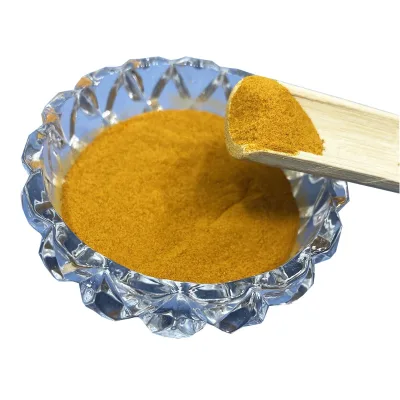
Lutein Powder with Zeaxanthin Lutein Powder 5%-80% with Third Part test Report
$5000.00 - $8000.00
MOQ: 18 Minimum


Supplement Use Eyes Lutein Marigold Extract Lutein Powder Zeaxanthin Lutein
$8.50 - $18.00
MOQ: 1 kilograms

High Quality Lutein Marigold Flower Extract 5%20% Zeaxanthin Supplements Lutein Powder
$16.00 - $21.00
MOQ: 1 kilograms


Fami-QS Factory Supply Feed Grade Bulk 2% Lutein Powder Marigold Extract
$5.50 - $10.00
MOQ: 1 kilograms

Eye Vitamins Supplement Antioxidant Powder Suppliers Antioxidant Zeaxanthin
$16.00 - $21.00
MOQ: 1 kilograms


Comprehensive Sourcing Guide
USP Gamma-Lutein Powder Sourcing Guide
Procuring USP-grade gamma lutein powder requires distinguishing between generic marigold extracts and formulations specifically meeting United States Pharmacopeia standards for purity and safety. Buyers must verify that the active ingredients, primarily lutein and zeaxanthin, are derived from natural sources like marigold flowers rather than synthetic alternatives. The observed market data indicates that suppliers often list products with varying concentrations, ranging from 5% to 90%, which necessitates a clear definition of the required potency before initiating any supplier engagement.
The physical appearance of the product is a critical initial verification point, as the powder should present as a free-flowing yellow substance with a consistent color profile. While some listings describe the material as orange, the standard for high-quality lutein powder typically aligns with a distinct yellow hue, and deviations may indicate oxidation or improper storage. Sourcing teams should prioritize suppliers who explicitly state the extraction method, such as solvent extraction, to ensure the final product retains the necessary bioavailability for food and health care applications.
Product Scope and Observed Listing Signals
The product scope for gamma lutein powder encompasses a wide range of applications, including food additives, health care products, and specific pharmaceutical forms like capsules, tablets, and lotions. Buyers should note that while the core ingredient is natural, the final application dictates the required grade, with some listings specifying feed grade proteins while others target human consumption standards. This distinction is vital because the regulatory requirements for animal feed differ significantly from those for human dietary supplements, affecting the necessary documentation and testing protocols.
Listing signals often reveal the packaging format and storage requirements, which are essential for maintaining product integrity during transit and storage. Observed data suggests that products are commonly supplied in 25kg bags or drums, sometimes lined with aluminum foil to protect against moisture and light degradation. The shelf life is typically listed as exceeding 12 months or up to two years, provided the storage method remains normal and the packaging material, such as paper or plastic drums, remains intact throughout the supply chain.
Technical Specifications to Verify
Technical verification must begin with the assay method, as the concentration of total xanthophylls is a primary determinant of product value and efficacy. Buyers should confirm that the supplier utilizes HPLC or UV methods to validate that the total xanthophylls content meets the minimum threshold of 20.0g/kg, ensuring the extract delivers the promised nutritional benefits. Additionally, the particle size specification, often requiring 95% to pass a 20 mesh screen, is crucial for ensuring uniform mixing in food and pharmaceutical formulations without affecting texture or dissolution rates.
Chemical purity and impurity limits are equally critical, with specific maximums for heavy metals, arsenic, and loss on drying serving as key quality gates. The observed specifications indicate a maximum loss on drying of 8.0% and heavy metal limits of 10.0mg/kg, which must be strictly adhered to for safety compliance. Buyers must also verify the saponification ratio, which should be at least 98% minimum, to confirm the chemical stability and quality of the extracted pigments against potential adulteration or degradation during processing.
Compliance and Safety Documentation
Compliance documentation is non-negotiable for gamma lutein powder intended for human consumption, requiring a comprehensive set of certificates from recognized bodies. The observed market data highlights certifications such as FDA, ISO, BRC, and HACCP, which collectively demonstrate that the manufacturing facility adheres to strict hygiene and quality management systems. Buyers should request current certificates for each specific batch to ensure that the product has been produced under conditions that meet international safety standards for food and pharmaceutical ingredients.
Safety data must also include specific chemical identifiers and regulatory numbers to facilitate customs clearance and regulatory review in the destination market. The presence of a CAS number, such as 127-40-2, and an EINECS number, like 204-840-0, provides a unique fingerprint for the chemical substance, ensuring traceability and accurate classification. Furthermore, RoHS certification may be relevant for products entering markets with strict restrictions on hazardous substances, adding an additional layer of assurance regarding the environmental and safety profile of the raw materials used.
Cost Drivers and Commercial Terms
Cost drivers for gamma lutein powder are heavily influenced by the concentration of active ingredients and the complexity of the extraction process. Higher potency grades, such as 50% or 90% extracts, command a premium price due to the increased processing required to achieve the desired purity levels. Buyers should anticipate that the price range observed in the market, spanning from 1 to 8000 USD, reflects these variations in concentration, packaging, and the specific certification requirements attached to the batch.
Commercial terms often include specific payment structures and minimum order quantities that can impact the overall procurement budget. The observed data indicates a common payment term of 50% TT in advance and 50% TT against the copy of the bill of lading, which balances risk between the buyer and supplier. Additionally, the minimum order quantity is frequently set at 1000kg, which may require buyers to consolidate orders or negotiate with multiple suppliers to meet volume requirements while maintaining cost efficiency.
Supplier Qualification and Quality Control
Supplier qualification involves a rigorous assessment of the manufacturing origin and the consistency of their quality control processes. The observed data points to Shandong, China, as a primary place of origin, suggesting a concentration of production facilities in this region. Buyers should verify that the supplier maintains a consistent cultivation method, such as artificial planting, to ensure a steady supply of raw materials that meet the required quality standards for lutein and zeaxanthin content.
Quality control extends beyond the initial production to include rigorous testing of the final product against established standards. Buyers must ensure that the supplier conducts regular testing for parameters like the CB number and specific chemical markers to prevent batch-to-batch variability. The availability of free samples, typically ranging from 10 to 20 grams, allows procurement teams to perform independent verification of the product's physical properties and chemical composition before committing to a larger commercial order.
Long-Term Procurement Checks
Long-term procurement success relies on establishing a robust framework for ongoing quality assurance and supply chain stability. Buyers should implement periodic audits of the supplier's facilities to ensure that their production methods and storage conditions remain consistent with the initial agreements. This proactive approach helps mitigate the risk of quality degradation over time and ensures that the supplier continues to meet the evolving regulatory requirements of the target markets.
Continuous monitoring of market trends and regulatory changes is essential for maintaining a competitive edge in the procurement of gamma lutein powder. Buyers must stay informed about updates to USP standards and other international regulations that may affect the import or use of the product. By maintaining open communication channels with suppliers and regularly reviewing performance metrics, organizations can build a resilient supply chain capable of adapting to future challenges and opportunities in the global market.
FAQs
What is the active ingredient in USP Gamma-Lutein Powder?
The active ingredients are lutein and zeaxanthin, extracted from marigold. This natural powder supports healthy growth and nutrition in food and health care products. It is available in various concentrations, including 5%, 10%, 20%, 50%, and 90% marigold extract levels for diverse formulation needs.
Which certifications are available for this lutein powder?
Certifications include FDA, ISO, BRC, HACCP, and RoHS. These ensure the product meets international safety and quality standards. The powder is also food grade and carries an EINECS number of 204-840-0, confirming its regulatory compliance for global trade and industrial applications.
How is the lutein powder packaged and stored?
Packaging options include 25kg aluminum foil bags or paper bags. The product should be stored under normal conditions to maintain stability. It has a shelf life exceeding 12 months or up to two years, ensuring long-term viability for inventory management and supply chain planning.
Can I get a free sample before placing an order?
Yes, free samples are available, typically ranging from 10 to 20 grams. This allows buyers to verify quality and specifications before committing to bulk purchases. The sample policy facilitates easier evaluation of the powder's appearance, flow, and active ingredient content for your specific application.
What is the minimum order quantity for this product?
The minimum order quantity is 1000kg. This bulk requirement is standard for industrial-grade natural extracts. Buyers should plan their procurement accordingly, as the pricing and logistics are optimized for larger volumes to ensure cost-effectiveness and consistent supply for manufacturing operations.
What payment terms are accepted for this purchase?
Payment terms require 50% TT in advance and 50% TT against the copy of the bill of lading. This standard financial arrangement protects both parties during the transaction. It ensures secure processing of orders for food additives and health care product ingredients.