Source letter print anti-shrink hoodie for casual wear, sports, and outdoor activities
Compare 30 listings for the letter print anti-shrink hoodie featuring cotton and polyester blends, kangaroo pockets, and hooded designs. Buyers can evaluate sizes, colors, and customization options from verified Chinese manufacturers.
Key considerations
Products List


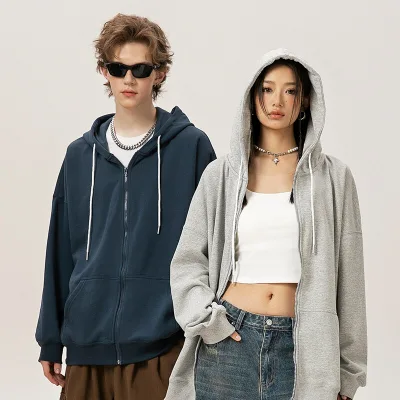


Custom High Quality Oversized 3D Foaming Letter Screen Puff Print Hoodie
$7.00 - $15.00
MOQ: 100 Pieces

Autumn Casual Style 100% Cotton Heavyweight Oversized Custom Logo Print Hoodie
$5.00 - $13.00
MOQ: 100 Pieces

Custom Embroidery Logo Print Unisex Pullover Mens White Hoodies with No String
$5.00 - $13.00
MOQ: 100 Pieces


Custom Printing Heavyweight Thick Oversized Personalized Private Label Hoodie
$4.00 - $8.00
MOQ: 100 Pieces


Custom Printing Heavyweight Thick Oversize Streetwear No String Men Hoodie
$2.88 - $8.28
MOQ: 100 Pieces


Men Custom Digital Print Logo Private Label Loose Personalized Fleece Hoodie
$4.00 - $8.00
MOQ: 100 Pieces


Comprehensive Sourcing Guide
Strategic Sourcing Guide for Letter Print Anti-Shrink Hoodies
Understanding Product Specifications and Material Composition
When sourcing a letter print anti-shrink hoodie, the primary objective is to identify products that balance aesthetic customization with functional durability. The core keyword implies a garment featuring prominent graphic lettering, a hooded design, and specific fabric treatments to prevent dimensional instability during washing. Based on observed market data, these garments frequently utilize a blend of materials, specifically Polyester and Cotton, to achieve a balance of comfort and structural integrity. The fabric weight is a critical technical parameter; observations indicate a standard weight of 360 grams, which suggests a mid-to-heavyweight knit suitable for cooler seasons like Spring and Autumn, or for providing warmth and windproofing in variable climates.
The construction of the hoodie is defined by several key specifications. The sleeve length is consistently observed as long sleeve, and the fit type is typically regular, offering a versatile silhouette that accommodates various body types without being overly restrictive. The collar style is hooded, often featuring a kangaroo pocket, which adds both utility and a casual aesthetic. The letter print itself is applied using specific techniques such as digital printing, embroidery, or plain dyeing. In some instances, the design may include fringe elements, and the logo position is frequently located on the front of the garment. The color palette ranges from solid options like dark grey to multi-color variations, allowing buyers to select designs that align with their brand identity or target demographic.
Technical Standards and Dimensional Consistency
Ensuring that the product meets dimensional standards is essential for inventory planning and retail presentation. The packaging dimensions for these hoodies vary based on the supplier's configuration, with observed standards ranging from 35x45x5 cm to 43x33x6 cm. These dimensions reflect the volume occupied by the garment when packed, often as a single piece in a polypropylene (PP) bag or an OPP bag, with multiple units consolidated into a carton. For example, a common packing configuration involves one piece per bag and a minimum of two pieces per carton, though some suppliers may offer single-piece sets per OPP bag.
The physical dimensions of the garment itself are equally important. Sizes observed in the market include Small (S), Medium (M), Large (L), Extra Large (XL), and Double Extra Large (2XL). Specific model numbers, such as SZH10 Dark grey or MIC030181, serve as unique identifiers for these variations. The length of the hoodie is typically described as regular, ensuring a standard fit that does not extend excessively beyond the hips. Buyers must verify that the "anti-shrinkage" claim is backed by specific fabric treatments or weaving techniques, as the term itself is an attribute rather than a guaranteed outcome without testing. The fabric type is identified as knitted, which provides the necessary elasticity and drape for a comfortable fit, while the needle detection feature indicates a commitment to safety standards in the manufacturing process.
Compliance, Certification, and Quality Verification
Navigating the compliance landscape for apparel requires a clear distinction between verified certifications and general market claims. While some background information mentions GOTS (Global Organic Textile Standard), this certification status should not be assumed for every product listed under the core keyword. Buyers must explicitly request and verify certification documents for any organic or eco-friendly claims. The presence of needle detection is a significant quality control indicator, suggesting that the manufacturing facility employs metal detection systems to ensure no sharp objects remain in the finished product, a critical safety feature for garments intended for all ages.
When evaluating quality, the focus should shift to the technical attributes that define the product's longevity. The "anti-wrinkle" and "anti-pilling" features are listed as product attributes, indicating that the fabric has been treated or selected to resist common wear issues. However, these should be treated as observations rather than absolute guarantees for every unit. Buyers should request sample testing results to confirm breathability, a feature often cited for these hoodies, which ensures comfort during extended wear. The "warmth and windproof" function is another key performance indicator, particularly for Spring and Autumn seasons. To validate these claims, procurement teams should inquire about specific fabric density tests or wind resistance ratings provided by the manufacturer.
Cost Drivers and Pricing Dynamics
The pricing of letter print anti-shrink hoodies is influenced by a complex interplay of material costs, customization levels, and order volume. The observed price range in the market spans from $2.40 to $30.00 USD. This wide variance is primarily driven by the complexity of the letter print technique. Embroidered logos generally command a higher price point compared to digital or printed designs due to the labor intensity and thread costs involved. Similarly, the use of high-quality cotton blends versus standard polyester mixes affects the base cost of the garment.
Order quantity is another significant cost driver. The Minimum Order Quantity (MOQ) ranges from 1 to 1000 units, offering flexibility for different buyer profiles. Small order acceptance is a common feature, with some suppliers supporting sample orders with a lead time of just 7 days. This flexibility allows buyers to test the market with low-risk initial orders before committing to larger production runs. However, as the order volume increases, the per-unit cost typically decreases, reflecting economies of scale in fabric purchasing and manufacturing efficiency. Buyers should also consider the cost of customization, such as specific logo placement or unique color combinations, which may incur additional setup fees.
Supplier Evaluation and Operational Capabilities
Selecting the right supplier requires a thorough assessment of their operational capabilities and geographic location. The majority of observed products originate from China, with specific manufacturing hubs identified in Guangdong and Fujian provinces. These regions are known for their robust textile infrastructure and experience in producing casual, versatile apparel. When evaluating potential partners, buyers should verify the supplier's ability to handle the specific customization requirements of the project, such as the "available" customization attribute noted in the product data.
The supplier's production capacity and lead times are critical factors in maintaining a reliable supply chain. While some suppliers offer rapid sample turnaround times of 7 days, bulk production lead times can vary significantly based on order complexity and current factory workload. Buyers should establish clear communication channels to monitor production progress and ensure that the "single gross weight" of 1kg per unit is accurately reflected in shipping calculations. Additionally, the supplier's adherence to quality control protocols, such as the needle detection mentioned earlier, should be a prerequisite for partnership. A supplier that accepts small orders and demonstrates flexibility in packing configurations, such as one piece per bag or per set, is often better equipped to handle the dynamic needs of modern e-commerce and retail buyers.
Long-Term Procurement and Application Strategy
For buyers planning long-term procurement, the versatility of the letter print anti-shrink hoodie makes it a strategic choice for various applications. The casual and versatile style, combined with the spring and autumn seasonality, positions the product for year-round relevance in many markets. The unisex gender classification expands the potential customer base, allowing for broader marketing strategies that target both men and women. The specific model numbers and design features, such as the fringe or specific pocket types, can be leveraged to create unique product lines that stand out in a competitive marketplace.
Sustainability and durability are increasingly important considerations for long-term success. The anti-shrinkage and anti-wrinkle attributes contribute to the product's lifespan, reducing the likelihood of returns due to quality issues. Buyers should work with suppliers who are transparent about their material sourcing and manufacturing processes. While specific certification claims like GOTS require verification, the general trend towards higher quality materials, such as the 360-gram knitted fabric, indicates a market shift towards more durable and comfortable garments. By focusing on suppliers who offer consistent quality, reliable lead times, and flexible customization options, buyers can build a resilient supply chain that supports growth and brand reputation over time.
Comparative Analysis of Product Attributes
To facilitate informed decision-making, the following table summarizes key attributes observed in the market for letter print anti-shrink hoodies. This comparison highlights the variability in specifications and helps buyers identify products that best match their specific requirements.
| Attribute Category | Observed Options | Key Considerations for Buyers |
|---|---|---|
| Material Composition | Cotton; Polyester / Cotton | Verify blend ratios for desired comfort vs. durability balance. |
| Fabric Weight | 360 Grams | Heavier weight suggests better warmth and windproofing capabilities. |
| Print Technique | Digital, Embroidered, Printed, Plain dyed | Embroidery offers premium feel; digital allows complex graphics. |
| Size Range | S, M, L, XL, 2 XL | Ensure size charts align with target demographic measurements. |
| Packing Standard | 1 PC/Bag, ≥2 PC/Carton; 35x45x5 cm | Check packaging dimensions for logistics and storage efficiency. |
| Origin Location | China; Guangdong; Fujian | Regional expertise in textile manufacturing is generally high. |
| Customization | Available | Confirm specific logo placement and design limitations. |
| Seasonality | Spring, Autumn, Spring/Autumn | Align inventory planning with seasonal demand fluctuations. |
| Safety Features | Needle detection: Yes | Essential for compliance with safety standards in many markets. |
This structured approach to sourcing ensures that buyers can navigate the complexities of the apparel market with confidence, leveraging observed data to make evidence-based decisions that align with their business objectives.
FAQs
What materials are used for letter print anti-shrink hoodies?
These hoodies typically use cotton or a polyester and cotton blend. The fabric weight is often 360 grams, providing warmth and windproofing suitable for spring and autumn seasons while maintaining durability.
How are the letter prints applied to the garments?
Print techniques include digital printing, embroidery, plain dyeing, and yarn dyeing. The logo position is frequently on the front, and some designs may feature fringe elements for a unique casual style.
Which sizes are available for unisex letter print anti-shrink hoodies?
Available sizes range from Small to 2XL, including Medium and Large options. The fit type is generally regular, ensuring a versatile silhouette that accommodates various body types comfortably.
Can I order small quantities with fast lead times?
Yes, small orders are accepted with a minimum order quantity as low as one unit. Sample orders can be supported with a lead time of just seven days for rapid market testing.
What are the standard packaging dimensions for these hoodies?
Packaging standards vary, with common dimensions being 35x45x5 cm or 43x33x6 cm. Items are often packed as one piece per bag, with multiple units consolidated into a carton for shipping.
How do I verify the safety and quality of the fabric?
Quality verification includes checking for needle detection features to ensure no metal objects remain. Buyers should also confirm anti-wrinkle and anti-pilling attributes to guarantee long-term fabric integrity.
Where are these hoodies manufactured?
Products originate from China, specifically from manufacturing hubs in Guangdong and Fujian provinces. These regions offer robust textile infrastructure for producing casual and versatile apparel items.