Source LHD and RHD Sewer Cleaning Truck for municipal waste, street maintenance, and emergency response
Explore 30 listings for LHD and RHD Sewer Cleaning Truck options with varying capacities and specifications. Buyers can compare models like DFH1180EX8 and EQ1075SJ3CDF to find suitable vehicles for municipal waste, street maintenance, and emergency response tasks.
Key considerations
Products List


Factory Supply 25cbm 12wheels LHD Rhd Vacuum Tank Sewage Cleaning Truck
$32285.00 - $32794.00
MOQ: 1 Pieces


Heavy Duty 20cbm LHD Rhd 6X4 Waste Management Rubbish Compactor Truck
$32285.00 - $32794.00
MOQ: 1 Pieces
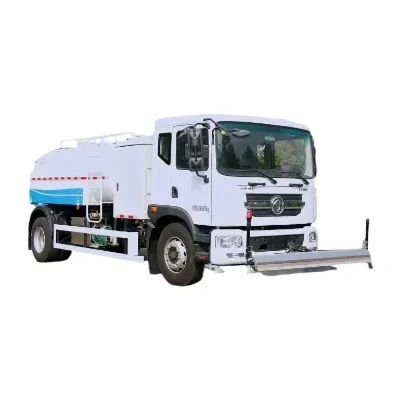
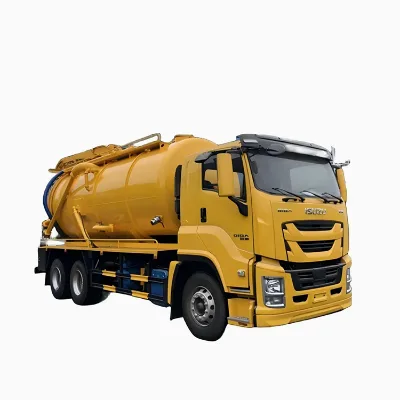
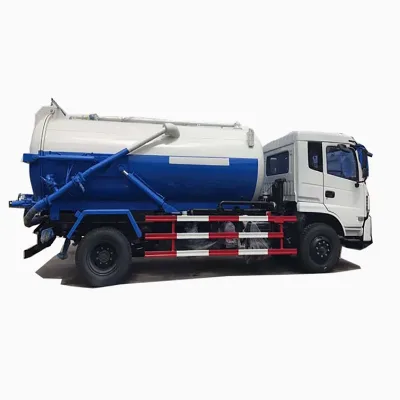


HOWO 4X2 LHD Rhd 10cbm 12cbm High Pressure Sewage Suction Truck Vacuum Cleaning Truck
$12800.00 - $18800.00
MOQ: 1 Pieces


High Quality LHD Rhd Road Washer Sweeper Truck Street Cleaning Sweeper Truck for Hot Selling
$9999.00 - $39999.00
MOQ: 1 UNIT


Multi-Functional Foton 4X2 LHD Rhd 6cbm Road Cleaning Sweeper Trucks
$25500.00 - $28000.00
MOQ: 1 units

HOWO 6cbm Sewer Suction Cleaning Truck 6000L Septic Tank Vacuum Sewage Truck
$22000.00 - $25000.00
MOQ: 1 units

Low Price Road Sweeper Truck 5cbm Dongfeng Sweeper Truck with Water Sprinkler
$24500.00 - $25500.00
MOQ: 1 units


Comprehensive Sourcing Guide
Strategic Sourcing Guide for LHD and RHD Sewer Cleaning Trucks
Understanding Technical Specifications and Configuration Variations
When sourcing a Left-Hand Drive (LHD) and Right-Hand Drive (RHD) sewer cleaning truck, buyers must first navigate a complex landscape of technical specifications that vary significantly between models. The core functionality of these vehicles relies on a robust chassis paired with specialized suction and cleaning systems. Based on available market data, the transmission types observed range from automatic to manual configurations, requiring buyers to align their selection with local driver training standards and operational preferences. For instance, specific models in the current supply pool are identified as having automatic transmissions, while others are equipped with manual gearboxes, directly influencing the driving experience and maintenance requirements.
The physical dimensions and weight capacities are critical factors that dictate where these trucks can operate. Observed specifications reveal a wide variance in wheelbase lengths, with some units featuring a 4700mm wheelbase suitable for heavy-duty hauling, while others operate with a 3308mm or 3000mm wheelbase for enhanced maneuverability in urban environments. The gross weight of these vehicles can range from approximately 4495kg to 18000kg, with corresponding curb weights that affect fuel efficiency and road tax liabilities. Tire specifications also differ, with options ranging from 7.00r16 for lighter models to 10.00r20 for heavier, high-capacity units.
The drive type is a primary differentiator for international procurement. Buyers must explicitly verify whether a unit is configured for LHD or RHD operation, as this is often dictated by the destination country's traffic laws. The supply data indicates that drive types are available as LHD/Rhd, ensuring flexibility for global markets. Furthermore, the fuel type is predominantly diesel, with maximum driving speeds observed around 90km/H for certain models. The tank material is typically carbon steel, chosen for its durability against the corrosive nature of sewage, and the volume capacity can vary, with some models offering volumes between 6001 and 10000 liters.
Compliance, Certification, and Emission Standards
Navigating the regulatory landscape is perhaps the most critical step in sourcing these specialized vehicles. Buyers must ensure that any supplier provides verifiable documentation regarding certifications and emission standards. The observed product attributes include a range of certifications such as ISOCCC, TSEPA, EEC, RoHS, and CE. These marks indicate compliance with various international safety and environmental protocols, though the specific applicability of each certification depends on the target market's regulations. For example, the EEC certification is essential for European markets, while ISOCCC and RoHS are widely recognized for environmental and safety compliance globally.
Emission standards are another non-negotiable aspect of procurement. The data indicates that many units adhere to Euro emission standards, which is a common requirement for urban sanitation vehicles to minimize environmental impact. However, buyers must verify the exact Euro standard (e.g., Euro 4, Euro 5, or Euro 6) applicable to the specific model, as this can vary by manufacturer and production year. The "Euro Fuel:Diesel" notation suggests the fuel type but does not explicitly confirm the emission tier without further supplier confirmation. Additionally, some listings reference ISO9000 as a background standard, which implies a quality management system, though this should be treated as a general indicator rather than a specific product certification.
Cost Drivers and Pricing Structures
The pricing of LHD and RHD sewer cleaning trucks is influenced by a multitude of factors, including chassis capacity, tank volume, and the complexity of the cleaning system. The observed price range in the market spans from approximately 9,999 USD to 55,900 USD. This significant variance reflects differences in gross weight, payload capacity, and engine horsepower. For instance, models with a payload of 30 tons and horsepower ranging from 251 to 350 hp will naturally command a higher price point compared to smaller units with a 20-ton payload or lower horsepower ratings.
Other cost drivers include the customization options available. The product attributes indicate that customization is available, which can include color requests, specific tank modifications, or specialized cleaning attachments. Customization typically adds to the base cost and may extend the lead time. The packing method is another variable; while some units are shipped in bulk or nude, others may require specialized packaging to protect the sensitive cleaning mechanisms during transit. Buyers should also consider the total cost of ownership, which includes fuel consumption, maintenance costs, and the availability of spare parts, rather than focusing solely on the initial purchase price.
Typical Applications and Operational Use Cases
Sewer cleaning trucks are designed for a variety of municipal and industrial applications, primarily focusing on the suction and cleaning of sewage systems. The functional description of these vehicles often includes "Suction Sewage and Cleaning," indicating their primary role in maintaining public infrastructure. The usage type is frequently identified as "Compression Type," which suggests that the trucks are equipped to compress waste for efficient transport and disposal. This is particularly relevant for urban areas where space is limited, and frequent trips to disposal sites are necessary.
The payload capacity directly correlates with the scale of the application. Heavy-duty models with a 30-ton payload are suitable for large-scale municipal projects, such as cleaning main sewer lines or handling industrial waste from factories. In contrast, lighter models with a 20-ton payload or smaller volumes are better suited for residential areas or smaller commercial districts where maneuverability is more important than sheer capacity. The drive wheel configuration, such as 6x4 or 6x2, also influences the terrain capabilities, making certain models more appropriate for rough roads or construction sites.
Supplier Evaluation and Origin Verification
When evaluating potential suppliers, buyers should prioritize transparency regarding the origin of the vehicles. The supply data points to specific origins, such as Suizhou in Hubei Province, China, and general references to China as the country of origin. Suizhou is a known hub for special purpose vehicles, and sourcing from this region may offer advantages in terms of supply chain maturity and component availability. However, buyers must verify the specific manufacturing location of the unit they intend to purchase to ensure it aligns with their quality expectations.
Supplier evaluation should also focus on the consistency of product attributes. For example, the "prod_packing" attribute varies between "Other," "Nude," and "Bulk," which indicates that different suppliers or even different models from the same supplier may have varying packaging standards. Buyers should request detailed packing lists and photos to ensure the equipment will arrive in good condition. Additionally, the "Condition" of the vehicles is listed as "New," but buyers should confirm the production date and any warranty terms to avoid receiving refurbished units mislabeled as new.
Quality Control and Maintenance Considerations
Quality control is paramount when dealing with heavy machinery that operates in harsh environments. The cleaning process for these trucks is specified as "Cold Water Cleaning," which is a standard maintenance procedure to ensure the internal mechanisms remain free of debris and corrosion. Buyers should verify that the supplier provides a comprehensive maintenance manual that details this process and other routine checks. The tire specifications, such as 7.00r16 or 10.00r20, should be matched with the recommended maintenance schedule to prevent premature wear.
The material of the tank, typically carbon steel, requires specific attention to prevent rust and leaks. Buyers should inquire about the thickness of the steel and any internal coatings applied to enhance durability. Furthermore, the emission standard compliance must be verified through official documentation, as non-compliant vehicles may face legal restrictions in certain jurisdictions. Regular inspections of the suction and cleaning systems are essential to maintain operational efficiency, and buyers should ensure that the supplier offers after-sales support and spare parts availability.
Long-Term Procurement and Strategic Planning
Long-term procurement strategies for LHD and RHD sewer cleaning trucks should focus on scalability and adaptability. As municipal needs evolve, the ability to customize the vehicle for specific tasks becomes increasingly valuable. The availability of customization options allows buyers to tailor the truck to future requirements, such as upgrading the tank volume or modifying the cleaning attachments. Additionally, the choice of transmission type (automatic vs. manual) should be considered in the context of long-term driver availability and training costs.
Buyers should also plan for the lifecycle of the vehicle. With gross weights ranging up to 18,000kg and horsepower up to 350hp, these trucks are built for longevity, but regular maintenance is crucial. Establishing a relationship with a supplier that offers reliable after-sales service and genuine spare parts is essential for minimizing downtime. Finally, buyers should monitor changes in emission standards and certification requirements to ensure that their fleet remains compliant with evolving environmental regulations. By taking a strategic approach to procurement, buyers can secure a fleet of sewer cleaning trucks that meets current needs while remaining adaptable to future challenges.
FAQs
What certifications do these trucks have?
The trucks carry ISOCCC, TSEPA, EEC, RoHS, and CE certifications. These marks indicate compliance with international safety and environmental protocols, though specific applicability depends on the target market regulations.
Can I customize the color and features?
Yes, customization is available for color and specific tank modifications. Buyers can request customized colors, but this typically adds to the base cost and may extend the lead time for production.
What is the maximum driving speed?
The maximum driving speed is 90km/H for certain models. This speed is observed in specific units, while other heavy-duty models may have different operational limits based on their chassis and engine configuration.
Where are these trucks manufactured?
These trucks originate from Suizhou, Hubei Province, China, or general Chinese locations. Suizhou is a known hub for special purpose vehicles, offering advantages in supply chain maturity and component availability.
What is the price range for these vehicles?
The observed price range spans from 9,999 USD to 55,900 USD. This variance reflects differences in gross weight, payload capacity, and engine horsepower between the available models.
Which transmission types are available?
Both automatic and manual transmission types are available in the supply pool. Buyers must align their selection with local driver training standards and operational preferences when choosing between these configurations.