Source LHD Electric Car for Taxi, shuttle, and golf transport
Compare 30 LHD Electric Car for Taxi options with varied voltages, speeds, and battery types from Chinese manufacturers. Review specifications for closed-body designs and customized features suitable for urban transit and venue transport.
Key considerations
Products List


$1700.00 - $1800.00
MOQ: 1 Pieces


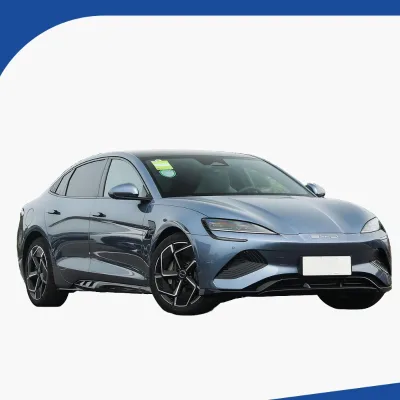
Cheapest Energy Adult Electric Car RHD LHD 2023 EV Price New Seal Electric Car
$21900.00 - $24830.00
MOQ: 1 sets



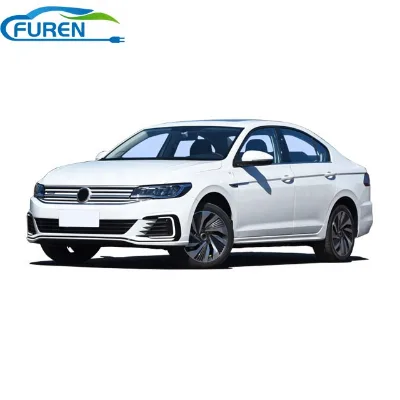
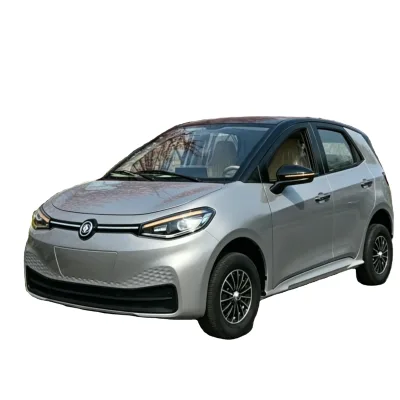
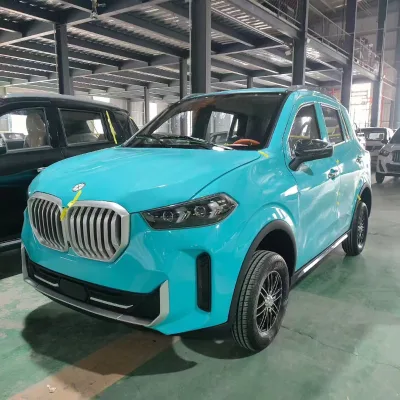
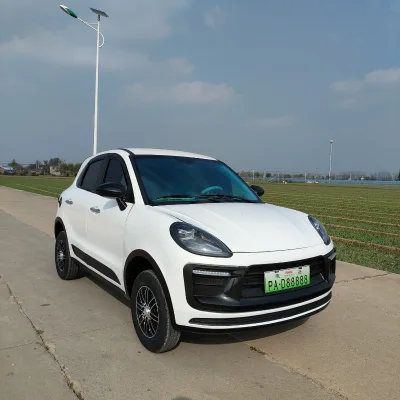
Comprehensive Sourcing Guide
Strategic Sourcing Guide for Left-Hand Drive Electric Taxi Vehicles
Defining the Technical Scope for LHD Electric Taxi Operations
When sourcing a left-hand drive (LHD) electric car specifically for taxi operations, the primary technical focus must shift from general passenger utility to high-cycle durability, passenger capacity, and regulatory compliance. The market for these vehicles is not monolithic; it ranges from compact urban shuttles to larger, closed-body transport units designed for higher speeds and longer ranges. Based on current product attributes observed in the supply chain, buyers must distinguish between vehicles designed for general passenger use and those optimized for specific commercial applications like golf courses or specialized transport.
A critical technical differentiator is the voltage architecture. In the current supply landscape, LHD electric vehicles are available with varying battery voltages, including 48V, 60V, and 72V configurations. For taxi applications, which demand consistent power delivery under frequent stop-and-go traffic, higher voltage systems such as 72V often provide superior torque and efficiency compared to lower voltage alternatives. Furthermore, the power output is a vital metric. Units with power ratings exceeding 800W are common, with some commercial-grade models offering engine power up to 1200W. This power level is essential for maintaining speed on inclines and ensuring rapid acceleration when picking up passengers.
The physical configuration of the vehicle also dictates its suitability for taxi services. The "Body Type" is a fundamental specification; for a taxi, a "Closed" body type is generally preferred to protect passengers from weather and road debris, offering a more professional appearance than open-frame buggies. While some models are categorized as "Buggy/Golf Carts" with a maximum speed of 20-30 km/h, these are typically unsuitable for standard urban taxi routes where higher speeds are required. Instead, buyers should look for models with a maximum speed capability of 30 km/h or higher, ensuring they meet local traffic flow requirements. The steering configuration must be explicitly verified as LHD to match the driver's side requirements of the target market, a standard feature in many Chinese-manufactured units.
Compliance and Certification Verification Protocols
Navigating the regulatory landscape for electric taxis requires rigorous verification of certifications and standards. Unlike consumer electronics, where certifications might be secondary, commercial fleet vehicles must adhere to strict safety and environmental standards to operate legally. The supply chain data indicates a prevalence of specific certifications, including CCC (China Compulsory Certification), CE (Conformité Européenne), EEC (European Economic Community), and ISO standards.
For a buyer sourcing an LHD electric car, the presence of the CCC mark is a strong indicator of compliance with Chinese domestic safety standards, which often serve as a baseline for manufacturing quality. However, if the vehicle is intended for export or operation in regions requiring international recognition, the CE and EEC certifications become non-negotiable. These marks suggest that the vehicle has undergone testing for electromagnetic compatibility, safety, and environmental impact. It is crucial to note that while some listings mention "CE" as a background attribute, the high-confidence facts confirm that specific models carry both CE and CCC, or EEC and CCC. Buyers must request the actual certification documents for the specific model number, such as the JT03, D90, or MINCAR model C, rather than relying on general claims.
Beyond certifications, the product standards themselves provide a blueprint for construction quality. Observed standards include specific dimensional codes like 3027-1517-1620 and 3550-1540-1520, which likely refer to chassis or body dimensions. For a taxi, the physical dimensions must align with local parking regulations and passenger capacity laws. Additionally, the "Gradeability" of the vehicle, observed in the range of 20-30%, is a critical safety metric. A taxi operating in hilly terrain must be able to climb these gradients without stalling or overheating. Buyers should verify that the specific unit they are purchasing meets or exceeds the gradeability requirements of their operating region.
Cost Drivers and Pricing Structure Analysis
Understanding the cost structure of LHD electric taxis is essential for budgeting and total cost of ownership (TCO) calculations. The observed price range for these vehicles spans from $1,700 to $49,800 USD, a significant variance that reflects differences in battery technology, vehicle size, and feature sets. The lower end of this spectrum typically corresponds to basic, open-frame or small-bodied units with lower voltage batteries and limited range, suitable for short-distance, low-speed applications. The upper end represents fully enclosed, high-performance vehicles with advanced safety features, larger batteries, and higher speed capabilities.
Several factors drive these price differences. The battery type is a primary cost driver. While some models utilize Lead-Acid batteries, which are more affordable upfront but have a shorter lifespan and lower energy density, others may incorporate advanced battery technologies that justify a higher price point. The "Driving Range" is another critical variable; models offering a range of 200km to 300km command a premium over those with 100km ranges, as they reduce the frequency of charging and increase operational uptime.
The "Charging Time" also influences the operational cost profile. Units with a charging time of 8-10 hours are standard, but the availability of "Home Charging/ Fast Charging" options can significantly reduce downtime, adding value to the vehicle. Additionally, the "Product Packing" method, ranging from "Steel Frame" to "Iron Frame Package" or "Nude Packing," affects shipping costs and the condition of the vehicle upon arrival. Buyers must factor in the cost of importing, which varies based on the packing method and the origin location, whether it be Guangzhou, Fujian, or other regions in China.
Typical Applications and Operational Use Cases
The versatility of LHD electric vehicles allows them to serve a variety of applications, though not all are suitable for traditional taxi services. The market data highlights several distinct use cases. One prominent category is the "Golf Course" application, where vehicles are designed to be suitable for specific terrain and low-speed environments. These units often feature a "Buggy/Golf Carts" body type and are optimized for passenger comfort over speed.
However, for general taxi operations, the "Passenger" usage category is the most relevant. These vehicles are designed with "Adult" driving types and seating configurations that prioritize safety and comfort. The "Braking Method" is a key differentiator here; hydraulic disc brakes are standard in higher-end models, providing superior stopping power compared to mechanical brakes, which is essential for the frequent stopping required in taxi service.
Another emerging application is the use of these vehicles in controlled environments or specific zones where low-speed, high-efficiency transport is required. The "Type: BEV" (Battery Electric Vehicle) designation confirms the zero-emission nature of these units, making them ideal for cities with strict environmental regulations. The "Airbags" feature, with some models offering two airbags, and the "ABS+EBD" (Anti-lock Braking System + Electronic Brakeforce Distribution) being standard in certain models, elevates the safety profile of these vehicles, making them viable for commercial passenger transport where liability and safety are paramount.
Supplier Evaluation and Origin Verification
When evaluating potential suppliers for LHD electric taxis, the origin of the product is a critical data point. The supply chain is heavily concentrated in China, with specific manufacturing hubs identified in Guangzhou and Fujian. These regions have established ecosystems for electric vehicle production, offering a range of capabilities from basic assembly to advanced battery integration.
Buyers should verify the specific "Product Origin" listed for each supplier. While "China" is a general origin, more specific locations like "Guangzhou, China" or "Fujian, China" indicate a level of supply chain transparency. The "Customization" attribute being "Available" is a significant advantage for fleet operators who may need to brand vehicles or modify them for specific taxi requirements. This flexibility allows for tailoring the vehicle to local regulations or branding needs.
The "Minimum Order Quantity" (MOQ) is another factor in supplier evaluation. The observed MOQ range of 1 to 24 units suggests that suppliers are flexible, catering to both small fleet operators and larger logistics companies. This flexibility can be leveraged during negotiations to secure better pricing or terms. However, buyers must be cautious of suppliers who offer low MOQs but lack the capacity for consistent quality control or after-sales support.
Quality Control and Long-Term Procurement Considerations
Ensuring the long-term viability of an LHD electric taxi fleet requires a robust quality control strategy. The "Wheel Distance" specification, observed as greater than 1110mm, is a key indicator of vehicle stability. A wider wheelbase generally contributes to better handling and safety, which is crucial for a vehicle that will be driven frequently by different operators.
The "Drive Mode" is another specification to verify. While "Rwd" (Rear Wheel Drive) is observed in some models, the suitability of this drive mode for taxi operations depends on the local road conditions and climate. In regions with heavy rain or snow, all-wheel drive or front-wheel drive might be preferable, though the current data highlights Rwd as a common configuration.
Long-term procurement considerations must include the "Range" and "Charging Time" of the vehicle. A vehicle with a 100km range may require multiple charging cycles per day in a high-utilization taxi environment, whereas a 200km or 300km range vehicle can operate for longer periods without interruption. The "Charging Time" of 8-10 hours suggests that overnight charging is the primary strategy, but the availability of fast charging options can mitigate downtime.
Finally, the "Color" options, ranging from standard "Yellow" to "Customized," offer branding opportunities for taxi companies. However, buyers should ensure that the customization process does not compromise the structural integrity or safety certifications of the vehicle. The "Product Packing" method, whether "Steel Frame Covered by Carton" or "Iron Frame Package," also plays a role in long-term maintenance, as proper packaging ensures the vehicle arrives in pristine condition, reducing the need for immediate repairs.
Summary of Key Specifications for Comparison
To facilitate decision-making, the following table summarizes the key technical specifications observed in the supply chain for LHD electric vehicles suitable for taxi operations.
| Specification | Observed Range/Value | Relevance to Taxi Operations |
|---|---|---|
| Voltage | 48V, 60V, 72V | Higher voltage (72V) preferred for torque and efficiency. |
| Power | >800W, up to 1200W | Essential for acceleration and hill climbing. |
| Body Type | Closed, Buggy/Golf Carts | Closed body preferred for passenger protection. |
| Max Speed | 20-30 km/h, 30 km/h | Must meet local traffic flow requirements. |
| Range | 100km, 200km, 300km | Higher range reduces charging frequency. |
| Charging Time | 8-10 Hours | Determines operational downtime. |
| Braking | Hydraulic Disc Brake | Superior stopping power for safety. |
| Safety Features | Airbags (2), ABS+EBD | Critical for commercial liability and safety. |
| Certification | CCC, CE, EEC, ISO | Mandatory for legal operation and export. |
| Origin | China (Guangzhou, Fujian) | Indicates manufacturing hub and supply chain. |
By systematically evaluating these specifications and adhering to the compliance and quality control protocols outlined, buyers can effectively source LHD electric cars that meet the rigorous demands of taxi operations while ensuring long-term reliability and regulatory compliance.
FAQs
What certifications are required for LHD electric taxis?
High-confidence facts confirm that models often carry CCC, CE, and EEC certifications. Buyers must verify specific documents for models like JT03 or D90 rather than relying on general claims to ensure regulatory compliance.
Which battery voltage is best for taxi operations?
Vehicles are available with 48V, 60V, and 72V configurations. Higher voltage systems like 72V often provide superior torque and efficiency for frequent stop-and-go traffic compared to lower voltage alternatives.
How does the body type affect taxi suitability?
A closed body type is generally preferred to protect passengers from weather and offer a professional appearance. Open-frame buggies are typically unsuitable for standard urban taxi routes where higher speeds are required.
Can I find LHD electric taxis with fast charging?
Some models support home charging and fast charging options. While standard charging times are 8-10 hours, fast charging availability can significantly reduce downtime for high-utilization taxi fleets.
What is the price range for these electric vehicles?
The observed price range spans from 1700 to 49800 USD. The variance reflects differences in battery technology, vehicle size, and feature sets like range and safety equipment.
Which suppliers offer customization for taxi branding?
Customization is available for fleet operators needing specific branding or modifications. Buyers should verify that the customization process does not compromise the structural integrity or safety certifications of the vehicle.