Source 17 Key Kalimba Thumb Piano for gifts, education, and music
Compare 30 listings for the 17 Key Kalimba Thumb Piano from manufacturers in China. Buyers can evaluate materials like mahogany, sizes, and pricing to find suitable options for gifts, education, and music.
Key considerations
Products List
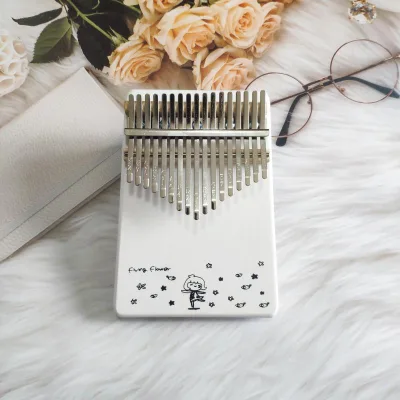
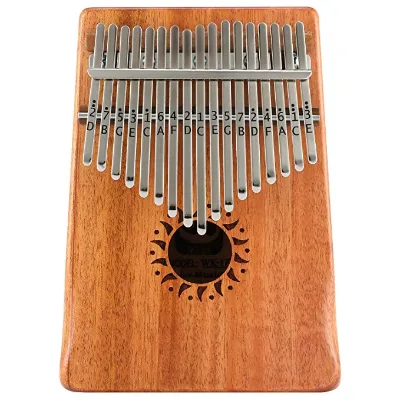
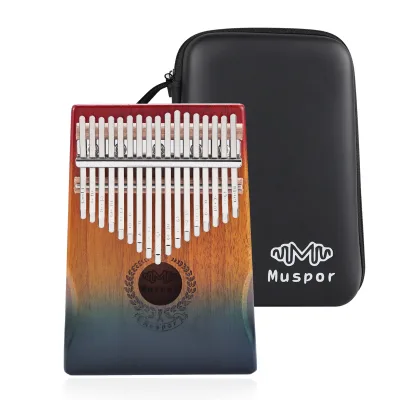
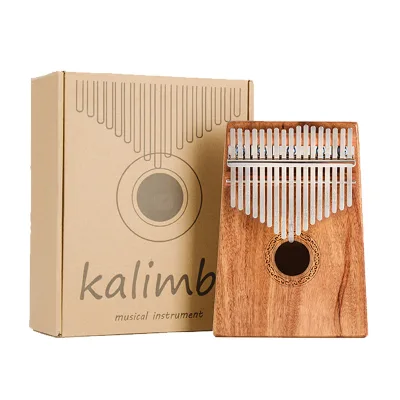
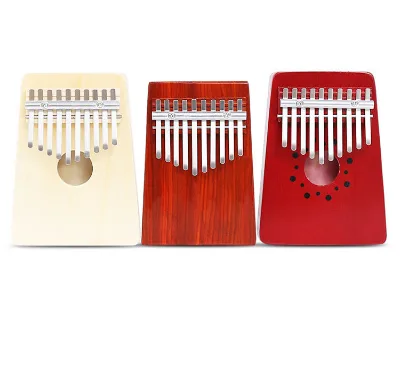
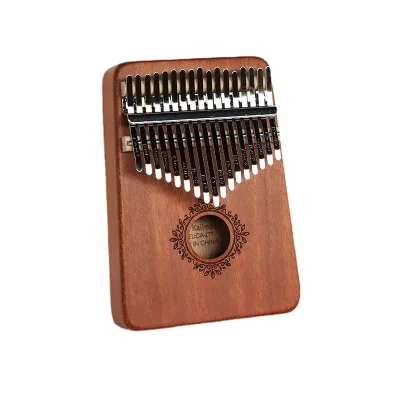
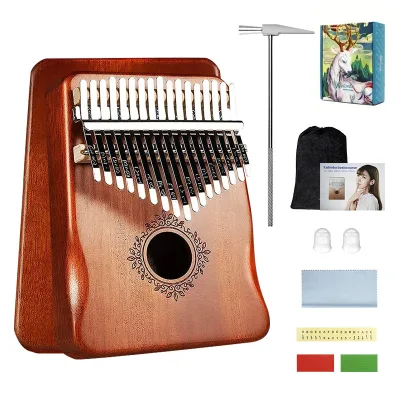
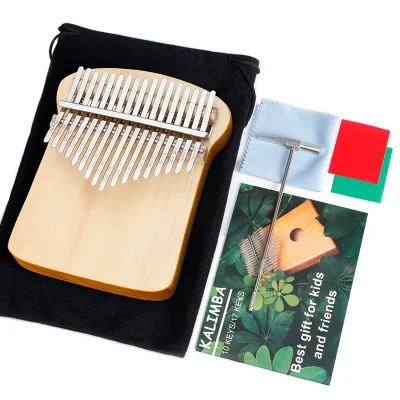
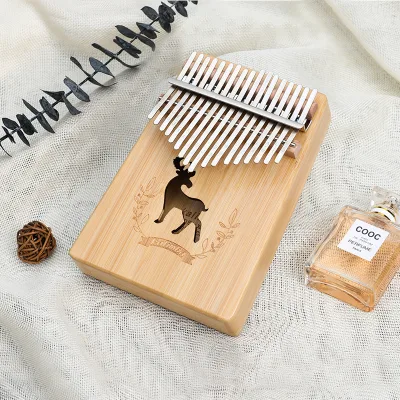
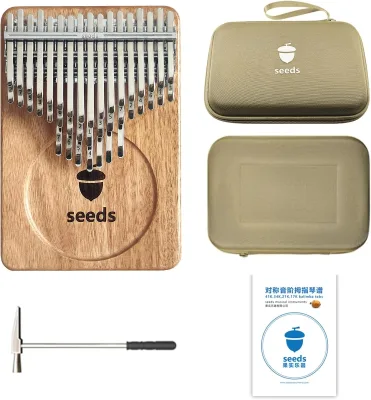
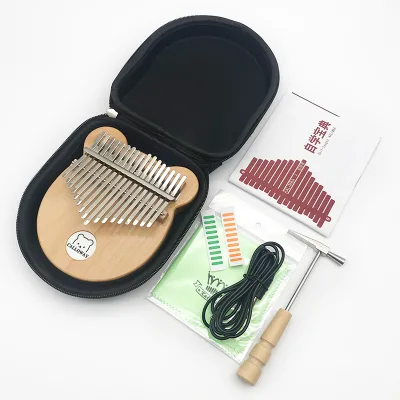
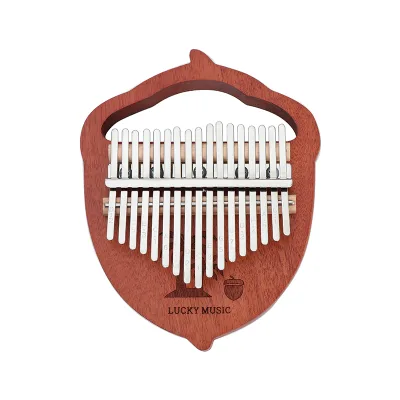

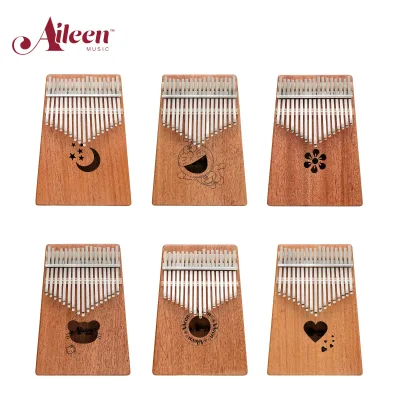
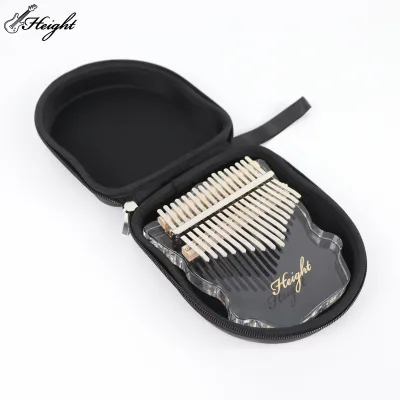
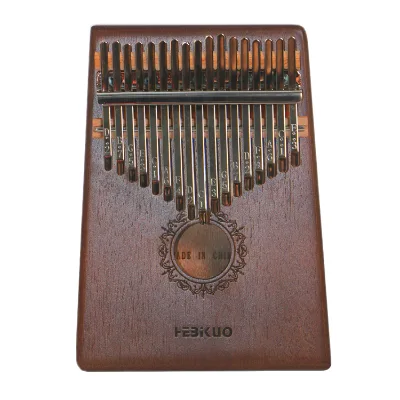
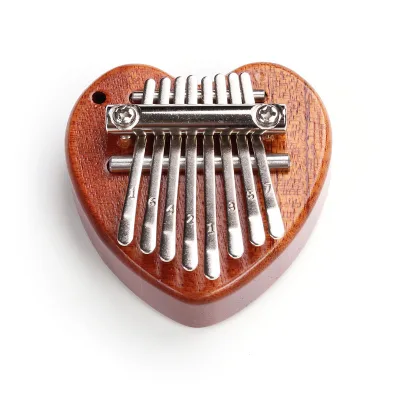


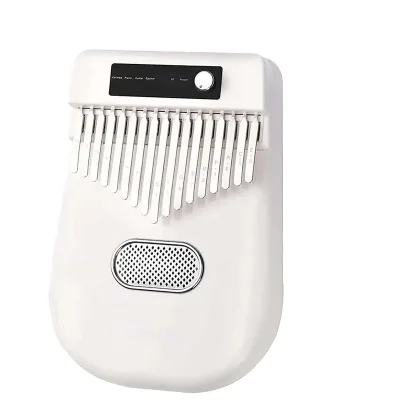
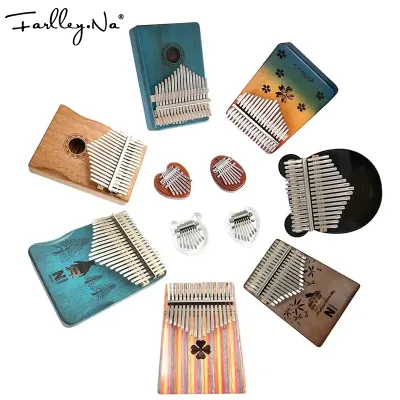


Thumb Piano Set 17 Keys Kalimba with Bag, Tune Hammer, Tune Sticker and Manual (KLB07-17)
$14.00 - $17.00
MOQ: 10 Pieces
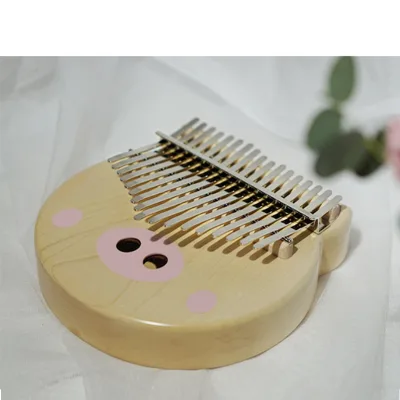
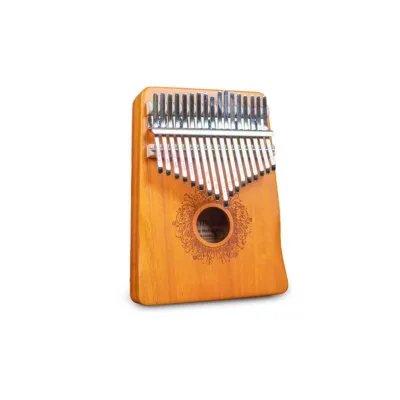
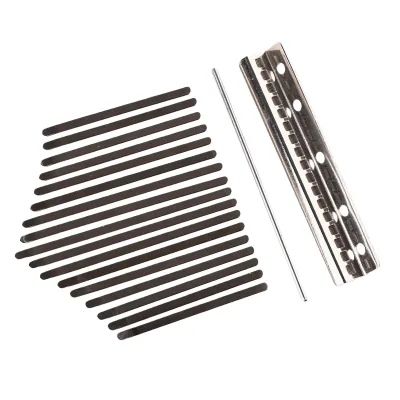
Comprehensive Sourcing Guide
Strategic Sourcing Guide for 17-Key Kalimba Thumb Pianos
The global market for musical instruments has seen a significant surge in demand for portable, accessible, and cost-effective stringed instruments, with the 17-key kalimba thumb piano emerging as a standout category. For B2B procurement professionals, sourcing these instruments requires a nuanced understanding of material composition, manufacturing origins, and the specific logistical variables that define the supply chain. This guide synthesizes available product data to provide a disciplined framework for evaluating suppliers and defining procurement specifications for 17-key kalimba models. The focus remains on evidence-based attributes observed in current market listings, ensuring that procurement decisions are grounded in verifiable facts rather than speculative claims.
Technical Specifications and Material Composition
The technical definition of a 17-key kalimba is rooted in its physical dimensions, material construction, and acoustic design. Based on observed product attributes, the core instrument is characterized by a specific key count, which directly influences the tonal range and playability. The "17-key" designation is a critical specification, often correlated with a standard tuning system that allows for a broad musical repertoire. In terms of physical construction, the drum chamber material is predominantly wood, a factor that significantly impacts resonance and durability. Specific listings indicate the use of mahogany wood and sapele/maple combinations, suggesting that buyers must verify the exact wood species for each order, as these materials offer distinct acoustic properties and aesthetic finishes.
Dimensions are another vital technical parameter. Observed data points to single package sizes ranging from 20x16x7 cm to 40x22x17 cm, with specific model dimensions listed as 20x16x6.5 cm or 18x13.5x3 cm. These variations suggest that the market offers different form factors, potentially distinguishing between compact travel models and standard performance units. The weight of individual units is also a key specification for logistics planning, with observed single gross weights ranging from 0.600 kg to 0.800 kg. When evaluating a potential supplier, procurement teams should request the exact single package size and gross weight for the specific model number (e.g., A6025 or A-KLB40(B)) to ensure accurate freight cost calculations and warehouse space allocation.
| Attribute Category | Observed Specification Range | Critical Verification Point |
|---|---|---|
| Material | Mahogany wood, Sapele/maple, Other | Verify wood species for acoustic consistency |
| Dimensions | 18x13.5x3 cm to 40x22x17 cm | Confirm exact model dimensions for packaging |
| Weight | 0.600 kg to 0.800 kg per unit | Validate gross weight for shipping quotes |
| Key Count | 17 Keys | Ensure alignment with musical requirements |
| Technique | Carved | Inspect finish quality and key alignment |
Compliance, Certification, and Regulatory Standards
Navigating the regulatory landscape for musical instruments involves understanding both general trade compliance and specific material regulations. The Harmonized System (HS) code provided in the data is 4419909090, which categorizes the product under wooden tableware and kitchenware, or potentially wooden musical instruments depending on specific national interpretations. Buyers must verify this classification with their local customs authorities, as misclassification can lead to duty discrepancies. Furthermore, the "Place of Origin" data indicates manufacturing primarily in Zhejiang, Jiangsu, and Guangdong provinces in China. This geographic concentration implies a mature supply chain but also necessitates rigorous due diligence regarding labor standards and environmental compliance in these specific regions.
While the provided data does not list specific third-party certifications (such as FSC for wood or ISO 9001 for quality management), the absence of such data in public listings does not confirm their existence. Procurement professionals must explicitly request certification documentation from suppliers. For wooden instruments, compliance with formaldehyde emission standards (such as CARB Phase 2 or E1/E0 standards) is critical, especially if the product is destined for markets with strict environmental regulations. Additionally, since the product is often marketed as a gift or for educational use, safety standards regarding small parts and finish toxicity should be verified. Buyers should not assume compliance based on the product name or generic category; instead, they must demand test reports from accredited laboratories that validate the safety of the wood finishes and metal tines used in the 17-key configuration.
Cost Drivers and Pricing Dynamics
The pricing structure for 17-key kalimbas is influenced by a complex interplay of material costs, labor intensity, and order volume. The observed listed price range in the market spans from $1.08 to $61.14 USD. This wide disparity suggests that the market is segmented by quality tiers, ranging from basic, mass-produced units to premium, hand-carved instruments made from high-grade mahogany or sapele. The lower end of the price spectrum likely corresponds to instruments with standard finishes and automated manufacturing processes, while the higher end reflects the "Carved" technique and the use of premium wood species.
A significant cost driver is the Minimum Order Quantity (MOQ). The data reveals a wide range of MOQs, from as low as 5 pieces to as high as 200 pieces, with specific listings citing 100 pcs or 20 pcs as standard thresholds. This variability allows buyers to tailor their procurement strategy based on their inventory needs and cash flow. However, the relationship between price and volume is not always linear. Suppliers with lower MOQs (e.g., 5 or 20 pcs) may charge a premium per unit due to the administrative overhead of handling small batches. Conversely, suppliers requiring an MOQ of 100 or 200 pcs may offer more competitive unit pricing but require a larger upfront capital commitment. Buyers must calculate the total landed cost, including the unit price, shipping, duties, and potential warehousing fees, to determine the true cost efficiency of a specific supplier.
Typical Applications and Market Segmentation
The 17-key kalimba thumb piano serves diverse applications across various market segments. The primary usage identified in the data is as a "Gift," indicating a strong consumer market for personal presents, holiday items, and novelty gifts. This positioning suggests that packaging and aesthetic appeal are as important as the acoustic performance of the instrument. The "Theme: Music" and "Product Type: music Instrument" attributes further confirm its role in the educational and recreational sectors. Schools, music therapy centers, and hobbyist groups are likely target audiences, given the instrument's portability and ease of play.
The "Service: wholesale/OEM" attribute highlights the B2B nature of the market, where suppliers are equipped to handle bulk orders for retailers, distributors, and private label brands. The availability of "OEM" and "customized logo" services allows buyers to create branded products that differentiate them in a crowded marketplace. This is particularly relevant for companies looking to enter the musical instrument sector without developing their own manufacturing capabilities. The "Selling Units: Single item" designation suggests that while the primary business model is wholesale, the product is also suitable for drop-shipping or direct-to-consumer e-commerce models where individual units are sold. Understanding these applications helps buyers align their procurement strategy with their specific sales channels, whether they are targeting bulk institutional buyers or individual consumers.
Supplier Evaluation and Operational Capabilities
Evaluating suppliers for 17-key kalimbas requires a deep dive into their operational capabilities and supply chain reliability. The data indicates a supply ability of 5000 pieces per month for specific models, which provides a baseline for production capacity. However, buyers must verify if this capacity is consistent year-round or subject to seasonal fluctuations. The "Place of Origin" data points to three distinct provinces: Zhejiang, Jiangsu, and Guangdong. Each region may have different strengths; for instance, Guangdong is often associated with high-volume electronics and manufacturing, while Zhejiang and Jiangsu have strong woodworking traditions. Buyers should assess the supplier's location to understand the local labor market, infrastructure, and potential logistical bottlenecks.
The "Packing" and "Packaging Details" are critical for product protection. Observed data mentions "Paper Box" packaging and individual bagging for each unit. For a fragile instrument like a kalimba, the integrity of the packaging is paramount to prevent damage during transit. Buyers should request samples of the packaging to evaluate its durability and whether it meets the requirements for international shipping. Additionally, the "Logo: OEM" and "Logo: customized logo" attributes indicate that suppliers are willing to accommodate branding requests. Procurement teams should clarify the lead time for custom branding, the minimum quantity required for logo customization, and the quality of the printing or engraving process.
Quality Control and Long-Term Procurement Considerations
Maintaining product quality is essential for long-term success in the musical instrument market. The "Technique: Carved" attribute suggests a level of craftsmanship that requires regular quality control checks. Buyers should implement a rigorous inspection protocol that focuses on the alignment of the 17 keys, the smoothness of the wood finish, and the stability of the tines. Variations in wood density can affect the tone, so batch-to-batch consistency is a key metric. The "Single gross weight" variance (0.600 kg to 0.800 kg) also serves as a proxy for quality; significant deviations from the expected weight may indicate the use of inferior materials or inconsistent manufacturing processes.
For long-term procurement, building a resilient supply chain is crucial. The "MOQ" flexibility observed in the market (ranging from 5 to 200 pcs) offers opportunities for buyers to start with small test orders before committing to larger volumes. This approach mitigates risk and allows for the evaluation of supplier performance over time. Buyers should also consider the "Service: wholesale/OEM" aspect as a potential partnership opportunity, where the supplier acts as an extension of the buyer's business. Establishing clear communication channels, agreeing on quality standards, and defining dispute resolution mechanisms are essential steps in this process. Finally, buyers should monitor the "Place of Origin" for any geopolitical or logistical changes that could impact the supply chain, ensuring that they have contingency plans in place to maintain product availability.
In conclusion, sourcing 17-key kalimba thumb pianos requires a balanced approach that combines technical verification, regulatory compliance, and strategic supplier selection. By leveraging the observed data on materials, dimensions, and pricing, buyers can make informed decisions that align with their business objectives. The key to success lies in rigorous due diligence, clear communication of specifications, and a commitment to maintaining high quality standards throughout the procurement lifecycle.
FAQs
What materials are used for 17 Key Kalimba Thumb Piano drums?
The drum chamber material is predominantly wood, with specific listings indicating mahogany wood or sapele/maple combinations. Buyers must verify the exact wood species for each order as these materials offer distinct acoustic properties and aesthetic finishes.
How much does a 17 Key Kalimba Thumb Piano cost?
The listed price range spans from 1.08 to 61.14 USD depending on quality and features. The lower end corresponds to mass-produced units while the higher end reflects hand-carved instruments made from premium wood species.
Which minimum order quantity applies to 17 Key Kalimba Thumb Piano?
The minimum order quantity ranges from 5 to 200 pieces across different suppliers. Specific listings cite thresholds of 100 pcs or 20 pcs, allowing buyers to tailor procurement strategies based on inventory needs and cash flow.
Can I get a customized logo on 17 Key Kalimba Thumb Piano?
Yes, suppliers offer OEM services with customized logo options available for branding. Procurement teams should clarify the lead time for custom branding and the minimum quantity required for logo customization before placing an order.
Where are 17 Key Kalimba Thumb Piano manufacturers located?
Manufacturing primarily occurs in Zhejiang, Jiangsu, and Guangdong provinces in China. This geographic concentration implies a mature supply chain but necessitates due diligence regarding labor standards and environmental compliance in these specific regions.
What is the single package size for 17 Key Kalimba Thumb Piano?
Single package sizes vary from 20x16x7 cm to 40x22x17 cm depending on the model. Buyers should confirm exact dimensions for specific model numbers to ensure accurate freight cost calculations and warehouse space allocation.