Source Light Up Flexible Race Track for parks, events, and commercial venues
Explore 30 listings for the Light Up Flexible Race Track designed for outdoor parks, indoor commercial venues, and adventure parks. Buyers can compare specifications such as shock absorption rates, material types, and customization options to find suitable suppliers.
Key considerations
Products List


Premium Quality Synthetic PU Running Track Hybrid Running Track for The Track and Race Runway
$19.00 - $23.00
MOQ: 1000 Square Meters

Racetrack PU Running Track for The Track and Field Training Ground
$19.00 - $23.00
MOQ: 1000 Square Meters

$19.00 - $23.00
MOQ: 1000 Square Meters

Reliable Quality No Bubbling or Hollowing Playground Track for Fitness
$19.00 - $25.00
MOQ: 1000 Square Meters

Best Seller Good Leveling Properties Racetrack Full PU Running Track
$19.00 - $25.00
MOQ: 1000 Square Meters
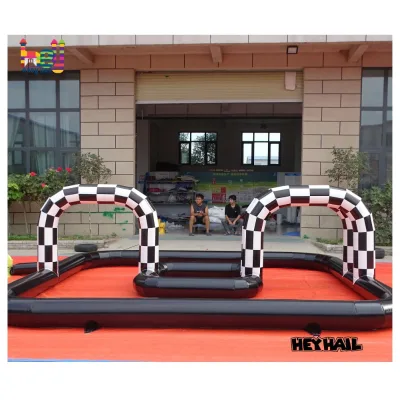
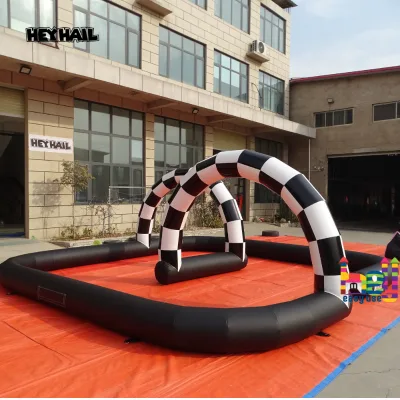
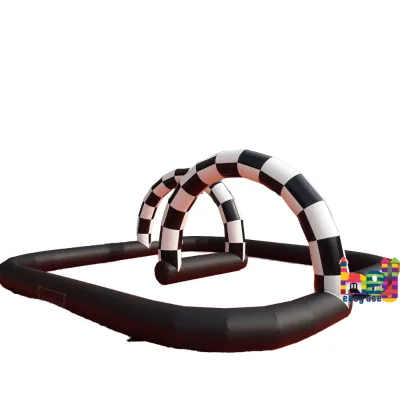
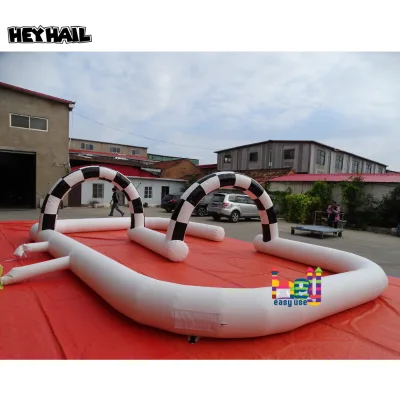
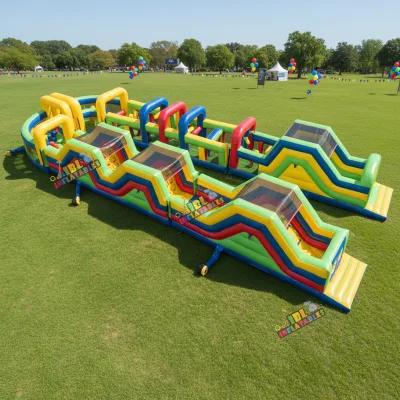
Children's Inflatable Race Track Trampoline Fun and Healthy Running Experience
$499.00 - $999.00
MOQ: 1 Minimum
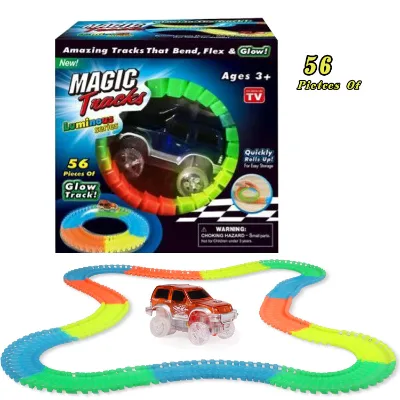


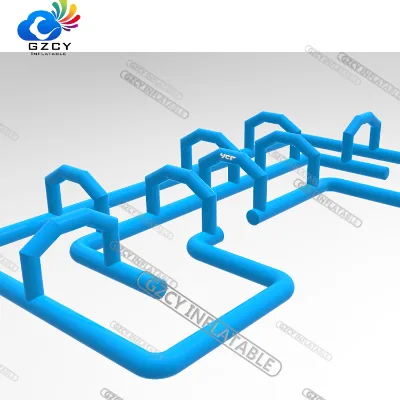
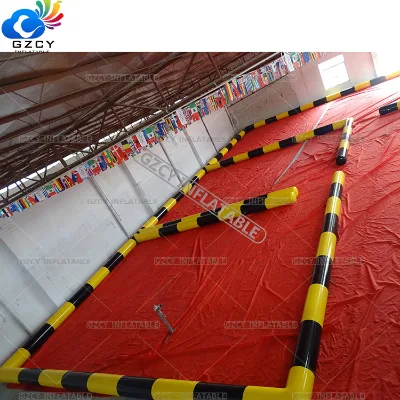
Inflatable Race Track for Go Karts Obstacle Sport Games Factory Price
$500.00 - $2000.00
MOQ: 1 Pieces


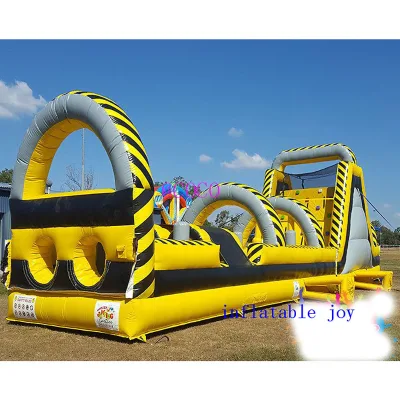

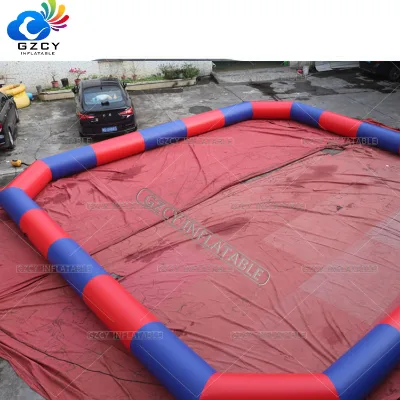
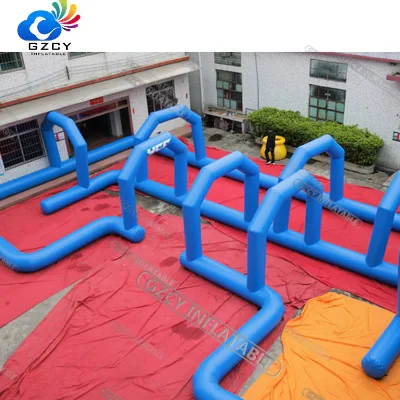

Comprehensive Sourcing Guide
Strategic Sourcing Guide for Light Up Flexible Race Track Procurement
Understanding Product Definitions and Core Attributes
When sourcing a light-up flexible race track, buyers must first distinguish between rigid track systems and the flexible, inflatable, or modular variants often found in the B2B market. Based on available product data, the term "flexible race track" frequently overlaps with inflatable obstacle courses and modular play structures designed for both indoor and outdoor deployment. The core product attributes observed in the current market indicate that these systems are typically constructed from high-strength materials such as PVC or Polyurethane, ensuring durability while maintaining the necessary flexibility for transport and setup.
The product condition is consistently listed as "New," suggesting that procurement focuses on fresh inventory rather than refurbished units. A critical observation in the supply chain is the availability of customization. Suppliers explicitly state that they accept custom sizes, colors, and designs, which allows buyers to tailor the race track to specific venue requirements or branding needs. The transmission and drive mechanisms, where applicable, often utilize hydraulic transmission systems or internal combustion drives for larger, motorized versions, though many flexible tracks rely on manual inflation or electric blowers for operation.
The flexibility of the track is often enhanced by the material properties. For instance, specific polyurethane variants demonstrate an elongation at break of up to 450%, while PVC materials show elongation rates around 320%. These figures are essential for understanding the track's ability to withstand dynamic loads and repeated folding without structural failure. The product origin is predominantly China, with specific manufacturing hubs identified in Guangzhou and Henan, indicating a concentrated supply chain for these recreational and commercial assets.
Technical Specifications and Material Performance
Evaluating the technical specifications of a light-up flexible race track requires a deep dive into material science and performance metrics. The primary construction materials identified in the market are PVC and Polyurethane. These materials are selected for their balance of tensile strength, flexibility, and resistance to environmental factors. The tensile strength for specific polyurethane models is recorded at 1.26 MPa, while other variants reach 1.32 MPa. These values serve as benchmarks for buyers to verify the structural integrity of the track under tension.
Safety and durability are paramount in race track applications. The shock absorption rate is a critical performance metric, with observed values exceeding 50% and reaching as high as 53% in specific polyurethane models. This high shock absorption is vital for protecting participants, particularly in children's adventure parks or daycare settings. Furthermore, the friction factor and anti-slip properties are rigorously tested. The anti-slip value for wet tests is observed at 88 bpn, while sliding-resistance values are recorded at 86 bpn. These metrics ensure that the track surface provides adequate grip even in damp conditions, reducing the risk of slips and falls.
Flame retardancy is another non-negotiable technical specification. The products listed meet a "Grade One" flame retardant rating, a standard that indicates a high level of fire resistance essential for public venues. Additionally, environmental safety is verified through the absence of harmful substances. Specific test results indicate that the sum of 18 polycyclic aromatic hydrocarbons is "Not Detected," confirming the material's compliance with strict environmental protection levels. The product is also described as environmental-friendly, aligning with modern sustainability goals in event management.
The physical dimensions of the tracks vary significantly based on the model. Standard sizes include configurations such as 15x10x3 meters or 10x10x3 meters, with imperial equivalents provided for international buyers. Customization is a standard feature, allowing for bespoke dimensions to fit specific venue layouts. The packaging for these items varies from strong PVC tarpaulin bags to wooden boxes and pallets wrapped in film, ensuring protection during transit. For larger models, the packaging may include wooden pallets with bandages to prevent shifting during shipping.
Compliance, Certification, and Safety Standards
Navigating the compliance landscape for light-up flexible race tracks is essential for B2B buyers to mitigate liability and ensure market access. The primary certification observed in the supply chain is the CE mark. This certification is a mandatory requirement for products sold within the European Economic Area and serves as a strong indicator of conformity with health, safety, and environmental protection standards. Buyers should verify that the CE certification is current and applies specifically to the model being procured, as certifications can be model-specific.
Beyond the CE mark, buyers must investigate adherence to local safety standards in their target markets. While specific numerical standards for fire safety or structural integrity are not universally listed for every product, the "Grade One" flame retardant rating mentioned in product attributes suggests a high baseline for fire safety. However, buyers should not assume this rating applies to all units without verification. It is crucial to request the specific test reports that validate these claims, particularly regarding the "Environmental Protection Level" and the "Not Detected" status for polycyclic aromatic hydrocarbons.
The age demographic for these products is listed as "Adults," which implies that the design and load-bearing capacities are engineered for mature users. This distinction is critical for procurement in venues like commercial adventure parks or corporate team-building events. For applications involving children, such as daycares or city parks, buyers must ensure that the product specifications align with child safety regulations, which may differ from adult standards. The product's usage is explicitly listed for both outdoor and indoor environments, suggesting versatility, but the specific environmental resistance (e.g., UV stability, water resistance) must be confirmed through technical data sheets.
Compliance with packaging standards is also part of the regulatory framework. The use of wooden pallets and wrapping films must adhere to international phytosanitary regulations, such as ISPM 15, to prevent the spread of pests. Buyers should verify that the "Wooden Box" or "Wooden Pallets" mentioned in product attributes are treated and certified appropriately. Additionally, the "Customization" aspect of the product means that any added branding or graphics must also comply with local advertising and safety labeling laws.
Cost Drivers and Pricing Structures
The pricing structure for light-up flexible race tracks is influenced by a complex array of factors, including material costs, customization levels, and logistical requirements. The observed price range in the market spans from $2.67 to $10,000 USD. This wide variance indicates that the product category encompasses everything from small, simple inflatable segments to large, fully equipped race courses with advanced lighting and hydraulic systems. The lower end of the price spectrum likely corresponds to basic, smaller-scale units or single components, while the higher end reflects comprehensive systems with extensive customization and premium materials.
Material composition is a primary cost driver. Polyurethane, with its superior elongation and tensile strength, generally commands a higher price point than standard PVC. The inclusion of advanced features such as hydraulic transmission or internal combustion drives will also significantly increase the unit cost. Furthermore, the "Grade One" flame retardant rating and the absence of harmful chemicals like polycyclic aromatic hydrocarbons add to the manufacturing complexity and cost. Buyers should be aware that these quality assurances are not merely marketing claims but are embedded in the production process, influencing the final price.
Customization is another significant factor affecting cost. The ability to accept custom sizes, colors, and designs allows for tailored solutions but introduces variable costs. The "Custom" attribute explicitly notes that price will vary based on these specifications. Buyers requesting unique dimensions or specialized graphic designs via digital printing should anticipate a premium over standard off-the-shelf models. The MOQ (Minimum Order Quantity) also plays a role in pricing. The observed MOQ range is 1 to 1000 sets, with a specific model listing an MOQ of 1 set. This flexibility allows for small-scale procurement, but larger orders may benefit from economies of scale, potentially lowering the per-unit cost.
Logistics and packaging costs are often overlooked but are critical components of the total cost of ownership. The variety of packaging options, from PVC bags to wooden boxes and pallets, affects shipping volume and weight. Heavier packaging, such as wooden boxes, increases freight costs but offers superior protection. Buyers should factor in the "Single package size" of 60x35x35 cm for smaller units when calculating shipping expenses. Additionally, payment terms, such as the acceptance of PayPal, may influence the financial structure of the deal, though they do not directly alter the product price.
Typical Applications and Usage Scenarios
The versatility of light-up flexible race tracks makes them suitable for a diverse range of applications, from commercial entertainment venues to private events. The primary usage categories identified include outdoor and indoor settings. In outdoor environments, these tracks are ideal for city parks, commercial adventure parks, and large-scale festivals. The "Durable Years" attribute, which states "Over Ten Years," suggests that these products are built to withstand the rigors of continuous outdoor use, including exposure to sun, rain, and varying temperatures.
Indoor applications are equally prominent, with specific mentions of daycares, commercial spaces, and indoor adventure parks. The high shock absorption rate and anti-slip properties make these tracks particularly suitable for environments where safety is a top priority, such as daycare centers. The "Easy Setup" feature is a significant advantage for indoor venues where space and time are limited. The ability to quickly inflate and deflate the track allows for flexible event scheduling and efficient use of venue space.
The target audience for these products is primarily adults, as indicated by the "Age" attribute. This suggests that the tracks are designed for high-energy activities, team-building exercises, and competitive events. However, the inclusion of "DAYCARE" in the occasion list implies that some models or configurations may be adapted for younger users, provided they meet the necessary safety standards. The "Logo/graphic design" capability via digital printing makes these tracks attractive for corporate branding, allowing companies to create custom race tracks for marketing events or employee engagement programs.
The "Occasion" attribute further expands the potential use cases to include commercial events, city park activities, and adventure parks. The flexibility of the track allows it to be configured in various layouts to suit different venue shapes and sizes. Whether it is a short, intense sprint course or a long, winding obstacle course, the modular nature of the product supports a wide range of event formats. The "Light Up" feature, while not explicitly detailed in the technical specs, implies an aesthetic component that enhances the visual appeal of the track, making it particularly effective for evening events or nighttime festivals.
Supplier Evaluation and Quality Control Protocols
Selecting the right supplier for a light-up flexible race track requires a rigorous evaluation process that goes beyond simple price comparisons. Buyers should prioritize suppliers who demonstrate transparency in their product attributes and provide verifiable documentation. The presence of specific model numbers, such as TL0147, TL3248, and PU07, indicates a structured product line, which is a positive sign of a professional supplier. Buyers should verify that the supplier can consistently deliver the specific models they require, rather than offering a generic, undefined product.
Quality control is paramount in this industry. Buyers must insist on seeing test reports that confirm the shock absorption rates, tensile strength, and flame retardant ratings. The specific values observed, such as a shock absorption rate of >53% or a tensile strength of 1.26 MPa, should be validated through third-party testing. The "Not Detected" status for polycyclic aromatic hydrocarbons is a critical quality indicator that must be supported by laboratory results. Suppliers who are unwilling to provide these documents should be considered high-risk.
The "Customization" capability of the supplier is another key evaluation criterion. Buyers should assess the supplier's ability to handle custom sizes, colors, and designs without compromising quality. The mention of "Digital Printing" for logos and graphics suggests that the supplier has the technical capacity for high-quality branding. However, buyers should request samples or case studies to verify the quality of the printing and the durability of the custom elements. The "Place of Origin" being Guangzhou or Henan, China, is common, but buyers should verify the specific factory location and its reputation for quality control.
Logistics and packaging are also indicators of supplier reliability. The variety of packaging options, from PVC bags to wooden pallets, suggests that the supplier has experience in handling different shipping requirements. Buyers should evaluate the supplier's ability to protect the product during transit, especially for large or fragile components. The "Single package size" and "prod_packing" details should be used to plan logistics effectively. Additionally, the "Payment Term" of PayPal offers a level of buyer protection, but buyers should still ensure that the supplier has a track record of fulfilling orders on time and as specified.
Long-Term Procurement and Maintenance Considerations
Procuring a light-up flexible race track is a long-term investment that requires careful planning for maintenance and lifecycle management. The "Durable Years" attribute, stating "Over Ten Years," suggests a long service life, but this is contingent on proper care and maintenance. Buyers should develop a maintenance schedule that includes regular inspections for wear and tear, particularly in high-stress areas such as joints and inflation points. The high elongation at break values (320% to 450%) indicate that the material is resilient, but repeated folding and unfolding can lead to fatigue over time.
Storage is another critical aspect of long-term procurement. The "prod_packing" options, such as wooden boxes and PVC bags, are designed for storage, but buyers must ensure that the storage environment is suitable. Exposure to extreme temperatures, direct sunlight, or moisture can degrade the material properties over time. Buyers should invest in climate-controlled storage facilities to extend the lifespan of the track. The "Environmental Protection Level" and "Environmental Friendly" attributes suggest that the materials are robust, but they are not immune to environmental degradation if not stored correctly.
Replacement parts and accessories are essential for long-term ownership. Buyers should verify the availability of spare parts, such as repair kits, inflation blower replacements, and custom graphic overlays. The "Customization" aspect implies that the supplier may offer replacement graphics or patches, but this should be confirmed in the procurement agreement. The "MOQ" of 1 set suggests that even small orders are possible, which can be beneficial for sourcing replacement parts or small-scale expansions.
Finally, buyers should consider the scalability of their procurement strategy. As the business grows, the demand for race tracks may increase. The ability to source additional units or upgrade existing models should be part of the long-term plan. The "Transmission" and "Drive Type" attributes indicate that some models may have mechanical components that require specialized maintenance. Buyers should ensure that they have access to technical support and training for these systems. By planning for the entire lifecycle of the product, buyers can maximize the return on investment and ensure the continued safety and performance of their light-up flexible race tracks.
FAQs
What certifications do light up flexible race tracks have?
These products carry CE certification, ensuring compliance with safety standards for European markets. Buyers should verify that the specific model matches the certification scope before procurement.
Can I request custom sizes and colors for the track?
Yes, suppliers accept custom sizes, colors, and designs to meet specific venue requirements. The final price will vary based on the complexity and extent of the customization requested.
What materials are used to construct these flexible tracks?
The tracks are primarily constructed from PVC or Polyurethane materials to ensure durability and flexibility. These materials offer high tensile strength and elongation rates suitable for dynamic use.
How much shock absorption do these tracks provide?
The shock absorption rate exceeds 50% and can reach over 53% in specific polyurethane models. This high rate protects participants by reducing impact forces during use.
Where are these products typically manufactured?
Products originate from China, with specific manufacturing hubs located in Guangzhou and Henan. This concentration indicates a specialized supply chain for these recreational assets.
What is the minimum order quantity for these items?
The minimum order quantity ranges from 1 set to 1000 sets depending on the supplier and model. Some models allow for a single set purchase, offering flexibility for small orders.
How long do these tracks typically last in outdoor use?
The tracks are designed to be durable for over ten years in outdoor environments. This longevity is supported by materials that resist environmental factors and wear.