Source Light Up Mini Golf Set for Racing, Entertainment, Gift
Compare 30 listings for the Light Up Mini Golf Set from verified Chinese manufacturers. Buyers can evaluate customization options, material types like polybutadiene or wood, and pricing for racing, entertainment, or gift applications.
Key considerations
Products List

Custom Logo Mini Golf Accessories Clubs Iron Practice Gift Sets Set Golf Set
$3.98 - $10.44
MOQ: 100 Pieces


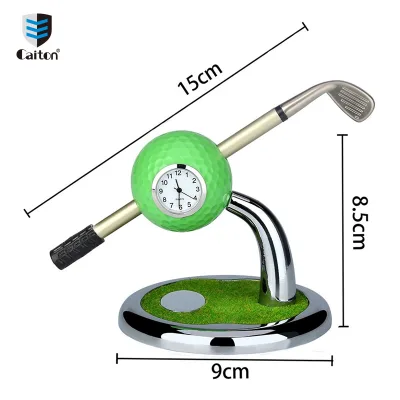


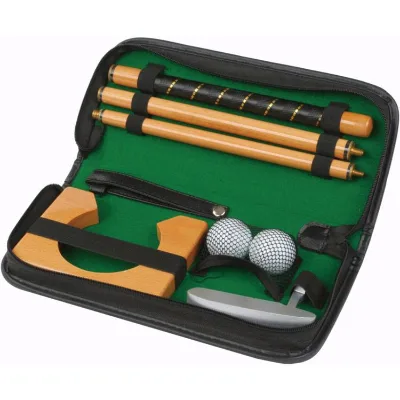
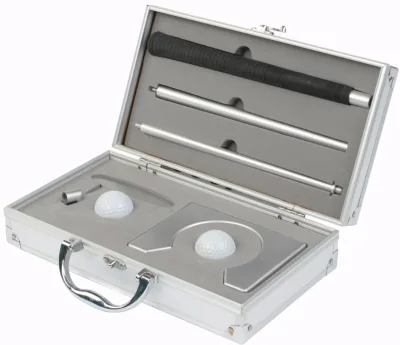
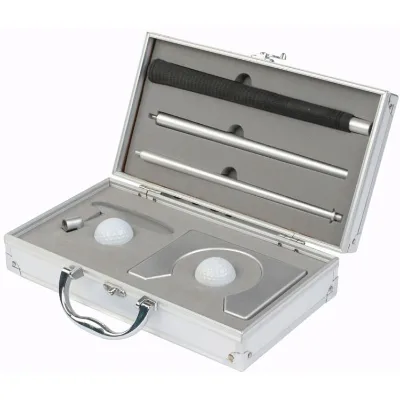
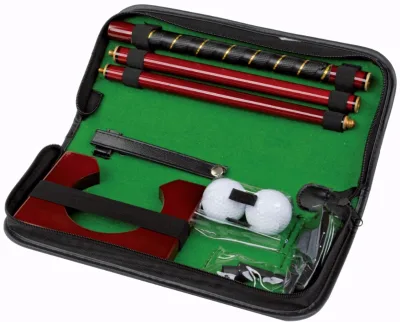


Personalized Golf Gift Set with Premium Accessories Custom Golf Gift Set
$15.58 - $18.28
MOQ: 200 Pieces

Comprehensive Sourcing Guide
Strategic Sourcing Guide for Light Up Mini Golf Sets
Understanding Product Variants and Core Specifications
When sourcing a Light Up Mini Golf Set, buyers must first distinguish between the specific product configurations available in the global market. The supply landscape for this category is diverse, ranging from traditional wooden toys to high-performance synthetic golf balls and complete recreational kits. A critical observation from current market data indicates that "Golf Ball" and "Golf Gift Set" are distinct but often related product lines. For instance, specific models such as the CP2273 and TLM-GB-007 represent different iterations of golf equipment, with the former focusing on specific ball construction and the latter potentially representing a broader toy category.
The technical specifications for these items vary significantly based on the intended use case. For the golf ball variants, the material composition is a primary differentiator. High-quality options utilize Polybutadiene, a synthetic rubber known for its durability and energy return. The internal structure of these balls often features a dual-core design, with hardness ratings measured on the Shore C scale. Observed data points to an inner core hardness of 75c and an outer core hardness of 85c, which directly influences the ball's compression and rebound characteristics. The compression range for these units typically falls between 50 and 70, while the rebound coefficient is observed to be between 0.780 and 0.790. These numerical values are critical for buyers seeking equipment that mimics professional performance standards.
In contrast, the "Wood Goft Toy" category presents a different set of specifications. These items are often categorized under "Wood and Auxiliary Toys" and are designed for promotion, recreation, and puzzle-solving. The material here is explicitly Pine, and the style is described as European & American. The scale is noted as "Medium," and the packaging often involves a color box or custom packaging solutions. For the "EZ23-GT01" model, the material shifts to Plastic, with a standard size of 56cm, targeting an age group of over 8 years. The "light up" functionality is frequently associated with the plastic variants or specific gift sets, where the "Full Color" logo print and "Silkprint" imprint capabilities allow for branding integration.
Compliance, Certification, and Safety Standards
Navigating the regulatory landscape is essential for importing mini golf sets, particularly those intended for children or commercial entertainment venues. The supply chain data highlights several certification markers that buyers must verify. For wooden toy variants, the presence of CE and EN certifications is a strong indicator of compliance with European safety directives. Specifically, the data references "CE,ENMaterial:Pine," suggesting that the certification applies to the wood-based components. However, buyers must exercise caution, as the phrasing implies a composite listing where certification status might be tied to specific material components rather than the entire assembled unit.
For plastic-based mini golf sets, such as the model with the 56cm standard, the certification "ENCE" is mentioned. This designation requires verification to ensure it aligns with current international safety standards for plastic toys. In the context of golf balls and accessories, the standard is often listed as "Customized," which means the product does not adhere to a single universal standard but rather meets the specific requirements of the buyer or the destination market. This customization capability is a significant advantage for B2B buyers who need to meet local regulatory thresholds.
Safety is paramount, especially for products with an "Age: > 8 Years" designation. The "Light Up" feature introduces electrical components, which may require additional testing for battery safety, low voltage compliance, and chemical safety regarding the plastics and inks used. Buyers should not assume that a product labeled with a certification automatically satisfies all local import requirements. Instead, the procurement strategy must include a request for specific test reports from the supplier that correspond to the destination country's regulations. The "Customized" standard attribute suggests that the supplier is capable of adjusting the product to meet these varying regulatory demands, but the buyer must initiate this verification process explicitly.
Cost Drivers and Pricing Structure Analysis
The pricing structure for light up mini golf sets is influenced by a complex interplay of materials, customization levels, and order volumes. The observed market price range spans from 1 to 5500 USD, a wide disparity that reflects the difference between a single golf ball and a complete, branded mini golf course kit. The lower end of this spectrum likely corresponds to individual components, such as the Polybutadiene golf balls or small wooden accessories. The higher end represents full sets, which may include the 56cm plastic structures, lighting systems, and custom packaging.
Material costs are a primary driver. Polybutadiene, used in high-performance golf balls, is generally more expensive than standard wood or basic plastics. The dual-core construction with specific Shore C hardness ratings adds to the manufacturing complexity and cost. Similarly, the "Light Up" functionality requires the integration of LEDs, wiring, and power sources, which increases the bill of materials compared to non-illuminated versions. The choice of wood, specifically Pine, also impacts the cost, as does the finishing process required to achieve the "European & American" style.
Customization is another significant cost factor. The data confirms that customization is available for logos, colors, and packaging. Options include "Telamon/Customized" logos and "White/Customized" colors. The ability to print full-color logos or use silk printing adds to the unit cost, particularly for smaller order quantities. The "Standard Packing" versus "According to Customer Requirements" also affects the final price. Custom packaging, such as color boxes or specific cartons, incurs additional tooling and labor costs.
Order volume plays a crucial role in determining the final price per unit. The Minimum Order Quantity (MOQ) observed ranges from 1 to 1000 units. Products with an MOQ of 1000, such as the wooden toy variants, often benefit from economies of scale, potentially lowering the unit cost for large buyers. Conversely, buyers seeking smaller quantities may face higher per-unit prices but benefit from the flexibility of the "Sample Order: Accept" policy. The "Customized" nature of the product standard means that the price is often negotiated on a case-by-case basis, depending on the specific configuration of materials and branding requirements.
Typical Applications and Usage Scenarios
The versatility of light up mini golf sets makes them suitable for a wide array of applications, from commercial entertainment venues to corporate promotional events. The product attributes explicitly list "Racing," "Entertainment," and "Gift" as primary usage categories. This broad applicability allows buyers to target multiple market segments with a single product line.
In the commercial sector, these sets are ideal for indoor entertainment centers, family fun centers, and amusement parks. The "Light Up" feature is particularly valuable for evening operations or indoor venues where ambient lighting is low, enhancing the visual appeal and user experience. The "Fitness" and "Sport" functions suggest that these products can also be marketed as recreational exercise equipment, appealing to health-conscious consumers who enjoy active play. The "Outdoor Playing Toy" designation for the wooden variants indicates suitability for garden parties, school events, and community festivals.
For the corporate and promotional market, the "Promotion" and "Recreation" attributes are key. Companies often seek branded mini golf sets for trade shows, employee engagement events, or client gifts. The ability to customize the logo to "Telamon/Customized" and the color to "White/Customized" allows businesses to align the product with their brand identity. The "Golf Gift Set" and "Golf Accessories Gift Set" options are specifically designed for this purpose, offering a tangible and engaging brand experience. The "Puzzle" aspect of the wooden toys adds an educational element, making them suitable for promotional campaigns targeting families or educational institutions.
The "Fun" and "Sports" usage categories highlight the product's role in social gatherings. The "Ball Toy" style and "Medium" scale make these sets accessible for various age groups, particularly those over 8 years old. The "Entertainment" and "Gift" attributes suggest that these products are also popular for retail distribution, where they can be sold as standalone items or as part of a larger gift bundle. The "Sample Order: Accept" policy supports this retail strategy, allowing buyers to test the product's appeal before committing to large inventory purchases.
Supplier Evaluation and Selection Criteria
Selecting the right supplier for light up mini golf sets requires a rigorous evaluation process that goes beyond price comparison. The supply data indicates that products originate from specific regions, such as "China" and "Jiangsu, China," which are known manufacturing hubs for toys and sports equipment. Buyers should verify the supplier's capacity to handle the "Customized" standard and their ability to meet specific certification requirements.
One of the most critical evaluation points is the supplier's flexibility regarding customization. The data shows that customization is available for logos, colors, and packaging. A capable supplier should be able to provide samples that reflect the exact branding and design specifications required. The "Sample Order: Accept" attribute is a positive indicator, suggesting that the supplier is willing to produce prototypes for quality assessment. Buyers should request samples of both the "Golf Ball" and "Wood Goft Toy" variants to compare the quality of materials, such as the Polybutadiene and Pine, and the finish of the "Light Up" components.
Quality control is another essential criterion. The supplier should demonstrate a robust quality assurance process, particularly for products with electrical components. The "Hardness" and "Rebound Coefficient" specifications for golf balls require precise manufacturing tolerances. Buyers should inquire about the supplier's testing procedures to ensure that the compression and rebound values meet the stated ranges. For wooden toys, the supplier should be able to provide evidence of the "CE,EN" certification and the quality of the Pine material.
The supplier's production capacity and lead time management are also vital. The observed MOQ range of 1 to 1000 suggests that suppliers can accommodate both small and large orders. However, buyers should confirm the lead times for customized orders, as the "Customized" standard may require additional production time. The "Standard Packing" versus "Custom Packaging" options also impact the production schedule. A reliable supplier will provide clear timelines for sample production, bulk manufacturing, and shipping.
Finally, the supplier's reputation and experience in the industry should be assessed. While specific supplier names should not be recommended, buyers can look for indicators of experience, such as the variety of product models offered (e.g., CP2273, TLM-GB-007, EZ23-GT01) and the breadth of certifications held. A supplier with a diverse portfolio and a history of meeting international standards is more likely to deliver a high-quality product that meets the buyer's expectations.
Long-Term Procurement and Quality Assurance Strategies
Establishing a long-term procurement strategy for light up mini golf sets involves more than just securing a single order. It requires building a sustainable relationship with a supplier who can consistently deliver high-quality products and adapt to changing market demands. The "Customized" nature of the product standard means that the procurement process should be flexible enough to accommodate future design changes or new branding requirements.
Quality assurance should be an ongoing process, not a one-time check. Buyers should implement a system for regular quality audits, especially for products with electrical components and specific material properties like the Polybutadiene golf balls. The "Rebound Coefficient" and "Compression" values should be verified periodically to ensure they remain within the specified ranges. For wooden toys, the structural integrity and finish quality should be monitored to prevent issues such as splintering or paint chipping.
Inventory management is another critical aspect of long-term procurement. The wide price range and varying MOQs suggest that buyers should adopt a flexible inventory strategy. For high-demand items like the "Golf Gift Set," maintaining a buffer stock can help meet sudden spikes in demand. For customized items, a just-in-time approach may be more appropriate to minimize storage costs and reduce the risk of obsolescence.
The "Light Up" feature introduces a potential maintenance and replacement consideration. Buyers should discuss with the supplier the availability of spare parts, such as batteries, LEDs, and wiring components. This ensures that the products remain functional throughout their intended lifespan and reduces the need for complete replacements. The "Customized" packaging option also allows for future branding updates without the need to redesign the entire product line.
Finally, buyers should stay informed about changes in international standards and regulations. The "CE,EN" and "ENCE" certifications mentioned in the data are subject to updates. A proactive supplier will keep buyers informed of these changes and assist in maintaining compliance. By fostering a collaborative relationship with a supplier who values quality and compliance, buyers can ensure a steady supply of high-quality light up mini golf sets that meet the evolving needs of their customers.
Comparative Analysis of Product Models
To assist buyers in making informed decisions, the following table compares the key attributes of the observed product models. This comparison highlights the differences in materials, certifications, and intended uses, providing a clear overview of the available options.
| Attribute | Model CP2273 | Model TLM-GB-007 | Model EZ23-GT01 |
|---|---|---|---|
| Primary Type | Golf Ball | Wood Toy / Gift | Plastic Ball Toy |
| Material | Polybutadiene | Pine | Plastic |
| Key Certification | Customized | CE, EN | ENCE |
| Hardness (Shore C) | Inner 75c; Outer 85c | N/A | N/A |
| Rebound Coefficient | 0.780 ~ 0.790 | N/A | N/A |
| Standard Size | N/A | Medium | 56cm |
| Age Group | N/A | N/A | > 8 Years |
| Usage | Racing, Entertainment, Gift | Promotion, Recreation, Puzzle | Funny, Sports |
| Customization | Logo, Color | Logo, Packaging | Logo Print, Imprint |
| Origin | China | Jiangsu, China | China |
| MOQ | 1-1000 (Range) | 1000 | 1-1000 (Range) |
This comparison underscores the diversity within the Light Up Mini Golf Set category. The CP2273 model is optimized for performance with specific ball physics, while the TLM-GB-007 focuses on traditional wooden play with strong certification backing. The EZ23-GT01 offers a modern, plastic-based solution suitable for younger audiences and sports applications. Buyers should select the model that best aligns with their specific target market and functional requirements.
FAQs
What materials are used in light up mini golf sets?
Materials include Polybutadiene for golf balls and Pine for wooden toys. Plastic is also used for specific models like EZ23-GT01. The choice depends on the product variant and intended usage.
Can buyers customize logos and colors for these sets?
Yes, customization is available for logos and colors. Buyers can select White or Customized colors and Telamon or Customized logos. Packaging can also be tailored to customer requirements.
What certifications apply to wooden mini golf toys?
Wooden variants often carry CE and EN certifications. These markers indicate compliance with European safety directives for wood-based components. Verification of specific test reports is recommended for import.
How does the golf ball hardness affect performance?
Golf balls feature a dual-core design with specific hardness ratings. The inner core is 75c and the outer core is 85c on the Shore C scale. This structure influences compression and rebound characteristics.
What is the minimum order quantity for these products?
The minimum order quantity ranges from 1 to 1000 units. Some wooden toy variants have an MOQ of 1000, while other items may accept smaller sample orders. Volume affects unit pricing significantly.
Where are these mini golf sets manufactured?
Products originate from China, with specific mentions of Jiangsu. This region is a known manufacturing hub for toys and sports equipment. Buyers should verify specific factory locations during sourcing.
Are sample orders accepted for new buyers?
Yes, sample orders are accepted for testing product quality. This allows buyers to evaluate materials like Polybutadiene and Pine before committing to bulk purchases. It supports retail and promotional market strategies.