Source Light Up Laser Sword for cosplay, parties, and events
Compare 30 Light Up Laser Sword options from verified suppliers in Shantou. Buyers can review LED colors, certifications, and customization features for children's toys.
Key considerations
Products List
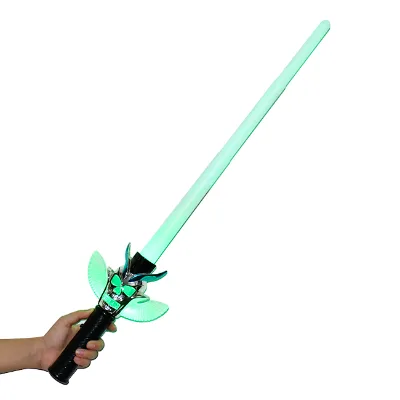


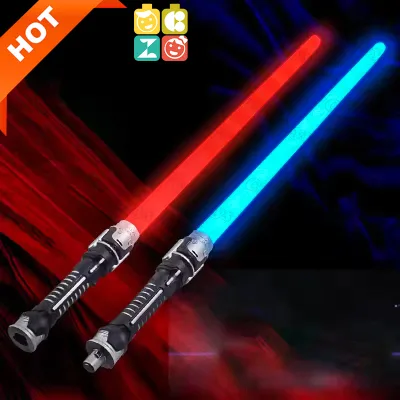
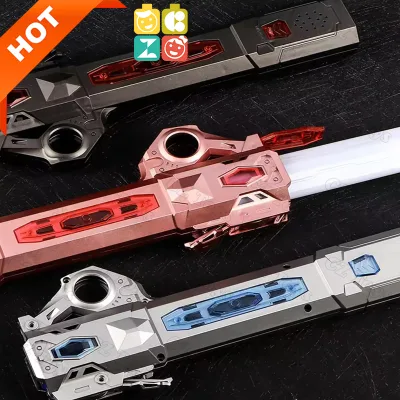
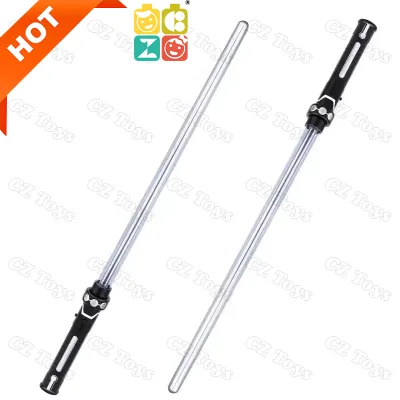
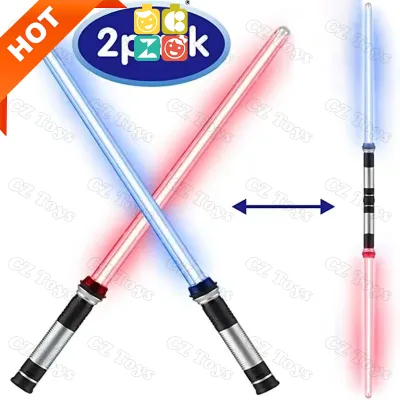
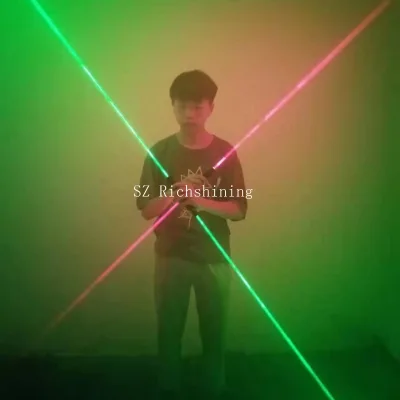
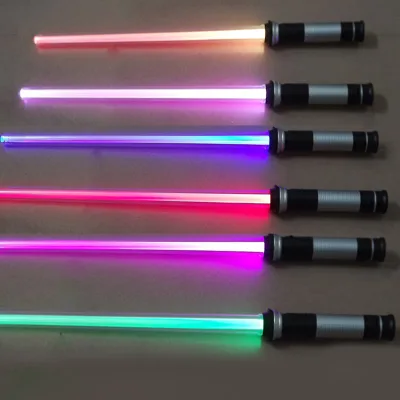
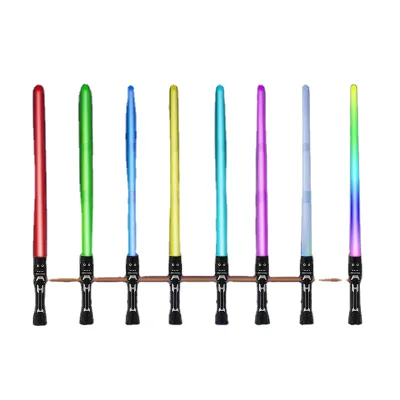

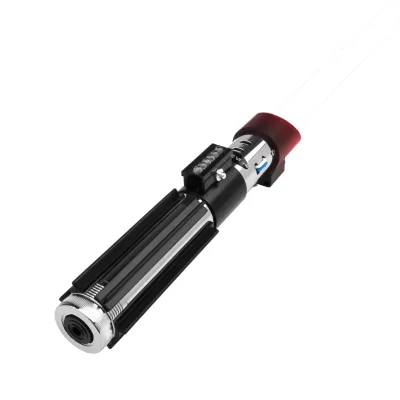
Colorful LED Tactical USB Lightsaber Sword with Metal Handle Light up Toy
$8.80 - $17.90
MOQ: 36 Pieces




Comprehensive Sourcing Guide
Strategic Sourcing Guide for LED Light-Up Laser Swords
The global market for interactive toy weapons has evolved significantly, with LED light-up laser swords representing a high-demand segment for children's entertainment and cosplay. For B2B procurement professionals, sourcing these items requires a disciplined approach that balances creative design with rigorous safety compliance. The following guide analyzes the technical specifications, regulatory landscape, and operational considerations necessary for successful procurement of these products, based on current market data and verified product attributes.
Technical Specifications and Product Architecture
Understanding the physical and functional architecture of LED light-up laser swords is the first step in defining procurement requirements. These products are generally categorized as toy swords or toy gun accessories, constructed primarily from durable plastic materials. The design often features a folding mechanism, allowing for compact storage and transport, which is a critical factor for logistics and retail display. The dimensions of these units typically range from 47 to 81 centimeters in length, with widths between 6 and 17 centimeters, and depths around 6 centimeters, though specific models may vary.
The core functionality relies on an electric power system. Most units operate using three AAA batteries, which are frequently not included in the standard packaging, a detail that must be clearly communicated to end consumers to avoid dissatisfaction. The lighting system is a primary selling point, offering multiple modes of illumination. High-confidence data indicates that these products often feature six distinct lighting modes, utilizing red, green, and blue LEDs to create dynamic visual effects. Some advanced models integrate sound capabilities, providing music and light synchronization to enhance the immersive play experience.
The product models identified in the current supply base include specific identifiers such as HJ12272022, PY266710, PY266711, PY301716, PY301715, and PY240394. These model numbers correspond to different configurations, such as cartoon toy styles, model toys, or sports-themed variations. The packaging for these items varies between color boxes and blister packs, influencing the unboxing experience and shelf appeal. Buyers should verify the exact packaging standard for each order, as this impacts the unit cost and the perceived value of the product.
Regulatory Compliance and Certification Verification
Safety compliance is the most critical non-negotiable factor in sourcing children's toys. The market for light-up swords is heavily regulated, particularly in North America and the European Union. Verified product attributes indicate that compliant units must carry specific certifications. In the context of the observed supply base, certifications such as EN71, ASTM, CE, ENASTM, and HR4040 are frequently cited. Additionally, RoHS compliance is often required to ensure the product does not contain hazardous substances.
Buyers must treat these certifications as mandatory verification points rather than optional features. The presence of an ASTM or EN71 mark suggests that the product has undergone testing for mechanical and physical safety, including sharp edge analysis and small parts warnings. The CE mark indicates conformity with health, safety, and environmental protection standards for products sold within the European Economic Area. It is essential to request current test reports from the supplier to validate these claims. Relying solely on a supplier's statement regarding certification status is insufficient; independent verification of the test data is required to mitigate liability risks.
Furthermore, the age range for these products is a critical compliance parameter. Data suggests these toys are marketed for children aged 2 to 4 years, 5 to 7 years, and 8 to 13 years, with some specific listings noting an age range of 3 to 8 years. The manufacturer must ensure that the product design, particularly the battery compartment and the LED components, aligns with the safety standards applicable to the youngest target age group. If a product is intended for children under three, it must strictly adhere to small parts regulations, which often preclude certain battery types or detachable components.
Cost Drivers and Pricing Dynamics
The pricing structure for LED light-up laser swords is influenced by several variable factors, including material quality, electronic complexity, and order volume. The observed market price range for these items spans from $0.36 to $221.05 USD. This wide disparity indicates that the market includes both basic, single-mode plastic swords and premium, multi-functional units with advanced electronics and custom packaging.
The Minimum Order Quantity (MOQ) is another significant cost driver. The observed MOQ range varies from 2 units to 5,000 units, with a specific high-confidence data point indicating an MOQ of 2,000 pieces for certain standard models. Buyers with smaller volume requirements may face higher per-unit costs or may need to source from suppliers with lower MOQ thresholds, potentially at the expense of customization options. Conversely, larger orders often unlock economies of scale, reducing the unit price significantly.
Customization is a major factor in pricing. While some suppliers offer non-customized stock items, many provide OEM/ODM services, including logo printing, full-color imprinting, and silk printing. Customization typically incurs additional tooling costs and higher MOQs. The choice between a color box and a blister pack also affects the final landed cost. Buyers must balance the desire for premium packaging against the budget constraints of the project. It is advisable to request a detailed breakdown of costs, separating the base unit price from customization fees, to ensure accurate budget forecasting.
Typical Applications and Market Segmentation
LED light-up laser swords serve diverse applications beyond simple play. They are frequently utilized in cosplay events, where the visual impact of the lights and sounds is essential for character authenticity. The "cartoon toy" and "model toy" styles align well with specific character franchises, making them popular for themed parties and costume contests. The "funny" and "odd toys" usage categories suggest that these products are also marketed as novelty items for adults and older children, expanding the potential market beyond the traditional toy demographic.
The "sports" theme indicates a niche application where these swords might be used in recreational activities or organized play events. The "intellectual toy" classification suggests that some models may incorporate educational elements, such as color recognition or rhythm-based lighting patterns, although this is less common for standard laser swords. The gender specification is generally listed as "unisex," though some listings specifically target "boys," reflecting traditional marketing trends in the toy industry.
Understanding the intended application helps in selecting the right product specifications. For instance, a product intended for a high-energy sports event may require a more robust folding mechanism and higher battery capacity than a toy intended for quiet indoor play. Buyers should align the product's feature set, such as the number of lighting modes or the presence of music, with the specific use case to maximize customer satisfaction.
Supplier Evaluation and Operational Considerations
Evaluating suppliers for LED light-up laser swords requires a focus on their manufacturing capabilities and logistical reliability. The observed supply base indicates that many manufacturers are located in Shantou and Shantou Chenghai, regions known for their concentration of toy production. While this proximity to a manufacturing hub can be advantageous for logistics, buyers must verify the specific factory capabilities.
Key evaluation criteria include the supplier's ability to handle customization requests, such as logo printing and full-color imprints. The availability of OEM/ODM services is a strong indicator of a supplier's flexibility. Buyers should also assess the supplier's inventory management, particularly regarding the availability of AAA batteries and the consistency of the plastic material quality. The "Electric" nature of the product means that electronic components are a potential point of failure; therefore, the supplier's quality control processes for electronic assembly are paramount.
Lead times and production capacity are critical operational factors. While specific lead times are not universally standardized in the provided data, the wide range of MOQs suggests that suppliers may have varying production schedules. Buyers should establish clear communication channels regarding production timelines, especially for customized orders which may require additional time for mold creation and sample approval. The "Supply Type" being listed as "OEM Service" implies that the supplier is accustomed to working with external brands, but buyers should confirm their capacity to handle their specific order volume without compromising quality.
Quality Control and Long-Term Procurement Strategy
Implementing a robust quality control (QC) strategy is essential for mitigating risks associated with electronic toys. Given the presence of LEDs, batteries, and moving parts, the risk of product failure is higher than with non-electronic toys. Buyers should mandate pre-shipment inspections that specifically test the lighting modes, sound functionality, and the durability of the folding mechanism. The "Feature: with Music and Light" attribute necessitates testing under various conditions to ensure consistent performance.
Long-term procurement considerations involve building a relationship with suppliers who can offer consistent quality and scalability. The "Customization: Available" and "Customized: Customized" attributes suggest that many suppliers are open to long-term partnerships. However, buyers must ensure that the customization process is standardized to avoid inconsistencies between batches. The "Logo Sticker" and "Silkprint" imprint options should be verified for durability, as these graphics can wear off during play.
Finally, buyers should maintain a diversified supplier base to mitigate supply chain disruptions. Relying on a single source for a product with a wide price range and varying MOQs can be risky. By understanding the technical specifications, compliance requirements, and cost drivers outlined in this guide, procurement professionals can make informed decisions that ensure the delivery of safe, high-quality, and profitable LED light-up laser swords to the market. Continuous monitoring of certification standards and market trends will further enhance the strategic value of these procurement efforts.
FAQs
What certifications do these light up laser swords have?
These products carry ASTM, EN71, CE, and RoHS certifications to ensure safety compliance. Buyers must verify current test reports from the supplier to validate these claims before purchasing.
How many lighting modes are available on these swords?
The swords typically feature six distinct lighting modes using red, green, and blue LEDs. Some advanced models also integrate music and light synchronization for an enhanced play experience.
What is the minimum order quantity for these toys?
The minimum order quantity ranges from 2 to 5000 pieces depending on the supplier and customization level. A specific high-confidence data point indicates an MOQ of 2000 pieces for certain standard models.
Can I customize the logo on these light up laser swords?
Customization is available with options for full-color printing, logo stickers, and silk printing. Buyers should note that customization typically incurs additional tooling costs and may require higher order volumes.
What materials are used to make these toy swords?
The swords are constructed primarily from durable plastic materials with a folding mechanism. This design allows for compact storage while maintaining the structural integrity needed for active play.
Where are these light up laser swords manufactured?
The products originate from Shantou and Shantou Chenghai, which are known manufacturing hubs for toys. Buyers should verify specific factory capabilities as these regions host numerous production facilities.