Source Lighted Breathable Girls Shoes for sports, school, and play
Find and compare 30 listings for Lighted Breathable Girls Shoes with options in PU and EVA materials. Buyers can review customization, sizing, and lead times from suppliers in China for various seasonal needs.
Key considerations
Products List


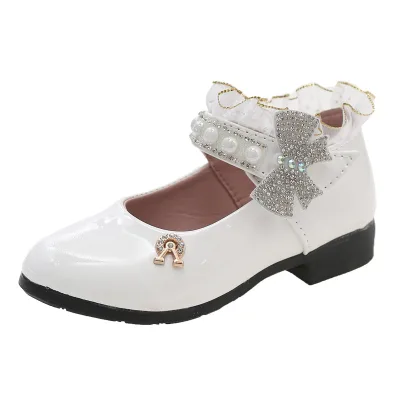



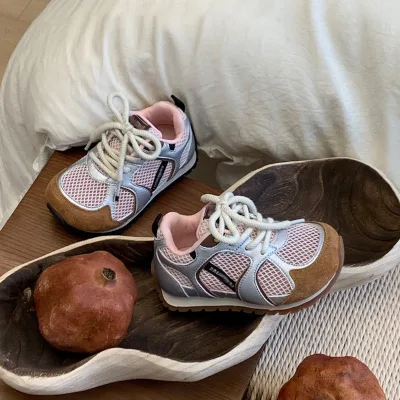


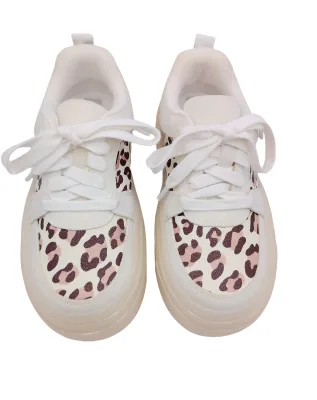


Comprehensive Sourcing Guide
Strategic Sourcing Guide for Lighted Breathable Girls Shoes
Understanding Product Attributes and Material Composition
When sourcing Lighted Breathable Girls Shoes, buyers must first distinguish between the functional requirements of the footwear and the specific material constraints observed in the current market. The core keyword implies a product that combines illumination features with ventilation, yet the available data reveals a complex landscape of material specifications that must be carefully navigated. The primary upper material identified in the current supply pool is Polyurethane (PU), with some listings indicating a blend of PU or Leather. This distinction is critical because PU offers a specific balance of durability and cost, while leather provides a different aesthetic and breathability profile. The lining materials vary significantly across suppliers, ranging from PU, leather, and mesh to fabric. For a product described as "breathable," the inclusion of mesh or fabric linings is a strong indicator of potential air circulation, whereas PU or leather linings may prioritize durability over ventilation.
The sole material is consistently observed as Ethylene-Vinyl Acetate (EVA), a choice that suggests a focus on lightweight comfort and shock absorption, which is essential for children's active wear. The toe style presents a dichotomy in the market data, with some products featuring a round toe and others a closed toe. For girls' shoes, a closed toe is often preferred for safety and protection during play, while a round toe offers a classic aesthetic. The heel height is uniformly flat, aligning with the ergonomic needs of growing feet. However, a significant discrepancy exists regarding the "lighted" aspect of the core keyword. The provided facts do not explicitly confirm the presence of LED lighting or battery integration in the specific models listed (such as LH-3005, LH-3008, or GCS-23). Buyers must treat the "lighted" attribute as a specific requirement to be verified during the supplier engagement phase, rather than an assumed standard feature of the listed PU or EVA footwear.
Technical Specifications and Sizing Standards
The technical specifications for these footwear items vary widely depending on the target demographic and the specific model number. The data indicates multiple sizing standards, including European ranges like 24-29 and 30-35, as well as specific US sizes ranging from 3 to 6 and 3.5 to 5.5. There is also a broader size range listed as 21-38 and another specific list including 26 through 36. This variation suggests that suppliers may cater to different age groups, from toddlers to older children, or that the "girls shoes" category encompasses a wide spectrum of foot sizes. The model numbers LH-3005, LH-3008, LH-3020, LH-3018, and LH-3006 represent distinct product lines, each potentially carrying unique specifications regarding the closure pattern.
Closure patterns are another critical technical variable. The market data shows options for both shoelace (lace) and magic tape closures. Shoelaces offer a customizable fit, which is beneficial for active sports shoes, while magic tape provides ease of use for younger children who may not yet have the dexterity to tie laces. The product origin is primarily identified as Jinjiang, China, with some entries pointing to Guangdong, China. These regions are known for their footwear manufacturing clusters, but the specific origin can influence the logistics and quality control protocols. The packing methods also vary, with some products shipped in carton packing and others in a combination of polybag and carton. This variation impacts the final retail presentation and the cost of packaging materials. Buyers must ensure that the technical specifications of the chosen model align with the intended use, whether for sports, dress occasions, or general daily wear.
Compliance, Certification, and Safety Verification
Safety and compliance are paramount when sourcing footwear for children, particularly those with electronic components like lights. The observed data mentions "Physical & Chemical" testing as a standard attribute for some products. This indicates that suppliers may conduct basic safety checks, but buyers must not assume this covers all regulatory requirements for the specific market they intend to enter. For shoes with lighting features, electrical safety is a critical concern. The presence of batteries or LED modules introduces risks related to battery leakage, short circuits, and choking hazards if small parts detach. Buyers must verify that the supplier has conducted specific tests for electrical safety, such as those required by standards like ASTM F963 in the United States or EN 71 in Europe, which are not explicitly confirmed in the provided facts.
Furthermore, the material composition must be scrutinized for compliance with chemical regulations. The data lists materials such as PU, leather, and various fabric blends. These materials must be free from harmful substances like lead, phthalates, and azo dyes, which are strictly regulated in children's products. The "Physical & Chemical" testing mentioned should be expanded to include specific chemical compliance reports for the upper, lining, and sole materials. Additionally, the "Stock" status is noted as "Not Stock" for many items, implying a Make-To-Order (MTO) supply type. This production model requires careful planning to ensure that the final product meets all safety standards before mass production begins. Buyers should request third-party laboratory test reports that specifically address the safety of the lighting mechanism and the chemical safety of the materials used in the construction of the shoe.
Cost Drivers and Pricing Dynamics
The pricing for Lighted Breathable Girls Shoes is influenced by several factors, including material costs, the complexity of the lighting mechanism, and the order volume. The observed price range in the market is between $0.99 and $50 USD, a wide spectrum that reflects the diversity of product quality and features. The lower end of this range likely corresponds to basic PU shoes with simple or no lighting features, while the higher end may include premium materials, advanced lighting systems, or branded designs. The Minimum Order Quantity (MOQ) varies significantly, ranging from 1 to 1500 pairs, with a specific observation of 30 pairs per size. This flexibility allows buyers to test the market with smaller orders, but it also means that unit costs will be higher for smaller quantities.
The production lead time is another significant cost driver. The data indicates a mass production lead time of 30-45 days and a sample lead time of 10 days. These timelines must be factored into the overall procurement budget, as delays can result in missed sales windows, particularly for seasonal products. The supply type is listed as Make-To-Order, which means that inventory costs are minimized for the supplier but may increase the per-unit cost for the buyer compared to off-the-shelf stock. Additionally, the shipping method, which includes sea, air, and train options, will impact the final landed cost. Air freight is faster but more expensive, while sea freight is cost-effective for large volumes but requires longer lead times. Buyers must balance these factors to optimize their cost structure while maintaining product quality and delivery schedules.
Supplier Evaluation and Quality Control Protocols
Evaluating suppliers for Lighted Breathable Girls Shoes requires a rigorous approach to ensure that the products meet the desired quality standards. The data shows that many products are not in stock, indicating a reliance on custom manufacturing. This necessitates a thorough vetting process to assess the supplier's capability to handle custom orders, particularly those involving electronic components. Buyers should verify the supplier's experience with similar products, their quality control processes, and their ability to manage the complexities of integrating lighting systems into footwear. The "Physical & Chemical" testing mentioned in the data should be a baseline, but buyers should also inquire about the supplier's internal quality control measures, such as in-line inspections and final random inspections.
Quality control should extend to the durability of the lighting mechanism. Since the shoes are intended for children, they must withstand rough handling and active play. Buyers should request samples to test the resilience of the lights, the battery compartment, and the overall construction of the shoe. The closure pattern, whether lace or magic tape, should be tested for ease of use and durability. The sole material, EVA, should be evaluated for its grip and flexibility to ensure it provides adequate support and safety. Additionally, the packing method should be assessed to ensure that the products arrive in good condition, with no damage to the lights or the shoe structure. Buyers should establish clear quality criteria and communicate these expectations to the supplier before placing an order.
Long-Term Procurement Considerations and Market Trends
Sourcing Lighted Breathable Girls Shoes is not just a one-time transaction but a strategic decision that impacts long-term business success. The "Not Stock" status and Make-To-Order nature of the products suggest a need for strong supplier relationships and effective supply chain management. Buyers should consider the scalability of the supplier's production capacity to meet future demand. As the market for children's footwear evolves, there may be increasing demand for more advanced features, such as smart lighting or enhanced breathability. Buyers should look for suppliers who are innovative and willing to adapt to these trends.
The seasonal nature of the product, with specifications for Spring/Autumn, also requires careful planning. Buyers must align their procurement schedules with the seasonal demand to avoid overstocking or stockouts. The variety of models and sizes available, such as the LH series and GCS-23, offers opportunities for product diversification. However, managing a wide range of SKUs can be complex, and buyers should consider their inventory management capabilities. Finally, the origin of the products, primarily from China, offers cost advantages but also introduces logistical considerations. Buyers should develop a robust logistics strategy to manage shipping, customs, and distribution effectively. By focusing on these long-term considerations, buyers can build a sustainable and competitive sourcing strategy for Lighted Breathable Girls Shoes.
FAQs
Can I customize the logo on these Lighted Breathable Girls Shoes?
Yes, customized logos are available for these products. The listing confirms customization options, allowing buyers to add specific branding to the footwear before mass production begins.
What is the typical lead time for mass production of these shoes?
The mass production lead time ranges from 30 to 45 days. This timeline applies to the Make-To-Order supply type observed in the current product pool for models like LH-3005.
Which materials are used for the upper and lining of these shoes?
The upper material is typically PU or Leather, while the lining can be PU, Leather, Mesh, or Fabric. These material combinations affect the breathability and durability of the final product.
What is the minimum order quantity for these girls sports shoes?
The minimum order quantity is 30 pairs per size. This MOQ applies to the custom manufacturing process, though general market ranges can vary from 1 to 1500 units depending on the supplier.
Where are these Lighted Breathable Girls Shoes manufactured?
The products originate from Jinjiang, China, with some entries also listing Guangdong, China. These regions are known manufacturing hubs for footwear and related accessories.
Are these shoes waterproof or suitable for wet conditions?
No, the observed products are not waterproof. Buyers requiring water resistance must verify specific model capabilities, as the standard listing indicates a lack of waterproof attributes.
What testing standards are applied to these children's footwear items?
Physical and chemical testing is performed on these products. Buyers should request specific reports to ensure compliance with safety regulations regarding materials and any potential electronic components.