Source Light Yellow Vitamin K2 Powder for Health Food, Healthcare, and Supplements
Compare 30 listings of Light Yellow Vitamin K2 Powder from suppliers in China. Buyers can review certifications, purity levels, and packaging options for health food and healthcare product applications.
Key considerations
Products List


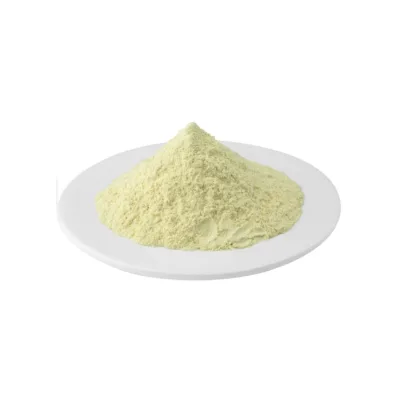
Food Supplement Vitamin K2 Mk4 Powder Vitamin K2 Mk7 Bulk Vitamin K2 Mk7 Powder
$91.40 - $440.57
MOQ: 1 Minimum


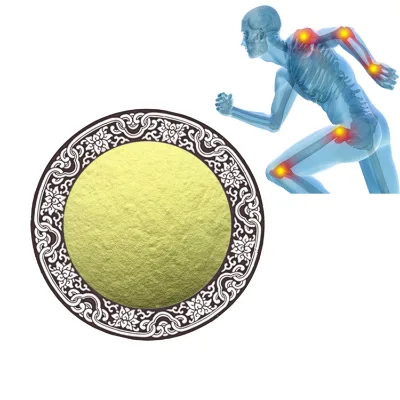
Food Grade Pure Vitamine K2 Mk4 Poudre Nutrition Supplement Vitamin K2 Mk4 Powder
$132.41 - $157.87
MOQ: 1 Minimum

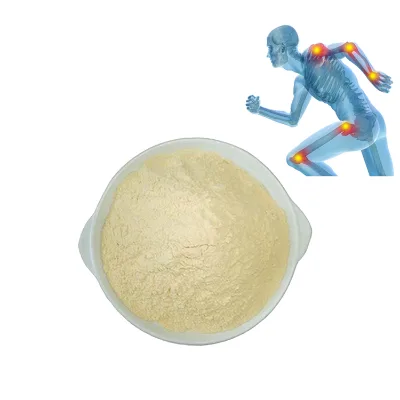
Manufacturer Price Vitamin K2 - MK4 Powder Supplements 1.3% 98% Vitamin K2 Mk 4
$130.00 - $150.00
MOQ: 1 Minimum




Comprehensive Sourcing Guide
Strategic Sourcing Guide for Light Yellow Vitamin K2 Powder
Procuring Light Yellow Vitamin K2 Powder for B2B applications requires a disciplined approach that balances technical specifications with rigorous compliance verification. The global market for this specific nutrient form is characterized by a diverse range of purity levels, manufacturing origins, and regulatory standards. Buyers must navigate a landscape where product attributes such as appearance, solubility, and chemical form (Mk4 vs. Mk7) dictate suitability for specific end-use applications. This guide outlines the essential factors for sourcing high-quality Vitamin K2 powder, focusing on the observed market data and technical realities of the supply chain.
Technical Specifications and Form Variations
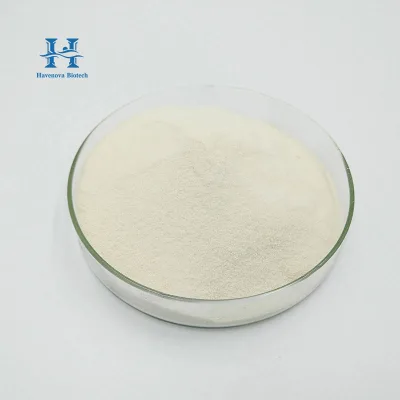
The primary differentiator in sourcing Vitamin K2 is the specific menaquinone variant, which dictates the physical and chemical properties of the final product. Market observations indicate that "light yellow" is a common descriptor for Vitamin K2 powder, though specific shades can range from pale yellow to white crystalline powder depending on the synthesis method and purity. The product name "Vitamin K2" is often associated with specific model numbers such as WG-VK2 MK7 or WG-VK2-001, which signal distinct formulations.
A critical technical parameter is the purity and concentration. While general market observations note a purity of greater than 98%, specific product standards vary significantly. Some listings specify a standard of 1.3% powder or oil, while others indicate a range of 0.2% to 1.5% for powder or oil forms. This variance is crucial for buyers formulating health foods or supplements, as the dosage requirements differ between the raw powder and pre-diluted forms. The mesh size is another specification to verify, with observed data suggesting a range of 60-80 mesh for standard powder grades.
Furthermore, the resource origin of the active ingredient influences the product profile. The market contains both "Natural" and "Chemosynthesis" variants. Natural sources often align with the "Menaquinone-4" (Mk4) designation, while chemosynthetic routes are frequently associated with "Menaquinone-7" (Mk7). The solubility profile is another key technical attribute; while some data points to 100% water solubility, other standards suggest oil-based formulations. Buyers must explicitly verify the solubility and form (powder vs. oil) to ensure compatibility with their manufacturing processes.
Compliance and Certification Verification
In the B2B supplement and food ingredient sector, certification is not merely a marketing feature but a prerequisite for market access. The supply chain for Vitamin K2 powder is heavily regulated, and buyers must demand evidence of compliance with international standards. Observed certifications for this product category include BP (British Pharmacopoeia), USP (United States Pharmacopeia), ISO HSE, and GMP (Good Manufacturing Practice). These certifications indicate that the manufacturing facility adheres to strict quality control and safety protocols.
Beyond general manufacturing standards, specific dietary certifications are often required depending on the target demographic. The product list indicates the availability of ISO9001, Halal, and Kosher certificates. These are essential for brands targeting specific religious or ethical consumer segments. Additionally, the product grade is frequently listed as "Food Grade," which distinguishes it from industrial or pharmaceutical-grade materials that may have different impurity tolerances.
Buyers should verify that the certificates provided are current and issued by recognized bodies. The presence of a CAS number, such as 11032-49-8, serves as a chemical identifier that must match the product specifications exactly. Discrepancies between the CAS number on the certificate and the product label can indicate a substitution or a mislabeled batch. It is also important to note that while some products claim a "Ration" or purity of 99%, others may list lower percentages based on the specific formulation (e.g., 1.3% or 1%). The certification documents must align with the specific standard claimed on the product data sheet.
Cost Drivers and Pricing Dynamics
The pricing of Vitamin K2 powder is influenced by a complex interplay of factors, including purity, synthesis method, and packaging requirements. The observed price range in the market spans from 1 to 6000 USD, a wide variance that reflects the difference between bulk raw materials and highly purified, specialized formulations. This range suggests that buyers should not rely on a single price point but rather evaluate the cost per unit of active ingredient.
The synthesis method is a primary cost driver. Chemosynthetic Vitamin K2, often associated with higher consistency and specific model numbers like WG-VK2 MK7, may command a different price point compared to natural extracts. The concentration of the active ingredient also plays a significant role; a product with 98% purity will naturally cost more per kilogram than a 1.3% diluted powder, even if the latter is more suitable for certain blending applications.
Packaging and logistics further impact the final cost. Standard packaging includes 1kg aluminum foil bags and 25kg drums, with some suppliers offering laminated materials for enhanced protection. The MOQ (Minimum Order Quantity) observed ranges from 1 unit to 100 units, with specific listings noting a standard MOQ of 25kg per drum. However, smaller sample sizes of 10g to 20g are often available for testing purposes. Buyers must calculate the total landed cost, including the MOQ constraints, to determine the economic viability of a supplier. High-volume buyers may negotiate better rates, but the initial investment in a 25kg drum must be weighed against the shelf life and storage requirements.
Typical Applications and Formulation Compatibility
Vitamin K2 powder is primarily utilized in the health food and healthcare product sectors. The product attributes explicitly list "Health Food" and "Health Care Products" as key applications. The versatility of the powder allows it to be incorporated into a wide array of formats, including capsules, tablets, and liquid supplements. The suitability of the product for "Adult," "Children," and "Elderly" demographics indicates a broad market potential, provided the dosage and purity meet the specific regulatory requirements for each group.
The specific application often dictates the required form of Vitamin K2. For bone health formulations, Menaquinone-7 (Mk7) is frequently preferred due to its longer half-life and bioavailability, whereas Menaquinone-4 (Mk4) is often used in specific therapeutic contexts. The physical appearance, described as "light yellow powder" or "pale yellow or white crystalline powder," must be compatible with the final product's aesthetic requirements. In clear capsules or light-colored tablets, a pale yellow powder is generally acceptable, whereas darker pigments might require additional masking agents.
Solubility is another critical factor for application compatibility. While some data suggests 100% water solubility, other standards indicate oil-based forms. This distinction is vital for manufacturers producing water-based beverages versus oil-based softgels. The storage requirements, typically "Cool and Dry Place" or "Normal" storage conditions, also influence the formulation process. Products that require special storage conditions may limit the shelf life of the final consumer product, necessitating careful supply chain planning.
Supplier Evaluation and Capacity Assessment
Evaluating a supplier for Vitamin K2 powder requires a deep dive into their production capacity and operational history. The observed data indicates a production capacity of 5000kg per month for certain suppliers, which is a significant metric for buyers planning large-scale production runs. However, capacity alone does not guarantee reliability; buyers must also assess the supplier's ability to maintain consistent quality over time.
The origin of the product is a key evaluation criterion. The majority of the observed supply originates from Shaanxi, China, a region known for its chemical and pharmaceutical manufacturing base. While this location offers competitive pricing and established logistics, buyers should verify the specific factory location and its adherence to local and international regulations. The "Product Origin" field should be cross-referenced with the certification documents to ensure the manufacturing site matches the claimed location.
Customization is a valuable attribute for B2B buyers. The market data confirms that customization is available, allowing suppliers to tailor the product to specific purity levels, packaging sizes, or labeling requirements. This flexibility is particularly useful for private label brands that need unique formulations. However, customization often comes with higher MOQs or longer lead times. Buyers should clarify the customization terms early in the negotiation process to avoid delays in production schedules.
Quality Control and Long-Term Procurement
Maintaining product integrity throughout the supply chain is essential for Vitamin K2 powder. The product attributes highlight the importance of proper storage, recommending a "Cool and Dry Place" to prevent degradation. The packaging materials, such as aluminum foil bags and drums, are designed to protect the powder from moisture and light, which can compromise the stability of the menaquinone compounds. Buyers should verify that the packaging is intact upon receipt and that the seals are secure.
Quality control extends beyond the initial purchase. Buyers should implement a rigorous testing protocol to verify the purity, which is often claimed to be greater than 98%, and to confirm the absence of contaminants. The "Ration" of 99% observed in some listings suggests a high level of refinement, but independent laboratory testing is recommended to validate these claims. The mesh size of 60-80 mesh should also be verified to ensure uniformity in the final product.
Long-term procurement considerations include the stability of the supply chain and the potential for price fluctuations. The observed price range of 1 to 6000 USD indicates a volatile market that can be influenced by raw material costs and regulatory changes. Buyers should establish long-term contracts with suppliers who demonstrate consistent capacity and quality. The availability of free samples (10g-20g) is a useful tool for initial quality assessment, but buyers must ensure that the sample represents the bulk product in terms of purity and appearance.
Comparative Analysis of Product Attributes
To facilitate decision-making, the following table summarizes the key attributes observed in the Vitamin K2 powder market, highlighting the variations buyers must navigate.
| Attribute | Observed Variations | Procurement Consideration |
|---|---|---|
| Product Name | Vitamin K2, Vitamin K2 Mk4, Vitamin K2 Mk7 | Verify the specific menaquinone variant required for the application. |
| Appearance | Yellow Crystals Powder, Pale Yellow/White Crystalline, Light Yellow | Ensure the color matches the aesthetic requirements of the final product. |
| Purity/Standard | >98%, 1.3%, 0.2%-1.5%, 99% | Confirm the active ingredient concentration aligns with dosage calculations. |
| Resource | Natural, Chemosynthesis | Determine if the source (natural vs. synthetic) is a brand requirement. |
| Solubility | 100% Water Soluble, Oil-based | Match the solubility profile to the manufacturing process (aqueous vs. oil). |
| Certification | BP, USP, ISO HSE, GMP, Halal, Kosher | Verify certifications match the target market's regulatory requirements. |
| Packaging | 1kg/Alu Foil Bag, 25kg/Drum, Laminated Material | Assess packaging integrity and suitability for storage and transport. |
| Origin | Shaanxi China, China | Evaluate logistics and regulatory compliance for the specific origin. |
In conclusion, sourcing Light Yellow Vitamin K2 Powder requires a meticulous approach that prioritizes technical accuracy, regulatory compliance, and supplier reliability. By carefully evaluating the specific attributes, certifications, and production capabilities of potential suppliers, buyers can secure a supply chain that meets the rigorous demands of the health and wellness industry. The wide range of available options, from natural extracts to chemosynthetic variants, offers flexibility but demands a high level of due diligence to ensure the final product meets all quality and safety standards.
FAQs
What certifications do Light Yellow Vitamin K2 Powder suppliers hold?
Suppliers typically hold BP, USP, ISO HSE, and GMP certifications. Additional dietary certificates like Halal and Kosher are also available to meet specific regional and religious requirements for food grade products.
Which purity levels are available for Light Yellow Vitamin K2 Powder?
Purity levels range from 1.3% to over 98% depending on the formulation. Some products offer 99% ration while others provide diluted standards like 1% or 1.3% for specific blending applications in health foods.
Can buyers request custom packaging for Light Yellow Vitamin K2 Powder?
Yes, customization is available for packaging and product specifications. Buyers can choose between 1kg aluminum foil bags or 25kg drums, with options for laminated materials to ensure product stability during storage.
How is Light Yellow Vitamin K2 Powder sourced from China?
The product originates primarily from Shaanxi, China, with a monthly capacity of 5000kg. Suppliers in this region offer both natural and chemosynthesis resources to meet varying purity and application needs.
What is the minimum order quantity for Light Yellow Vitamin K2 Powder?
The minimum order quantity typically starts at 25kg per drum but can range from 1 to 100 units depending on the supplier. Free samples of 10g to 20g are often available for initial quality testing.
Which storage conditions are required for Light Yellow Vitamin K2 Powder?
The powder must be stored in a cool and dry place to maintain stability. Normal storage methods are acceptable for some variants, but keeping the product away from moisture and light is essential for preserving the 98% purity.
What are the physical appearance characteristics of Light Yellow Vitamin K2 Powder?
The powder appears as yellow crystals or a pale yellow to white crystalline substance. The mesh size is typically between 60 and 80 mesh, ensuring uniformity for use in capsules, tablets, and liquid supplements.