Source Lightweight Bicycle Bar End Plugs for BMX, MTB, and Road Bikes
Find 30 listings for Lightweight Bicycle Bar End Plugs designed for BMX, mountain, and road bicycles. Compare aluminum alloy and rubber options with varying clamp diameters and colors to match your handlebar specifications.
Key considerations
Products List
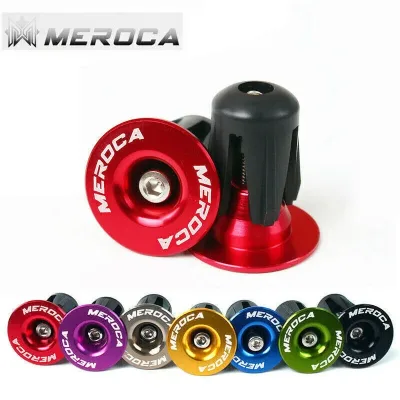


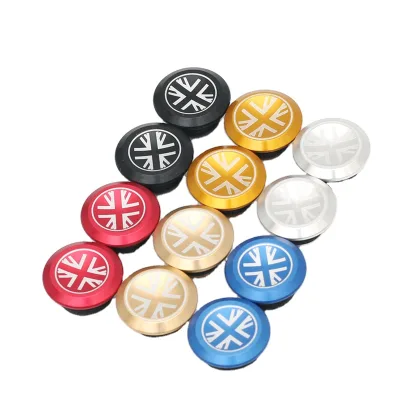


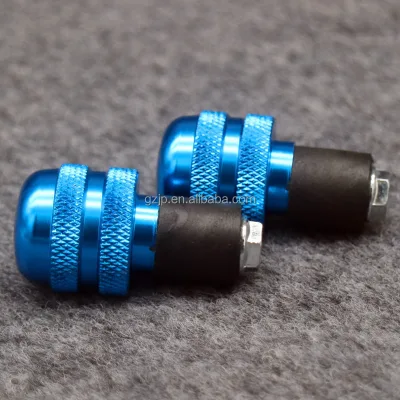
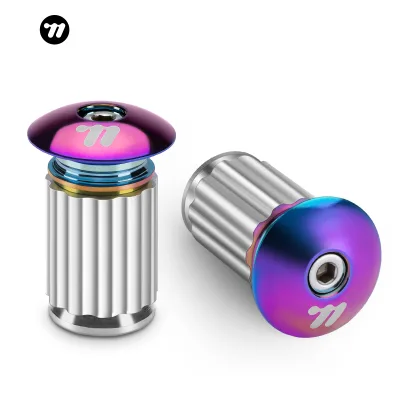
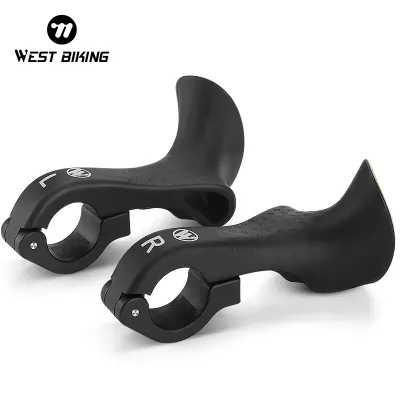
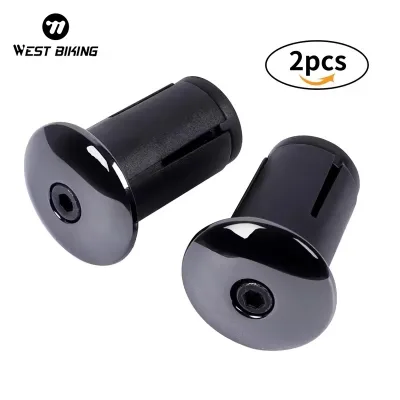

Comprehensive Sourcing Guide
Lightweight Bicycle Bar End Plugs Sourcing Guide
Sourcing Lightweight Bicycle Bar End Plugs requires a careful balance between material efficiency, structural integrity, and aesthetic customization. These components serve as both functional closures for handlebar tubes and stylistic accents for various bicycle types, including BMX, mountain bikes, and road bicycles. Buyers must navigate a market where product attributes vary significantly across suppliers, ranging from simple aluminum caps to complex assemblies involving rubber inserts and specific screw specifications. The following guide provides evidence-based procurement strategies to help buyers identify reliable suppliers and verify product quality without relying on unverified claims.
The procurement landscape for these components is characterized by a wide range of observed listing signals, including price points from $0.01 to $5.72 and minimum order quantities (MOQs) ranging from 1 to 1000 pairs. This variance suggests a market segmented by volume, customization level, and material quality. Buyers should approach this diversity with caution, recognizing that lower price points may correlate with basic aluminum construction, while higher prices might reflect multi-material designs or branded components. Understanding these market signals is the first step in defining a realistic procurement strategy that aligns with budget constraints and quality expectations.
Product Scope and Observed Listing Signals
The product scope for lightweight bar end plugs encompasses a variety of designs tailored to different handlebar calibers and aesthetic preferences. Observed listings indicate that suitable handlebar calibers typically range from 22mm to 24mm, with clamp diameters specified between 28.1mm and 29.5mm for certain models. Widths for these components generally fall within the 300mm to 400mm range, although this specification likely refers to the handlebar compatibility rather than the plug itself, requiring careful verification. Buyers must distinguish between the dimensions of the plug and the handlebar it fits, as confusion in these metrics can lead to compatibility issues during installation.
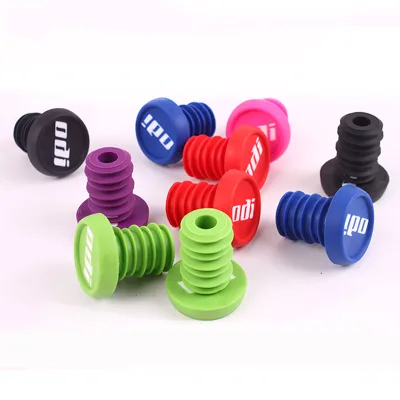
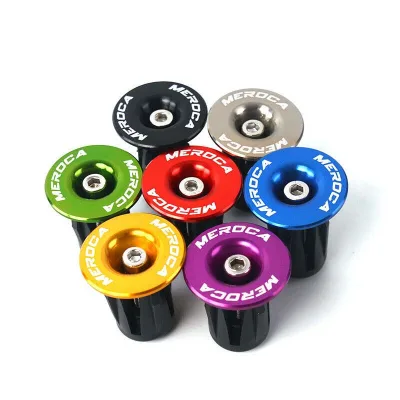
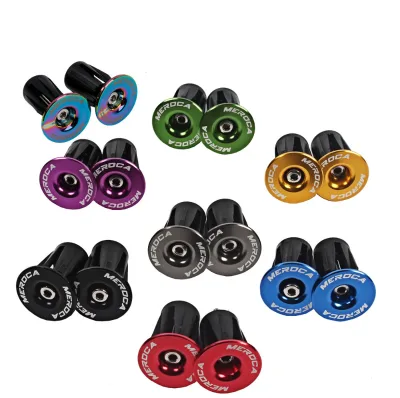
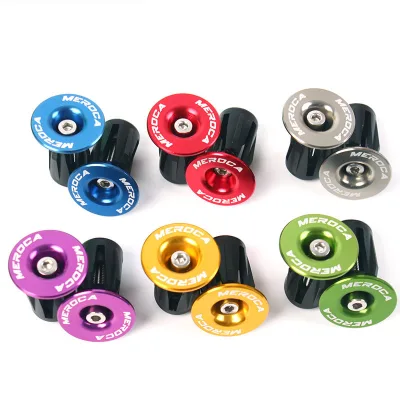
Color options are extensive, with suppliers offering white, red, purple, green, blue, pink, black, gold, and colorful variants. Some listings highlight specific brand names such as ODI, MEROCA, and Bucklos, indicating that branded components are available alongside generic alternatives. The material composition varies, with aluminum alloy being a common choice, often combined with rubber for grip or aesthetic contrast. Buyers should note that weight specifications are provided for pairs, typically ranging from 19g to 20g, with a tolerance of plus or minus 1-2g. This consistency in weight suggests a standardized manufacturing process for lightweight models, which is crucial for performance-oriented applications.
Technical Specifications to Verify
Verifying technical specifications is critical to ensuring that the bar end plugs fit the intended handlebars and meet performance requirements. Key attributes to confirm include the screw specification, which is often listed as M4*34mm, and the single package size, which can vary from 4x4x2 cm to 10x10x10 cm depending on the supplier and packaging method. Buyers should request detailed dimensional drawings or physical samples to verify the clamp diameter and overall width, as these parameters directly impact the fit and stability of the component. Misalignment in these specifications can result in loose fittings or damage to the handlebar ends.
Material composition is another vital area for verification. While aluminum alloy is frequently cited, the presence of rubber components or other inserts should be confirmed to assess durability and aesthetic appeal. Some listings mention a "supply ability" of 200 carats per day, a unit that is unusual for metal components and may indicate a data entry error or a specific niche product line. Buyers should clarify this metric with the supplier to ensure it aligns with their volume requirements. Additionally, the condition of the product is typically listed as new, but buyers should verify the manufacturing process to ensure consistency in finish and quality across batches.
Compliance and Safety Documentation
Compliance and safety documentation are essential for ensuring that the bar end plugs meet regulatory standards and do not pose risks to users. Some suppliers list certifications such as ISOEEC, BSCI, and CE, which indicate adherence to specific quality and social responsibility standards. Buyers should request copies of these certificates to verify their validity and scope, as certifications can vary in relevance depending on the target market. For instance, CE marking is crucial for products sold in the European Union, while BSCI certification may be important for brands with strict ethical sourcing policies.
In addition to formal certifications, buyers should inquire about the testing procedures used to validate the strength and durability of the bar end plugs. While specific test results are not provided in the observed listings, understanding the stress tests and material analyses conducted by the supplier can provide insight into the product's reliability. Buyers should also verify that the components are free from harmful substances, particularly if they contain rubber or other non-metallic materials. Ensuring compliance with environmental and safety regulations is not only a legal requirement but also a key factor in maintaining brand reputation and customer trust.
Cost Drivers and Commercial Terms
Cost drivers for lightweight bar end plugs include material costs, manufacturing complexity, and customization requirements. Aluminum alloy is a relatively inexpensive material, but the addition of rubber inserts or specialized finishes can increase production costs. Customization options, such as specific colors or branding, may also impact the price, as they require additional setup and processing time. Buyers should analyze the cost structure to understand how these factors influence the final price and identify opportunities for cost savings without compromising quality.
Commercial terms, including MOQs and payment conditions, vary significantly across suppliers. Observed MOQs range from 1 pair to 1000 pairs, offering flexibility for both small-scale and large-volume buyers. Buyers should negotiate terms that align with their inventory management strategies and cash flow requirements. Additionally, the port of dispatch, often listed as Xiamen Port for suppliers in Fujian, China, can affect shipping costs and lead times. Understanding these commercial terms is essential for accurate total cost of ownership calculations and effective supply chain planning.
Supplier Qualification and Quality Control
Supplier qualification is a critical step in ensuring a reliable supply of high-quality bar end plugs. Buyers should assess suppliers based on their production capacity, quality control processes, and track record. Suppliers with a stated supply ability of 200 carats per day should be evaluated for their consistency and ability to meet larger orders. Buyers should also verify the supplier's location, with Fujian, China, being a common origin for these components, and assess their logistical capabilities to ensure timely delivery.
Quality control measures should be clearly defined and agreed upon before placing orders. Buyers should request information on the inspection processes used to check for defects, such as cracks, misalignments, or finish inconsistencies. Implementing a sampling plan for incoming goods can help identify quality issues early in the supply chain. Additionally, buyers should establish clear communication channels with suppliers to address any quality concerns promptly. Building a strong relationship with qualified suppliers can lead to better pricing, improved quality, and more reliable service over time.
Long-Term Procurement Checks
Long-term procurement checks involve continuous monitoring of supplier performance and product quality to ensure sustained value. Buyers should regularly review supplier metrics, such as on-time delivery rates, defect rates, and responsiveness to issues. These metrics provide valuable insights into the supplier's reliability and help identify areas for improvement. Buyers should also stay informed about market trends and technological advancements in bar end plug manufacturing to ensure they remain competitive and meet evolving customer demands.
Regular audits and feedback loops are essential for maintaining high standards. Buyers should conduct periodic audits of supplier facilities to verify compliance with quality and safety standards. Feedback from end-users and internal teams can also highlight potential issues or opportunities for product enhancement. By maintaining a proactive approach to supplier management, buyers can mitigate risks, optimize costs, and ensure a steady supply of high-quality Lightweight Bicycle Bar End Plugs. This long-term perspective is crucial for building a resilient and efficient procurement strategy.
FAQs
What materials are used for these bar end plugs?
These bar end plugs are constructed from aluminum alloy combined with rubber for durability and grip. Some variants use pure aluminum alloy, while others feature a composite design to ensure longevity during use on BMX, mountain, or road bicycles.
Which handlebar calibers are compatible with these plugs?
The plugs are suitable for handlebars with a caliber ranging from 22 to 24mm. This specification ensures a secure fit for various bicycle types including BMX, mountain bikes, and road bicycles without requiring additional adapters.
Can I order customized bar end plugs with specific colors?
Yes, customization is available for these products, allowing buyers to select from colors like white, red, purple, green, blue, pink, black, or gold. Buyers can request specific color combinations or branding to match their inventory needs.
What is the minimum order quantity for these plugs?
The minimum order quantity is one pair for most listed products. Some suppliers may accept orders starting from one unit, while others might have higher thresholds up to 1000 units depending on the specific manufacturer and customization requirements.
How much does a pair of these bar end plugs weigh?
A pair of these bar end plugs typically weighs approximately 19 to 20 grams, with a tolerance of plus or minus 1 to 2 grams. This lightweight design ensures minimal added weight to the bicycle handlebars while maintaining structural integrity.
Are these bar end plugs certified for safety standards?
Some products in this category hold certifications such as ISO, EEC, BSCI, and CE. These certifications indicate compliance with international safety and quality standards, ensuring the products meet regulatory requirements for export and domestic sales.
What is the typical packaging size for a single pair?
Single package sizes vary by manufacturer but generally range from 4x4x2 cm to 10x10x10 cm. The packaging details indicate that items are shipped as parcels containing one pair of ends plugs, often with a gross weight of 0.010 to 0.600 kg.