Source Lightweight Antibacterial Titanium Coffee Mug for Travel, Office, and Gym
Find 30 options for the Lightweight Antibacterial Titanium Coffee Mug designed for travel, office, and gym use. Buyers can compare specifications, customization features, and pricing from verified suppliers offering OEM services.
Key considerations
Products List


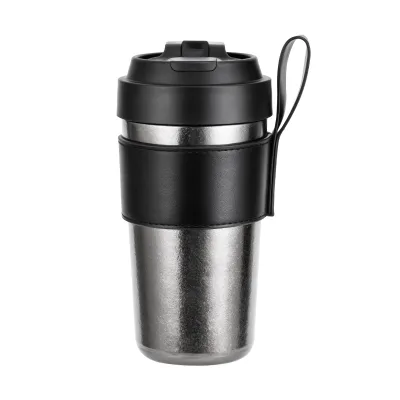
New Material 480ml Titanium Metal Double Wall Coffee Cup Mug Water Bottle
$2.20 - $3.50
MOQ: 50 Pieces





Comprehensive Sourcing Guide
Strategic Sourcing Guide for Lightweight Antibacterial Titanium Coffee Mugs
Understanding the Material and Functional Profile
When sourcing a Lightweight Antibacterial Titanium Coffee Mug, the primary differentiator lies in the material composition and its inherent physical properties. Unlike traditional stainless steel or aluminum alternatives, titanium offers a unique combination of low density and high strength-to-weight ratio, making it ideal for users prioritizing portability without sacrificing durability. The product attributes observed in the market indicate that these vessels are frequently constructed from titanium, a material known for its biocompatibility and resistance to corrosion. This composition directly supports the "antibacterial" claim often associated with the smooth, non-porous surface of the metal, which inhibits bacterial adhesion compared to more porous materials.
The functional profile of these mugs is robust, designed to maintain thermal integrity for extended periods. Market observations suggest insulation times ranging from 6 to 24 hours, depending on the specific vacuum technology and wall construction. The most common configuration involves a double-wall vacuum design, which creates a thermal barrier to keep beverages hot or cold. This aligns with the "Keep Hot and Cold" and "Vacuum Flasks" specifications found in current listings. The product is engineered for a wide array of applications, including travel, outdoor activities, office use, and in-car environments. The "Direct Drinking" style and availability of accessories like lids and straws further enhance their utility for active lifestyles, such as running, gym sessions, and school use.
Technical Specifications and Design Variations
The technical landscape of titanium coffee mugs is defined by specific model numbers and structural designs that buyers must evaluate. Current market data highlights specific models such as GT-N-16 and GT-N-22, which represent different iterations of vacuum flask technology. These models often feature a "Straight Cup" shape, contributing to a modern and fashionable aesthetic that appeals to a broad demographic. The single gross weight for these units is typically around 0.350 kg, confirming the lightweight nature essential for travel and outdoor use.
Packaging and dimensions are critical logistical factors. Standard single package sizes are observed around 12x12x22 cm, which influences shipping costs and storage efficiency. The "Food grade" standard is a mandatory baseline for all drinking vessels, ensuring that the titanium and any internal coatings do not leach harmful substances. While some listings mention "BPA Free" as a key attribute, the primary safety mechanism is the material itself, which is inherently free of bisphenol A. The "Customized Color" and "Multicolor" options allow for branding flexibility, while the "Laser Engraved," "Silk Screen," and "3D" logo capabilities provide diverse methods for corporate identity integration.
| Feature Category | Observed Specifications | Sourcing Consideration |
|---|---|---|
| Material | Titanium, Double Wall Stainless Steel | Verify purity and alloy grade for weight vs. strength balance. |
| Insulation | 6-12 Hours, up to 24 Hours | Request specific test data for hot/cold retention under varying ambient conditions. |
| Capacity | Custom | Confirm volume ranges to ensure they meet specific user needs (e.g., 350ml vs. 500ml). |
| Accessories | With Lid, With Straw | Ensure lids are leak-proof and compatible with the specific model number. |
| Weight | ~0.350 kg (Single Unit) | Calculate total shipping weight based on order volume and packaging density. |
Compliance, Certification, and Safety Standards
Navigating the regulatory landscape is paramount when importing titanium drinkware. The market data explicitly cites LFGB and CE certifications as available standards for these products. LFGB (German Food and Feed Code) is a stringent standard that often exceeds EU requirements, particularly regarding migration limits of harmful substances. CE marking indicates conformity with health, safety, and environmental protection standards for products sold within the European Economic Area. Buyers must verify that the specific supplier can provide valid, current certificates for these standards, as "support" for certification does not guarantee that every batch is certified.
Beyond the listed certifications, the "Food Contact Safe" description is a critical observation. While titanium is generally safe, the manufacturing process involves welding and coating. Buyers should request a Declaration of Conformity (DoC) and ensure the supplier adheres to Food grade standards. It is essential to distinguish between the material certification and the final product certification. The "BPA Free" attribute is a standard expectation for modern drinkware, but it should be explicitly confirmed in the product datasheet. For markets in North America, additional verification against FDA regulations may be necessary, even if not explicitly listed in the initial product summary.
Cost Drivers and Minimum Order Quantities
The pricing structure for titanium coffee mugs is influenced by several variables, including material costs, customization complexity, and order volume. The observed price range in the market spans from 1.8 to 130 USD, a wide variance that reflects differences in quality, brand positioning, and the extent of customization. The lower end of the spectrum likely represents standard, unbranded units or those with minimal finishing, while the higher end may include premium designs, complex laser engraving, or specialized packaging.
Minimum Order Quantities (MOQ) are a significant factor in procurement planning. The data indicates an MOQ range of 1 to 3000 units, with a specific common threshold of 50 PCS for certain models and 500 pcs for others. This variability allows for flexibility; buyers can test the market with small orders (as low as 1 unit in some cases) or commit to larger volumes for better unit economics. The "Sample" lead time is noted as 1-3 days, which is advantageous for rapid prototyping and quality verification before committing to a full production run.
| Cost Factor | Impact on Pricing | Buyer Strategy |
|---|---|---|
| Material | Titanium is more expensive than steel/aluminum. | Prioritize suppliers with direct titanium sourcing to reduce margins. |
| MOQ | Higher MOQs generally lower unit cost. | Negotiate tiered pricing based on volume commitments. |
| Customization | Laser engraving and custom colors add cost. | Consolidate logo and color requirements to minimize setup fees. |
| Packaging | Box and Carton options vary in cost. | Optimize packaging size to reduce sea/air freight expenses. |
Typical Applications and User Demographics
The versatility of titanium coffee mugs makes them suitable for a diverse range of applications. The "Applicable User" is listed as "Unisex" and "All," indicating a broad market appeal. The primary use cases include Travel, Outdoor adventures, Office environments, and In-Car usage. The "Gym, Sports, Running, School" applications highlight the product's suitability for active lifestyles where durability and weight are critical. The "American Style" and "Modern Fashionable" design elements suggest these products are marketed toward consumers who value aesthetics alongside functionality.
The "Back to School" occasion further expands the potential market, targeting students who need reliable hydration solutions. The "Keep Hot and Cold" function ensures the mug is useful year-round, whether for hot coffee in the morning or iced tea during summer activities. The "Leak Proof" feature, often associated with the lid design, is essential for these mobile applications, preventing spills in bags or vehicles. Buyers should consider the specific needs of their target demographic; for instance, outdoor enthusiasts may prioritize the 24-hour insulation time, while office workers might focus on the aesthetic and leak-proof qualities.
Supplier Evaluation and Quality Control Protocols
Selecting the right supplier requires a rigorous evaluation process that goes beyond the initial product listing. The "OEM/ODM" support indicates that suppliers are capable of manufacturing custom designs, but this capability must be validated. Buyers should verify the supplier's production capacity and their ability to maintain consistency across batches. The "High-quality" advantage is a common claim, but it must be substantiated through physical testing and third-party audits.
Quality control (QC) should be a multi-stage process. First, verify the "Sample" quality against the agreed specifications, paying close attention to the insulation performance and the integrity of the vacuum seal. Second, conduct pre-shipment inspections to ensure the "Single gross weight" and "Single package size" match the contract. Third, request batch-specific test reports for the LFGB and CE certifications. The "Customization Available" feature introduces variables such as logo placement and color accuracy; these should be approved via a physical sample before mass production begins.
| QC Checkpoint | Verification Method | Critical Standard |
|---|---|---|
| Material Verification | Spectrometer analysis or mill certificates. | Titanium purity and alloy composition. |
| Thermal Performance | Independent lab testing for hot/cold retention. | 6-12 hours or 24 hours as specified. |
| Leak Testing | Inversion and pressure tests on filled units. | No leakage under normal transport conditions. |
| Surface Finish | Visual inspection and scratch tests. | Smoothness, absence of burrs, logo clarity. |
Long-Term Procurement and Logistics Considerations
Sourcing titanium mugs involves long-term logistics planning, particularly regarding shipping and storage. The "prod_packing" details indicate options for "Box and Carton" delivery, with shipping available "by Sea" or "by Air." The choice between sea and air freight depends on the urgency of the order and the total volume. Given the "Single package size" of 12x12x22 cm, buyers can calculate the number of units per container to optimize freight costs. The "place of origin" is listed as China, with a specific mention of Henan for some models, which helps in assessing regional logistics hubs and potential supply chain disruptions.
Lead times are another critical consideration. While samples can be produced in 1-3 days, full production lead times are not explicitly stated in the provided data. Buyers should negotiate clear timelines based on order volume and customization complexity. The "Customized Color" and "Logo" options may extend production time due to the need for setup and drying. Furthermore, the "MOQ" flexibility allows for a phased procurement strategy, where initial orders are small to test the market, followed by larger replenishment orders.
In conclusion, sourcing a Lightweight Antibacterial Titanium Coffee Mug requires a balanced approach that weighs material benefits against cost and compliance. The observed specifications confirm that these products are capable of meeting high standards for insulation, durability, and safety. By focusing on verified certifications like LFGB and CE, validating the titanium material grade, and establishing clear communication regarding customization and logistics, buyers can secure a reliable supply chain for these versatile drinkware solutions. The wide range of applications and the ability to customize make this product category a strong candidate for both B2B and B2C procurement strategies.
FAQs
How long does the insulation last for hot and cold drinks?
Insulation time ranges from 6 to 24 hours depending on the specific model and vacuum technology used. Some listings specify 12 hours while others claim up to 24 hours for optimal thermal retention in travel or outdoor settings.
What certifications are available for these titanium coffee mugs?
Products are available with LFGB and CE certifications to ensure safety and compliance. These standards verify that the materials are food grade and safe for contact with beverages like water, coffee, and tea.
Can I customize the logo and color of the mug?
Yes, customization is available for logos using laser engraving, silk screen, or 3D methods. Buyers can also request customized colors and specific capacities to match their brand requirements or target audience preferences.
What is the minimum order quantity for these titanium mugs?
The minimum order quantity varies between 50 and 500 pieces depending on the specific product model. Some suppliers offer lower MOQs as low as 1 unit for samples, while bulk orders may require up to 3000 units.
Where are these titanium coffee mugs manufactured and shipped from?
The products originate from China, with specific manufacturing locations including Henan. Shipping options include sea or air freight, with packaging typically provided in boxes and cartons for safe transport.
What materials are used to construct these lightweight mugs?
The primary material is titanium, which offers a high strength-to-weight ratio and corrosion resistance. Some listings also mention double wall stainless steel construction, ensuring the product is BPA free and food contact safe.