Source Lightweight Duckbill Hat Clip for hats, masks, and coats
Compare 30 listings for the Lightweight Duckbill Hat Clip designed to secure hats, masks, gloves, and luggage. Buyers can evaluate specifications like size, material, and customization options from verified Chinese manufacturers.
Key considerations
Products List




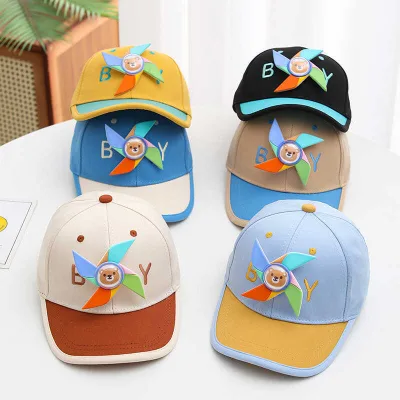
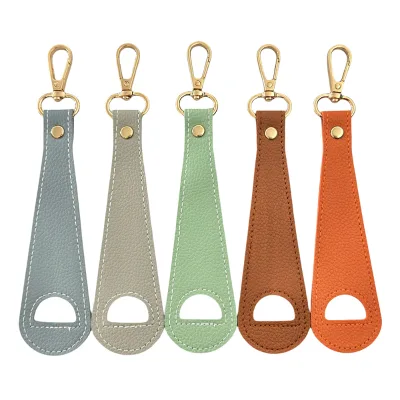


The New Gradient Rabbit Fur Women's Versatile Autumn and Winter Warm Plush Bucket Hat
$2.29 - $3.79
MOQ: 500 Pieces

Comprehensive Sourcing Guide
Lightweight Duckbill Hat Clip Sourcing Guide
Sourcing lightweight duckbill hat clips requires a nuanced understanding of the intersection between functional utility and promotional branding. These accessories are primarily designed to secure hats, masks, gloves, and other personal items to bags, coats, or luggage, offering a practical solution for travelers and event attendees. The core appeal lies in their ability to prevent loss and maintain organization without adding significant bulk or weight to the user’s gear. Buyers must distinguish between generic utility clips and those designed for specific aesthetic or promotional purposes, such as branded giveaways for corporate events or holiday promotions.
The procurement landscape for these items is characterized by a wide variance in material composition, manufacturing origin, and minimum order quantities. While some suppliers offer basic nylon or plastic clips for high-volume, low-cost applications, others provide plush or fabric-covered options tailored for seasonal themes or premium branding. Understanding the specific use case—whether for industrial luggage tagging, fashion accessories, or festive decorations—is critical for selecting the right supplier. This guide outlines the essential verification steps, compliance requirements, and commercial considerations necessary to secure a reliable supply chain for lightweight hat clips.
Product Scope and Observed Listing Signals
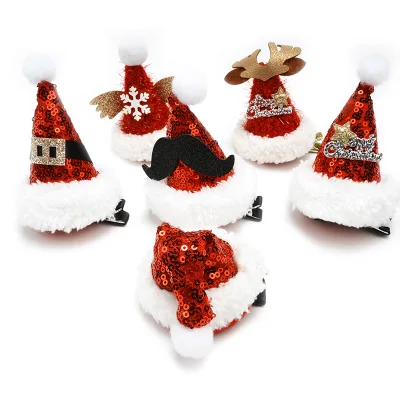
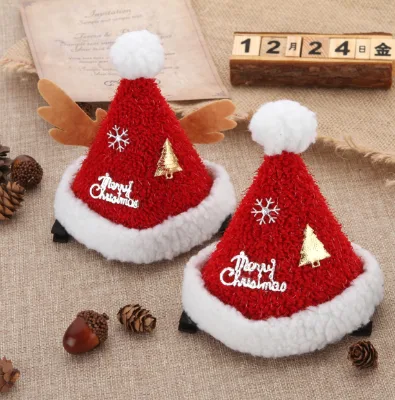
The market for hat clips encompasses a diverse range of product types, from simple elastic holders to decorative props. Observed listings indicate that products often serve dual purposes, such as Christmas-themed hair clips or functional travel accessories. For instance, some items are marketed as "Christmas Hat Hair Clips" with specific model numbers like OZ09HW034, featuring fabric materials and funny design styles intended for holiday decorations. These products highlight the importance of verifying the intended application, as a clip designed for festive wear may not possess the durability required for heavy-duty luggage use.
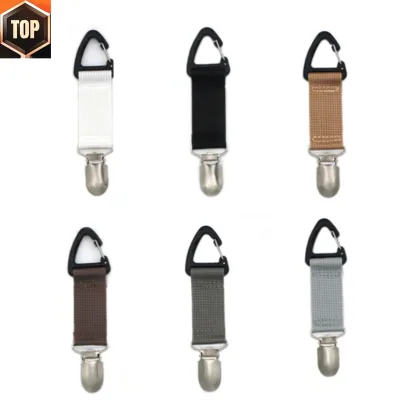
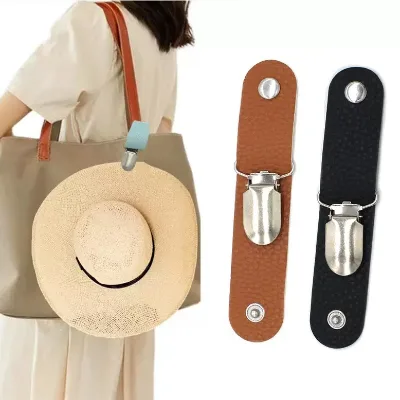
Conversely, other listings focus on utility, such as the "travel hat clip" or "elastic hat holder" made from nylon, alloy, and plastic. These items are often specified with precise dimensions, such as 25mm125mm or 32mm125mm, and are designed to attach to a variety of surfaces including backpacks, suitcases, and belts. The presence of OEM/ODM support in many listings suggests that buyers can customize these items with logos or specific colors, such as red or single-color options. However, the variation in materials—from plush to hard plastic—means that buyers must carefully match the product specification to their end-user’s needs to avoid functionality mismatches.
Technical Specifications to Verify
Material composition is the primary technical factor determining the durability and feel of the hat clip. Buyers should verify whether the clip is constructed from soft materials like plush or fabric, which are suitable for decorative or light-use cases, or harder materials like nylon and alloy, which offer greater strength for securing heavy items. The inclusion of alloy components often indicates a stronger spring mechanism, while plastic or fabric covers may provide a softer touch against clothing or skin. It is essential to request material samples to assess the tactile quality and resistance to wear, especially if the clips will be subjected to frequent handling or outdoor conditions.
Dimensional accuracy and packaging details are equally critical for logistics and end-user satisfaction. Specifications such as single package size, overall dimensions, and weight must be confirmed to ensure compatibility with shipping containers and retail packaging. Some listings specify exact sizes like 14*14cm or 2.4x3.3IN, while others provide metric measurements. Additionally, the packing method, whether in OPP bags, polybags, or customized boxes, affects both the protection of the product during transit and the unboxing experience for the customer. Buyers should also verify the model number and any customization options, such as print availability or color variations, to ensure the final product matches the design intent.
Compliance and Safety Documentation
Safety standards are paramount, particularly when the clips are intended for use by children or in close proximity to the face. Although specific certification statuses vary by supplier, buyers should inquire about compliance with relevant safety regulations, such as those governing small parts or chemical content in plastics and fabrics. Some suppliers list certifications like Sedex, WCA, or ISO9001, which indicate adherence to ethical labor practices and quality management systems, respectively. These certifications do not automatically guarantee product safety but suggest a higher level of operational discipline that can reduce the risk of non-compliant goods.
Buyers must also consider the legal requirements for labeling and marketing claims. If the product is marketed as a "Christmas Decoration" or a "Themed Prop," it must comply with local advertising standards and product safety laws in the destination market. For items made from plush or fabric, buyers should verify that the materials are free from harmful substances and meet flammability standards if applicable. It is advisable to request test reports from independent laboratories to confirm that the clips meet the specific safety requirements of the target region, ensuring that the product can be legally sold and used without risk of injury or regulatory penalty.
Cost Drivers and Commercial Terms
The cost of lightweight duckbill hat clips is influenced by several factors, including material choice, customization complexity, and order volume. Basic plastic or nylon clips typically have lower unit costs, especially when ordered in large quantities, while plush or fabric-covered options may incur higher material and labor costs. Customization, such as adding logos or specific colors, can also impact pricing, although many suppliers support OEM/ODM services. Buyers should negotiate based on the total landed cost, considering not just the unit price but also shipping, tariffs, and any additional fees for tooling or setup.
Payment terms and minimum order quantities (MOQ) are key commercial considerations that affect cash flow and inventory management. Observed MOQs range widely, from as low as 20 pieces to 1000 or more, depending on the supplier and product type. Flexible MOQs may be available for standard items, while customized products often require higher minimums to justify production setup. Payment methods such as T/T, PayPal, Western Union, and Trade Assurance are commonly offered, with each option carrying different levels of security and convenience. Buyers should align their payment strategy with their risk tolerance and the supplier’s reputation, ensuring that terms are clearly defined in the contract to avoid disputes.
Supplier Qualification and Quality Control
Supplier qualification begins with verifying the company’s background and manufacturing capabilities. Buyers should check the supplier’s place of origin, with common locations including Zhejiang, Fujian, and Hubei in China, as these regions have established clusters for textile and plastic manufacturing. Assessing the supplier’s production capacity, lead times, and past performance is essential to ensure they can meet delivery deadlines and quality expectations. Requesting references or case studies from previous clients can provide insight into the supplier’s reliability and responsiveness, particularly for large or complex orders.
Quality control measures should be integrated into the procurement process to minimize the risk of defects. Buyers should establish clear quality standards and inspection criteria before production begins, covering aspects such as material integrity, dimensional accuracy, and functional performance. Implementing pre-shipment inspections or third-party quality audits can help identify and rectify issues before the goods are shipped. Additionally, maintaining open communication with the supplier regarding any changes in design or specifications can prevent misunderstandings and ensure that the final product meets the buyer’s requirements.
Long-Term Procurement Checks
Building a sustainable supply chain for hat clips requires ongoing monitoring and relationship management. Buyers should regularly review supplier performance metrics, including on-time delivery rates, defect rates, and responsiveness to issues. Establishing a long-term partnership with a reliable supplier can lead to better pricing, priority production, and improved service levels. It is also important to stay informed about market trends and technological advancements in clip design and materials, which may offer new opportunities for product differentiation or cost savings.
Continuous improvement in procurement processes is essential for adapting to changing market conditions and customer needs. Buyers should periodically reassess their supplier base to ensure they are leveraging the best available options for quality, cost, and service. This may involve diversifying suppliers to mitigate risk or exploring new markets for specialized products. By maintaining a proactive approach to supplier management and quality assurance, buyers can ensure a steady supply of high-quality lightweight duckbill hat clips that meet their business objectives and customer expectations.
FAQs
What materials are used for lightweight duckbill hat clips?
The product is constructed from fabric, plush, or a combination of nylon, alloy, and plastic depending on the specific model. These materials ensure durability while maintaining a lightweight profile suitable for various accessories like hats, masks, and bags.
Which certifications do the manufacturers hold for these clips?
Manufacturers often hold Sedex, WCA, and ISO9001 certifications to ensure quality and ethical standards. These credentials verify that the production processes meet international requirements for safety and management systems before shipping to global buyers.
Can I customize the design style of the hat clips?
Yes, customization is available for design styles such as funny or themed props. Buyers can request specific features like wings or wingless styles, though some items may not support printing depending on the material and model selected.
What is the minimum order quantity for these hat clips?
Minimum order quantities vary by supplier, ranging from 20 pieces to 10,000 sets. Some listings specify 100 sets or 50 pieces as the baseline, so buyers must confirm the specific MOQ with the vendor before placing an order.
How are the hat clips packaged for shipping?
Items are typically packed in OPP bags or polybags to protect them during transit. Each set usually includes one piece, and packaging can be customized to meet specific buyer requirements for retail or bulk distribution purposes.
Where are these hat clips manufactured?
Products originate from various regions in China, including Zhejiang, Fujian, and Hubei provinces. The specific location depends on the manufacturer, and buyers should verify the place of origin to ensure it aligns with their logistics or sourcing preferences.