Source Lightweight Dyed Organza Fabric for Apparel, Wedding, and Lining
Compare 30 listings of Lightweight Dyed Organza Fabric from verified suppliers. Buyers can evaluate options for apparel, wedding wear, and garment lining based on material, color, and customization availability; compare the available evidence and request quotations based on your requirements.
Key considerations
Products List
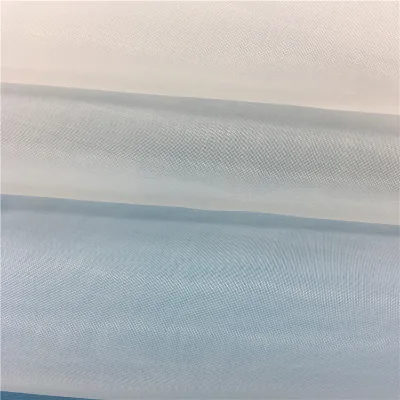


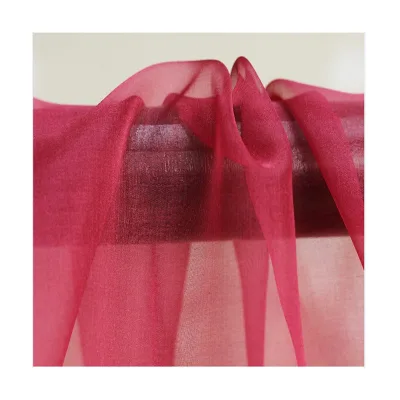
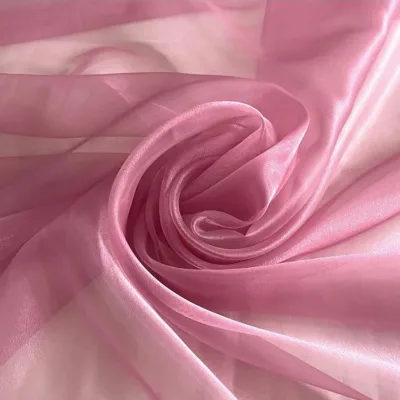
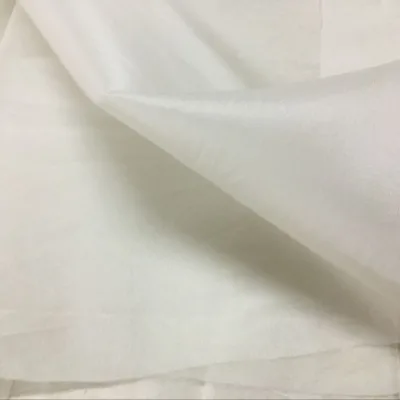


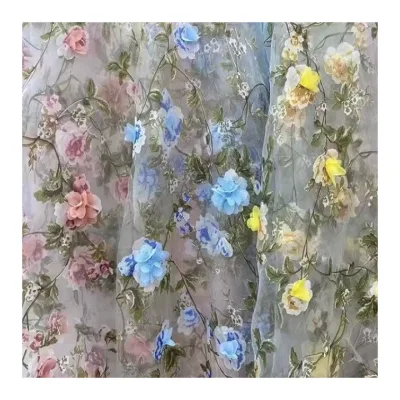


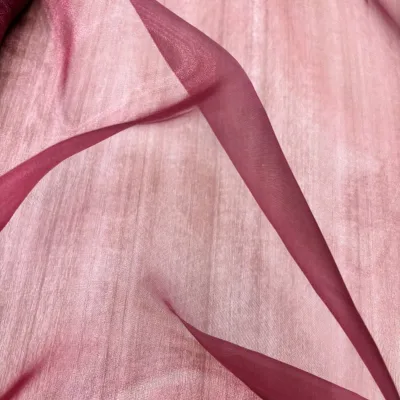
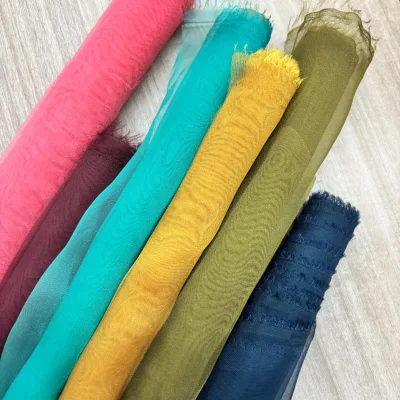


Home Textile Pretty Striped Oragnza Curtain Fabric Made Embroidered Curtain
$3.75 - $3.85
MOQ: 550 Pieces
Comprehensive Sourcing Guide
Lightweight Dyed Organza Fabric Sourcing Guide
Sourcing Lightweight Dyed Organza Fabric requires a nuanced understanding of material composition, as the term "organza" often overlaps with tulle mesh and sheer polyester blends in global trade listings. Buyers must distinguish between traditional silk organza and modern synthetic alternatives, which dominate the market due to cost efficiency and durability. The observed product data indicates a strong prevalence of 100% polyester compositions, often described with keywords like "polyester organza" or "tulle mesh," suggesting that many suppliers use these terms interchangeably for sheer, crisp fabrics. This distinction is critical because the hand feel, drape, and performance characteristics vary significantly between natural silk and synthetic polyester variants. Procurement teams should verify the exact fiber content to ensure the fabric meets the specific aesthetic and functional requirements of the final garment, whether it is for dancewear, sportswear, or special occasion dresses.
Furthermore, the dyeing process and pattern type are pivotal factors in selecting the right material for production. The available data highlights "yarn dyed" and "plain dyed" options, alongside floral and embroidered variations, indicating a diverse range of visual finishes. Buyers should note that "customized hand feeling" is a common offering, allowing for adjustments in stiffness or softness to suit different design needs. The lightweight nature of these fabrics, often specified around 31gsm, makes them ideal for layered applications, linings, and decorative overlays. However, the thinness also demands careful handling during cutting and sewing to prevent fraying or distortion. Understanding these technical nuances helps buyers align their sourcing strategy with the intended end-use, ensuring that the selected fabric provides the necessary structure and visual appeal without compromising on weight or texture.
Product Scope and Observed Listing Signals
The product scope for lightweight dyed organza encompasses a wide array of applications, primarily targeting apparel sectors such as dancewear, sportswear, dresses, skirts, and wedding garments. The observed listings reveal that these fabrics are frequently marketed as linings or outer layers for garments processing, indicating their versatility in both structural and decorative roles. The applicable crowd includes women, men, girls, and boys, suggesting that the fabric is used in unisex or family-oriented collections. Additionally, the presence of "embroidered lace" and "floral" patterns points to a niche market for detailed, high-end fashion items where texture and visual complexity are paramount. Buyers should recognize that while the core material is sheer and lightweight, the addition of embroidery or specific dye techniques can significantly alter the fabric's weight and handling properties, requiring adjustments in pattern making and production workflows.
Listing signals also provide insight into the supply chain dynamics and customization capabilities of potential suppliers. Many products are marked as "Make-To-Order" with an MOQ of 50 meters, which is relatively low and favorable for small batch production or prototyping. The availability of free samples allows buyers to physically assess the fabric's quality, color accuracy, and hand feel before committing to larger orders. The observed price range of $0.19 to $16 per unit reflects the vast disparity between basic polyester tulle and premium silk or intricately embroidered variants. Buyers should be cautious of listings that claim multiple material types, such as cotton or nylon, under the same product title, as this may indicate a generic listing rather than a specific item. Verifying the exact material composition and production method is essential to avoid mismatches between the ordered sample and the bulk delivery.
Technical Specifications to Verify
Technical specifications form the backbone of any successful fabric procurement, and for lightweight organza, key parameters include width, weight, and construction density. The observed data specifies a width of 57/58 inches for polyester variants and 54/55 inches for silk options, which directly impacts pattern efficiency and waste calculation. The weight is often cited around 31gsm, confirming the lightweight classification, but buyers should request exact GSM measurements for each color or pattern, as dyeing and finishing processes can slightly alter the final weight. The yarn count of 35D and density of 35*30 provide a baseline for understanding the fabric's structure, but these figures may vary across different suppliers. It is crucial to verify whether the fabric is woven or embroidered, as the construction method affects durability, stretch, and the ability to hold shape during wear.
Additional specifications such as packing dimensions and single package weight are vital for logistics planning and cost estimation. The observed packing of 50 meters per bolt or 30-45 yards per roll influences how the fabric is stored and handled in the factory. The single package size of 10x10x10 cm and gross weight of 0.5 kg suggest compact packaging, which can reduce shipping costs but may require careful handling to prevent creasing. Buyers should also inquire about the roll shape, whether it is reeled silk or standard synthetic rolls, as this affects the unwinding process and potential for tangling. Confirming these logistical details early in the sourcing process helps in designing efficient production lines and minimizing material damage during transit and storage.
Compliance and Safety Documentation
Compliance and safety documentation are non-negotiable for textile imports, particularly when fabrics are intended for apparel that comes into direct contact with skin. The observed listings mention certifications such as EN and Oeko-Tex Standard 100, which are critical indicators of chemical safety and environmental responsibility. Oeko-Tex Standard 100, in particular, ensures that the fabric is free from harmful substances, making it suitable for children's wear and sensitive skin applications. Buyers should request valid certification reports from suppliers, verifying that the specific batch of fabric has been tested and approved. It is important to note that certifications may not apply to all product variations, so buyers must ensure that the certified fabric matches the exact material and dye lot they intend to purchase.
Beyond chemical safety, buyers should also consider broader environmental and quality standards. The observed mention of SGS and CE standards suggests that some suppliers adhere to international quality management systems, although these are more commonly associated with industrial products than textiles. Buyers should clarify what these standards entail in the context of fabric production, such as testing for colorfastness, shrinkage, and tensile strength. Additionally, the "Eco-Friendly" feature mentioned in some listings should be substantiated with evidence, such as recycled content percentages or sustainable dyeing processes. Requesting detailed compliance documentation helps mitigate risks related to regulatory violations and enhances the brand's reputation for ethical sourcing.
Cost Drivers and Commercial Terms
Cost drivers for Lightweight Dyed Organza Fabric include material composition, dyeing complexity, and customization requirements. Basic polyester organza is generally more affordable, with prices observed as low as $0.19, while silk or intricately embroidered variants can reach up to $16. The "customized hand feeling" and specific dye colors add to the production cost, as they require additional processing steps and quality control measures. Buyers should also consider the MOQ, which is often set at 50 meters, balancing flexibility with production efficiency. Lower MOQs may incur higher per-unit costs due to setup fees, while larger orders benefit from economies of scale. Understanding these cost dynamics helps buyers negotiate better terms and plan their budget accurately.
Commercial terms such as delivery time and payment conditions are equally important in the sourcing process. The observed delivery time of within 7 days indicates a responsive supply chain, which is beneficial for urgent orders or fast-fashion cycles. However, buyers should confirm whether this timeline applies to sample production or bulk orders, as lead times can vary significantly. The availability of free samples is a positive indicator of supplier confidence, but buyers should clarify any shipping costs associated with sample delivery. Additionally, the "Make-To-Order" supply type suggests that production begins only after order confirmation, which may impact inventory management. Buyers should establish clear communication channels with suppliers to ensure timely updates on production status and potential delays.
Supplier Qualification and Quality Control
Supplier qualification is a critical step in ensuring the reliability and consistency of fabric supplies. Buyers should assess suppliers based on their production capabilities, quality control processes, and track record in the industry. The observed data indicates that suppliers are located in Fujian, China, a region known for its textile manufacturing expertise. Buyers should verify the supplier's factory conditions, equipment, and workforce training to ensure they can meet the required quality standards. Requesting references or case studies from previous clients can provide insights into the supplier's reliability and customer service. Additionally, buyers should inquire about the supplier's ability to handle custom orders, including specific dye colors and hand feelings, to ensure they can meet unique design requirements.
Quality control measures should be integrated into the procurement process to minimize defects and ensure consistency. Buyers should establish clear quality specifications, including color tolerance, weight variation, and defect limits, and communicate these to the supplier. Implementing a pre-production sample approval process is essential to verify that the final product matches the agreed-upon standards. During bulk production, buyers should consider conducting random inspections or hiring third-party inspection services to monitor quality at various stages. Establishing a robust quality control framework helps reduce the risk of receiving substandard materials and ensures that the final garments meet the brand's quality expectations.
Long-Term Procurement Checks
Long-term procurement checks involve continuous monitoring of supplier performance and market trends to maintain a competitive edge. Buyers should regularly review supplier metrics, such as on-time delivery rates, defect rates, and responsiveness to issues, to identify areas for improvement. Building strong relationships with suppliers can lead to better pricing, priority production, and access to new innovations. Buyers should also stay informed about emerging trends in fabric technology, such as sustainable dyes or advanced finishing techniques, to anticipate future requirements. Engaging in regular communication with suppliers helps in aligning procurement strategies with market demands and ensures a steady supply of high-quality materials.
Additionally, buyers should periodically reassess their supplier base to ensure diversity and resilience in the supply chain. Relying on a single supplier can pose risks related to capacity constraints or geopolitical issues, so maintaining a network of qualified suppliers is advisable. Buyers should also evaluate the total cost of ownership, including logistics, storage, and handling costs, to optimize procurement efficiency. By implementing a structured approach to long-term procurement checks, buyers can mitigate risks, enhance supply chain stability, and support the sustainable growth of their business. This proactive strategy ensures that the sourcing process remains agile and responsive to changing market conditions.
FAQs
What is the material composition of this Lightweight Dyed Organza Fabric?
The fabric is primarily made from 100% polyester, offering a durable and versatile option for various applications. Some listings also indicate options made from cotton or nylon, providing different texture and performance characteristics. Buyers can choose the material that best suits their specific garment requirements, ensuring the right balance of strength and drape for their project.
Can I customize the hand feeling of the organza fabric?
Yes, customized hand feeling is available for this Lightweight Dyed Organza Fabric. This allows buyers to tailor the texture to their specific design needs, whether they prefer a stiffer structure for volume or a softer drape for delicate garments. This customization ensures the final product meets precise aesthetic and functional requirements for apparel or upholstery projects.
What certifications are available for this polyester organza fabric?
The fabric holds EN and Oeko-Tex Standard 100 certifications, ensuring safety and quality standards are met. These certifications are particularly important for apparel used by women, men, and children, as they guarantee the material is free from harmful substances. Buyers seeking eco-friendly and safe textile solutions can rely on these verified standards for their sourcing needs.
What is the typical MOQ and delivery time for this fabric?
The minimum order quantity is typically 50 meters per bolt, with some suppliers offering flexible packing options. Delivery time is generally within 7 days, supporting quick turnaround for urgent projects. This efficient lead time and reasonable MOQ make it suitable for both small-scale custom orders and larger production runs requiring timely supply chain management.
Which applications is this Lightweight Dyed Organza Fabric suitable for?
This fabric is suitable for upholstery, dancewear, sportswear, dresses, skirts, and wedding special occasion garments. It is also used as a lining in garment processing. The versatile nature of the material allows it to be applied across various fashion categories, providing designers with a flexible option for creating structured yet lightweight apparel pieces.
What colors are available for this polyester organza fabric?
A wide range of colors is available, including green, red, yellow, lavender, brown, silver, orange, light blue, purple, ivory, rose madder, dark gray, mint, navy, khaki, gray, beige, dark blue, and champagne. This extensive color palette allows buyers to select the exact shade needed for their designs, ensuring precise color matching for diverse fashion and decorative applications.