Source Anti-Aging Whitening Facial Toner for Skin Care
Explore 30 verified options for Anti-Aging Whitening Facial Toner from Chinese manufacturers. Compare OEM services, certifications like CE and FDA, and customizable sizes to find the right supplier for your brand needs; compare the available evidence and request quotations based on your requirements.
Key considerations
Products List


High Quality Anti Aging Hydrating Moisturizing Pomegranate Facial Toner
$1.20 - $2.30
MOQ: 1000 Pieces


Directly Factory Anti Aging Hydrating Moisturizing Pomegranate Facial Toner
$1.20 - $2.30
MOQ: 1000 Pieces
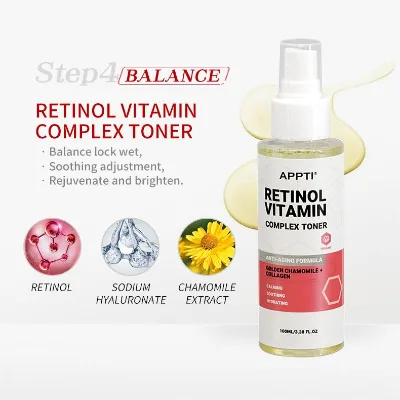


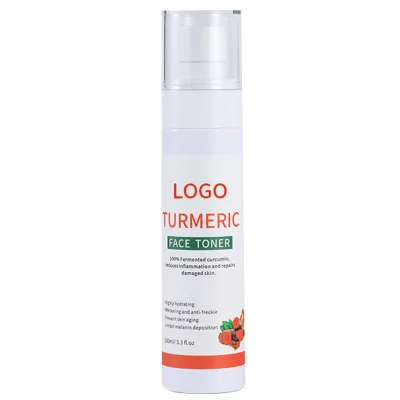
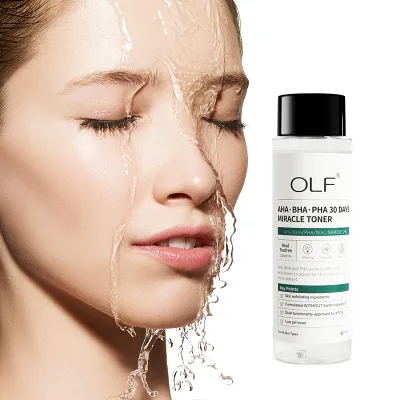


Professional Custom Collagen Hyaluronic Acid Anti Aging Hydrating Face Toner
$1.98 - $2.99
MOQ: 3000 Pieces

Korean Premium Skin Smoothing Refreshing Facial Toner for Dead Skin Cells
$1.50 - $5.00
MOQ: 3000 Pieces

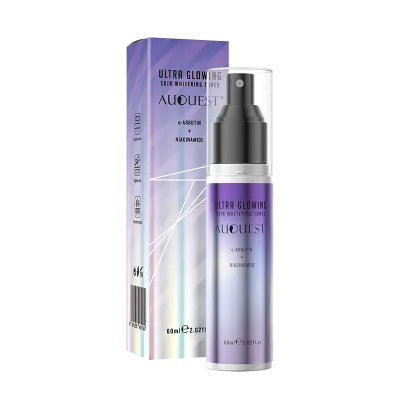


Beauty Cosmetics Skin Care Vitamin C Toner Skin Whitening Moisturizer Toner
$3.80 - $5.00
MOQ: 100 Pieces


Comprehensive Sourcing Guide
Anti-Aging Whitening Facial Toner Sourcing Guide
Buyers evaluating this category must first distinguish between the specific product formulations observed in listings, such as those featuring Vitamin C and Hyalururonic Acid for whitening, versus broader anti-aging claims involving Retinol or Peptides. The market data indicates a divergence in packaging materials, with some listings specifying plastic bottles while others list glass options, which directly impacts shipping costs and product integrity during transit. Procurement teams should verify which specific active ingredient profile aligns with their target demographic before requesting samples, as the efficacy claims for anti-wrinkle and skin revitalization vary significantly based on the concentration of these botanical and synthetic extracts.
Commercial listings often present conflicting minimum order quantities, ranging from small trial orders of two pieces to bulk requirements of three thousand units, necessitating a clear definition of the initial procurement volume. While some suppliers advertise acceptance of small orders, the standard observed MOQ for many high-quality OEM options sits around one thousand pieces, which can influence the unit economics for new market entrants. Buyers must clarify whether the listed price range of 0.6 to 5 USD applies to the specific customization level they require, as private labeling and custom packaging often shift the cost structure away from the base listing price.
Product Scope and Observed Listing Signals
The product scope for anti-aging whitening toners encompasses a wide array of skin types, including sensitive, oily, and combination skin, requiring buyers to verify that the selected formula is suitable for their specific customer base. Listings frequently highlight multiple functional benefits such as moisturizing, soothing, and pore shrinking, yet the actual ingredient list may vary between products claiming to be cruelty-free and fragrance-free versus those containing complex peptide blends. Sourcing agents must scrutinize the "Product Information" field to ensure the toner is explicitly marketed for face skincare and daily care usage, rather than general body application, to avoid compliance issues in regulated markets.
Observations of product attributes reveal that while some items are labeled for all ages, others are specifically targeted at adults, which affects the marketing strategy and regulatory classification in different regions. The presence of features like "Anti-Puffiness" and "Black Head Remover" suggests a multifunctional approach, but buyers should confirm if these claims are supported by the specific ingredient profile, such as the inclusion of Ceramide or Vitamin E. It is critical to distinguish between generic toner listings and those with specific model numbers like LD2023122102, as these identifiers often correlate with distinct formulation batches and packaging configurations.
Technical Specifications to Verify
Technical verification begins with confirming the physical size and volume of the product, as observed listings show variations between 100ml and 130ml standard sizes, with customization options available for specific client needs. Buyers must ensure that the single package dimensions, such as the observed 5x5x18 cm, align with their logistics requirements and that the net weight of 100 mL matches the gross weight of 0.200 kg to prevent shipping discrepancies. The form of the product, whether spray or liquid, is another critical specification that influences the dispensing mechanism and user experience, requiring a direct comparison against the intended application method.
The formulation details are equally vital, with main ingredients ranging from plant-based extracts to complex blends including Collagen, Retinol, and Oligopeptides. Procurement teams should request a full ingredient declaration to verify the presence of key actives like Vitamin C and Hyaluronic Acid, which are central to the whitening and anti-aging efficacy claims. Additionally, the packaging material, whether plastic or glass, must be validated for compatibility with the specific chemical composition of the toner to prevent degradation or leakage during storage and distribution.
Compliance and Safety Documentation
Compliance verification requires a thorough review of the certification documents provided by the supplier, as observed listings frequently cite CE, FDA, GMP, and MSDS as standard credentials for these skincare products. Buyers must confirm that these certifications are current and applicable to the specific manufacturing facility and product batch, rather than relying on generic claims that may not cover the exact formulation being sourced. The presence of GMP certification is particularly important for ensuring that the manufacturing process adheres to Good Manufacturing Practices, which is essential for maintaining product consistency and safety in the global market.
Safety documentation should also include detailed Material Safety Data Sheets (MSDS) that outline the handling, storage, and emergency procedures for the chemical components within the toner. Since the product is intended for facial use on various skin types, including sensitive skin, buyers must ensure that the formulation meets the safety standards of the destination market, particularly regarding fragrance-free and cruelty-free claims. It is imperative to verify that the "Cruelty-Free" status is backed by recognized testing protocols and that the "Fragrance-free" designation is not merely a marketing term but a verified formulation characteristic.
Cost Drivers and Commercial Terms
Cost drivers in this category are heavily influenced by the level of customization required, including private labeling, custom packaging, and specific ingredient formulations that may command a premium over standard stock items. The observed price range of 0.6 to 5 USD suggests significant variance based on the complexity of the formula and the quality of the packaging materials, with glass bottles and specialized sprays likely increasing the unit cost. Buyers should negotiate based on the total landed cost, considering that high-quality OEM services often involve additional fees for mold creation, label design, and quality assurance testing.
Commercial terms must clearly define the Minimum Order Quantity (MOQ), which can range from small trial orders to bulk commitments of 3000 pieces, impacting the initial capital outlay and inventory risk. While some suppliers offer flexibility with small orders, the standard MOQ of 1000 pieces for many high-quality options suggests that buyers should plan for larger volumes to achieve optimal pricing. Lead times and payment terms should be explicitly agreed upon in the contract, as the supply chain for cosmetic ingredients and packaging can be subject to delays that affect the overall project timeline.
Supplier Qualification and Quality Control
Supplier qualification should focus on verifying the manufacturing location, with observed data indicating origins in Guangdong, China, a major hub for cosmetic production. Buyers must assess the supplier's capacity for OEM and ODM services, ensuring they have the infrastructure to handle private label requests and maintain consistent quality across large production runs. The "Professional High" quality attribute observed in listings should be validated through on-site audits or third-party inspections to confirm that the supplier's facilities meet international standards for hygiene and production efficiency.
Quality control protocols must be established to ensure that every batch meets the specified active ingredient concentrations and physical specifications. Buyers should require pre-shipment inspections that verify the product's efficacy claims, such as anti-aging and whitening properties, against the provided test results or formulation sheets. It is also essential to confirm that the supplier has a robust system for handling defects and returns, ensuring that any non-conforming products are identified and addressed before they reach the end consumer.
Long-Term Procurement Checks
Long-term procurement success depends on establishing a reliable supply chain that can adapt to changing market demands and regulatory requirements over time. Buyers should maintain regular communication with suppliers to monitor updates in ingredient availability and pricing, ensuring that the product formulation remains competitive and compliant with evolving standards. Building a strong relationship with the supplier can facilitate better terms and priority production scheduling, which is crucial for maintaining inventory levels during peak demand periods.
Continuous monitoring of product performance and customer feedback is essential for identifying any potential issues with the toner's efficacy or safety. Buyers should implement a system for tracking batch consistency and verifying that the supplier maintains the same quality standards across different production runs. Regular audits and re-verification of certifications, such as GMP and MSDS, will help ensure that the product remains safe and compliant, protecting the brand's reputation and minimizing the risk of regulatory penalties in the long term.
FAQs
What certifications does the Anti-Aging Whitening Facial Toner have?
The product holds CE, FDA, GMP, and MSDS certifications. These credentials ensure compliance with international safety and manufacturing standards. Buyers can verify these documents to confirm regulatory adherence for their target markets. The certifications support professional quality assurance and facilitate smoother customs clearance for global shipments.
Can I customize the packaging for this facial toner?
Yes, customization is available for both the bottle and outer box. Options include plastic or glass bottles with sizes like 100ml or 130ml. The outer packaging can also be tailored to your brand requirements. This flexibility allows you to create a unique product identity that aligns with your specific market positioning and customer preferences.
What is the minimum order quantity for this toner?
The standard minimum order quantity is 1000 pieces. However, some suppliers may accept smaller orders depending on their specific policies. This MOQ ensures efficient production runs while allowing flexibility for new buyers. You can negotiate terms directly with manufacturers to find a quantity that fits your initial inventory needs and budget constraints.
Which active ingredients are in this anti aging toner?
Key active ingredients include Vitamin C, Hyaluronic Acid, Vitamin E, Collagen, Retinol, Peptide, and Ceramide. These components work together to provide moisturizing, soothing, and anti-wrinkle benefits. The formulation targets whitening and skin revitalization, making it suitable for various skin types including sensitive and oily skin for comprehensive daily care.
Is OEM and ODM service available for this product?
Yes, OEM and ODM private label services are fully available. Manufacturers support custom branding, formulation adjustments, and packaging design. This service enables you to launch your own brand without developing products from scratch. It is ideal for businesses seeking to enter the skincare market with a unique, professionally formulated Anti-Aging Whitening Facial Toner.