Source Linden Soprano Ukulele for Schools, Bands, and Retail
Find 30 Linden Soprano Ukulele options from Chinese manufacturers. Compare specs like wood types, string materials, and MOQs to find the right instrument for wholesale distribution, educational programs, or retail inventory.
Key considerations
Products List


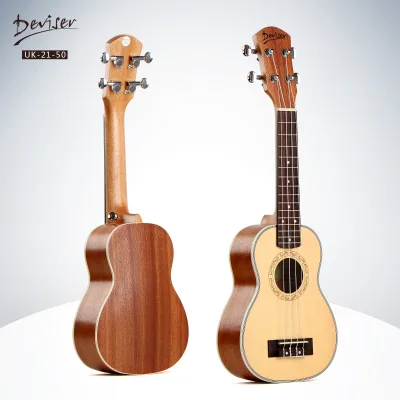
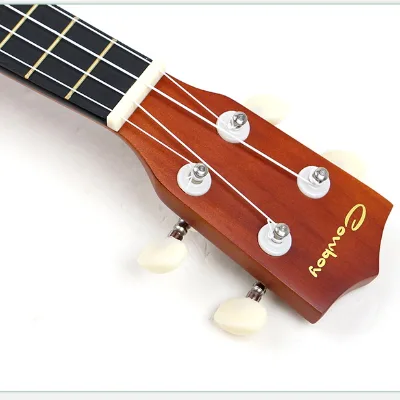
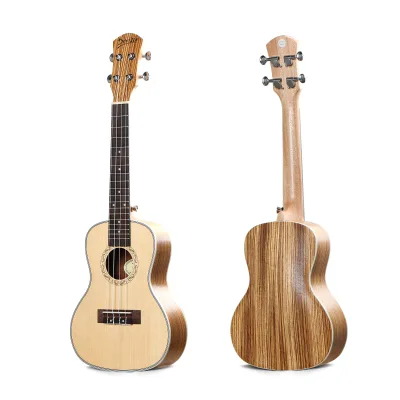
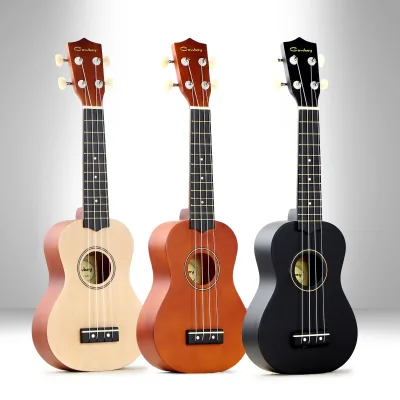
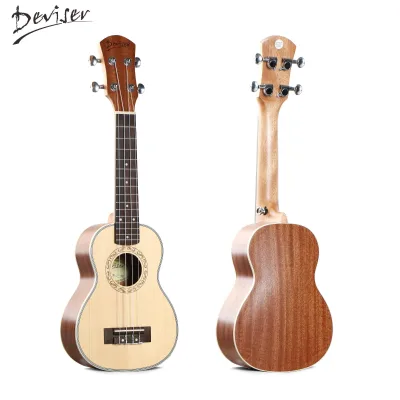
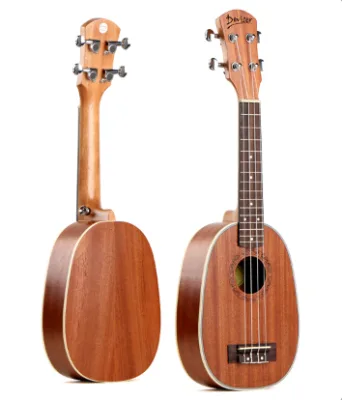


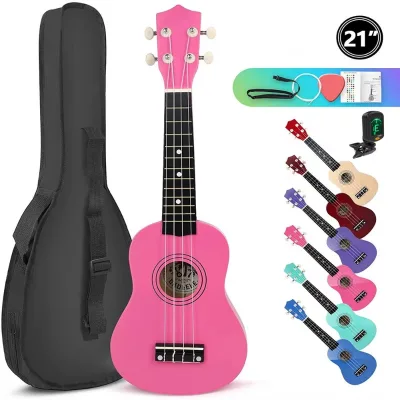
OEM ODM Custom Logo Professional Pineapple Mango 21 Inch Soprano Guitar Ukulele
$28.00 - $29.00
MOQ: 10 Pieces




Comprehensive Sourcing Guide
Linden Soprano Ukulele Sourcing Guide
Sourcing linden soprano ukuleles requires a nuanced understanding of material availability and manufacturing realities, particularly when navigating the current market landscape. While linden (also known as basswood) is a recognized tonewood in the broader musical instrument industry, the specific product data available for wholesale procurement does not currently list linden as a primary material for the soprano models under review. Instead, the observed listings predominantly feature sapele and spruce tops, paired with rosewood fingerboards and ABS bindings. This discrepancy highlights a critical first step for buyers: verifying material composition directly with suppliers, as "linden" may be a mislabeling in search queries or a custom request rather than a standard stock item. Buyers seeking linden construction must treat this as a potential OEM/ODM opportunity rather than an off-the-shelf purchase, given that the standard wholesale inventory focuses on alternative tonewoods that offer similar acoustic properties or cost efficiencies.
The soprano size, typically measuring around 21 inches, remains the most common form factor in the current wholesale catalog, with specific model numbers such as UK-21-35 and UK-21-50 indicating variations in finish or component quality. These instruments are generally configured with four nylon strings and die-cast head machines, providing a stable tuning foundation suitable for beginners and intermediate players. The presence of matte finishes and specific binding styles, such as ABS 5-line, suggests a market segment that values aesthetic consistency and durability over high-gloss traditional aesthetics. Procurement teams must align their material expectations with the supplier’s actual capabilities, recognizing that while the soprano size is well-represented, the specific wood species may require custom manufacturing agreements or substitution with available alternatives like sapele or spruce.
Product Scope and Observed Listing Signals
The current product scope for wholesale ukuleles is heavily concentrated on the soprano and concert sizes, with the 21-inch soprano being the dominant entry point for bulk orders. Listings indicate a strong emphasis on customization, with suppliers explicitly accepting OEM and ODM services, which allows buyers to specify wood types, finishes, and branding. However, the observed material attributes consistently point to sapele for the top and back/side construction, and spruce for certain top-only variations, rather than linden. This suggests that while the market is open to custom requests, the default supply chain is optimized for these alternative woods. Buyers should interpret the absence of linden in standard listings not as a lack of capability, but as a signal to initiate a specific material inquiry or to consider sapele as a functionally similar, cost-effective substitute that shares a straight grain and moderate density.
Commercial signals from the market indicate a flexible minimum order quantity (MOQ) structure, ranging from 10 pieces for standard branded items to 200 pieces for OEM customizations. This tiered approach allows smaller buyers to test the market with standard configurations while providing a pathway for larger enterprises to secure custom wood specifications. The supply ability is reported at 5,000 pieces per week, suggesting that manufacturers have the capacity to handle significant volume, provided the material specifications are clear and agreed upon in advance. The shipping time of 1-3 days for stock items contrasts sharply with the two-month lead time for OEM orders, reinforcing the need for early planning if a specific wood like linden is required. Buyers must weigh the urgency of their delivery needs against the complexity of custom material sourcing, as expedited shipping is generally reserved for standard, in-stock configurations.
Technical Specifications to Verify
When evaluating soprano ukuleles for procurement, the technical specifications of the neck and fingerboard are critical for playability and long-term durability. The observed listings consistently specify rosewood for the fingerboard material, a choice that offers good resistance to wear and a smooth playing surface. Buyers must verify that the rosewood is properly treated and finished to prevent cracking, especially in varying humidity conditions. Additionally, the nut and saddle materials are noted as XO bone in some listings, which is a premium choice for tone transfer and sustain. It is essential to confirm whether this bone material is genuine or a synthetic alternative, as this significantly impacts the acoustic performance and perceived value of the instrument. Clear documentation of these component materials should be included in the purchase order to avoid substitutions with lower-cost plastics or inferior woods.
The structural integrity of the ukulele is further defined by the binding and finish specifications. The use of ABS 5-line binding is a common feature in the observed data, providing a durable edge protection that resists chipping and wear. Buyers should inspect samples to ensure that the binding is securely adhered and does not interfere with the string action or intonation. The finish, often described as matte, requires careful handling during packaging and shipping to avoid surface scratches. Furthermore, the size specifications, such as 21 inches, must be strictly verified, as slight variations in scale length can affect string tension and tone. For custom orders involving linden or other specific woods, buyers should request detailed dimensional drawings and material certificates to ensure that the final product meets their precise technical requirements.
Compliance and Safety Documentation
Compliance with international safety standards is non-negotiable for musical instruments, particularly those marketed to children or sold in regulated markets. While specific certification statuses are not detailed in the current product data, buyers must ensure that all ukuleles comply with relevant toy safety standards, such as EN-71 in Europe or ASTM F963 in the United States, if applicable. This includes verifying that the wood finishes are non-toxic and that there are no sharp edges or small parts that could pose a choking hazard. The use of ABS plastic for binding and die-cast metal for tuning machines must also meet safety requirements for material composition and mechanical strength. Buyers should request test reports from independent laboratories to confirm that the instruments are free from harmful substances like lead or phthalates, ensuring that the products can be legally imported and sold in their target regions.
Documentation regarding the origin of materials is also crucial for compliance and ethical sourcing. The observed listings indicate that the products originate from Guangdong, China, a major hub for musical instrument manufacturing. Buyers should verify that the wood used, whether sapele, spruce, or potentially linden, is sourced from sustainable forests and complies with regulations such as the Lacey Act in the US or the EU Timber Regulation. This involves requesting chain-of-custody documentation from the supplier to trace the wood back to its source. Additionally, buyers should ensure that the packaging materials, such as paper boxes and cartons, are recyclable and meet environmental standards. Clear compliance documentation not only mitigates legal risks but also enhances the brand’s reputation for responsible sourcing and manufacturing practices.
Cost Drivers and Commercial Terms
The cost of wholesale ukuleles is influenced by several key factors, including the choice of wood, the complexity of the finish, and the volume of the order. The observed price range of $6.15 to $98 USD reflects the diversity in quality and customization options available in the market. Standard models with sapele tops and ABS bindings tend to be on the lower end of this spectrum, while custom orders involving premium woods like linden or bone nuts and saddles will command higher prices. Buyers should anticipate that custom material requests will incur additional costs due to the specialized sourcing and processing required. The MOQ structure, with lower thresholds for standard items and higher thresholds for OEM, also plays a significant role in pricing, as larger volumes typically result in better unit costs.
Commercial terms such as payment methods, shipping arrangements, and return policies must be clearly defined in the contract. The observed supply ability of 5,000 pieces per week suggests that suppliers can handle large orders, but buyers should confirm the production schedule to ensure timely delivery. The lead time of two months for OEM orders highlights the importance of early planning and accurate forecasting. Buyers should also consider the cost of packaging, as the use of paper cartons and individual paper boxes adds to the overall expense. Negotiating favorable terms, such as free shipping for large orders or extended payment periods, can significantly impact the total cost of procurement. Clear communication regarding these commercial terms helps to avoid unexpected costs and ensures a smooth transaction process.
Supplier Qualification and Quality Control
Qualifying a supplier for ukulele procurement involves assessing their manufacturing capabilities, quality control processes, and track record. Buyers should request samples of standard and custom models to evaluate the build quality, tone, and finish. The observed use of rosewood fingerboards and die-cast head machines indicates a baseline level of quality, but buyers must verify that these components are consistently applied across all units. Supplier audits, either on-site or virtual, can provide insights into the production line, including the precision of the woodworking and the consistency of the finishing process. Buyers should also inquire about the supplier’s defect rate and their procedures for handling quality issues, ensuring that there is a clear mechanism for returns or replacements.
Quality control should be integrated into the procurement process through regular inspections and testing. Buyers can implement a sampling plan to inspect a percentage of the order before shipment, checking for defects in the wood, hardware, and finish. For custom orders involving linden or other specific woods, buyers should request material certificates and test reports to verify the quality and sustainability of the wood. Additionally, buyers should establish clear acceptance criteria for the instruments, including tolerances for size, weight, and acoustic performance. By maintaining a rigorous quality control process, buyers can ensure that the ukuleles meet their standards and provide a positive experience for the end-users.
Long-Term Procurement Checks
Long-term procurement success depends on building a sustainable relationship with suppliers and continuously monitoring market trends. Buyers should regularly review their supplier’s performance, including delivery times, product quality, and responsiveness to issues. Establishing a long-term contract with clear performance metrics can help to secure better pricing and priority production slots. Buyers should also stay informed about changes in material availability and pricing, as fluctuations in the cost of wood or other components can impact the overall procurement strategy. By maintaining open communication with suppliers, buyers can anticipate potential disruptions and adjust their plans accordingly.
Continuous improvement in the product line is essential for staying competitive in the market. Buyers should provide feedback to suppliers on product performance and customer satisfaction, using this information to drive improvements in design and quality. Exploring new materials and finishes, such as the potential use of linden for its unique tonal characteristics, can help to differentiate the product offering. Buyers should also consider the environmental impact of their procurement decisions, seeking out suppliers who prioritize sustainable practices and eco-friendly materials. By focusing on long-term relationships and continuous improvement, buyers can build a resilient and competitive supply chain for their ukulele products.
FAQs
What customization options are available for these ukuleles?
Customization is available for wholesale orders and OEM requests. Buyers can request specific branding or modifications, though standard models come with natural finishes and rosewood fingerboards. OEM orders typically require a higher minimum quantity than standard stock items.
Which materials are used for the body and fingerboard?
The body is constructed from Sapele or Spruce wood depending on the specific model. The fingerboard is made of rosewood, and the strings are nylon. These materials provide a durable structure suitable for both concert and soprano sizes.
Can I order a small quantity of these ukuleles?
Yes, you can order as few as 10 pieces for standard stock items with the supplier's brand. For OEM orders with custom branding, the minimum quantity is typically 100 to 200 pieces. This allows flexibility for small retailers and larger distributors.
How long does it take to receive stock orders?
Delivery time for stock items is typically 1 to 3 days from the origin in Guangdong, China. Custom OEM orders require approximately two months for production and shipping. This timeline ensures quality control while maintaining fast turnaround for ready-to-ship inventory.
What is the packaging method for these instruments?
Products are packed in paper boxes or paper cartons, with six pieces per carton for standard shipping. The packaging is designed to protect the instrument during transit. Specific packing configurations may vary based on the model number and order volume.
Which ukulele sizes are offered in this product line?
The product line includes sizes of 21 inches, 24 inches, and 26 inches. Specific models like the UK-21-35 and UK-24-30 correspond to these dimensions. Buyers can select the size that best fits their target audience or performance needs.
What is the supply capacity for weekly orders?
The supplier has a supply ability of 5000 pieces per week. This capacity supports both wholesale and OEM demands without significant delays. It ensures consistent availability for buyers requiring large volumes of ukuleles for distribution or retail purposes.