Source Linear Automatic Aerosol Filling Machine for Cosmetics, Hair Care, and Cleaning
Compare 30 listings for the Linear Automatic Aerosol Filling Machine featuring pneumatic and electric drives with ISO9001 certification. Buyers can evaluate models like QGB500 and GDHP-398 for applications in cosmetics, hair care, and cleaning products.
Key considerations
Products List


Linear Auto Aerosol Filling Sealing Capping Machine Line 2400~3600bph
$5000.00 - $56548.00
MOQ: 1 Sets


Automatic/Full-Automatic Linear Liquid Bottle Aerosol Spray Filling Sealed Machine
$17985.00 - $26582.00
MOQ: 1 Pieces


Automatic Aerosol Filling Machine for Easy Maintenance and Efficiency
$19000.00 - $69000.00
MOQ: 1 Set


Advanced Stainless Steel Automatic Aerosol Filling Machine for Efficient Production
$1500.00 - $5000.00
MOQ: 1 Pieces


Comprehensive Sourcing Guide
Strategic Sourcing Guide for Linear Automatic Aerosol Filling Machines
Understanding the Core Technology and Operational Scope
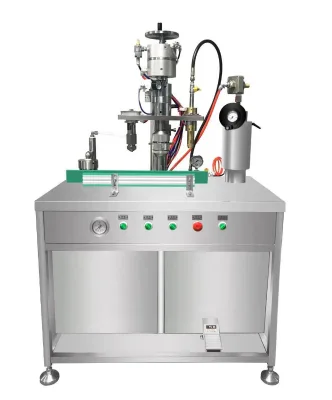
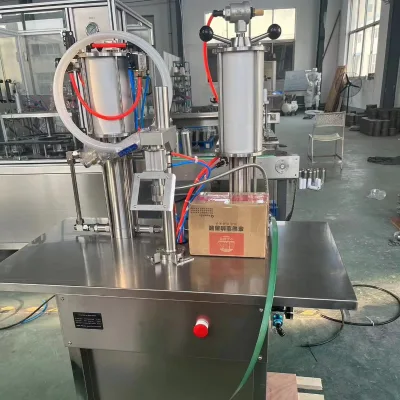
When sourcing a Linear Automatic Aerosol Filling Machine, buyers must first distinguish between the various mechanical architectures and automation levels available in the current market. The term "linear" refers to a specific machine structure where containers move in a straight line through the filling and sealing stations, as opposed to rotary systems that utilize a circular carousel. This linear configuration is often preferred for its modularity, ease of maintenance, and ability to handle varying container sizes with minimal changeover time. The observed market data indicates a diverse range of automation grades, from semi-automatic to fully automatic systems. A fully automatic unit typically integrates the entire process from container feeding to capping and sealing without manual intervention, whereas semi-automatic models may require operator assistance for specific stages.
The driving mechanism is another critical technical differentiator. While some units operate on pneumatic drives, utilizing compressed air for actuation, others rely on electric motors coupled with PLC (Programmable Logic Controller) and HMI (Human-Machine Interface) systems for precise control. The choice between pneumatic and electric drives often depends on the facility's existing infrastructure and the specific precision requirements of the production line. Furthermore, the filling principle varies significantly; some machines utilize atmospheric pressure for gentle filling, while others employ pressure-based systems or volumetric filling principles. Understanding these distinctions is essential for matching the machine to the specific viscosity and characteristics of the aerosol product being packaged.
Technical Specifications and Mechanical Configuration
A detailed analysis of the technical specifications reveals that the internal architecture of these machines is highly specialized. The filling valve head configuration is a primary determinant of throughput and versatility. Market observations show the existence of both single-head and multi-head configurations. A single-head setup might be suitable for lower-volume or high-precision applications, while multi-head systems are designed to increase output rates by filling multiple containers simultaneously. The feeding cylinder structure also varies, with options ranging from single-room to dual-chamber and multi-room feeding mechanisms. These structural differences directly impact the stability of the product flow and the efficiency of the filling cycle.
The material composition of the machine is paramount for industries dealing with cosmetics, hair care, and cleaning detergents. The standard material type observed is Stainless Steel, specifically grades such as SUS304 or 316L. This choice ensures corrosion resistance and compliance with hygiene standards required for food-grade or personal care products. The machine's physical dimensions are not uniform; specifications vary based on the model, with standard footprints ranging from approximately 8006001600mm to larger configurations like 16808001600mm. Buyers must verify these dimensions against their factory floor plans to ensure adequate space for operation and maintenance access. Additionally, the packaging container lifting structure, which can be either chute-based or pneumatic, plays a crucial role in how bottles or cans are presented to the filling nozzles.
Compliance, Certification, and Regulatory Standards
Navigating the regulatory landscape is a non-negotiable aspect of sourcing industrial machinery. The presence of international certifications serves as a proxy for the manufacturer's commitment to quality and safety. In the observed market, ISO9001 and ISO9001:2000 are frequently cited certifications, indicating that the manufacturer adheres to established quality management systems. Beyond general quality standards, specific industry certifications such as CE (Conformité Européenne) and GMP (Good Manufacturing Practice) are critical. CE certification is often a mandatory requirement for selling machinery within the European market, ensuring that the equipment meets health, safety, and environmental protection standards. GMP compliance is particularly vital for applications involving cosmetics, skin care, and cleaning products, as it ensures the machine design prevents contamination and facilitates easy cleaning.
Buyers should verify that the specific model they are considering carries the relevant certifications for their target market. While some listings mention "CE ISO GMP" as a combined standard, others may list them individually. It is important to note that the absence of a specific certification in a general product listing does not necessarily mean the machine is non-compliant, but it does require direct verification with the supplier. The standard for the machine's construction often includes specific material grades and safety features that align with these certifications. For instance, the use of SUS316L stainless steel is often a prerequisite for GMP compliance in high-hygiene environments. Buyers must ensure that the documentation provided by the supplier explicitly confirms the certification status of the specific unit being purchased, rather than relying on general brand claims.
Cost Drivers and Procurement Economics
The pricing of linear automatic aerosol filling machines is influenced by a complex array of factors, resulting in a wide observed range from approximately $1,268 to $80,000. This significant variance is not arbitrary but reflects differences in automation levels, material quality, and functional complexity. A machine priced at the lower end of the spectrum may be a semi-automatic unit with a single-head filling valve and basic pneumatic controls. In contrast, a unit at the higher end likely features a fully automatic operation, multi-head filling capabilities, advanced PLC+HMI control systems, and high-grade stainless steel construction (SUS316L). The inclusion of specialized features, such as specific dosing devices like plungers or advanced sealing functions, also drives up the cost.
Beyond the initial purchase price, buyers must consider the Total Cost of Ownership (TCO). This includes the cost of installation, which may vary depending on the machine's origin and the complexity of the setup. The "Standard Export Wooden Cases" or "Export-Worthy Package" mentioned in product data suggests that shipping and packaging costs are factored into the logistics. Furthermore, the "After Sales Service Provided" is a critical economic factor. Suppliers offering "Engineers Available to Service Machinery Overseas" add significant value, potentially reducing long-term downtime costs. However, this service level may be reflected in a higher initial price or service contract fees. Buyers should also evaluate the Minimum Order Quantity (MOQ), which in the observed data is consistently 1, indicating that these machines are generally available for single-unit procurement, allowing for flexible budgeting and pilot testing without bulk commitments.
Typical Applications and Production Capabilities
The versatility of linear automatic aerosol filling machines makes them suitable for a broad spectrum of industries. The primary applications identified include hair care products, skin care products, cosmetics, cleaning agents, and detergents. The machine's ability to handle different packaging formats, such as bottles and cans, further expands its utility. For aerosol-specific applications, the machine must be capable of handling pressurized contents, which requires specific sealing and filling mechanisms to ensure safety and product integrity. The "Forming Function" of these machines often includes both filling and sealing in a single integrated process, streamlining the production line.
Performance metrics such as speed are also application-dependent. Some high-capacity models are rated for speeds up to 3600 bottles per hour (bph), making them suitable for large-scale production runs. However, the actual speed achieved will depend on the specific product viscosity, container size, and the configuration of the filling valve heads. The "Type" of machine, whether classified as a volumetric filling machine or a general filling and sealing machine, dictates the precision of the fill volume. For products requiring exact dosage, such as pharmaceuticals or high-end cosmetics, the precision of the dosing device, often a plunger mechanism, becomes a critical selection criterion. Buyers should match the machine's speed and precision capabilities with their production volume requirements to avoid bottlenecks or unnecessary over-engineering.
Supplier Evaluation and Quality Assurance Protocols
Selecting the right supplier requires a rigorous evaluation process that goes beyond the initial product listing. The geographic origin of the machinery, such as Jiangsu Yangzhou or Guangzhou, can provide insights into the manufacturing ecosystem and supply chain maturity. While the specific supplier names should not be named in this guide, buyers should verify the manufacturer's track record in the specific region. A key indicator of supplier reliability is the provision of after-sales support. The availability of engineers for overseas service is a significant differentiator, ensuring that technical issues can be resolved promptly without extensive downtime.
Quality control during the manufacturing process is another vital consideration. Buyers should request documentation that verifies the material composition, specifically confirming the use of SUS304 or 316L stainless steel. The condition of the machine, typically listed as "New," should be verified through factory audits or third-party inspections. The "Customization" availability is also a crucial factor; many buyers require modifications to the machine to fit their specific container sizes or production workflows. A supplier that offers customization options demonstrates flexibility and a deeper understanding of client needs. Additionally, the "Electric Brand" used in the machine, such as Siemens, can be an indicator of the quality of the control systems. High-quality electrical components often result in better reliability and easier troubleshooting.
Long-Term Procurement and Lifecycle Management
Procuring a Linear Automatic Aerosol Filling Machine is a long-term investment that requires careful consideration of the machine's lifecycle. The "Condition" of the machine, whether new or refurbished, impacts its expected lifespan and maintenance requirements. New machines generally come with warranties and support for the initial years of operation. However, buyers should also consider the availability of spare parts and the ease of maintenance. The "Driven Type," whether pneumatic or electric, influences the maintenance schedule and the availability of replacement components. Pneumatic systems may require regular checks of air filters and seals, while electric systems need attention to motors and control boards.
The "Packaging" of the machine, described as "Box" or "Standard Export Wooden Cases," is also relevant for long-term logistics. Proper packaging ensures that the machine arrives in optimal condition, reducing the risk of damage during transit. For buyers planning to expand their production capacity, the "Customization" feature allows for future upgrades or modifications without replacing the entire unit. Furthermore, the "After-Sales Service" provided by the supplier is a critical component of long-term success. A supplier that offers comprehensive training and ongoing technical support can significantly extend the operational life of the machine. Buyers should establish a clear service level agreement (SLA) that defines response times and support scope, ensuring that the machine remains a productive asset for years to come.
Comparative Analysis of Machine Configurations
To assist in decision-making, the following table summarizes the key configuration differences observed in the market for linear automatic aerosol filling machines. This comparison highlights the trade-offs between different models based on automation, filling principles, and structural features.
| Feature Category | Configuration A (Semi-Automatic) | Configuration B (Fully Automatic) | Configuration C (High-Speed Linear) |
|---|---|---|---|
| Automation Grade | Semi-Automatic | Fully Automatic | Fully Automatic |
| Filling Valve Head | Single-Head | Multi-Head | Multi-Head |
| Filling Principle | Atmospheric Pressure | Pressure | Volumetric |
| Feed Cylinder Structure | Single-Room Feeding | Dual-Chamber Feeding | Multi-Room Feeding |
| Driven Type | Pneumatic | Electric | Pneumatic/Electric Hybrid |
| Control System | Basic Manual/PLC | PLC + HMI | PLC + HMI |
| Typical Speed | Variable | Up to 3600 bph | High Volume |
| Material | SUS304 | SUS304 or 316L | SUS304 or 316L |
| Packaging Type | Bottle, Cans | Bottle, Cans | Aerosol, Cans |
| Certification | ISO9001 | CE, ISO, GMP | CE, ISO, GMP |
This table illustrates that while the core function remains the same, the specific configuration dictates the machine's suitability for different production scales and product types. Buyers should carefully weigh these factors against their specific operational needs and budget constraints.
FAQs
What automation grades are available for these machines?
Available automation grades include semi-automatic, automatic, and fully automatic configurations. Buyers can select the level based on their production volume needs, with fully automatic units integrating feeding, filling, and sealing without manual intervention.
Which certifications should I verify for compliance?
Key certifications to verify include ISO9001, ISO9001:2000, CE, and GMP standards. These ensure the machine meets quality management systems and safety requirements, particularly for applications in cosmetics, cleaning, and detergents where hygiene is critical.
Can I find machines with specific material grades?
Yes, machines are constructed using SUS304 or 316L stainless steel for corrosion resistance and hygiene. This material choice is essential for ensuring the equipment meets GMP compliance and can safely handle products like hair care and skin care items.
How does the filling valve head configuration affect output?
Configurations range from single-head to multi-head setups to determine throughput capacity. Single-head units suit lower-volume or high-precision needs, while multi-head systems increase output rates by filling multiple containers simultaneously during each cycle.
What is the typical price range for these units?
The observed price range spans from approximately 1268 to 80000 USD depending on features. Lower costs typically reflect semi-automatic or single-head models, while higher prices correspond to fully automatic systems with advanced PLC controls and multi-head capabilities.
Which dimensions should I check for factory floor space?
Standard dimensions vary by model, with common footprints around 800 by 600 by 1600 mm or larger at 1680 by 800 by 1600 mm. Buyers must verify these physical specifications against their facility plans to ensure adequate space for operation and maintenance access.
Are engineers available for overseas service support?
Many suppliers provide after-sales service with engineers available to service machinery overseas. This support option is crucial for minimizing downtime, though it may influence the initial purchase price or require a separate service contract agreement.