Source Line Laser Level for Highway, Farmland, and Mine
Compare 30 Line Laser Level models from verified Chinese suppliers. Buyers can evaluate beam colors, accuracy, self-leveling ranges, and working times to find the right tool for highway, farmland, or mine applications; compare the available evidence and request quotations based on your requirements.
Key considerations
Products List


Factory Outlets Self-Leveling Cross Line Laser Level for Construction Level
$150.00 - $200.00
MOQ: 20 Pieces


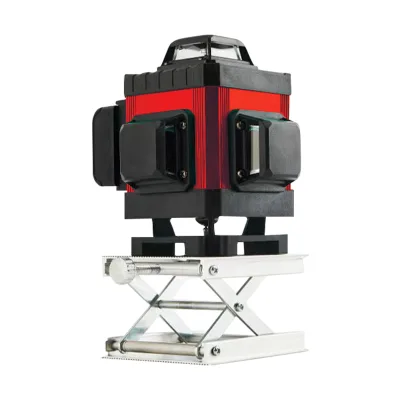


Cross Line Laser Level Self-Leveling Construction Laser Level (LLE-T96 30)
$37.00 - $39.00
MOQ: 500 Pieces


Automatic Level Good Quality Leveling Instrument Self Leveling Laser Level
$80.00 - $110.00
MOQ: 1 Pieces


Comprehensive Sourcing Guide
Line Laser Level Sourcing Guide
Procuring line laser levels requires a disciplined approach to align technical performance with specific job site demands. Buyers must first define the required beam color, as green beams offer superior visibility in bright conditions compared to traditional red beams, though they may come at a higher cost. The decision between single-line and cross-line configurations depends heavily on whether the application involves simple vertical alignment or complex multi-plane layout tasks. Understanding these fundamental optical differences ensures that the selected tool meets the precision needs of the end-user without unnecessary feature inflation.
Commercial viability also hinges on verifying the supplier’s ability to provide customization and appropriate packaging solutions. Many manufacturers offer tailored packaging options, such as BMC boxes, cloth bags, or color boxes, which can significantly impact logistics costs and product protection during transit. Buyers should evaluate whether the supplier supports custom branding or specific packaging dimensions, as this can streamline warehouse operations and enhance brand presentation. Confirming these logistical details early in the sourcing process prevents unexpected expenses and ensures that the final product arrives in optimal condition for immediate deployment.
Product Scope and Observed Listing Signals
The current market for line laser levels exhibits a wide variance in pricing, ranging from approximately $8.46 to over $17,000, reflecting the diversity from basic handheld units to heavy-duty industrial systems. This broad spectrum indicates that buyers must carefully distinguish between consumer-grade tools and professional-grade equipment designed for harsh environments. The observed minimum order quantities (MOQ) typically span from 1 to 1000 units, suggesting flexibility for both small-scale procurement and large-scale industrial contracts. Understanding this price and volume dynamic helps buyers negotiate better terms based on their specific order size and long-term supply needs.
Listing signals also reveal significant variation in product models and specifications, with identifiers such as LBT-LL-3B, SK291R, and K-AL04 appearing frequently. These model numbers often correlate with specific feature sets, such as the number of laser dots or the type of self-leveling mechanism. Buyers should note that some listings include detailed technical attributes like horizontal and vertical line configurations, while others may lack such specificity. This inconsistency underscores the importance of requesting detailed datasheets for each model to ensure that the technical capabilities match the intended application requirements before committing to a purchase.
Technical Specifications to Verify
Accuracy and leveling range are critical technical parameters that directly impact the reliability of layout work. Buyers should verify the horizontal and vertical accuracy, with many professional models offering precision within +/-3mm per 10 meters. Additionally, the self-leveling range, often specified as 4 degrees plus or minus 1 degree, determines the flexibility of the tool in uneven terrain or angled installations. Confirming these specifications ensures that the laser level can maintain consistent alignment across large distances, which is essential for construction, renovation, and industrial installation projects where even minor deviations can lead to significant errors.
Battery life and operational durability are equally important considerations for sustained field performance. Many units are designed to operate for more than seven hours on a single charge, which is sufficient for most daily tasks. However, buyers should also check the working time under continuous use and the type of power source required. Furthermore, the material construction, such as stainless steel components or ruggedized casings, contributes to the overall durability of the device. Ensuring that the laser level can withstand typical job site conditions, including dust and minor impacts, extends the product’s lifespan and reduces the total cost of ownership.
Compliance and Safety Documentation
Certification status is a primary indicator of a manufacturer’s commitment to quality and regulatory compliance. Buyers should prioritize suppliers who provide products with recognized certifications such as CE, RoHS, ISO, and TUV. These certifications demonstrate that the laser levels meet international standards for safety, electromagnetic compatibility, and environmental impact. Verifying the validity of these certificates is crucial, especially for projects in regulated markets where non-compliant equipment can lead to legal liabilities and project delays. Ensuring that all documentation is up-to-date and verifiable protects the buyer from potential compliance risks.
Safety features and laser class ratings must also be thoroughly reviewed to ensure user protection. Line laser levels typically emit Class 2 or Class 3R lasers, which are generally safe for brief exposure but require caution to prevent eye damage. Buyers should confirm that the devices include appropriate safety warnings and that the laser emission is clearly marked. Additionally, understanding the laser emitter type, such as American Trimble emitters, can provide insights into the reliability and precision of the beam. Proper documentation of these safety aspects ensures that end-users are informed and protected, reducing the risk of accidents and enhancing overall job site safety.
Cost Drivers and Commercial Terms
Several factors influence the final cost of line laser levels, including the complexity of the optical system, the quality of materials, and the level of customization required. Advanced features such as green beam technology, enhanced self-leveling mechanisms, and ruggedized designs typically command higher prices. Buyers should also consider the cost of packaging, as specialized options like color boxes or custom-branded BMC boxes can add to the unit price. Understanding these cost drivers allows buyers to make informed trade-offs between feature sets and budget constraints, ensuring that they receive the best value for their specific procurement needs.
Commercial terms, including payment conditions and lead times, play a significant role in the overall procurement strategy. Buyers should negotiate clear terms regarding payment milestones, such as deposits and balance payments upon shipment, to mitigate financial risk. Additionally, lead times can vary based on the order quantity and the supplier’s production capacity, so it is essential to establish realistic delivery schedules. For large orders, buyers may need to account for potential delays due to customization or material sourcing. Clear communication of these commercial terms helps in planning inventory levels and managing project timelines effectively.
Supplier Qualification and Quality Control
Evaluating supplier qualifications is essential to ensure a reliable and consistent supply of line laser levels. Buyers should assess the supplier’s manufacturing capabilities, including their production facilities, quality control processes, and experience in the laser tool industry. Suppliers with a proven track record of producing high-quality laser levels are more likely to deliver products that meet specified technical standards. Additionally, verifying the supplier’s ability to provide customization services, such as branding or specific packaging, can enhance the buyer’s market positioning and operational efficiency.
Quality control measures should be rigorously implemented to maintain product consistency and reliability. Buyers should request detailed quality assurance protocols, including incoming material inspections, in-process checks, and final product testing. Suppliers who adhere to strict quality standards, such as ISO certifications, are better equipped to identify and rectify potential defects before shipment. Furthermore, establishing clear communication channels for addressing quality issues and returns is crucial for maintaining a strong supplier relationship. Implementing robust quality control practices ensures that the procured line laser levels perform reliably in the field, reducing warranty claims and enhancing customer satisfaction.
Long-Term Procurement Checks
Establishing long-term procurement checks is vital for maintaining supply chain stability and product quality over time. Buyers should conduct regular audits of supplier performance, focusing on metrics such as on-time delivery, product defect rates, and responsiveness to issues. These audits help identify potential risks and areas for improvement, allowing for proactive management of the supply relationship. Additionally, staying informed about technological advancements in laser level technology ensures that the procured products remain competitive and relevant in the market. Regularly reviewing and updating procurement strategies based on these insights helps maintain a high standard of quality and efficiency.
Continuous improvement in procurement processes also involves fostering strong relationships with suppliers and encouraging collaboration on product development. By working closely with suppliers, buyers can influence design improvements and feature enhancements that align with market trends and customer needs. This collaborative approach can lead to the development of customized solutions that offer unique value propositions. Furthermore, maintaining a diverse supplier base can mitigate risks associated with single-source dependencies, ensuring continuity of supply even in the face of disruptions. Implementing these long-term checks and strategies ensures a resilient and adaptive procurement function.
FAQs
What beam colors are available for line laser levels?
Green and red beam colors are available for line laser levels. Some models feature specific configurations like one vertical line or multiple horizontal lines to suit different professional leveling tasks on construction sites.
Which certifications do these laser levels typically hold?
Many models hold CE, RoHS, ISO, and TUV certifications. These standards ensure the equipment meets international safety and quality requirements for professional use in various industries like highway and railway construction projects.
How accurate are the horizontal lines on these devices?
The horizontal accuracy is typically less than plus or minus three millimeters per ten meters. This precision ensures reliable leveling results for professional applications requiring high tolerance and exact measurements during installation.
Can these laser levels be customized for specific needs?
Yes, customization is available for many Line Laser Level models. Buyers can request specific configurations or features to match their unique project requirements while maintaining the core functionality of the professional leveling equipment.
What is the working time for these laser levels?
The working time is more than seven hours on a single charge. This duration supports extended use on large construction sites without frequent interruptions for recharging or battery replacement during critical leveling operations.
Where are these laser levels manufactured and shipped from?
These products originate from China, with specific manufacturing locations including Jinhua. The goods are packed in color boxes, cloth bags, or cartons before being shipped to international buyers for immediate deployment.
What is the self-leveling range for these devices?
The self-leveling range is four degrees plus or minus one degree. This feature allows the device to automatically correct minor tilts, ensuring accurate horizontal and vertical lines without manual adjustment by the operator.