Source Line Stop Fitting for Oil, Gas, and Water Systems
Explore 30 available Line Stop Fitting options for industrial pipeline maintenance. Compare forged steel and stainless steel models with IEC and ISO standards. Evaluate pressure ratings, connection types, and customization availability to find the right solution for your project; compare the available evidence and request quotations based on your requirements.
Key considerations
Products List
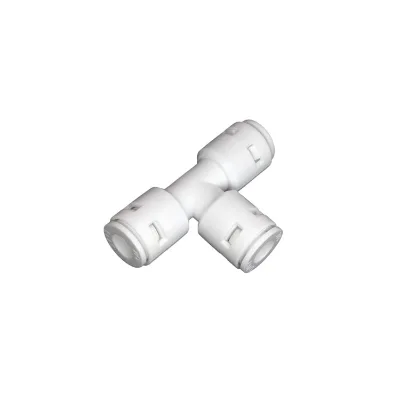


$0.93 - $1.03
MOQ: 500 Pieces


$0.52 - $1.00
MOQ: 1000 Pieces


Comprehensive Sourcing Guide
Line Stop Fitting Sourcing Guide
Buyers must first distinguish between rigid forged steel couplings and flexible metal bellows structures when evaluating Line Stop Fitting options. The observed market data indicates a significant divergence in material composition, ranging from forged steel to stainless steel, which directly impacts the suitability for high-pressure or corrosive environments. Procurement teams should verify whether the specific application requires the structural integrity of a forged model or the flexibility of a bellows design to accommodate thermal expansion and vibration.
The product listings reveal a wide spectrum of connection types, including male and female configurations, alongside various size ranges from 1/8 inches to 4 inches. Sourcing decisions must align with the specific pipeline geometry and pressure requirements, as some items are rated for pressures up to 25 bar while others serve different industrial sectors like FTTX or microwave applications. Buyers should carefully cross-reference the listed model numbers, such as 30KV or KY-003, against their engineering specifications to ensure the selected fitting matches the operational demands of the system.
Product Scope and Observed Listing Signals
The available inventory demonstrates a broad scope of customization capabilities, with many suppliers offering OEM and ODM services to tailor products to specific client requests. This flexibility is evident in the diverse packaging options, which range from standard pallets to custom wooden crates and plywood boxes, ensuring that the fittings arrive in optimal condition for immediate deployment. Procurement managers should leverage these customization options to secure packaging that meets their logistical constraints and protects the integrity of the metal components during transit.
Listing signals also highlight variations in origin, with products sourced from major manufacturing hubs like Qingdao and Zhejiang, China. These regional differences often correlate with specific production techniques, such as forging, which is explicitly noted for certain coupling models. Buyers should investigate the specific manufacturing location to understand the supply chain dynamics and potential lead times, as the origin can influence the consistency of the forging process and the overall quality of the final metal assembly.
Technical Specifications to Verify
Verification of the connection type is critical, as the market offers both male and female variants that must match the existing pipeline infrastructure. The structural design varies significantly between universal configurations and rigid metal bellows, requiring engineers to confirm that the chosen geometry will withstand the mechanical stresses of the intended installation. Misalignment in connection standards can lead to installation failures, making it essential to validate the physical interface before finalizing any purchase order.
Pressure ratings and size specifications must be rigorously checked against the operational parameters of the facility. While some listings specify a pressure range of 0 to 25 bar, others may lack explicit numerical data, necessitating a direct request for technical datasheets. Additionally, the size range of 1/8 inches to 4 inches covers a broad spectrum of applications, but buyers must ensure the selected model, such as the 32mm or 30KV variants, precisely fits the diameter and flow requirements of the specific line stop application.
Compliance and Safety Documentation
Certification status is a primary indicator of product reliability, with many listings citing compliance with international standards like IEC, ISO9001, and RoHS. These certifications suggest that the manufacturing processes adhere to recognized quality management systems and environmental safety protocols, which is vital for industries with strict regulatory oversight. Procurement teams should request valid certification documents to verify that the specific batch of fittings meets the required safety and performance benchmarks before acceptance.
Standardization is another key area where documentation must be scrutinized, as some products are labeled as standard while others are marked as nonstandard. This distinction affects interchangeability and maintenance procedures, requiring buyers to confirm whether the item conforms to IEC or other international standards. Ensuring that the product documentation explicitly states the applicable standard prevents future compatibility issues and ensures that the Line Stop Fitting integrates seamlessly with existing safety and operational frameworks.
Cost Drivers and Commercial Terms
The observed price range of 0.01 to 800 USD reflects the significant impact of material selection and manufacturing complexity on the final cost. Forged steel and stainless steel components command different price points due to raw material costs and the energy-intensive nature of the forging process. Buyers should analyze the cost per unit in relation to the material grade and expected service life, ensuring that the lowest price does not compromise the durability required for high-pressure or critical infrastructure applications.
Minimum Order Quantities (MOQ) vary widely from 1 to 5000 units, influencing the total cost of ownership and inventory management strategies. High-volume orders may offer better unit economics, but smaller MOQs provide flexibility for pilot projects or emergency replacements. Procurement planners must balance the economic benefits of bulk purchasing against the need for agile supply chain responses, considering that some suppliers offer flexible packing solutions that can accommodate varying order sizes without significant cost penalties.
Supplier Qualification and Quality Control
Supplier qualification should focus on the demonstrated ability to provide customization and adhere to strict quality standards like ISO9001. The presence of OEM/ODM capabilities indicates a supplier's capacity to adapt production lines to meet unique client specifications, which is often a prerequisite for specialized Line Stop Fitting projects. Buyers should assess the supplier's track record in delivering customized solutions to ensure they can handle the specific technical requirements of the project without compromising on quality or delivery timelines.
Quality control processes must be verified through the inspection of product conditions and packaging integrity. Listings consistently mention that items are new and packed in protective materials like plastic bags, cartons, and wooden pallets, which helps prevent damage during shipping. However, buyers should implement their own incoming quality checks to confirm that the received goods match the ordered specifications, particularly regarding the condition of the metal surfaces and the accuracy of the connection threads.
Long-Term Procurement Checks
Establishing a long-term relationship requires regular audits of the supplier's ability to maintain consistent product standards and certification validity. Since the market includes both standard and nonstandard items, buyers must ensure that the supplier can consistently reproduce the required specifications over time without deviation. Continuous monitoring of the supply chain helps mitigate risks associated with material shortages or changes in manufacturing processes that could affect the performance of the line stop fittings.
Performance tracking should include a review of the product's condition and functionality after installation to validate the initial selection criteria. Buyers should document any issues related to pressure ratings, connection integrity, or material corrosion to inform future procurement decisions. By maintaining a detailed record of product performance, organizations can refine their technical specifications and supplier selection criteria, ensuring that future purchases of line stop fittings are based on proven reliability and operational success.
FAQs
What materials are used for line stop fittings?
Line stop fittings are commonly manufactured from forged steel and stainless steel to ensure durability and corrosion resistance. These materials provide the necessary strength for high-pressure applications. The choice between forged steel and stainless steel depends on the specific environmental conditions and pressure requirements of the pipeline system being maintained.
Can line stop fittings be customized for specific projects?
Yes, customization is available for line stop fittings to meet unique project specifications. Manufacturers offer OEM and ODM services to tailor dimensions, connection types, and structural designs. This flexibility allows buyers to obtain fittings that precisely match their existing pipeline infrastructure and operational requirements without compromising on quality or performance standards.
What certifications do line stop fittings typically hold?
Line stop fittings often hold certifications such as CE, RoHS, ISO, and ISO9001. These certifications ensure that the products meet international quality and safety standards. Compliance with IEC and other international standards is also common, providing buyers with confidence in the reliability and regulatory adherence of the fittings for global deployment and use.
How are line stop fittings packaged for shipping?
Line stop fittings are packaged using methods like pallets, plywood boxes, wooden pallets, or plastic bags with carton boxes. Packaging options can be adjusted based on client requests to ensure safe transit. This variety in packing solutions helps protect the fittings from damage during long-distance shipping and storage, maintaining their integrity until installation.
What is the typical MOQ for line stop fittings?
The minimum order quantity for line stop fittings ranges from 1 to 5000 units, depending on the supplier and product type. This wide range accommodates both small-scale repairs and large industrial projects. Buyers can negotiate MOQs based on their specific needs, allowing for flexible procurement strategies that align with budget constraints and project timelines.
Where are line stop fittings primarily manufactured?
Line stop fittings are primarily manufactured in China, with key production hubs in Qingdao and Zhejiang. These regions are known for their robust manufacturing capabilities and supply chain efficiency. Sourcing from these locations allows buyers to access a wide variety of fittings with competitive pricing and reliable delivery schedules for global distribution and installation.