Source Skid Steer Rubber Track for Excavator, Harvester, Kubota
Compare 30 listings for Skid Steer Rubber Track with options in black or gray, made of natural rubber or rubber and steel. Buyers can review specifications like 300mm or 450mm width and delivery times ranging from 10 days to 30 days from China.
Key considerations
Products List


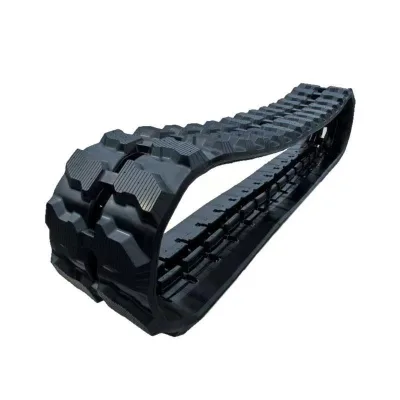
Excavator Rubber Track Undercarriage skid steer loader skid steer tracks
$171.54 - $178.39
MOQ: 2 pieces


Skid Steer Tracks Solutions / Compact Track Loader Tracks Undercarriages
$2000.00 - $4000.00
MOQ: 1 Pieces


Skid Steer Loader Rubber Track (T450*100K*48) for Construction Equipment
$598.00 - $615.00
MOQ: 1 Pieces


Comprehensive Sourcing Guide
Strategic Sourcing Guide for Skid Steer Rubber Tracks
Navigating the global market for skid steer rubber tracks requires a disciplined approach that balances technical compatibility, regulatory compliance, and supply chain reliability. For procurement professionals, the distinction between a generic crawler component and a precision-engineered track system is critical. The following guide synthesizes observed market data and verified product attributes to provide a framework for evaluating suppliers and selecting the correct components for heavy-duty applications. This analysis focuses on the specific characteristics of rubber tracks, their integration with machinery, and the logistical parameters that define a successful procurement cycle.
Technical Specifications and Compatibility Verification
The foundation of any successful procurement begins with precise technical verification. Skid steer rubber tracks are not one-size-fits-all components; they are engineered to match specific machine models and operational demands. In the current market, observed specifications reveal a high degree of customization. Buyers must verify the exact width, pitch, and length of the track to ensure it fits the undercarriage geometry of their equipment.
Data from available listings indicates that track widths vary significantly, with observed specifications including 300mm and 450mm variants. These dimensions are not arbitrary; they correspond to the load-bearing requirements of different machine classes. For instance, a 300mm width may be suitable for lighter utility tasks, while a 450mm width suggests a design intended for heavier excavation or grading work. Furthermore, the pitch and link configuration are critical. Specific model numbers such as "54 knots" have been observed, indicating that the internal chain or link structure is a key identifier for compatibility.
Compatibility extends beyond physical dimensions to the machine brand and model. The market shows a diverse range of compatible applications, including Yanmar, Hitachi, and Kubota DC60 models. Procurement teams must cross-reference the track's "Application Model" field with their specific fleet inventory. Relying on generic descriptions like "Excavator" or "Harvester" is insufficient for skid steer applications, which often require specific undercarriage adapters. The material composition is another vital technical factor. While some tracks are constructed from a blend of rubber and steel to enhance durability, others utilize natural rubber as the primary compound. The choice between these materials impacts the track's flexibility, traction, and resistance to abrasion.
Compliance, Certification, and Regulatory Standards
In the international B2B market, compliance is a non-negotiable prerequisite for procurement. Buyers must verify that all supplied components meet the necessary safety and quality certifications. Observed product data frequently cites CE and ISO9001:2015 (or similar iterations) as standard certifications. The presence of the CE mark indicates conformity with health, safety, and environmental protection standards for products sold within the European Economic Area, while ISO9001 certification suggests that the manufacturer adheres to a recognized quality management system.
However, the presence of a certification claim on a product listing does not guarantee that every unit in a batch is certified. Buyers should treat these as observations of the supplier's general compliance posture rather than a blanket guarantee for every single item ordered. It is essential to request valid, up-to-date certificates of conformity from the supplier before finalizing the purchase. The H.S. Code for these components is consistently observed as 84314999 or 8431499900, which classifies them as parts for machinery under the Harmonized System. This classification is crucial for accurate customs declaration and duty calculation.
Additionally, suppliers often reference specific export standards. While some listings mention "export standard" as a general guideline, others provide precise dimensional standards such as "40072.5n74" or "300x52.5x80." These numerical codes likely represent specific industry or manufacturer standards for track dimensions and tolerances. Procurement teams must ensure that the supplier can provide documentation proving that the delivered goods meet these specific numerical standards, rather than relying on generic marketing terms.
Cost Drivers and Pricing Structure Analysis
Understanding the cost structure of rubber tracks is essential for budgeting and negotiation. The observed price range in the market is extensive, spanning from $1 to $12,000 USD. This wide variance is driven by several factors, including the track's dimensions, material composition, and the complexity of the manufacturing process. A track priced at the lower end of the spectrum may be a smaller, lighter-duty component, while those approaching the upper limit likely represent heavy-duty, wide-width tracks designed for high-load applications.
The Minimum Order Quantity (MOQ) is another significant cost driver. Data indicates that MOQs can range from 1 piece to 2 units. Suppliers with an MOQ of 1 piece offer flexibility for small-scale repairs or testing, whereas those requiring 2 units may be optimizing for production efficiency. Buyers should be aware that ordering single units might incur a higher per-unit cost compared to bulk orders, even if the absolute price is lower.
Payment terms also influence the total cost of ownership. Observed payment methods include T/T, Money Gram, Western Union, and PayPal. While these options provide flexibility, they may carry different transaction fees or risks. For large orders, securing a Letter of Credit (L/C) or negotiating a structured T/T payment schedule (e.g., 30% deposit, 70% before shipment) is often more prudent than using instant transfer services. The packaging method, such as wooden pallets or wooden boxes, adds to the shipping weight and volume, which directly impacts freight costs. Buyers should factor in the cost of export-standard wooden packaging when calculating the landed cost of the product.
Typical Applications and Operational Performance
Rubber tracks are engineered for versatility across various heavy machinery applications. The observed usage data highlights their deployment in harvesters, excavators, and skid steer loaders. The primary advantage of rubber tracks over steel tracks is their ability to operate on sensitive surfaces without causing damage, making them ideal for urban construction, landscaping, and agricultural settings.
The material properties of the tracks directly influence their performance in these applications. Tracks described as "wear-resistant," "heat-resistant," and "tear-resistant" are designed to withstand the harsh conditions of continuous operation. The use of natural rubber or a rubber-steel composite enhances these properties, providing a balance between flexibility and durability. For example, a track with a "Black or Gray" coloration may indicate the use of specific carbon black compounds that improve UV resistance and longevity.
The application model is a critical filter for buyers. A track listed for a "Kubota DC60" will have different load ratings and pitch specifications than one designed for a "Yanmar Hitachi" excavator. Buyers must ensure that the track's "Type" matches the machine's requirements, whether it is a "Crawler" type or a specific "Excavator Bucket" configuration. Misalignment in application can lead to premature wear, reduced traction, and potential safety hazards. The "Condition: New" status observed in listings confirms that these are replacement parts, not refurbished or used components, which is a standard expectation for critical undercarriage parts.
Supplier Evaluation and Verification Protocols
Evaluating a supplier requires a rigorous verification process that goes beyond the information presented on a product page. The "Place of Origin" for many of these tracks is listed as Hebei, China, a region known for its manufacturing capabilities. However, the specific location within China does not guarantee quality. Buyers should verify the supplier's business license, production capacity, and history of exporting to their target market.
One of the most valuable verification tools observed is the "Video outgoing-inspection." Some suppliers offer this service, allowing buyers to visually inspect the product before shipment. This feature is highly recommended for large orders to ensure that the physical goods match the specifications and quality standards described. Conversely, listings that state "Video Outgoing-Inspection: Not Available" require the buyer to rely on third-party inspection services or to accept a higher level of risk.
The "Warranty Time" is another key metric for supplier evaluation. Observed warranty periods range from 6 months to 12 months. A 12-month warranty suggests a higher level of confidence in the product's durability, while a 6-month warranty may indicate a more conservative approach or a different product tier. Buyers should clarify the terms of the warranty, including what constitutes a defect and the process for claims. Additionally, the "Customization: Available" attribute indicates that suppliers are willing to tailor products to specific needs, which is a positive sign of a responsive and capable manufacturer.
Quality Control and Long-Term Procurement Considerations
Ensuring consistent quality over time requires a proactive approach to quality control. The "Standard" attribute, often listed as "OEM" or specific dimensional codes, serves as a baseline for quality. However, buyers should insist on a Quality Control (QC) plan that includes pre-production samples, in-process inspections, and final random inspections. The "Production Standard" of "export standard" is a general claim; buyers should request detailed inspection reports that verify the track's dimensions, material hardness, and tensile strength against the specific standards cited.
Long-term procurement considerations involve building a sustainable relationship with the supplier. The "Delivery Time" varies, with observed ranges from 10 days to 3-30 days. For critical spare parts, a shorter lead time is essential to minimize machine downtime. Buyers should negotiate clear delivery schedules and penalties for delays. The "Sea Port" of Xiamen is a common shipping origin, and understanding the logistics from this port to the destination is crucial for planning.
Furthermore, the "Marketing Type" of "Ordinary Product" suggests that these are standard off-the-shelf items rather than highly specialized, custom-engineered solutions. This implies that the market is competitive, and buyers should leverage this to negotiate better terms. However, the "Feature" set, including wear and tear resistance, remains a differentiator. Buyers should prioritize suppliers who can demonstrate consistent performance in these areas through case studies or customer references.
In conclusion, sourcing skid steer rubber tracks requires a meticulous balance of technical verification, compliance checks, and supplier evaluation. By focusing on the specific attributes observed in the market—such as width, material, certification, and warranty—buyers can make informed decisions that ensure the longevity and performance of their machinery. The extensive range of options available, from 1-piece MOQs to 12-month warranties, offers flexibility, but it also demands a disciplined approach to due diligence to avoid costly errors.
FAQs
What certifications do skid steer rubber tracks typically have?
Products often carry CE and ISO9001 certifications to ensure safety and quality management. Buyers should verify valid certificates from suppliers before purchase, as these represent general compliance rather than a blanket guarantee for every unit.
How long is the delivery time for these rubber tracks?
Delivery times typically range from 10 days to 30 days depending on the supplier. Shipping is usually arranged via sea freight from ports like Xiamen, with specific lead times varying by order volume and customization needs.
Which material compositions are available for these tracks?
Tracks are constructed from natural rubber or a blend of rubber and steel for durability. The choice of material impacts flexibility and abrasion resistance, with options available to suit different operational demands and machine models.
Can I order a single unit of skid steer rubber tracks?
Yes, some suppliers offer a minimum order quantity of just one piece for testing or small repairs. Other vendors may require two units, so buyers should check specific MOQs to align with their procurement strategy and budget.
What warranty periods are offered for these rubber tracks?
Warranty periods typically range from six months to twelve months depending on the product tier. A longer warranty often indicates higher confidence in durability, but buyers must clarify specific defect coverage and claim processes with the supplier.
How are the rubber tracks packaged for international shipping?
Products are commonly packed in wooden pallets, wooden boxes, or export wooden cases to ensure safety. This packaging adds to the shipping weight and volume, which buyers should factor into their total landed cost calculations.
Which machine models are compatible with these rubber tracks?
Tracks are designed for specific models like Yanmar Hitachi, Kubota DC60, and various excavators. Buyers must verify the application model and width specifications, such as 300mm or 450mm, to ensure proper fit for their equipment.