Source Work Platform for Building Crane, Warehouse, and Shipboard Use
Compare 30 Work Platform options including hydraulic and rack-and-pinion models with capacities up to 7 tons. Buyers can evaluate specifications like maximum working height, driven type, and safety features from verified Chinese manufacturers; compare the available evidence and request quotations based on your requirements.
Key considerations
Products List


$55000.00 - $85000.00
MOQ: 1 Pieces


$10000.00 - $50000.00
MOQ: 1 Sets




Comprehensive Sourcing Guide
Work Platform Sourcing Guide
Procuring industrial work platforms requires a disciplined approach to matching technical capabilities with specific operational environments. Buyers must first define the primary application, whether it involves building cranes, warehouse logistics, shipboard operations, or general workshop tasks. The observed market data indicates a diverse range of solutions, from stationary AC-driven units to hydraulic telescoping lifts and rack-and-pinion systems. Understanding these distinct mechanical configurations is essential for selecting equipment that aligns with site constraints and workflow demands.
The second critical step involves evaluating the physical and operational specifications of the available units. Listings reveal significant variations in payload capacity, ranging from 2 to 7 tons, and working heights extending up to 22 meters for mobile units or 200 meters for high-rise rack systems. Buyers should carefully assess the platform dimensions, such as widths between 760mm and 2.7m, to ensure compatibility with existing infrastructure. Verifying the driven type, whether hydraulic or AC, and the lift mechanism ensures the selected platform meets the required speed and precision needs for the intended industrial application.
Product Scope and Observed Listing Signals
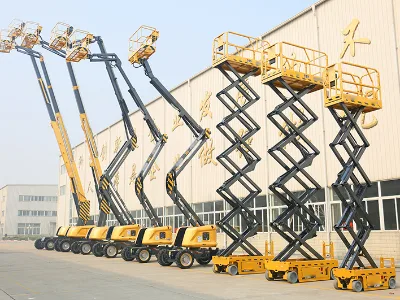
The current market for work platforms presents a wide spectrum of models, each tailored to distinct industrial needs. Observed listings include specialized units like the PFT-001, characterized by a yellow steel construction and forklift safety cage, and the Z XGS22K, which features a telescoping lift mechanism with a maximum working height of 22 meters. These models highlight the diversity in design, from compact, stationary units to larger, mobile platforms capable of reaching significant elevations. Buyers should note that product origins are primarily traced to regions like Xuzhou, Jiangsu, and Shandong, China, indicating a concentrated manufacturing hub for these heavy-duty assets.
Another significant segment of the market includes rack-and-pinion lifting platforms, such as the MC650 and MC450 models, which offer substantial payload capacities and high lifting heights up to 200 meters. These units are often designed for industrial applications requiring robust vertical transport solutions, with features like explosion-proof and insulating capabilities. The observed price range spans from $95 to $100,000, reflecting the vast differences in complexity, material quality, and operational capacity. Minimum order quantities typically range from 1 to 20 units, allowing for both single-unit procurement and larger fleet acquisitions depending on the buyer’s scale of operation.
Technical Specifications to Verify
When evaluating work platforms, verifying the core mechanical specifications is paramount to ensuring operational safety and efficiency. Buyers must confirm the driven type, such as hydraulic or AC systems, and the lift mechanism, whether telescoping or rack-and-pinion. For instance, rack-and-pinion models often feature dual motor drive units with specific power ratings, such as 2*4kw, and operate on standard 380V power supplies. The mast type, whether single or twin, and the rack module configuration directly impact stability and load-bearing capacity. Ensuring these technical details align with the site’s power infrastructure and load requirements prevents costly mismatches and operational delays.
Platform dimensions and payload limits are equally critical factors that require strict verification. Listings indicate platform widths ranging from 760mm to 2.7m and lengths up to 35.6m, with maximum payloads between 2 and 7 tons. Buyers should also assess the maximum working height, which can vary from 22 meters for mobile lifts to 200 meters for high-rise rack systems. Additionally, the speed of operation, such as 8 or 9.6 meters per minute, affects productivity in high-throughput environments. Confirming these specifications against the actual site constraints ensures the selected Work Platform can perform its intended tasks without compromising safety or efficiency.
Compliance and Safety Documentation
Safety and regulatory compliance are non-negotiable aspects of sourcing industrial work platforms. Buyers must verify that all equipment carries appropriate certifications, such as CE, ISO, and SGS, which indicate adherence to international safety and quality standards. The presence of safety devices, such as explosion-proof and insulating features, is crucial for operations in hazardous environments. Additionally, machinery test reports should be provided and reviewed to confirm that the equipment has undergone rigorous testing for structural integrity and operational reliability. These documents serve as essential evidence of the manufacturer’s commitment to safety and quality control.
Beyond certifications, buyers should ensure that the work platforms meet specific industry standards relevant to their application. For example, lifting platforms must comply with standards that govern vertical transport safety, while mobile lifts may need to adhere to different regulatory frameworks. The surface treatment, such as painting or galvanization, also plays a role in long-term durability and safety, particularly in corrosive environments. Buyers should request detailed documentation on these aspects to ensure that the equipment not only meets initial safety requirements but also maintains compliance throughout its operational lifecycle, reducing the risk of accidents and regulatory penalties.
Cost Drivers and Commercial Terms
The cost of work platforms is influenced by several key factors, including material quality, mechanical complexity, and customization options. High-quality steel construction and advanced lift mechanisms, such as telescoping or rack-and-pinion systems, typically command higher prices. Customization availability allows buyers to tailor specifications to their specific needs, but this may also impact the final cost. Buyers should carefully evaluate the trade-off between initial purchase price and long-term operational efficiency, considering factors like energy consumption and maintenance requirements. Understanding these cost drivers helps in making informed procurement decisions that balance budget constraints with performance expectations.
Commercial terms, including minimum order quantities and packaging requirements, also play a significant role in the total cost of ownership. Listings indicate MOQs ranging from 1 to 20 units, which can affect pricing tiers and logistics planning. Packaging methods, such as container shipping or compliance with export requirements, influence transportation costs and handling procedures. Buyers should negotiate clear terms regarding delivery lead times, warranty coverage, and after-sales support. These commercial aspects can significantly impact the overall procurement strategy, so it is essential to align them with the buyer’s operational timeline and logistical capabilities to ensure a smooth and cost-effective acquisition process.
Supplier Qualification and Quality Control
Selecting a reliable supplier is critical to ensuring the quality and reliability of work platforms. Buyers should prioritize suppliers who provide comprehensive machinery test reports and adhere to recognized international standards. The presence of certifications like CE, ISO, and SGS is a strong indicator of a supplier’s commitment to quality control. Additionally, suppliers with a proven track record in exporting to diverse markets may offer better support and compliance with international regulations. Buyers should conduct thorough due diligence, including reviewing supplier credentials and past performance, to mitigate the risk of procuring substandard equipment.
Quality control processes should be clearly defined and verified before placing orders. Buyers should request detailed information on the manufacturing processes, including material sourcing and assembly procedures. The use of high-quality steel and appropriate surface treatments, such as galvanization, should be confirmed through documentation or third-party inspections. Establishing clear quality benchmarks and inspection protocols helps ensure that the delivered work platforms meet the specified technical and safety requirements. Engaging with suppliers who prioritize transparency and quality control fosters a more reliable and sustainable procurement relationship.
Long-Term Procurement Checks
Long-term procurement success depends on establishing robust checks and balances for ongoing supplier performance and equipment reliability. Buyers should implement regular audits of supplier quality control processes and review machinery test reports for consistency. Monitoring the performance of deployed work platforms in real-world conditions provides valuable feedback for future procurement decisions. This includes assessing factors like durability, maintenance frequency, and operational efficiency. By maintaining a continuous feedback loop, buyers can identify potential issues early and adjust their sourcing strategies to optimize performance and cost-effectiveness.
Additionally, buyers should stay informed about evolving industry standards and technological advancements in Work Platform design. Regularly reviewing market trends and supplier capabilities ensures that procurement decisions remain aligned with best practices and regulatory requirements. Engaging with suppliers for continuous improvement initiatives and exploring new customization options can enhance the value proposition over time. By adopting a proactive approach to long-term procurement checks, buyers can build a resilient supply chain that supports their operational goals and adapts to changing market dynamics effectively.
FAQs
What lifting mechanisms are available for work platforms?
Telescoping lift and rack and pinion mechanisms are commonly used. Telescoping lifts offer compact storage, while rack and pinion systems provide stable vertical movement for heavy loads. The choice depends on the required height and payload capacity for your specific industrial application.
Can work platforms be customized for specific applications?
Yes, customization is available for various industrial needs. Buyers can select specific colors, mast types, and safety devices to match operational requirements. This flexibility ensures the equipment integrates seamlessly into building cranes, warehouse setups, or shipboard environments with optimal performance.
What certifications are required for Work Platform suppliers?
CE and ISO certifications are standard requirements for quality assurance. Some suppliers also provide SGS reports to verify compliance. These certifications ensure the machinery meets international safety and manufacturing standards, which is crucial for importing equipment from China to global markets.
How does the maximum working height affect selection?
Maximum working heights range from 22 meters to 200 meters depending on the model. Higher platforms require robust hydraulic or AC drive systems. Selecting the correct height ensures efficient access for maintenance or construction tasks while maintaining structural stability and safety during operation.
What is the typical packaging method for export?
Export packaging complies with standard international requirements to prevent damage. Options include forklift safety cages or containerized packing. Proper packaging ensures the heavy steel machinery arrives intact, facilitating easy unloading and installation at the destination site without additional protective measures.
Which materials are used in Work Platform construction?
High-quality steel is the primary material for durability and strength. This ensures the platform can handle significant payloads and withstand harsh industrial environments. The steel construction is often treated with painting or galvanizing to resist corrosion and extend the equipment's operational lifespan.