Source Liquid Level Transmitter for Water Tanks, Sewage, and Wells
Find 30 Liquid Level Transmitter options with IP68 protection, 4-20mA output, and stainless steel construction. Buyers can compare models like HDL604 and HC68GPL for water tanks, sewage systems, and wells.
Key considerations
Products List


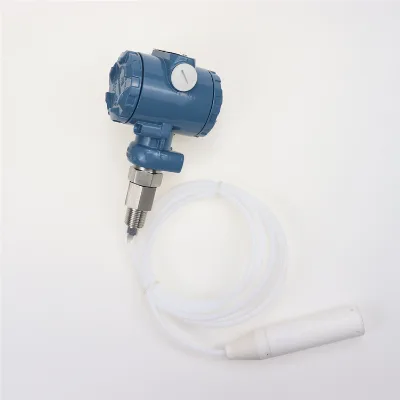
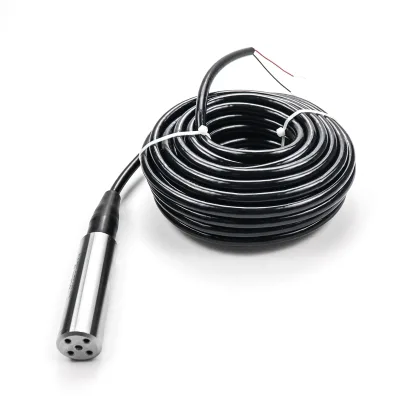


Liquid Level Transmitter Operating Temperature -20-80 Degree Water Level
$98.00 - $99.00
MOQ: 1 Pieces

Liquid Level RF Admittance Level Transmitter for Continuous Tank Level Measurement
$738.00 - $1485.00
MOQ: 1 Pieces

Liquid Level Magnetic Float Level Transmitter for Continuous Tank Level Measurement
$300.00 - $1000.00
MOQ: 1 Pieces


Comprehensive Sourcing Guide
Strategic Sourcing Guide for Liquid Level Transmitters
Procuring industrial liquid level transmitters requires a disciplined approach that balances technical precision with supply chain reliability. The market offers a diverse array of devices, ranging from simple submersible sensors to complex pressure-based transmitters with advanced communication protocols. For procurement professionals, the primary challenge lies in distinguishing between generic product listings and equipment that meets specific operational demands. This guide outlines the critical factors for sourcing these instruments, focusing on the technical attributes, compliance requirements, and cost structures observed in the current market. By adhering to evidence-based criteria, buyers can mitigate risks associated with equipment failure and ensure long-term operational stability.
Technical Specifications and Performance Metrics
The core functionality of a Liquid Level Transmitter depends heavily on its sensing technology and accuracy grade. In the current market, silicon piezoresistive technology is a dominant configuration, offering robust performance for submersible applications. When evaluating potential units, buyers must verify the accuracy grade, which typically ranges from 0.1 to 0.2 in high-precision industrial settings. Some standard models offer an accuracy of 0.25% Full Scale (F.S.), while premium configurations may achieve 0.1% F.S. It is crucial to note that accuracy claims must be validated against the specific measuring range, which can extend from 1 meter up to 500 meters depending on the model.
Response time is another critical performance metric. High-performance transmitters in this category often demonstrate a response time of 50 milliseconds or less, ensuring rapid data updates for real-time monitoring systems. The output signal capabilities are equally vital for integration with existing control systems. Standard configurations support multiple output formats, including 4-20mA current loops, 1-5VDC, 0-10VDC, and RS485 digital communication. Buyers should confirm that the selected unit supports the specific protocol required by their Programmable Logic Controllers (PLCs) or data acquisition systems.
The physical construction of the device dictates its durability in harsh environments. The diaphragm material is frequently specified as 316L stainless steel or Hastelloy, providing resistance to corrosion from aggressive liquids. The process connection material often includes options like 304 stainless steel, 316 stainless steel, or Hastelloy, depending on the chemical compatibility required for the specific medium. For applications involving corrosive liquids, verifying the material composition of the wetted parts is non-negotiable. Additionally, the shell protection rating is a key indicator of environmental resilience, with IP68 being a common standard for submersible units, ensuring protection against prolonged immersion and dust ingress.
Compliance, Certification, and Environmental Standards
Navigating the regulatory landscape is essential for international procurement. While specific certification statuses vary by manufacturer, buyers should actively seek documentation for RoHS compliance, which restricts the use of hazardous substances in electronic equipment. This certification is increasingly becoming a baseline requirement for projects in Europe and North America. Furthermore, the product origin plays a role in supply chain transparency. Many high-volume suppliers originate from manufacturing hubs in regions like Anhui, China, specifically Hefei, which is known for its concentration of sensor manufacturing capabilities.
Environmental operating ranges must be strictly adhered to for reliable performance. The compensation temperature range for many industrial units spans from -10°C to 70°C, while the medium temperature tolerance can extend from -40°C to 80°C. Exceeding these limits can lead to sensor drift or permanent damage. Buyers must also consider the overload pressure capabilities, which are often rated at 300% of the full scale (F.S.) to handle pressure spikes without failure. The long-term stability of the device is another compliance-adjacent metric, with some models guaranteeing a stability of ±0.2% F.S. per year. This figure is critical for maintenance planning, as it determines the frequency of recalibration required to maintain measurement integrity.
Cost Drivers and Pricing Structures
The pricing of liquid level transmitters is influenced by a complex interplay of factors, including accuracy, material composition, and customization levels. Market observations indicate a wide price range, spanning from approximately $18 to $2,000 USD. This variance reflects the difference between basic submersible sensors and advanced, custom-engineered pressure transmitters with specialized communication interfaces. The material cost is a significant driver; units constructed with Hastelloy diaphragms and high-grade stainless steel shells command a premium over those using standard 304 stainless steel or plastic components like PE.
Customization is a major cost variable. While many suppliers offer OEM support and customized solutions, the degree of modification impacts the final price. Standard models with fixed specifications are generally more cost-effective, whereas units requiring specific mounting brackets, unique output signals, or tailored accuracy grades will incur higher costs. The Minimum Order Quantity (MOQ) also affects the unit price. Observed MOQs in the market typically range from 1 to 10 units, allowing for flexibility in procurement for both pilot projects and large-scale deployments. Buyers should be aware that smaller order volumes may result in a higher per-unit cost, while bulk purchases often unlock volume discounts.
Typical Applications and Operational Context
Liquid level transmitters are deployed across a wide spectrum of industries, from water treatment facilities to chemical processing plants. The primary application is the measurement of liquid levels in tanks, wells, and open channels. The ability to measure a range of 0 to 500 meters makes these devices suitable for deep well monitoring and large reservoir management. The medium compatibility is another defining factor; these transmitters are designed for liquids, water, and other non-corrosive fluids. For applications involving corrosive media, the selection of Hastelloy or 316L stainless steel components becomes mandatory to prevent premature failure.
Mounting configurations vary based on the installation environment. Standard mounting options include pipe mounting brackets, flange mounting, and thread mounting. The choice of mounting method depends on the physical constraints of the tank or vessel. For instance, flange mounting is often preferred for high-pressure applications, while thread mounting is common for smaller diameter pipes. The power supply requirements also influence the application context. Most units operate on a DC power supply ranging from 3-5VDC to 12-28VDC, with some standard models supporting 12-36VDC. This flexibility allows for integration into various power distribution systems, from battery-operated remote stations to industrial mains power.
Supplier Evaluation and Quality Assurance
Evaluating a supplier requires a focus on their ability to deliver consistent quality and support. Buyers should verify the brand name and reputation of the manufacturer, as established brands often provide better after-sales support and warranty coverage. A standard warranty period of one year is common in the industry, but buyers should clarify the terms of coverage, including what constitutes a defect versus normal wear and tear. The single gross weight of the product, often around 1.250 kg, and the single package size of 15x6x8 cm are practical details that affect logistics and shipping costs.
Quality control processes are paramount. Buyers should request evidence of the manufacturing process, including the use of wooden packing for protection during transit. The packaging method is critical for preventing damage to sensitive electronic components during shipping. Additionally, the response time and accuracy of the device should be verified through third-party testing or factory acceptance tests (FAT) before final acceptance. Suppliers that provide detailed test reports and calibration certificates demonstrate a commitment to quality. It is also advisable to check the supplier's capacity to handle custom orders, as the ability to provide OEM support indicates a flexible and responsive manufacturing partner.
Long-Term Procurement and Maintenance Considerations
Sourcing liquid level transmitters is not merely a one-time transaction but a long-term commitment to operational reliability. The long-term stability of the device, often rated at ±0.2% F.S. per year, is a key indicator of its lifespan and maintenance needs. Buyers should factor in the cost of periodic recalibration and potential replacement parts when calculating the total cost of ownership. The full load power consumption, typically around 2W for pressure and level transmitters, is another consideration for energy efficiency, especially in remote or battery-powered applications.
The availability of spare parts and technical support is crucial for minimizing downtime. Suppliers that offer comprehensive documentation, including installation manuals and troubleshooting guides, add significant value to the procurement process. The ability to customize the product, such as selecting specific accuracy grades or output signals, ensures that the equipment remains relevant as operational requirements evolve. Finally, buyers should maintain a clear record of the product origin, model number, and serial numbers to facilitate warranty claims and future replacements. By focusing on these long-term factors, organizations can ensure a stable and efficient supply chain for their liquid level monitoring needs.
| Feature Category | Standard Observation | Verification Requirement |
|---|---|---|
| Accuracy Grade | 0.1, 0.2, 0.25% F.S. | Confirm specific grade for application needs. |
| Material | 304, 316, Hastelloy, PE | Verify compatibility with specific liquid media. |
| IP Rating | IP68 | Ensure protection level matches installation environment. |
| Output Signal | 4-20mA, 1-5V, 0-10V, RS485 | Match with existing PLC or control system protocols. |
| Warranty | 1 Year | Clarify terms for defects and calibration. |
| Response Time | ≤50ms | Verify for real-time monitoring requirements. |
| Power Supply | 12-28VDC, 3-5VDC, 12-36VDC | Confirm compatibility with site power infrastructure. |
| Packaging | Wooden Packing | Ensure protection during long-distance shipping. |
In conclusion, successful procurement of liquid level transmitters hinges on a thorough understanding of technical specifications, compliance requirements, and supplier capabilities. By rigorously evaluating accuracy, material compatibility, and long-term stability, buyers can select equipment that delivers reliable performance in diverse industrial applications. The wide range of available options, from basic submersible sensors to advanced pressure transmitters, allows for tailored solutions that meet specific operational demands. Ultimately, a disciplined sourcing strategy that prioritizes evidence-based decision-making will result in a robust and efficient liquid level monitoring system.
FAQs
What accuracy grades are available for these transmitters?
Accuracy grades of 0.1, 0.2, and 0.25% F.S. are available for selection. Buyers should verify the specific grade required for their application, as higher precision models may command a premium price.
Which materials are used for the diaphragm and shell?
The diaphragm is typically made of 316L stainless steel or Hastelloy, while the shell uses 304, 316, or Hastelloy. These materials ensure resistance against corrosion from aggressive liquids and harsh industrial environments.
Can the device operate in submersible conditions with IP68 rating?
Yes, the device features an IP68 protection grade suitable for prolonged submersion. This rating ensures the unit remains functional when fully immersed in water or other liquids without dust ingress.
What output signals does the transmitter support for integration?
The transmitter supports 4-20mA, 1-5V, 0-10V, and RS485 output signals. These options allow flexible integration with various PLCs and data acquisition systems used in industrial automation.
How long is the warranty period for the product?
The standard warranty period is one year for the product. Buyers should clarify specific terms regarding defects and calibration to ensure long-term operational stability and support coverage.
What is the response time for real-time monitoring?
The response time is typically 50 milliseconds or less for rapid data updates. This speed ensures the device meets the requirements for real-time monitoring systems in dynamic industrial processes.
Which customization options are available for OEM orders?
OEM customization is available for specific accuracy grades, output signals, and mounting brackets. Buyers can request tailored solutions to match unique operational demands while potentially affecting the final unit cost.