Source Liquid Lipstick for lips, events, and retail resale
Explore 30 verified listings for Liquid Lipstick options suitable for adult female use. Buyers can compare certifications like ISO and GMPC, packaging types, and shelf life details across multiple suppliers from Zhejiang, China.
Key considerations
Products List
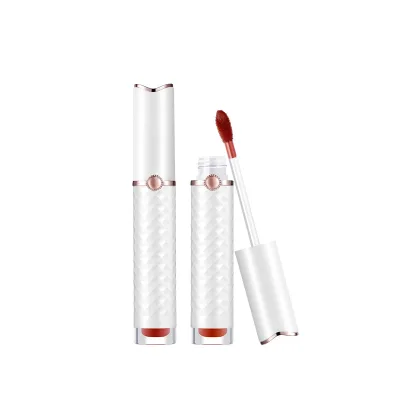


Custom Private Label Lasting Matte Liquid Lipstick for Cosmetic Brands
$0.69 - $0.99
MOQ: 12000 Pieces


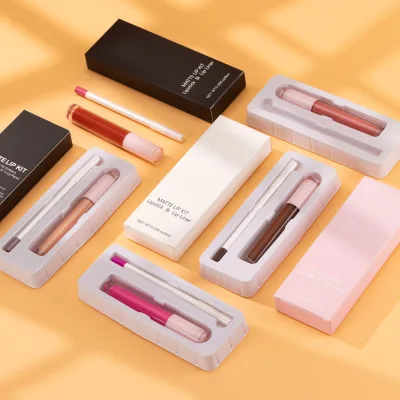
OEM Private Logo Cross-Border Hot Sale Eight-Color Non-Stick Liquid Lipstick
$0.50 - $3.59
MOQ: 500 Pieces




Comprehensive Sourcing Guide
Strategic Sourcing Guide for Liquid Lipstick Procurement
Navigating the global market for Liquid Lipstick requires a disciplined approach that balances aesthetic appeal with rigorous technical compliance. For procurement professionals, the distinction between a cosmetic product and a regulated consumer good is critical. The Liquid Lipstick category presents unique challenges regarding formulation stability, packaging integrity, and regulatory adherence across different jurisdictions. This guide synthesizes observed market data and technical specifications to provide a framework for evaluating suppliers and ensuring product quality without relying on unverified marketing claims.
Technical Specifications and Formulation Analysis
The foundation of any successful Liquid Lipstick procurement lies in understanding the specific physical and chemical attributes of the product. Market observations indicate a divergence in product forms, with "Liquid" and "Stick" formats both present in the supply chain, though the core keyword focuses on the liquid variant. Buyers must verify the exact form factor, as the application method and drying time differ significantly between these types.
A critical observation in the current market is the variance in ingredient composition. Data points reveal products utilizing "Mineral" ingredients, "Herbal" extracts, and "Chemical" bases. Some listings indicate a combination of "Mineral, Chemical" ingredients. This diversity necessitates a clear definition of the desired formulation before engaging with suppliers. Procurement teams should request detailed ingredient lists (INCI) to ensure the product aligns with the brand's positioning, whether that is natural, synthetic, or hybrid.
Packaging specifications are equally vital for liquid lipsticks due to the fluid nature of the product. Observed data highlights a "Color Box Packing" standard, often accompanied by "Plastic" packaging materials. The single package size for a typical unit is recorded as 15x5.6x2.3 cm, with a gross weight of 0.080 kg. However, variations exist, with some models specifying dimensions like 21x21x90mm or 17x130mm. These discrepancies suggest that buyers must confirm the exact dimensions and weight for their specific order, as these factors directly influence shipping costs and shelf display requirements. The "Net Wt 3.5g" standard is a common reference point, but verification of the actual fill volume is essential to prevent underfilling complaints.
Regulatory Compliance and Certification Verification
In the cosmetics industry, certification is not merely a marketing asset but a prerequisite for market access. The supply chain data indicates that reputable suppliers often provide a suite of certifications including GMPC, ISO, MSDS, FDA, and GMP. The presence of these credentials suggests adherence to Good Manufacturing Practice and safety standards. Specifically, the ISO certification is frequently cited, and while background knowledge often references ISO 22716 for cosmetics, procurement teams must verify the specific scope of the certification provided by the supplier rather than assuming compliance based on general industry standards.
The MSDS (Material Safety Data Sheet) is a non-negotiable document for liquid cosmetics, detailing the chemical composition and safety handling procedures. FDA registration, where applicable, indicates that the product meets United States regulatory requirements for safety and labeling. GMPC and GMP certifications further assure that the manufacturing environment maintains high hygiene and quality control standards. Buyers should explicitly request copies of these certificates for the specific batch or model number (e.g., SC012, L-27, L-51) they intend to purchase. It is important to note that certification status can vary by product line; a supplier may be certified for one model but not another. Therefore, due diligence requires checking the certification status for the exact product SKU.
Cost Drivers and Minimum Order Quantity Dynamics
The pricing structure for Liquid Lipstick is influenced by several variables, including customization, packaging complexity, and order volume. The observed market price range spans from $0.02 to $4.03 USD. This wide disparity reflects the difference between generic, unbranded items and customized, high-end formulations. The lower end of the spectrum likely corresponds to basic, non-customized units, while the higher end may include private labeling, complex color formulations, or premium packaging.
Minimum Order Quantity (MOQ) is a significant factor in the total cost of ownership. The observed MOQ range is extensive, spanning from 1 piece to 12,000 pieces. This flexibility allows buyers to test the market with small batches or secure volume discounts for large-scale distribution. However, the "Selling Units" are often listed as "Single item," which can be misleading if the MOQ requires a bulk purchase of these single units. Buyers must clarify whether the MOQ applies to individual units or cases.
Customization is a primary cost driver. The data confirms that "Customization" is available, with options for private labeling ("accept private"). This service typically incurs a higher unit cost and may have a higher MOQ threshold compared to standard stock items. Additionally, the "Packaging Details" show options like "Cartons" or "Paper Box," which affect the final price. Procurement teams should request a detailed cost breakdown that separates the base product cost, packaging fees, and customization charges to accurately forecast the total landed cost.
Typical Applications and Market Segmentation
Liquid Lipstick serves a diverse range of applications, primarily targeting adult female consumers. The product is designed for cosmetic enhancement, offering features such as "Waterproof" capabilities, which is a key selling point for long-wear applications. The color options vary, with some products offering "5 COLORS" and others described as "Single-Color" or "Multi-Colored." This variety allows brands to cater to different market segments, from everyday wear to high-fashion runway looks.
The shelf life of the product is another critical application factor. Observed data indicates a shelf life of 36 months, while some entries mention a "Pao" (Period After Opening) of 12 months. This distinction is vital for inventory management and retail display strategies. Products with a longer shelf life are preferable for markets with slower turnover rates, while a shorter Pao requires clear labeling to ensure consumer safety. The "Disposable" status is listed as "Non-Disposable," indicating that the packaging is designed for reuse or that the product is intended for multiple applications before disposal.
Supplier Evaluation and Quality Control Protocols
Evaluating a supplier for Liquid Lipstick requires a multi-faceted approach that goes beyond price comparison. The place of origin is consistently listed as "Zhejiang, China," a major manufacturing hub for cosmetics. While this indicates a mature supply chain, buyers must verify the specific factory's capabilities. Key evaluation criteria include the supplier's ability to handle "Customized" orders and their track record with "Non-Customized" items.
Quality control should be embedded in the procurement process. Buyers must verify the "Form" of the product, ensuring it matches the "Liquid" specification and does not inadvertently receive a "Stick" variant. The "Ingredient" profile must be consistent with the order, whether it is "Mineral," "Herbal," or "Chemical." Furthermore, the "Packaging Material" must be verified as "Plastic" or "Paper Box" as specified, as material quality directly impacts product stability and leak prevention.
A robust quality control plan should include pre-shipment inspections. These inspections should verify the "Single package size" (15x5.6x2.3 cm), the "Single gross weight" (0.080 kg), and the integrity of the "Color Box Packing." Visual checks for color consistency and packaging defects are essential. Additionally, buyers should request batch-specific test results to ensure the product meets the "GMPC, ISO, MSDS, FDA, GMP" standards claimed.
Long-Term Procurement Considerations
Sourcing Liquid Lipstick is not a one-time transaction but a long-term partnership that requires strategic planning. The availability of "Private Label" services suggests that buyers may wish to build a proprietary brand. This requires a clear agreement on intellectual property rights and the exclusivity of the design. The "Customization" availability implies that the supplier can adapt to changing market trends, but this flexibility must be managed through clear communication and defined timelines.
Inventory management is another long-term consideration. With a shelf life of 36 months, buyers have flexibility in stockpiling, but the 12-month Pao requires careful rotation to ensure freshness. The "Model Number" system (e.g., SC012, L-27, 800007) allows for precise tracking of product variations, which is essential for maintaining a consistent product line.
Finally, sustainability and supply chain resilience are becoming increasingly important. While the current data does not explicitly mention eco-friendly materials, the use of "Plastic" and "Cartons" suggests a need to evaluate the environmental impact of packaging. Buyers should consider the supplier's ability to adapt to future regulatory changes regarding packaging materials and chemical ingredients. Establishing a relationship with a supplier who demonstrates flexibility and a commitment to quality will ensure a stable supply chain for the Liquid Lipstick category.
Conclusion
Procuring Liquid Lipstick involves a careful balance of technical verification, regulatory compliance, and strategic cost management. By focusing on the specific attributes observed in the market—such as the "Liquid" form, "Mineral" or "Chemical" ingredients, and "Waterproof" features—buyers can make informed decisions. The wide range of MOQs and price points offers flexibility, but it also demands rigorous due diligence to ensure that the selected supplier meets the required standards. Through a disciplined approach to supplier evaluation and quality control, procurement teams can secure high-quality Liquid Lipstick products that meet consumer expectations and regulatory requirements.
FAQs
What certifications do Liquid Lipstick suppliers typically provide?
Suppliers often provide GMPC, ISO, MSDS, FDA, and GMP certifications. These credentials verify adherence to safety and manufacturing standards, but you must request specific documents for the exact model number like SC012 to ensure batch compliance.
How much is the minimum order quantity for Liquid Lipstick?
The minimum order quantity ranges from 1 piece up to 12,000 pieces depending on the supplier. Some listings specify an MOQ of 3 pieces, while others may require bulk purchases, so confirm the specific threshold before ordering.
Can I customize the packaging for my Liquid Lipstick brand?
Customization is available for private labeling and specific packaging details. You can choose options like color box packing or cartons, but verify if the customization affects the unit price and minimum order requirements for your selected model.
What is the shelf life of the Liquid Lipstick products?
The standard shelf life is 36 months for unopened products. However, the period after opening is typically 12 months, so plan your inventory rotation carefully to ensure product safety and quality for your customers.
Which ingredients are used in the Liquid Lipstick formulations?
Formulations vary and may include mineral, herbal, or chemical ingredients. Some products combine mineral and chemical bases, so request the full ingredient list to ensure the composition aligns with your brand's natural or synthetic positioning.
Where are the Liquid Lipstick manufacturers located?
Most manufacturers are located in Zhejiang, China. This region is a major hub for cosmetic production, offering a mature supply chain, but you should verify the specific factory capabilities for your custom or stock orders.
What is the price range for Liquid Lipstick products?
The observed price range spans from 0.02 to 4.03 USD per unit. Costs vary based on customization, packaging complexity, and order volume, so request a detailed breakdown to understand the total landed cost for your specific needs.