Source Loader Engine Pump Repair Kit for Toyota, Volkswagen, and CAT3306
Find a Loader Engine Pump Repair Kit from 30 verified listings. Buyers can compare specifications, customization options, and pricing for diesel injection pumps used in Toyota, Volkswagen, and CAT3306 applications.
Key considerations
Products List


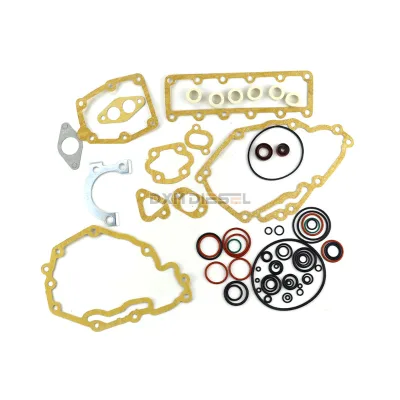


2.2 Fuel Pump Repair Kit Small for Diesel Engine Auto Engine Parts High Quality
$26.00 - $35.00
MOQ: 1 Pieces


Comprehensive Sourcing Guide
Loader Engine Pump Repair Kit Sourcing Guide
Procuring repair kits for loader engine fuel injection pumps requires a disciplined approach to specification matching and supplier verification. These kits are essential for maintaining the precise fuel delivery systems found in heavy machinery, where even minor deviations in pump performance can lead to significant operational downtime. The core challenge lies in identifying components that are not only physically compatible but also meet the rigorous pressure and flow requirements of specific engine models. Buyers must navigate a market where generic listings often obscure critical details, making it imperative to rely on verified technical data rather than marketing descriptions.
This guide provides a structured framework for sourcing these critical components, focusing on the intersection of technical accuracy, commercial terms, and quality assurance. By understanding the typical attributes observed in current listings—such as material composition, packaging standards, and origin locations—procurement teams can establish clearer communication channels with suppliers. The goal is to minimize the risk of receiving incorrect parts, which can result in costly rework and extended machine idle time. A methodical evaluation process ensures that every purchased kit contributes to the reliability and longevity of the loader’s engine system.
Product Scope and Observed Listing Signals
The market for loader engine pump repair kits presents a diverse array of product listings, often characterized by varying levels of technical specificity. Observed data indicates a wide price range, typically spanning from low-cost options to premium-priced specialized kits, reflecting differences in component quality and brand reputation. Minimum Order Quantities (MOQs) also vary significantly, ranging from single-unit purchases for immediate repairs to bulk orders for fleet maintenance. Buyers should interpret these signals as indicators of supplier scale and inventory strategy, rather than definitive measures of product quality. Understanding these market dynamics helps in negotiating better terms and aligning procurement volumes with actual maintenance schedules.
Material composition and packaging are critical observable attributes that provide insight into the product’s durability and handling requirements. Steel is a commonly cited material for certain components within these kits, suggesting a focus on mechanical strength and wear resistance. Packaging methods observed include ocean freight containers, plastic cases, cartons, and customized packing solutions, which directly impact shipping costs and product protection during transit. Additionally, color options such as grey or customized finishes may be available, though these are often secondary to functional specifications. Buyers should prioritize suppliers who provide clear details on packing standards to ensure that delicate internal components arrive undamaged and ready for installation.
Technical Specifications to Verify
Accurate model matching is the most critical step in sourcing pump repair kits, as compatibility is rarely universal across different engine types. Listings frequently reference specific model numbers such as KC1560030012, LDF07-02, J0200-1x, and others, which serve as primary identifiers for compatibility. Buyers must cross-reference these codes with their equipment’s engine manual to ensure a precise fit. The presence of multiple model numbers in a single listing, such as 146600-1120 and 800600, may indicate a kit designed for a family of engines or a multi-part assembly. Verification of these codes with the supplier is essential to prevent mismatches that could lead to improper fuel injection timing or pressure issues.
Beyond model numbers, technical attributes such as stroke type, cylinder configuration, and fuel type provide further context for compatibility. Some listings specify 2-stroke or 4-stroke engines, horizontal draught or downdraft carburetor types, and multi-cylinder configurations, which help narrow down the suitable kit for a specific loader engine. Fuel type, particularly diesel, is a standard requirement for most heavy equipment, but variations in fuel saver types or injection device components can affect performance. Buyers should request detailed technical sheets that map these attributes to their specific engine codes, ensuring that every gasket, seal, and nozzle in the kit aligns with the engine’s operational parameters.
Compliance and Safety Documentation
Certification status is a key indicator of a supplier’s commitment to quality management and manufacturing consistency. ISO certification is frequently mentioned in product listings, often linked to specific components such as auto nozzles or fuel injection devices. While the presence of an ISO mark suggests adherence to international standards, buyers should verify the scope of the certification to ensure it covers the manufacturing of repair kits and not just general trading activities. This verification helps mitigate risks associated with substandard materials or inconsistent manufacturing processes that could compromise the pump’s integrity under high-pressure conditions.
Safety and performance documentation should include test results and quality control records that validate the kit’s performance. Although specific test data may not always be publicly listed, buyers should request evidence of injector pump testing or gasket material verification, such as rubber composition analysis. The condition of the parts, often listed as "New," should be accompanied by warranty terms that cover defects in material or workmanship. Additionally, understanding the origin of the components, whether from major manufacturing hubs like Jiaxing, Zhejiang, or Shandong, can provide context for the supply chain’s reliability and the availability of after-sales support.
Cost Drivers and Commercial Terms
Pricing for loader engine pump repair kits is influenced by several factors, including the complexity of the kit, the quality of materials, and the supplier’s pricing strategy. The observed price range of 1-500 USD reflects this variability, with lower prices often corresponding to basic seal kits and higher prices covering comprehensive assemblies with precision-machined components. Buyers should analyze cost structures in relation to the kit’s contents, ensuring that they are not overpaying for unnecessary parts or underpaying for kits that lack critical components. Transparent pricing that breaks down costs by component can facilitate more accurate budgeting and comparison shopping.
Commercial terms, including MOQs and shipping methods, play a significant role in the total cost of ownership. MOQs ranging from 2 to 1000 units allow for flexibility in ordering, but buyers must balance inventory holding costs with the need for immediate availability. Shipping options such as air freight or ocean freight impact delivery times and costs, with air freight being faster but more expensive. Buyers should negotiate terms that align with their maintenance cycles, potentially leveraging volume commitments for better pricing or prioritizing suppliers with reliable logistics networks to ensure timely delivery during critical repair windows.
Supplier Qualification and Quality Control
Evaluating supplier qualifications involves assessing their manufacturing capabilities, quality control processes, and track record in the industry. Suppliers who offer customization options, as indicated by "Customization: Available" in some listings, demonstrate flexibility in meeting specific buyer requirements. However, buyers should verify the supplier’s ability to maintain consistent quality across customized orders, as this can introduce variability in component dimensions and material properties. Requesting samples before placing large orders is a prudent step to validate the supplier’s quality control standards and ensure that the kits meet the required specifications.
Quality control measures should include rigorous inspection protocols for each component within the kit, from gaskets to nozzles. Buyers should inquire about the supplier’s testing procedures, such as pressure testing for fuel injection devices or dimensional checks for precision parts. The origin of the supplier, whether in China or other manufacturing regions, can also provide insights into their industrial ecosystem and access to raw materials. Establishing a clear communication channel for addressing quality issues and defining return policies for non-conforming products is essential for maintaining a reliable supply chain and minimizing operational disruptions.
Long-Term Procurement Checks
Establishing long-term relationships with suppliers requires ongoing monitoring of performance metrics and market trends. Buyers should regularly review supplier performance based on delivery times, product quality, and responsiveness to issues. Consistent performance over multiple orders indicates a reliable partner, while recurring issues may signal the need for supplier evaluation or replacement. Additionally, staying informed about advancements in pump technology and repair kit designs can help buyers anticipate future needs and upgrade their maintenance strategies proactively.
Continuous improvement in procurement processes involves refining specification requirements and expanding supplier networks to mitigate risk. Buyers should document lessons learned from each procurement cycle, including any compatibility issues or quality concerns, to inform future purchasing decisions. Engaging with technical experts within the supplier organization can provide valuable insights into best practices for installation and maintenance, further enhancing the reliability of the loader’s engine system. By maintaining a disciplined approach to supplier management and technical verification, buyers can ensure sustained operational efficiency and cost-effectiveness in their heavy equipment maintenance programs.
FAQs
What materials are used for loader engine pump repair kits?
Steel is the primary material used for these repair kits. This ensures durability and resistance to wear during operation. The kits are available in grey color and can be customized to meet specific customer needs for various engine applications.
Which certifications do the pump repair kits hold?
The products hold ISO certifications for components like auto nozzles and fuel injection devices. These standards ensure quality and reliability for diesel engine applications. Buyers should verify specific certification details against their project requirements before ordering.
Can I customize the specifications for these repair kits?
Yes, customization is available to meet specific customer needs. Manufacturers can adjust standards and models like LDF07-02 or J0200-1x to fit different engine types. This flexibility allows for tailored solutions for various industrial and automotive repair scenarios.
What is the minimum order quantity for these kits?
The minimum order quantity ranges from 2 to 1000 units depending on the supplier. Some vendors require a low MOQ of 2 for testing, while others may have higher thresholds. Buyers should check specific supplier terms to find the best fit for their volume.
Where are these loader engine pump repair kits manufactured?
These kits originate from China, specifically from locations like Jiaxing, Zhejiang, and Shandong. Factories in these regions produce various models including CAT3306 and other diesel engine components. Buyers can source directly from these established manufacturing hubs.
How are the repair kits packaged for shipping?
Packaging options include plastic cases, cartons, and ocean freight containers. Some items are shipped in carton boxes while others use specialized packing for protection. The specific packaging method depends on the product model and the shipping requirements chosen by the buyer.