Find Loader Fuel Level Sensor for Tanks, Construction, and Agriculture
Source 30 verified Loader Fuel Level Sensor options from Chinese manufacturers. Buyers can compare analog and submersible types, IP67 ratings, and customization features for diverse industrial applications.
Key considerations
Products List
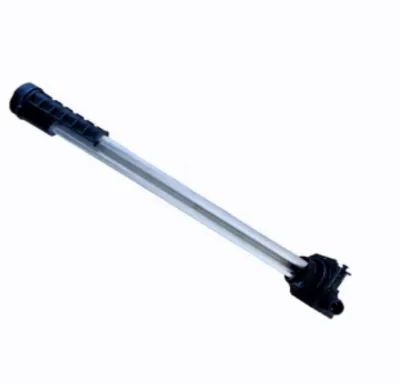


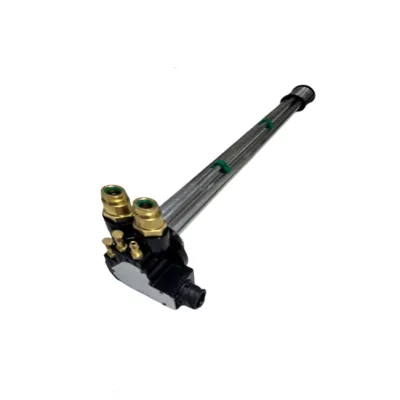


$36.00 - $41.00
MOQ: 30 Pieces

Comprehensive Sourcing Guide
Strategic Sourcing Guide for Loader Fuel Level Sensors
Understanding Technical Specifications and Performance Metrics
When sourcing fuel level sensors specifically for loader equipment, buyers must first establish a clear understanding of the technical parameters that define operational reliability. The core functionality of these devices relies on converting the physical presence of fuel into an electrical signal that the loader's control system can interpret. Based on available product data, the market offers sensors utilizing different operating principles, including the piezoelectric type and diffused silicon pressure transmitters. The choice between these technologies often depends on the specific fluid dynamics and pressure conditions within the loader's fuel tank.
A critical specification to verify is the output signal type. For seamless integration with existing loader instrumentation, the sensor must provide an analog type output signal. This ensures compatibility with standard control units that expect continuous voltage or current variations rather than digital pulses. Furthermore, the resolution of the sensor is a key determinant of measurement precision. Observed data indicates that certain models offer a resolution of 21mm, which allows for granular monitoring of fuel consumption. However, buyers should not assume this resolution applies to all units; it is an observation of specific models rather than a universal standard.
The physical dimensions and mounting requirements are equally vital for loader applications, where space is often constrained. The standard mounting interface for these sensors frequently utilizes a BSP 1 1/4" connection, a common standard in industrial fluid systems. Additionally, the structural design varies, with some units featuring an "All in One" structure that integrates the sensing element and electronics into a single housing. This design can simplify installation but requires careful verification of the overall length, which can range from 150mm to 2000mm depending on the tank depth. Buyers must match the sensor length precisely to the tank geometry to avoid measurement errors or physical interference.
Compliance, Certification, and Safety Standards
In the industrial sector, compliance with international safety and environmental standards is non-negotiable. When evaluating potential suppliers for loader fuel level sensors, the presence of specific certifications serves as a primary indicator of product quality and regulatory adherence. The market data highlights that CE certification is a common attribute, signifying that the product meets the health, safety, and environmental protection standards for products sold within the European Economic Area. Some advanced models also carry RoHS certification, indicating compliance with restrictions on hazardous substances, which is crucial for environmental sustainability and disposal regulations.
Safety in loader operations often involves exposure to explosive atmospheres, particularly in mining or heavy construction environments. Therefore, the explosion-proof rating is a critical verification point. The available data references ATEX certification, which is the standard for equipment used in potentially explosive atmospheres in Europe. Buyers must explicitly confirm if a specific unit holds ATEX certification before procurement, as this is not a universal feature of all fuel level sensors. Relying on the assumption that all units are explosion-proof can lead to significant safety violations and operational risks.
Beyond specific certifications, the material composition of the sensor housing plays a role in compliance and durability. Stainless steel is a frequently observed material, offering inherent resistance to corrosion and chemical degradation. This is particularly important for fuel sensors, as fuel can be corrosive over time, and the sensor must maintain integrity in harsh conditions. The IP rating, specifically IP67, is another standard to verify. This rating indicates that the device is dust-tight and can withstand immersion in water up to 1 meter for 30 minutes, ensuring reliability in wet or dusty loader environments. Buyers should treat these attributes as specific observations of certain models and verify their presence on the datasheet of the exact unit being purchased.
Cost Drivers and Pricing Structures
The pricing of loader fuel level sensors is influenced by a complex array of factors, including material costs, technological complexity, and certification requirements. The observed market price range spans from $0.55 to $1500, a variance that reflects the diversity of product types available. At the lower end of the spectrum, basic analog sensors with standard stainless steel construction and minimal certifications may fall within the sub-dollar to low-dollar range. Conversely, high-end units featuring ATEX certification, specialized pressure ranges, and advanced signal processing capabilities command prices approaching the upper limit of the observed range.
The Minimum Order Quantity (MOQ) is another significant driver of the total cost of ownership. Data indicates an MOQ range of 1 to 100 units. For buyers requiring a single unit for a prototype or a small repair batch, suppliers offering an MOQ of 1 provide necessary flexibility. However, for large-scale fleet procurement, an MOQ of 100 might be required to access volume pricing tiers. Buyers should be aware that the unit price often decreases as the order quantity increases, but the total capital outlay is directly tied to the MOQ constraints of the supplier.
Customization is a major factor that can elevate costs. The market data confirms that customization is available for these sensors. Whether this involves altering the mounting thread, adjusting the length to fit a specific tank, or modifying the output signal range, custom orders typically incur higher unit costs and potentially longer lead times. Additionally, the packing method, ranging from neutral packing to cartons or boxes, can influence shipping costs and the final price. Buyers should request a detailed breakdown of costs to understand how much of the price is attributed to the sensor itself versus packaging, certification, and customization services.
Typical Applications and Operational Environments
Loader fuel level sensors are designed to operate in demanding environments where vibration, dust, moisture, and temperature fluctuations are constant. The primary application is in construction machinery, where accurate fuel monitoring is essential for fleet management, cost control, and preventing equipment downtime due to fuel starvation. The sensors must withstand the rigorous mechanical stresses of loader operation, including frequent jolts and tilting.
The operational temperature range is a critical specification for these applications. Data suggests that certain models are rated for a process temperature range of -20°C to 80°C. This range covers most typical outdoor operating conditions for loaders, from cold winter mornings to hot summer afternoons. However, buyers must verify that the specific sensor selected can handle the extreme temperatures of their specific region. If the loader operates in environments exceeding these limits, additional thermal protection or a different sensor model may be required.
The pressure range is another key consideration. Some sensors are designed for normal pressure transmission, while others, such as submersible types, are built to handle specific pressure ranges like 0-0.1 to 1.1 MPa (absolute). The overload pressure rating, observed at 200% of full scale (Fs), indicates the sensor's ability to survive pressure spikes without permanent damage. This is vital for loaders that may experience sudden fuel surges or pressure changes during rapid refueling or engine operation. The stability of the sensor, typically cited as less than 0.2% of full scale per year, ensures that the fuel readings remain accurate over the long term, reducing the need for frequent recalibration.
Supplier Evaluation and Service Capabilities
Selecting a reliable supplier is as important as selecting the right product. When evaluating potential partners, buyers should look for evidence of technical support and service availability. The market data highlights that some suppliers offer 7*24h technical support, which is crucial for resolving critical issues that may arise during loader operations. This round-the-clock availability ensures that downtime is minimized when sensor failures or installation questions occur.
Localization service is another valuable attribute to consider. Suppliers offering localization services can provide on-site support, calibration, and maintenance, which is particularly beneficial for large fleets operating in remote locations. This service capability reduces the logistical burden on the buyer and ensures that the sensors are maintained according to the manufacturer's specifications. Additionally, the shipping method should be evaluated. Door-to-door delivery options simplify the logistics chain, ensuring that the sensors arrive safely and on time without the buyer needing to manage complex freight arrangements.
The warranty period is a direct indicator of the supplier's confidence in their product. Observed data shows a warranty of 12 months or 1 year for these sensors. This standard warranty period provides a baseline for product reliability. Buyers should verify if the warranty covers specific failure modes, such as electronic component failure or housing damage due to corrosion. Furthermore, the customization capability of the supplier should be assessed. The ability to provide customized solutions, such as specific lengths or mounting configurations, demonstrates the supplier's flexibility and engineering capability.
Quality Control and Long-Term Procurement Considerations
Quality control in the manufacturing of fuel level sensors involves rigorous testing of materials, electronics, and assembly processes. The use of stainless steel and the presence of certifications like CE and ATEX suggest a commitment to quality, but buyers must verify the specific testing protocols used by the supplier. The inclusion of accessories, such as 1 NBR Gasket, indicates attention to detail in the sealing and installation process, which is critical for preventing leaks and ensuring accurate readings.
For long-term procurement, the stability of the sensor is a key metric. A stability rating of less than 0.2% of full scale per year implies that the sensor will maintain its accuracy over time, reducing the frequency of replacements and recalibrations. This long-term reliability is essential for maintaining the efficiency of loader operations. Buyers should also consider the availability of spare parts and the supplier's track record for product consistency.
The packaging method, whether neutral packing, carton, or box, can impact the longevity of the sensor during transit. Proper packaging ensures that the sensor arrives without damage, preserving its calibration and structural integrity. Buyers should ensure that the packaging is robust enough to protect the sensor from the rigors of shipping, especially if the destination involves long transit times or rough handling conditions.
Comparative Analysis of Sensor Attributes
To facilitate informed decision-making, the following table summarizes key attributes observed in the market for loader fuel level sensors. This comparison highlights the variability in specifications and helps buyers identify the features that align with their specific operational needs.
| Attribute | Observation 1 | Observation 2 | Observation 3 |
|---|---|---|---|
| Product Model | 52mm | BFS-430 | HDL300-008 |
| Material | Stainless Steel | SS | SS |
| Principle | Piezoelectric Type | Diffused Silicon | Diffused Silicon |
| Output Signal | Analog Type | Analog Type | Analog Type |
| Mounting | Bsp 1 1/4" | Bsp 1 1/4" | Bsp 1 1/4" |
| IP Rating | IP67 | IP67 | IP Structure |
| Certification | CE | CE, RoHS | CE |
| Explosion-Proof | ATEX | ATEX | Not Specified |
| Warranty | 1 Year | 1 Year | 1 Year |
| Packing | Neutral Packing | Carton | Box |
| Resolution | 21mm | 21mm | 21mm |
| Accuracy | 0.2% | 0.2% | 0.2% |
| Stability | <0.2%Fs/Year | <0.2%Fs/Year | <0.2%Fs/Year |
This table illustrates that while there is a common baseline of specifications such as analog output, stainless steel construction, and 1-year warranty, there are significant variations in model numbers, specific certifications, and explosion-proof ratings. Buyers must use this data as a reference point for verification rather than a guarantee of uniformity across all products. The presence of ATEX certification in some models but not others underscores the importance of checking the specific datasheet for the intended application environment. Similarly, while the resolution and accuracy appear consistent in the observed data, buyers should confirm these values for the specific unit they intend to purchase to ensure it meets the precision requirements of their loader fleet.
Final Procurement Recommendations
In conclusion, sourcing loader fuel level sensors requires a meticulous approach that balances technical specifications, compliance requirements, and cost considerations. Buyers should prioritize sensors with verified certifications such as CE and ATEX, especially for operations in hazardous environments. The choice of sensor technology, whether piezoelectric or diffused silicon, should align with the specific pressure and fluid dynamics of the loader's fuel system. Long-term reliability is enhanced by selecting units with high stability ratings and robust stainless steel construction.
When engaging with suppliers, buyers should leverage the available technical support and localization services to ensure a smooth integration process. The warranty period and customization options should be clearly defined in the procurement contract to protect the buyer's interests. By carefully evaluating the observed attributes and verifying them against the specific needs of their operations, buyers can secure a supply of high-quality fuel level sensors that enhance the efficiency and safety of their loader fleet. The variability in the market necessitates a thorough review of each product's datasheet to avoid assumptions and ensure that the selected sensor meets all operational and regulatory requirements.
FAQs
What certifications do loader fuel level sensors typically have?
Many models carry CE and RoHS certifications, with some advanced units featuring ATEX explosion-proof ratings. Buyers must verify specific unit documentation as not all sensors include these safety standards.
Which output signal type is standard for loader integration?
The standard output signal type is analog, ensuring compatibility with loader control units. This continuous signal allows for precise fuel monitoring without requiring digital pulse interpretation.
Can the sensor length be customized for specific tank depths?
Yes, customization is available for length, which typically ranges from 150mm to 2000mm. Suppliers can adjust dimensions to match specific tank geometries, though this may affect lead time and cost.
What is the typical warranty period for these sensors?
The standard warranty period is 12 months or 1 year for most units. This coverage indicates baseline reliability, but specific terms should be confirmed with the supplier before purchase.
How does the IP rating affect sensor performance in loaders?
A common rating is IP67, ensuring the device is dust-tight and water-resistant up to 1 meter. This protection is critical for loaders operating in wet or dusty environments.
What material is commonly used for the sensor housing?
Stainless steel is frequently used for the housing to provide corrosion resistance. This material choice ensures durability against fuel degradation and harsh industrial conditions.