Source Loader Joint for Wheel Loader, Tractor, and Marine Excavator
Compare 30 verified Loader Joint options from Chinese manufacturers. Buyers can evaluate specifications like hydraulic transmission, universal joint types, and packing details to find suitable parts for wheel loaders, tractors, and marine excavators; compare the available evidence and request quotations based on your requirements.
Key considerations
Products List


$6.00 - $10.00
MOQ: 500 Pieces


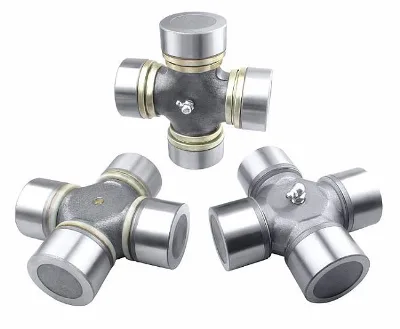


Hot Selling Arm Joint and Connectors for Hydraulic System of Excavator
$10.00 - $500.00
MOQ: 1000 Pieces


Comprehensive Sourcing Guide
Loader Joint Sourcing Guide
Procuring universal joints for wheel loaders requires a disciplined approach to technical verification and supplier qualification. These critical drivetrain components transmit torque and accommodate angular misalignment between the transmission and the final drive. Buyers must prioritize components that match the specific loader model, such as the 966 series, to ensure seamless integration with existing hydraulic and mechanical systems. The selection process begins with identifying the correct part number, such as 125-8810, to avoid costly mismatches in fitment and performance.
Beyond basic identification, sourcing decisions must account for the diverse packaging and shipping requirements inherent in industrial procurement. Suppliers often offer flexible packing options, ranging from standard export cartons to strong wooden cases, depending on the order volume and destination. Understanding these logistical variables helps buyers estimate total landed costs accurately. Furthermore, verifying the condition of the parts, whether new or all-new in stock, ensures that the inventory meets immediate operational needs without the risk of hidden wear or degradation.
Product Scope and Observed Listing Signals
The market for loader joints includes a variety of configurations, including steering universal joints, tractor universal joints, and standard cross types. Listings frequently highlight specific model numbers like 605110080 or 2K3631, indicating compatibility with heavy machinery applications. Buyers should observe that some products are marketed with specific attributes like hydraulic transmission compatibility or electric drive types, which may signal specialized use cases beyond standard mechanical power transfer. These signals help narrow down the search to components that align with the specific mechanical architecture of the target loader.
Observed listing data also reveals significant variation in product dimensions and material specifications. For instance, some joints are described with precise dimensions such as 23.825*61.3, while others are categorized by size as medium-sized. Material composition is typically steel, providing the necessary durability for high-torque applications. Additionally, customization is available for many suppliers, allowing buyers to request specific modifications or packaging solutions. This flexibility is crucial for maintaining consistency in fleet maintenance and reducing the complexity of inventory management for large-scale operations.
Technical Specifications to Verify
Verifying the heat treatment and hardness of the joint components is essential for ensuring longevity under heavy load. Specifications often cite a heat treatment range of 58-64HRC, which indicates a high level of surface hardness and wear resistance. Buyers must confirm that the supplied parts meet this hardness standard to prevent premature failure in demanding construction or mining environments. This technical parameter is a key indicator of the component's ability to withstand the cyclic stresses typical of loader operations, making it a non-negotiable verification point during the sourcing process.
Dimensional accuracy and model compatibility are equally critical technical factors that require strict verification. The part number 125-8810 is specifically associated with loader 966 applications, and deviations can lead to installation failures. Buyers should cross-reference the model numbers provided by suppliers, such as 605110101 or 600770004, against their equipment manuals. Additionally, confirming the drive type and transmission method ensures that the joint integrates correctly with the loader’s powertrain. Misalignment in these specifications can cause excessive vibration and accelerated wear on surrounding drivetrain components.
Compliance and Safety Documentation
Certification status serves as a primary indicator of a supplier’s commitment to quality management systems. Many listings highlight certifications such as ISO9001 and Ts16949, which demonstrate adherence to international standards for manufacturing and automotive quality. Buyers should request valid certificates to verify that the production facilities follow rigorous quality control protocols. These certifications provide assurance that the universal joints are manufactured in a controlled environment, reducing the risk of defects and ensuring consistent performance across batches of ordered parts.
Documentation regarding machinery test reports and outgoing inspections adds another layer of confidence in the procurement process. Some suppliers provide video outgoing-inspections, allowing buyers to visually verify the condition and packaging of the goods before shipment. However, machinery test reports are not always available, which requires buyers to rely on other quality assurance measures. It is advisable to establish clear communication channels with suppliers to request any available test data or quality records, ensuring that the delivered parts meet the required safety and performance benchmarks for industrial use.
Cost Drivers and Commercial Terms
Payment terms and delivery timelines significantly impact the overall cost structure and operational continuity. Common payment methods include T/T and Western Union, which offer flexibility but require careful financial planning. Delivery times can vary, with some suppliers offering rapid turnaround of 3-5 working days, while others may have longer lead times depending on stock availability. Buyers should negotiate clear delivery schedules to align with their maintenance windows, avoiding production downtime caused by delayed shipments. Understanding these commercial terms helps in budgeting for both the direct cost of the parts and the indirect costs of potential delays.
Shipping methods and packaging choices also influence the total cost of ownership. Options for transport include sea, air, train, and express services, each with different cost and speed implications. Packaging details, such as strong wooden boxes or standard sea-worthy packages, protect the joints during transit but may add to the shipping weight and volume. Buyers should evaluate the trade-off between packaging robustness and shipping costs, especially for large orders. Optimizing these logistical decisions can lead to significant savings and ensure that the parts arrive in pristine condition, ready for immediate installation.
Supplier Qualification and Quality Control
Supplier location and origin play a crucial role in assessing reliability and logistical efficiency. Many suppliers are based in China, with origins in cities like Hangzhou, Beijing, and delivery ports such as Qingdao, Tianjin, and Shanghai. Proximity to major shipping hubs can reduce transit times and costs, making these locations attractive for international buyers. However, buyers should conduct thorough due diligence on suppliers regardless of location, verifying their business credentials and production capabilities. Establishing a relationship with a reliable supplier ensures consistent quality and better support for future procurement needs.
Quality control processes, including customization options and packing standards, are vital for maintaining product integrity. Suppliers offering customization can tailor products to specific buyer requirements, enhancing compatibility and performance. Packing methods, such as plastic bags combined with color boxes or wooden cases, protect the joints from damage during handling and storage. Buyers should inspect these quality control measures closely, ensuring that the supplier’s processes align with their own quality standards. Regular audits or sample requests can help verify that the supplier maintains high-quality control throughout the production and packaging stages.
Long-Term Procurement Checks
Warranty provisions and after-sales support are critical for mitigating the risks associated with industrial component failures. A standard warranty period, such as six months, provides a safety net against manufacturing defects. Buyers should clearly understand the terms of the warranty, including coverage for defects and the process for claiming replacements. Strong after-sales support ensures that any issues are resolved promptly, minimizing downtime and maintaining operational efficiency. Establishing a clear warranty agreement with the supplier is an essential step in protecting the investment in loader joints.
Continuous monitoring of supplier performance and product consistency is necessary for long-term procurement success. Buyers should track key performance indicators such as delivery accuracy, product quality, and responsiveness to inquiries. Regular feedback loops with suppliers can help identify areas for improvement and strengthen the business relationship. Additionally, staying updated on industry standards and technological advancements ensures that the procured joints remain compatible with evolving machinery requirements. By maintaining a proactive approach to supplier management, buyers can secure a reliable supply chain for their loader maintenance needs.
FAQs
What certifications do loader joints have?
Loader joints are available with ISO9001 and TS16949 certifications. These standards ensure quality management and automotive industry compliance. Buyers can verify these documents during the sourcing process to confirm supplier reliability and product consistency for their specific machinery needs.
How is the Loader Joint packed for shipping?
Packaging options include plastic bags, color boxes, wooden boxes, or standard export cartons. Some suppliers offer custom packing as per customer requirements. This flexibility ensures the universal joints arrive safely without damage during sea, air, or train transport to various global destinations.
Which model numbers are available for loader joints?
Available model numbers include 125-8810, 5-111X, 2K3631, and 605110080. These specific parts are designed for applications like wheel loaders and excavators. Buyers should match these exact numbers to their equipment to ensure proper fit and functional performance in heavy-duty operations.
Can I get customization for loader joints?
Customization is available for loader joints to meet specific project requirements. Suppliers can adjust specifications or packaging based on buyer needs. This service allows for tailored solutions that align with unique operational demands while maintaining the high standards of steel construction and heat treatment.
What is the lead time for Loader Joint delivery?
The delivery time is typically 3-5 working days for stock items. Products originate from locations like Hangzhou and Beijing in China. Buyers should confirm specific lead times with suppliers as shipping methods and order volumes may influence the final arrival date at the destination port.
What warranty is provided for loader joints?
A 6-month warranty is provided for loader joints to cover manufacturing defects. This assurance applies to new items in stock. Buyers should review specific warranty terms with the supplier to understand coverage limits and claim procedures for any potential issues arising during the initial usage period.
Which payment methods are accepted for loader joints?
Accepted payment methods include T/T and Western Union for secure transactions. These options facilitate smooth trade between buyers and suppliers. Buyers should coordinate payment details with the vendor to ensure timely processing and avoid delays in the order fulfillment and shipping schedule.