Source Loader Door Glass for Construction, Mining, and Repair
Find 30 Loader Door Glass options for construction, mining, and repair applications. Compare tempered glass specifications, certifications like ISO and DOT, and supplier details to select the right replacement parts for SVL series vehicles; compare the available evidence and request quotations based on your requirements.
Key considerations
Products List


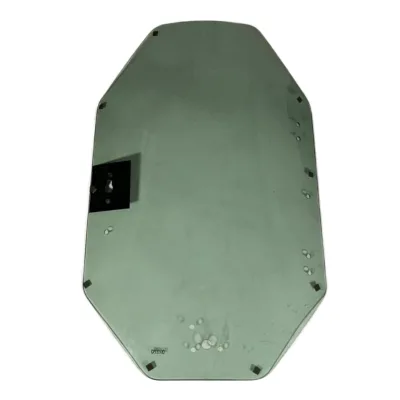
Front Windshield Glass for Gehl Skid Steer Loader Tractor Loader Tempered Glass
$10.00 - $13.00
MOQ: 30 Pieces



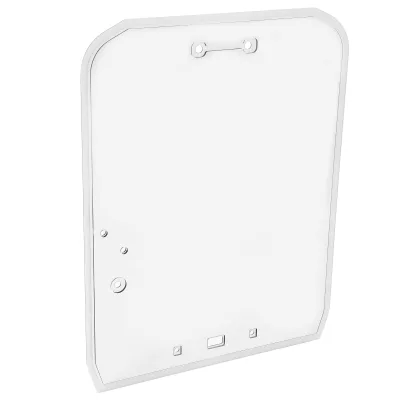
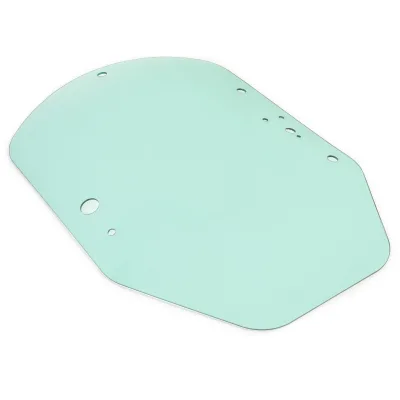
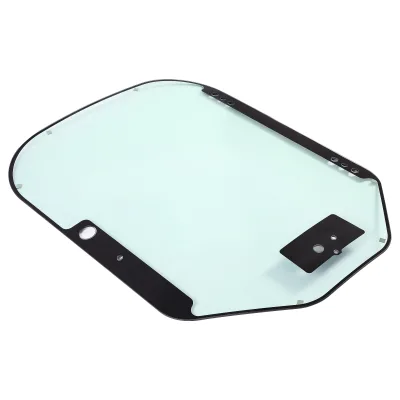


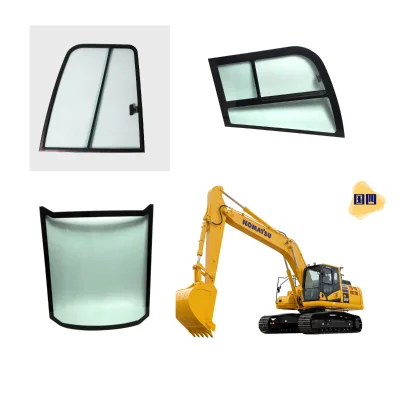
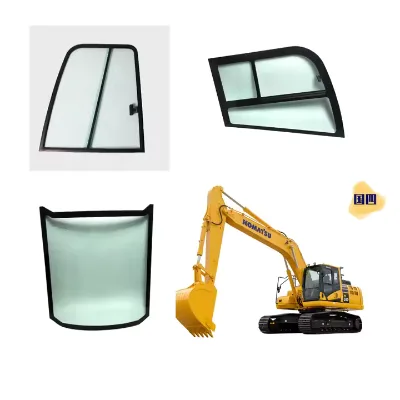
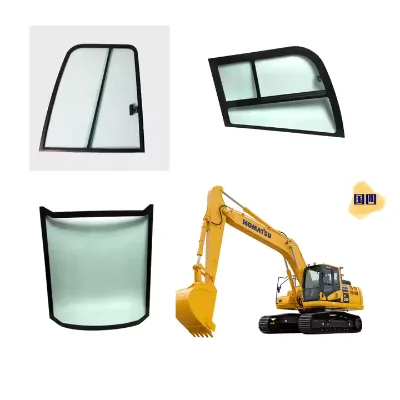
Custom Cab Front Door Rear Quarter Side Glass for Skid-Steer Loader Windshield
$24.00 - $25.00
MOQ: 200 Pieces


Door Glass for Joh. N Deere L213348/Al212195 Skid Steer Loader Tempered Glass
$230.36 - $240.65
MOQ: 50 Pieces

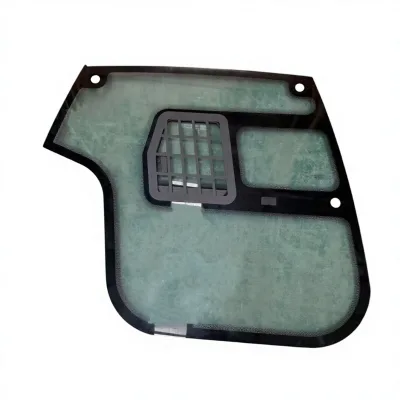
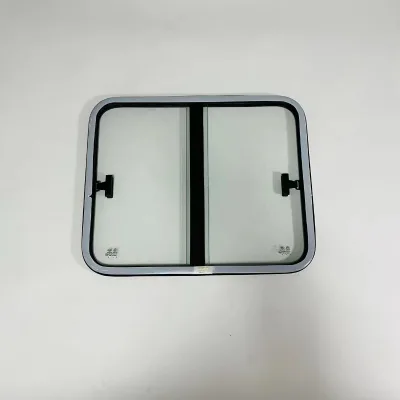
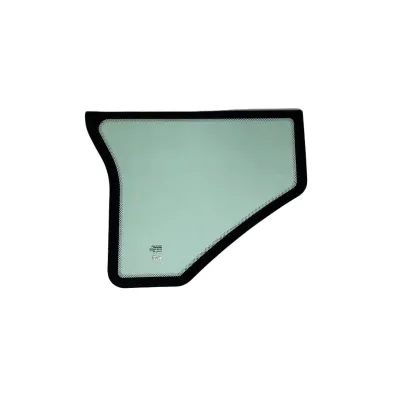
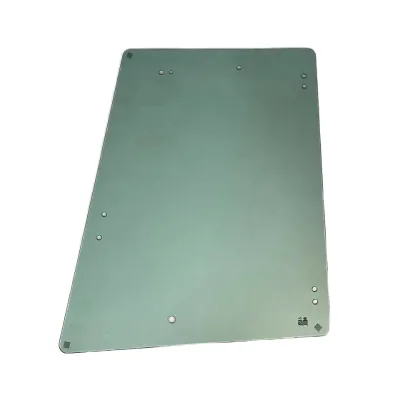

Comprehensive Sourcing Guide
Loader Door Glass Sourcing Guide
Procuring Loader Door Glass requires distinguishing between specialized automotive replacement parts and general architectural glazing solutions. The observed market data indicates a specific subset of products designed for heavy machinery, such as the SVL65 and SVL95 series, which feature precise model numbers and OE references like V0621-34520-12. Buyers must verify that the listed item matches the exact vehicle architecture, as generic tempered glass often fails to meet the structural integrity or mounting requirements of industrial loaders.
Beyond vehicle-specific replacements, the market also lists glass intended for commercial and residential applications, including hotels and apartments, which utilize different thicknesses and framing systems. While some listings specify a 5mm thickness for automotive use, others describe glass compositions for building systems with varying energy-saving profiles. Sourcing success depends on clearly defining whether the procurement need is for a direct replacement of a damaged loader component or for a custom architectural installation, as the supply chains and technical requirements for these two distinct categories rarely overlap.
Product Scope and Observed Listing Signals
The available inventory reveals a wide variance in product attributes, ranging from specific loader door replacements to general-purpose tempered glass panels. Listings explicitly mention compatibility with specific loader models and include details such as placement on the vehicle front, ensuring the buyer can match the part to the correct machinery. However, other entries describe glass with colors like F-Green or Euro-Grey and applications for commercial apartments, which are irrelevant to heavy equipment maintenance and require careful filtering to avoid purchasing incompatible materials.
Buyers must scrutinize the "Status" and "Purpose" fields to confirm immediate availability and intended use. Many items are marked as "in Stock" with a purpose defined as "for replace/repair," which is critical for minimizing equipment downtime in industrial settings. Conversely, some products are listed with customization options and system types that suggest a bespoke manufacturing process rather than an off-the-shelf solution. Understanding these signals helps procurement teams separate ready-to-ship inventory from custom orders that may involve longer lead times and higher minimum order quantities.
Technical Specifications to Verify
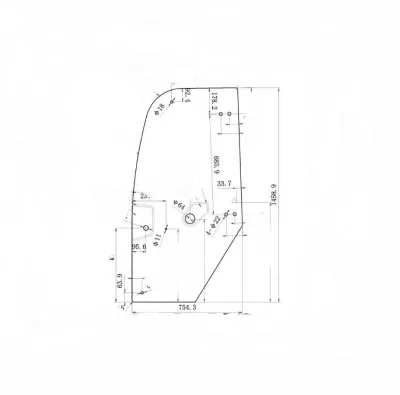
Dimensional accuracy is the primary technical constraint when sourcing Loader Door Glass, as even minor deviations can prevent proper installation or compromise safety. The observed data highlights specific size requirements, such as dimensions around 41-1/4 inches by 32-1/4 inches, alongside thickness specifications of 5mm for certain tempered glass applications. Buyers must cross-reference these measurements against the original equipment manufacturer (OEM) specifications to ensure the replacement glass fits the frame without requiring modification or risking structural failure under operational stress.
Material composition and finishing processes also demand rigorous verification to ensure durability in harsh operating environments. The supplied facts indicate that the glass is composed of silicon oxide and undergoes a finished surface process, which contributes to its resistance against scratches and environmental degradation. Additionally, the aluminum framing systems associated with some listings offer various colors and thermal properties, but these are often designed for building applications rather than heavy machinery. Procurement teams must confirm that the selected glass and its associated hardware meet the specific load-bearing and impact resistance standards required for loader operations.
Compliance and Safety Documentation
Safety compliance is non-negotiable when sourcing glass for heavy machinery, as the material must withstand significant impact and vibration during operation. The market data confirms that many suppliers provide certifications such as ISO, CE, ECE, and DOT, which are essential for validating that the glass meets international safety standards. For automotive and loader applications, the US-DOT and EUR-ECE R43 certifications are particularly critical, as they verify that the tempered glass has passed rigorous testing for fragmentation and optical clarity required for safe vehicle operation.
Documentation must also address the specific regulatory requirements of the destination market, as standards vary significantly between regions. While some listings mention China-3c certification and ISO management certifications, buyers importing into North America or Europe must ensure the product carries the specific marks required by local authorities. It is vital to request physical copies of these certificates rather than relying on marketing claims, ensuring that the glass has been independently tested and certified for its intended use in loader door assemblies.
Cost Drivers and Commercial Terms
Pricing for Loader Door Glass is influenced by a complex mix of factors, including the specific model compatibility, material thickness, and the level of customization required. The observed price range spans from $6 to over $240, reflecting the difference between generic replacement parts and specialized, high-specification components. Buyers should anticipate that glass tailored for specific loader models with unique OE numbers will command a premium compared to standard sizes, as the latter often benefit from economies of scale in mass production.
Commercial terms such as Minimum Order Quantity (MOQ) and delivery lead times are equally critical for budgeting and supply chain planning. The data shows an MOQ range from 2 to 300 units, indicating that small-scale repairs can be fulfilled with minimal inventory commitment, while larger fleet replacements may require negotiating bulk pricing. Delivery times typically range from 10 to 15 days, but this can vary based on the supplier's location and the complexity of the packaging, which often involves standard export wooden crates or strong plywood crates to prevent damage during transit.
Supplier Qualification and Quality Control
Supplier qualification should focus on verifying the origin and manufacturing capabilities of the glass provider to ensure consistent quality. The supplied facts indicate that many products originate from regions like Xuchang and Changzhou in China, which are known manufacturing hubs for glass and aluminum products. Buyers must confirm that the supplier has a proven track record of producing tempered glass that meets the specific mechanical and optical standards required for loader applications, rather than relying solely on general certifications.
Quality control processes must be explicitly defined in the procurement agreement to mitigate the risk of receiving defective or non-compliant goods. The observed listings mention various packing methods, including standard export wooden crates and strong plywood crates with interlayer paper, which are essential for protecting the glass during shipping. Procurement teams should require a pre-shipment inspection protocol that verifies the glass thickness, color consistency, and surface finishing against the agreed-upon specifications before the goods leave the factory.
Long-Term Procurement Checks
Establishing a long-term relationship with a supplier requires regular audits of their quality control systems and adherence to agreed-upon standards. Buyers should implement a schedule for periodic re-verification of certifications, such as ISO and DOT, to ensure that the supplier maintains compliance over time. This proactive approach helps prevent disruptions in the supply chain and ensures that the Loader Door Glass continues to meet safety and performance requirements as regulations evolve.
Performance tracking of the installed glass is another essential component of long-term procurement strategy. Buyers should monitor the warranty status, which is listed as 5 years for some products, to assess the durability and longevity of the glass in real-world operating conditions. By collecting data on failure rates and maintenance needs, procurement teams can refine their specifications and negotiate better terms with suppliers who consistently deliver high-quality, reliable products that minimize downtime and replacement costs.
FAQs
What certifications do Loader Door Glass products have?
Loader Door Glass products typically hold ISO, CE, ECE, DOT, and CCC certifications. These standards ensure safety and compliance for international markets. Specific models may also meet US-DOT and EUR-ECE R43 requirements. Buyers should verify the exact certificate list for each supplier to confirm regulatory alignment before placing orders.
Can I customize the Loader Door Glass specifications?
Yes, customization is available for Loader Door Glass to meet specific project needs. Buyers can request tailored sizes, colors like F-Green or Euro-Grey, and specific glass thicknesses such as 5mm. The system supports custom configurations for various vehicle models. Contact suppliers directly to discuss detailed customization requirements and lead times.
How long is the delivery time for Loader Door Glass?
The standard delivery time for Loader Door Glass ranges from 10 to 15 days. This timeframe applies to most orders once specifications are confirmed. Packaging is handled in standard export wooden crates or strong plywood crates with interlayer paper. Buyers should confirm exact lead times with suppliers as they may vary based on order volume and location.
What is the minimum order quantity for Loader Door Glass?
The minimum order quantity for Loader Door Glass varies between 2 and 300 units depending on the supplier. Some vendors offer low MOQs for sample orders while others require larger quantities for bulk pricing. Buyers should check specific supplier terms to find an option that matches their inventory needs and budget constraints effectively.
Which glass types are used for Loader Door Glass?
Loader Door Glass is primarily made from tempered or toughened glass composed of silicon oxide. This material provides high strength and safety for heavy machinery applications. Available colors include clear, blue, neutral, green, and pink options. The glass thickness is commonly 5mm, ensuring durability against impacts and weather conditions during operation.
Where are Loader Door Glass products manufactured?
Loader Door Glass products are manufactured in China, with origins in locations like Xuchang and Changzhou. These facilities produce glass for various applications including hotels, commercial spaces, and vehicle repairs. Buyers can source from these regions to access competitive pricing and a wide range of certified products meeting international standards.