Source Long Range Structural Movement Telemeter for Mining, Tunnel, and Dam Monitoring
Compare 19 Long Range Structural Movement Telemeter options featuring wireless transmission, IP67 protection, and customizable alarm thresholds. These devices support active electro-optical measurement for outdoor structural stability monitoring across diverse industrial applications.
Key considerations
Products List


Structural Movement Telemeter with 4-Inch Display and Long Measuring Range
$9200.00 - $16280.00
MOQ: 1 Sets


Versatile Structural Movement Telemeter with ≥100 Meters Measuring Range
$9200.00 - $16280.00
MOQ: 1 Sets



Comprehensive Sourcing Guide
Strategic Sourcing Guide for Long Range Structural Movement Telemeters
Understanding Technical Specifications and Performance Metrics
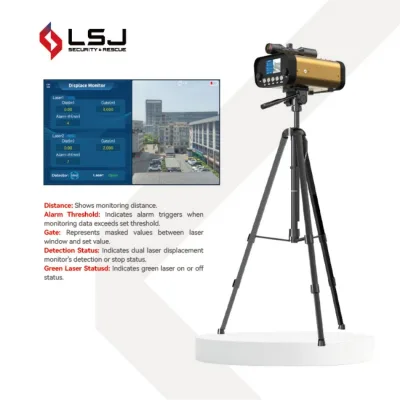
When sourcing a long-range structural movement telemeter, buyers must first establish a clear understanding of the device's core technical capabilities. These instruments are designed to monitor displacement in civil engineering projects, mining operations, and geotechnical monitoring where precision over significant distances is critical. The observed market data indicates that these devices typically operate on an electro-optical working principle, utilizing active transmission modes to ensure reliable data capture. A primary differentiator among models is the measuring range, with high-performance units capable of detecting movement over distances of 100 meters or greater. This capability is essential for monitoring large-scale infrastructure such as dams, bridges, and slope stability where the sensor must be positioned at a safe distance from the structure.
The accuracy of the measurement is another paramount specification. In the current product landscape, precision levels vary, with some units offering an accuracy of ±0.1mm, while others provide a standard measurement accuracy of 1mm. Buyers must align these specifications with the tolerance requirements of their specific project. For high-precision structural health monitoring, the ±0.1mm specification is often the minimum threshold. The physical form factor of the laser monitor also varies; observed units range in weight from under 1.5kg to approximately 3kg, with total system weights (including the displacement host and accessories) ranging from 8kg to 28kg depending on the configuration. This weight variance impacts the logistics of deployment, particularly in remote or difficult terrain where portability is a constraint.
Power management is a critical operational factor. Most modern telemeters in this category are powered by rechargeable lithium-ion batteries, ensuring mobility without the need for external power cabling. The operating time for these units is typically rated at a minimum of 8 hours, which supports a full work shift or extended monitoring sessions. The display screens on the laser monitors vary in size, with observations noting both 2.4-inch and 4-inch options. Larger screens may offer better visibility in bright outdoor conditions, while smaller screens contribute to a more compact form factor. The operating temperature range is another vital specification, with devices generally rated to function between -20°C and 60°C, ensuring reliability in diverse climatic conditions from freezing winters to hot desert environments.
Compliance, Certification, and Safety Standards
In the realm of industrial instrumentation, compliance with international standards is not merely a formality but a prerequisite for liability protection and operational safety. When evaluating potential suppliers, buyers should verify that the products carry recognized certifications such as CE, ISO, and RoHS. The CE mark indicates conformity with health, safety, and environmental protection standards for products sold within the European Economic Area, while ISO certification suggests adherence to quality management systems. RoHS compliance ensures that the device does not contain restricted hazardous substances, which is increasingly important for environmental regulations and disposal protocols.
Beyond general certifications, specific safety standards for alarm systems must be considered. The observed products feature sound and light alarm mechanisms designed to alert operators when displacement thresholds are breached. The alarm volume is a critical safety parameter; data indicates that alarm sound levels can exceed 120dB for the displacement host and are rated at a minimum of 90dB within a 1-meter radius. This ensures that warnings are audible even in noisy industrial environments. Furthermore, the alarm threshold is often customizable, allowing users to set arbitrary values within a range of 1-999mm. This flexibility is essential for tailoring the system to the specific sensitivity requirements of the monitored structure.
The protection level of the device is another compliance-related attribute. Many units in this category are rated at IP67, indicating that they are dust-tight and can withstand immersion in water up to 1 meter for 30 minutes. This level of ingress protection is necessary for outdoor applications where the equipment may be exposed to rain, dust, or temporary flooding. Buyers should also verify the transmission mode, as wireless alarm signals are standard for these systems, reducing the risk of cable failure and simplifying installation. The working principle, typically electro-optical, should be verified against the specific environmental conditions of the site to ensure that factors like fog, dust, or direct sunlight do not interfere with the signal transmission.
Cost Drivers and Pricing Structures
The pricing structure for long-range structural movement telemeters is highly variable, reflecting the diversity in specifications, customization options, and included accessories. The observed market data reveals a price range spanning from approximately 3 USD to 40,000 USD. This wide disparity is not indicative of a single product tier but rather a reflection of the complex ecosystem of these instruments. The lower end of the price spectrum likely corresponds to basic units with standard specifications, limited customization, or smaller measuring ranges. Conversely, the upper end of the range suggests high-end systems with advanced features, extended warranties, specialized packaging, or bundled software solutions.
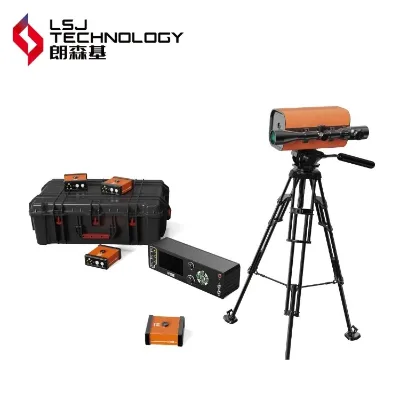
Several key factors drive the cost of these devices. First, the accuracy and measuring range are primary cost determinants. Units offering ±0.1mm accuracy and ranges exceeding 100 meters typically command a premium over those with 1mm accuracy or shorter ranges. Second, the power system and battery capacity influence the price; high-capacity lithium-ion batteries that support extended operating times add to the manufacturing cost. Third, the inclusion of specialized accessories, such as pull-along suitcases for transport or specific mounting hardware, can significantly increase the total price. The packaging itself, whether a specialized pull-along suitcase or a standard plastic case with a handle, is a cost component that buyers should consider.
Customization is another major cost driver. The availability of OEM and ODM support allows buyers to tailor the device to specific needs, such as custom branding, unique alarm thresholds, or specialized cable lengths. The observed data notes a built-in cable length of 25 meters in some configurations, which may be a standard or an optional upgrade. Additionally, the warranty period, typically one year, is a standard offering, but extended warranty options may be available at an additional cost. Buyers should be aware that many suppliers list prices as "contact for dealer price," indicating that the final cost is often negotiated based on order volume, specific configuration requirements, and regional distribution agreements.
Typical Applications and Deployment Scenarios
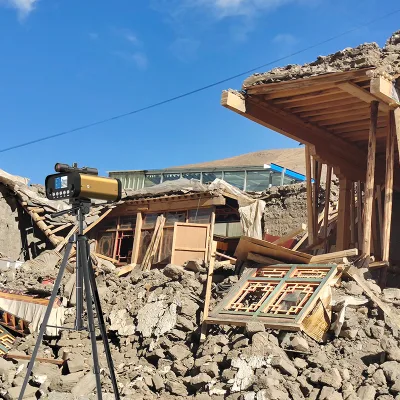
Long-range structural movement telemeters are indispensable tools in a variety of high-stakes industries where the integrity of structures is paramount. The primary application is in civil engineering and geotechnical monitoring, where these devices are used to detect subtle shifts in dams, bridges, tunnels, and embankments. The ability to measure displacement over distances of 100 meters or more allows engineers to monitor large structures without placing sensors directly on the moving parts, thereby reducing the risk of damage to the monitoring equipment. The outdoor application focus of these devices makes them ideal for monitoring slope stability in mining operations, where landslides pose a significant safety risk.
In the construction sector, these telemeters are utilized for monitoring the settlement of foundations and the deformation of retaining walls. The wireless transmission mode and robust operating temperature range (-20°C to 60°C) ensure that the devices can function effectively in harsh construction environments. The alarm system, with its sound and light features, provides immediate notification of critical displacement events, allowing for rapid response to potential structural failures. The angle measurement range of 360 degrees and the angle setting range of 0.1° to 3° offer versatility in monitoring different types of movement, including both horizontal and vertical displacements.
The portability of these units, with total weights ranging from 8kg to 28kg, makes them suitable for temporary monitoring campaigns and rapid deployment scenarios. The specialized pull-along suitcase packaging observed in some models further enhances their utility for field teams who need to transport equipment across difficult terrain. Whether monitoring the stability of a new bridge during construction or tracking the long-term deformation of an existing dam, these telemeters provide the data necessary to make informed safety decisions. The active working mode ensures that the devices are continuously monitoring, providing real-time data that is crucial for proactive risk management.
Supplier Evaluation and Quality Control Protocols
Selecting a reliable supplier for long-range structural movement telemeters requires a rigorous evaluation process that goes beyond simple price comparisons. Buyers should prioritize suppliers who demonstrate a clear commitment to quality control and transparency. The presence of certifications such as CE, ISO, and RoHS is a baseline requirement, but buyers should also request detailed test reports and performance data to verify the accuracy claims. The observed accuracy specifications of ±0.1mm and 1mm should be backed by third-party testing results or internal quality assurance protocols.
When evaluating suppliers, buyers should inquire about the customization process, particularly if ODM or OEM support is required. The ability to customize alarm thresholds, cable lengths, and packaging indicates a supplier's flexibility and technical capability. The brand name "LSJ" and the origin "Beijing, China" are observed in the market, but buyers should not limit their search to specific names. Instead, they should focus on the supplier's track record, technical support capabilities, and after-sales service. The warranty period of one year is standard, but buyers should clarify the terms of the warranty, including what is covered and the process for claims.
Quality control should extend to the physical attributes of the product. Buyers should verify the dimensions of the device, such as the 140×140×140 mm dimensions observed in some models, and ensure that the weight specifications (≤1.5kg for the laser monitor, ≤3kg for others) match the requirements for their specific deployment. The protection level of IP67 should be confirmed through testing or certification documentation. Additionally, the operating time of ≥8 hours and the alarm volume of >120dB should be verified under actual operating conditions to ensure that the device performs as advertised in the field.
Long-Term Procurement and Lifecycle Management
Procuring long-range structural movement telemeters is not a one-time transaction but a long-term commitment that involves lifecycle management and ongoing support. Buyers should consider the total cost of ownership, which includes not only the initial purchase price but also the cost of maintenance, battery replacement, and potential upgrades. The rechargeable lithium-ion battery is a consumable component that will eventually need replacement, and buyers should inquire about the availability and cost of spare batteries. The specialized packaging, such as the pull-along suitcase, should be durable enough to withstand repeated use and transport, reducing the need for frequent replacements.
The customization options offered by suppliers, such as the ability to set arbitrary alarm thresholds, provide a level of flexibility that can extend the useful life of the device. As the requirements of a project change, the ability to reconfigure the telemeter without replacing the entire unit is a significant advantage. Buyers should also consider the scalability of the system; if a project expands to include multiple monitoring points, the supplier should be able to provide additional units that are compatible with the existing system. The wireless transmission mode facilitates this scalability, as it reduces the complexity of cabling and installation.
Finally, buyers should establish a clear communication channel with the supplier for technical support and troubleshooting. The complexity of the electro-optical working principle and the precision required for accurate measurements mean that technical expertise is often necessary for optimal operation. The supplier should be able to provide training, documentation, and remote support to ensure that the monitoring team can effectively utilize the device. By focusing on long-term partnership and support, buyers can ensure that their investment in long-range structural movement telemeters delivers value over the entire lifecycle of the project.
Comparative Analysis of Key Product Attributes
To assist buyers in making informed decisions, the following table summarizes the key attributes observed in the market for long-range structural movement telemeters. This comparison highlights the variations in specifications that buyers should consider when selecting a product.
| Attribute | Observation A (YZ-120 PRO) | Observation B (YZ-120) | Observation C (D01) | Observation D (General) |
|---|---|---|---|---|
| Model | YZ-120 PRO | YZ-120 | D01 | N/A |
| Measuring Range | ≥100 Meters | N/A | 100m | N/A |
| Accuracy | 1mm | N/A | ±0.1mm | N/A |
| Laser Monitor Weight | ≤3kg | ≤1.5kg | N/A | N/A |
| Total System Weight | ≤28kg | ≤25kg | ≤8kg | N/A |
| Display Screen | 4 Inches | 2.4 Inches | N/A | N/A |
| Power Supply | Rechargeable Li-Ion | Rechargeable Li-Ion | N/A | N/A |
| Operating Time | ≥8h | N/A | N/A | N/A |
| Alarm Volume | >120db | N/A | ≥90dB (1m) | N/A |
| Protection Level | N/A | N/A | IP67 | N/A |
| Certifications | ISO, CE | N/A | CE, ISO, RoHS, GS | CE, ISO |
| Packing | Pull-Along Suitcase | N/A | Plastic Case w/ Handle | N/A |
| Dimensions | 855535cm | N/A | 625030cm | 140×140×140 mm |
| Origin | China | China | Beijing, China | China |
This table illustrates the diversity in the market. Buyers must carefully match these attributes to their specific project requirements. For instance, if weight is a critical factor, the D01 model with a total weight of ≤8kg may be preferable. If high accuracy is the priority, the model with ±0.1mm accuracy should be selected. The variation in display screen sizes and alarm volumes also suggests that user interface and alert capabilities should be evaluated based on the operational environment. By understanding these differences, buyers can make a more strategic selection that aligns with their technical and logistical needs.
FAQs
What is the measuring accuracy of these telemeters?
Measurement accuracy varies by model, with some units offering 1mm precision while others achieve ±0.1mm. Buyers must select the specific accuracy level that matches their project tolerance requirements for structural monitoring.
How far can the laser monitor measure displacement?
The measuring range is typically 100 meters or greater, allowing for safe monitoring of large structures like dams and bridges. This capability ensures sensors can be positioned at a safe distance from the moving parts.
Can the alarm threshold be customized for specific needs?
Yes, the alarm threshold can be set arbitrarily within a range of 1 to 999mm. This flexibility allows users to tailor the system sensitivity to the specific requirements of the monitored structure.
What certifications do these devices typically hold?
Products commonly carry CE, ISO, and RoHS certifications to ensure compliance with international safety and environmental standards. These marks indicate conformity with health, safety, and quality management systems required for industrial use.
How long does the battery last on a single charge?
The operating time is rated at a minimum of 8 hours, supporting full work shifts. Most units are powered by rechargeable lithium-ion batteries to ensure mobility without external power cabling.
What is the total weight of the system?
Total system weight varies by configuration, ranging from under 8kg to approximately 28kg depending on the model. This variance impacts logistics, especially for deployment in remote or difficult terrain.
Is the device suitable for outdoor use in extreme weather?
Yes, the operating temperature range is typically -20°C to 60°C, ensuring reliability in diverse climates. Many units also feature an IP67 protection level to withstand dust and water immersion.