Source Long Range Electric SUV for Family, Touring, and Road Use
Explore 30 Long Range Electric SUV options with varying battery types, charging times, and motor powers. Buyers can compare specifications like curb weight, wheelbase, and drive modes to find suitable vehicles for family transport, touring, or general road conditions; compare the available evidence and request quotations based on your requirements.
Key considerations
Products List

Ecospeed Long-Range Electric SUV with Ultra-Fast Charging Capability
$13300.00 - $14300.00
MOQ: 3 units

Electric Drive 500 SUV with Extended Range and Automatic Transmission
$13300.00 - $14300.00
MOQ: 3 units


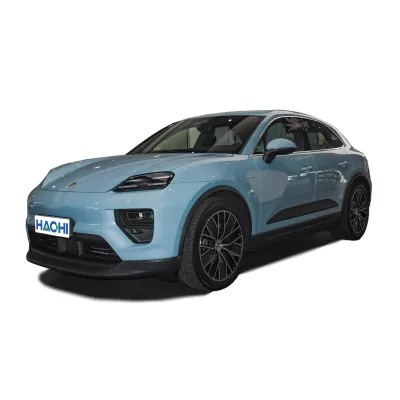
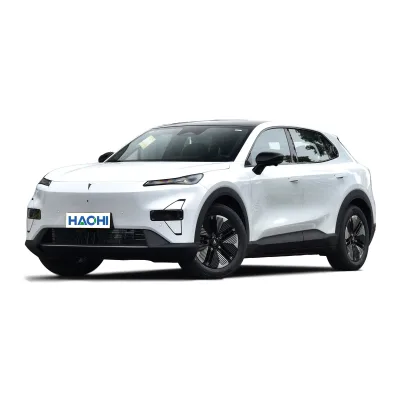

Electric SUV Vehicle New Car Fast Charging Long Nedc Range Range Extended Electric Car
$29780.00 - $29980.00
MOQ: 1 Pieces


$12000.00 - $27000.00
MOQ: 1 Set


Long Range Range Extended SUV Effectively Solve Long Trip Range Anxiety
$18300.00 - $18600.00
MOQ: 1 Pieces


Long Range Range Extended SUV Eliminates Range Anxiety for Cross-City Trips
$18300.00 - $18600.00
MOQ: 1 Pieces

800V Fast Charging EV SUV Greatly Cut Waiting Time for Long Distance Travel
$25600.00 - $26400.00
MOQ: 1 A vehicle

Extended Range SUV Eliminate Range Anxiety on Long Distance Road Journeys
$18300.00 - $18600.00
MOQ: 1 Pieces

Powerful Acceleration SUV Adapt Urban Commute and Long-Distance Self-Drive
$18300.00 - $18600.00
MOQ: 1 Pieces


$1700.00 - $1800.00
MOQ: 1 Pieces

Comprehensive Sourcing Guide
Long Range Electric SUV Sourcing Guide
Procuring long-range electric SUVs requires a strategic approach that balances technical performance with commercial viability. Buyers must first define their operational needs, considering factors such as payload capacity, range requirements, and intended usage environments. The market offers a diverse array of models, from compact urban crossovers to larger family-oriented vehicles, each with distinct specifications. Understanding these variations is crucial for selecting the right platform that aligns with your fleet’s daily demands.
This guide provides a structured framework for evaluating suppliers and products in this category. It focuses on verifying critical technical attributes, ensuring regulatory compliance, and managing commercial risks. By adhering to these evidence-based sourcing principles, procurement teams can mitigate the complexities associated with electric vehicle acquisition. The following sections detail the essential steps for conducting a thorough and effective sourcing process, ensuring that every decision is grounded in verified data and industry best practices.
Product Scope and Observed Listing Signals
The current market landscape for electric SUVs includes a wide variety of body styles and configurations, with closed-body designs being predominant. Listings often highlight specific model names such as the Friday 500, Xiaopeng G3, and ID. 4 X Pure+, indicating a mix of domestic and international brand offerings. Buyers should note that while some products are described as SUVs, others may have attributes closer to compact electric vehicles, necessitating careful verification of dimensions and wheelbase measurements to ensure they meet spatial requirements.
Observed listing signals reveal significant variability in technical specifications, including motor power ranging from 501-800W to 150kW, and top speeds between 160km/h and 180km/h. Charging capabilities also differ, with fast charge times reported as low as 0.45 hours and slow charge times extending up to 15 hours. These discrepancies underscore the importance of cross-referencing multiple data points before making a selection. Buyers must look beyond superficial marketing claims and focus on concrete specifications like curb weight, battery type, and drive mode to accurately assess vehicle suitability.
Technical Specifications to Verify
When evaluating electric SUVs, verifying the battery type and charging infrastructure compatibility is paramount. Most observed units utilize ternary lithium batteries, which offer high energy density but require specific charging protocols. Buyers should confirm whether the vehicle supports both fast and slow charging, noting that fast charge times can vary significantly, from under an hour to nearly an hour and a half. Additionally, the total motor power and maximum torque are critical indicators of performance, especially for heavier vehicles with curb weights exceeding 2000kg.
Dimensional accuracy and drivetrain configuration are equally important for integration into existing logistics or operational workflows. Wheelbases range from approximately 2765mm to 2965mm, affecting interior space and maneuverability. Drive modes, typically rear-wheel drive in observed listings, influence handling characteristics and efficiency. Buyers must also verify the gearbox type, with automatic single-speed transmissions being common for electric vehicles, and ensure that the vehicle’s physical dimensions, such as length and width, fit within designated parking or charging facilities.
Compliance and Safety Documentation
Regulatory compliance is a non-negotiable aspect of sourcing electric vehicles, particularly when importing across borders. Certifications such as CE mark the adherence to European health, safety, and environmental protection standards, which is a key indicator for many international buyers. However, buyers must verify that these certifications are valid for the specific model and region of operation. Documentation should include detailed technical files, test reports, and conformity declarations to ensure that the vehicle meets all local regulatory requirements for road use and safety.
Safety features and braking systems also require thorough documentation review. Observed listings mention mechanical braking systems, but buyers should seek detailed specifications on brake performance, including stopping distances and redundancy features. Additionally, parking radar systems and other driver-assistance technologies should be verified for functionality and integration. Ensuring that all safety components are properly documented and certified helps mitigate liability risks and ensures that the vehicle operates safely under various conditions, protecting both drivers and passengers.
Cost Drivers and Commercial Terms
The cost of electric SUVs is influenced by several factors, including battery capacity, motor power, and included features. Prices observed in the market range widely, reflecting differences in brand, technology, and customization options. Buyers should consider the total cost of ownership, which includes not only the purchase price but also maintenance, charging infrastructure, and potential downtime. Customization availability can also impact costs, as tailored features may require additional engineering and production time.
Commercial terms such as minimum order quantity (MOQ) and payment conditions play a significant role in the procurement process. Observed MOQs vary, allowing for flexibility in order sizes, but buyers should negotiate terms that align with their cash flow and inventory management strategies. Lead times and shipping arrangements are also critical, as delays can disrupt operations. Buyers should seek clear agreements on delivery schedules, warranty terms, and after-sales support to ensure a smooth procurement experience and minimize unexpected expenses.
Supplier Qualification and Quality Control
Selecting a qualified supplier is essential for ensuring the reliability and quality of electric SUVs. Buyers should conduct thorough due diligence, verifying the supplier’s manufacturing capabilities, quality control processes, and track record in the industry. Suppliers with established production lines and rigorous testing protocols are more likely to deliver consistent product quality. Additionally, buyers should assess the supplier’s ability to provide technical support and spare parts, which are crucial for long-term vehicle maintenance and operational continuity.
Quality control measures should be integrated into the procurement process, including pre-shipment inspections and third-party verification services. Buyers should request detailed quality assurance documentation, including factory audit reports and product testing results. Establishing clear quality standards and acceptance criteria in the contract helps ensure that the delivered vehicles meet the required specifications. Regular communication with the supplier and periodic performance reviews can also help identify and address any quality issues early in the relationship.
Long-Term Procurement Checks
Long-term success in sourcing electric SUVs depends on continuous monitoring and evaluation of supplier performance and product reliability. Buyers should establish key performance indicators (KPIs) to track metrics such as delivery times, defect rates, and customer satisfaction. Regular audits and feedback loops with the supplier can help identify areas for improvement and foster a collaborative relationship. Additionally, staying informed about technological advancements and regulatory changes in the electric vehicle sector is crucial for maintaining a competitive edge.
Procurement teams should also plan for the end-of-life management of vehicles, including battery recycling and disposal. Ensuring that suppliers have sustainable practices in place helps mitigate environmental risks and aligns with corporate social responsibility goals. Furthermore, buyers should regularly review their procurement strategies to adapt to market dynamics and evolving business needs. By maintaining a proactive approach to supplier management and product evaluation, organizations can secure a reliable supply of high-quality electric SUVs for the long term.
FAQs
What is the maximum speed of a Long Range Electric SUV?
The maximum speed is 180 km/h for some models, while others reach 160 km/h. These vehicles use automatic gearboxes and rear-drive modes. Buyers should verify specific model limits, as performance varies by manufacturer and battery configuration for optimal highway driving.
How long does fast charging take for these electric SUVs?
Fast charging typically takes between 0.45 and 0.75 hours to reach significant levels. Slow charging requires 10 to 15 hours using standard power. This range supports efficient daily use, allowing drivers to quickly replenish energy during long trips or overnight at home.
Which battery type is used in long range electric SUVs?
These vehicles primarily use ternary lithium batteries for energy storage. This chemistry offers high energy density and reliable performance in various climates. The battery supports fast charging capabilities and integrates with automatic transmission systems to ensure smooth power delivery and extended driving range.
Can long range electric SUVs be customized for specific needs?
Yes, customization is available for many Long Range Electric SUV models. Buyers can often select specific features or configurations to match their requirements. This flexibility allows for tailored solutions, ensuring the vehicle meets particular operational or personal preferences while maintaining core electric performance standards.
What is the typical curb weight of these electric SUVs?
Curb weights generally range from 2120 kg to 2293 kg. This weight supports the substantial battery packs and robust chassis needed for long-range travel. The mass contributes to stability and safety, balancing the electric powertrain's torque delivery with the vehicle's structural integrity and handling characteristics.
What is the wheelbase dimension for these electric SUVs?
Wheelbases typically measure between 2765 mm and 2965 mm. This dimension provides ample interior space and enhances ride stability. A longer wheelbase improves handling dynamics and passenger comfort, making these vehicles suitable for both family use and extended touring across various road conditions.