Source Long Range Hybrid MPV for Family, Commercial, Touring
Compare 30 Long Range Hybrid MPV options from verified Chinese manufacturers. Buyers can evaluate specifications like fuel type, seating capacity, and braking systems to find suitable vehicles for family transport, commercial use, or touring applications; compare the available evidence and request quotations based on your requirements.
Key considerations
Products List


China Byd Xia Plug in Hybrid New Energy Vehicle Smart Drive Medium and Large MPV
$33500.00 - $37500.00
MOQ: 1 Pieces


Lixiang Mega Hot Sale 5-Door 7-Seat MPV Long Range High-Speed New Energy Electric Vehicle
$66200.00 - $76800.00
MOQ: 1 Pieces

Trumpchi E8 2.0L 140PS L4 103kw/180n. M 170km/H 5 Door 7 Seats Plug-in Hybrid Medium MPV
$31000.00 - $35000.00
MOQ: 1 Pieces


Luxury Hybrid MPV Dongfeng V9 Phev Leather Interior LED Daytime Lights MPV
$33500.00 - $35000.00
MOQ: 5 units

U-Tour Family Hybrid Electric Vehicles 7-Seater Comfortable and Spacious MPV
$21000.00 - $23000.00
MOQ: 3 units

Family Hybrid MPV Dongfeng V9 Phev 7 Comfortable Seats Large Cabin Space
$33500.00 - $35000.00
MOQ: 5 units


Spacious 7-Seater Dongfeng Family MPV for Comfortable Travel Adventures
$33500.00 - $35000.00
MOQ: 5 units
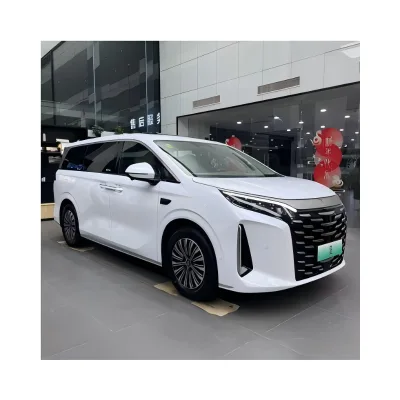


2023 Linxys G200 Left-Driving China New Energy Vehicles Luxury 7 Seats MPV
$6000.00 - $8000.00
MOQ: 1 Pieces

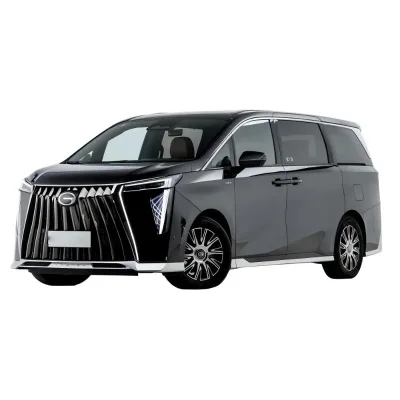


Spacious Family MPV for Comfortable Group Transport and Flexible Travel
$25000.00 - $27000.00
MOQ: 1 Unit


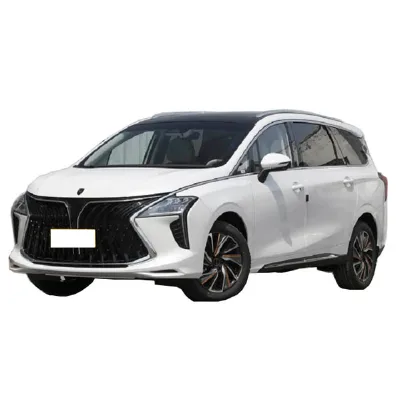

Lixiang Mega Hot Sale 5-Door 7-Seat MPV Long Range High-Speed New Energy Electric Vehicle
$71900.00 - $76050.00
MOQ: 1 Pieces
Comprehensive Sourcing Guide
Long Range Hybrid MPV Sourcing Guide
Sourcing long range hybrid MPVs requires a strategic balance between electric efficiency and internal combustion reliability. Buyers must evaluate how hybrid architectures impact total cost of ownership, particularly in regions with varying fuel prices and charging infrastructure. The hybrid powertrain offers extended range capabilities, making these vehicles suitable for both urban commuting and long-distance commercial operations. Understanding the specific energy type, such as gasoline-electric combinations, is essential for aligning vehicle performance with operational demands.
Procurement teams should focus on verifying the actual driving range and fuel consumption metrics under real-world conditions. Hybrid systems often involve complex integration between the engine, motor, and battery, which can affect maintenance requirements and repair costs. Buyers need to assess the durability of the hybrid components and the availability of specialized service networks. This guide provides a framework for evaluating technical specifications, compliance standards, and commercial terms to ensure a successful procurement outcome.
Product Scope and Observed Listing Signals
The current market for long range hybrid MPVs includes a diverse range of models with varying configurations and capabilities. Observed listings indicate a price range of $6,000 to $76,800, reflecting significant differences in brand positioning, feature sets, and production origins. Minimum order quantities typically range from 1 to 5 units, allowing for flexible procurement strategies tailored to specific fleet sizes or individual buyer needs. These signals suggest a market that accommodates both small-scale acquisitions and larger commercial fleet deployments.
Product attributes vary widely, with some models featuring automatic gearboxes and hydraulic braking systems, while others utilize electromagnetic braking for enhanced control. Exterior colors observed include white, blue, and off-white, catering to different aesthetic preferences and corporate branding requirements. Body types range from open configurations to closed MPV structures, with seat counts generally supporting seven passengers. These variations highlight the importance of matching specific product attributes to intended use cases, whether for family transport, commercial logistics, or touring services.
Technical Specifications to Verify
Technical verification should begin with powertrain details, including maximum power output and torque specifications. For instance, some hybrid models offer up to 181 kW of power, providing sufficient performance for heavy loads and varied road conditions. Buyers must also verify the fuel motor specifications, such as a 2.0L 140PS L4 engine, to ensure compatibility with local fuel standards and maintenance capabilities. The integration of electric and internal combustion components requires careful assessment of efficiency and reliability under different operating conditions.
Dimensional standards and wheelbase measurements are critical for ensuring vehicle compatibility with existing infrastructure and parking facilities. Observed dimensions range from approximately 4,920 mm to 5,359 mm in length, with widths around 1,900 mm to 2,009 mm. Wheelbases, such as 3,045 mm, influence interior space and ride comfort, which are key factors for MPV buyers. Additionally, drive configurations, including AWD and RWD, should be evaluated based on local climate and road conditions to ensure optimal traction and safety.
Compliance and Safety Documentation
Compliance verification is essential for importing and operating hybrid MPVs in different jurisdictions. Buyers must ensure that vehicles meet local safety and emissions standards, which may require specific certifications such as CCC for certain markets. Documentation should include detailed information on braking systems, steering configurations, and structural integrity to confirm adherence to regulatory requirements. Failure to verify compliance can result in customs delays, fines, or operational restrictions.
Safety features and structural design play a crucial role in protecting occupants and cargo. Buyers should review body structure specifications, such as 5-door 7-seat MPV configurations, to ensure adequate space and accessibility. Additionally, verification of energy type and fuel system safety is necessary to prevent hazards associated with high-voltage components and fuel storage. Comprehensive documentation from suppliers, including test reports and certification records, provides evidence of compliance and helps mitigate legal and operational risks.
Cost Drivers and Commercial Terms
Cost drivers for long range hybrid MPVs include production complexity, battery technology, and brand positioning. The observed price range reflects these factors, with higher-end models commanding premium prices due to advanced features and superior performance. Buyers should analyze the total cost of ownership, including fuel efficiency, maintenance costs, and potential resale value, to make informed procurement decisions. Understanding the cost structure helps in negotiating favorable terms and avoiding unexpected expenses.
Commercial terms, such as minimum order quantities and shipping methods, significantly impact procurement logistics. Nude packing and flat rack container shipments are common methods, influencing handling and protection during transit. Buyers should clarify payment terms, warranty coverage, and after-sales support to ensure a smooth transaction process. Additionally, considering the origin of the vehicles, such as China, can provide insights into supply chain reliability and potential lead times.
Supplier Qualification and Quality Control
Supplier qualification involves assessing the manufacturer’s reputation, production capacity, and quality management systems. Buyers should verify business certifications and production standards to ensure consistent product quality and reliability. Engaging with suppliers who have a proven track record in hybrid vehicle manufacturing reduces the risk of defects and performance issues. Due diligence in supplier selection is crucial for maintaining long-term operational efficiency and customer satisfaction.
Quality control measures should include pre-shipment inspections and verification of key components, such as the hybrid powertrain and braking systems. Buyers should request detailed inspection reports and test results to confirm that vehicles meet specified standards. Establishing clear quality expectations and communication channels with suppliers helps in addressing any issues promptly. Regular audits and performance reviews can further enhance supplier accountability and product consistency.
Long-Term Procurement Checks
Long-term procurement checks focus on monitoring vehicle performance, maintenance requirements, and supplier reliability over time. Buyers should establish metrics for evaluating fuel efficiency, battery health, and overall vehicle durability to ensure sustained operational value. Regular feedback loops with suppliers and end-users help in identifying potential issues and implementing corrective actions. Continuous improvement in procurement processes leads to better cost management and operational efficiency.
Additionally, staying informed about technological advancements and regulatory changes in the hybrid vehicle sector is essential for future procurement decisions. Buyers should regularly review market trends and supplier capabilities to adapt to evolving industry standards. Building strong relationships with qualified suppliers and maintaining open communication channels facilitates smoother transactions and better support. Proactive management of procurement activities ensures that long range hybrid MPVs continue to meet business needs and deliver expected value.
FAQs
What fuel types are available for Long Range Hybrid MPV models?
Available fuel types include diesel, hybrid, and electric options. Some models feature gas oil electric hybrid systems with maximum power up to 181 Kw. Buyers can select from various configurations depending on specific usage needs and performance requirements.
Which braking systems are used in these Long Range Hybrid MPV vehicles?
Braking systems vary between hydraulic and electromagnetic types across different models. Hydraulic systems are common in diesel variants, while electromagnetic brakes appear in electric or hybrid configurations. This ensures reliable stopping power for both family and commercial applications.
Can buyers customize the exterior color of Long Range Hybrid MPV units?
Customization is available for exterior colors including white, off-white, and blue options. Buyers can select specific shades to match brand identity or personal preference. This flexibility supports diverse usage scenarios ranging from family transport to commercial touring services.
What is the typical seating configuration for Long Range Hybrid MPV vehicles?
Most models feature 7-seat configurations with left-hand steering. Body structures include 5-door designs suitable for medium-large MPV segments. Some variants offer open or closed body types to accommodate different passenger and cargo requirements effectively.
How does the gearbox type affect Long Range Hybrid MPV performance?
Automatic gearboxes are standard across the observed product range for smooth operation. Drive systems include AWD and RWD options to handle various road conditions. This setup enhances stability and efficiency for both urban commuting and long-distance touring.
What certifications do Long Range Hybrid MPV manufacturers hold?
Manufacturers hold Business Certification such as CCC for compliance. Products originate from China and meet specific dimensional standards like 5359 by 2009 by 1879 mm. These certifications ensure safety and quality standards are met for international markets.
What packaging methods are used for shipping Long Range Hybrid MPV units?
Packaging options include nude packing or flat rack container shipments. These methods protect vehicles during transit while optimizing space efficiency. Buyers can choose based on logistics requirements and destination port capabilities for safe delivery.