Source LoRa RF Transceiver Module for IoT, Agriculture, and Remote Monitoring
Explore 30 available options for the LoRa RF Transceiver Module designed for industrial IoT, smart agriculture, and remote data monitoring. Buyers can compare specifications like transmission distance, modulation modes, and communication interfaces from verified suppliers.
Key considerations
Products List


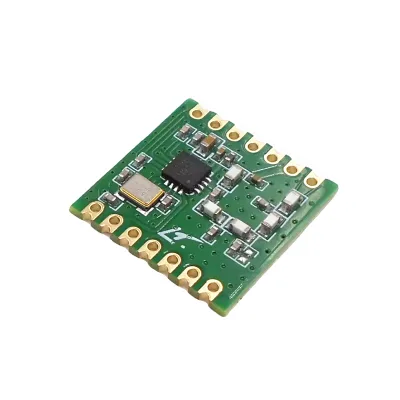
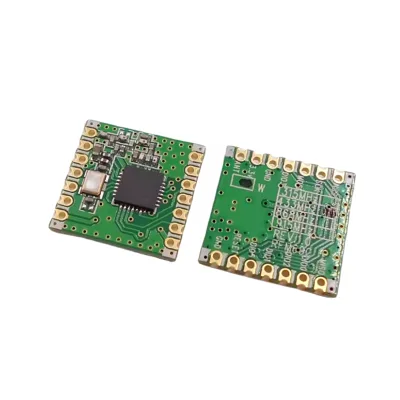
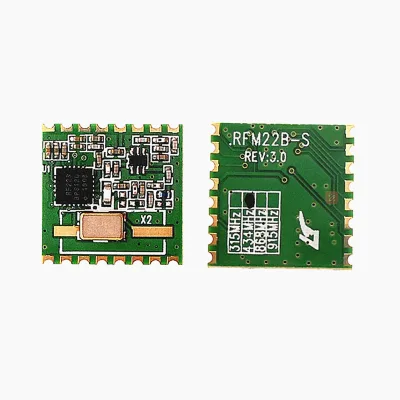
RFM22B-S2 433MHz 868MHz 915MHz 20dBm Hochfrequenz-Transceiver-Modul rfm22b
$2.06 - $2.08
MOQ: 50 Minimum


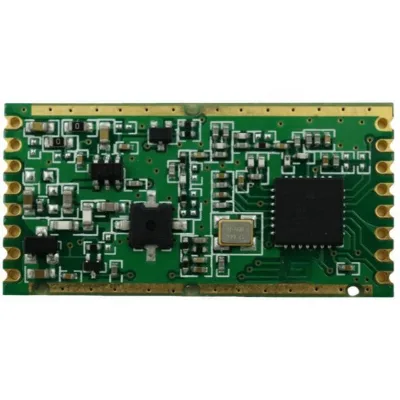
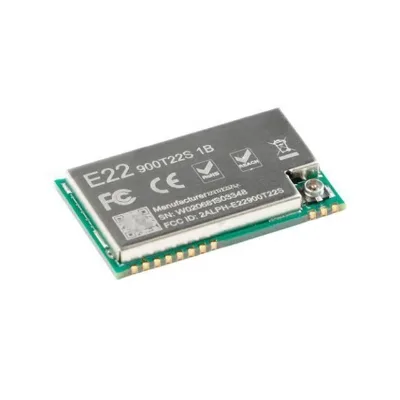
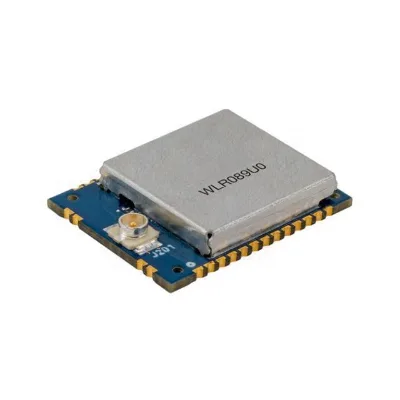
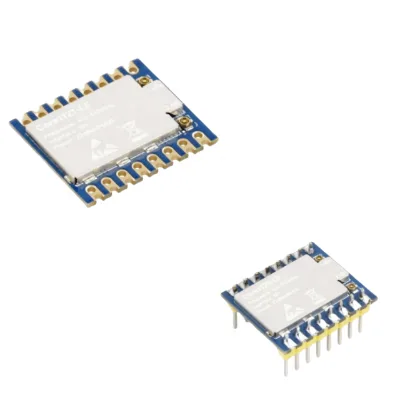


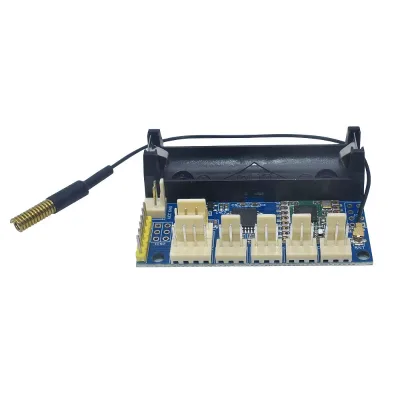
Sx1278 LoRa 433Mhz/868Mhz/915Mhz 2.4G wireless node module RFM98 transceiver module
$10.26 - $13.05
MOQ: 1 Minimum


RHF0M301 High-Performance Lorawan Transceiver Module for Wireless Sensor Networks
$105.00 - $115.00
MOQ: 3 Pieces
Comprehensive Sourcing Guide
Strategic Sourcing Guide for LoRa RF Transceiver Modules
The global demand for Low Power Wide Area Network (LPWAN) solutions has elevated the LoRa RF Transceiver Module to a critical component in modern industrial and commercial infrastructure. For procurement professionals, sourcing these modules requires a disciplined approach that balances technical compatibility, regulatory compliance, and supply chain reliability. The market offers a diverse array of options, ranging from simple point-to-point links to complex multi-point mesh networks. This guide provides a structured framework for evaluating LoRa RF transceiver modules, ensuring that buyers make informed decisions based on verifiable specifications and established industry standards rather than marketing claims.
Technical Architecture and Key Specifications
Understanding the internal architecture of a LoRa module is the first step in defining procurement requirements. The core of these devices typically relies on specific semiconductor chips designed for long-range, low-power communication. In the current market, the SX1276 and SX1278 chips are prominent examples of the main processing units found in high-performance modules. These chips facilitate the LoRa Spread Spectrum modulation mode, which is essential for achieving robust signal penetration in challenging environments.
When evaluating technical specifications, buyers must prioritize the communication interface and power requirements. A standard interface for these modules is the TTL UART, which allows for straightforward integration with microcontrollers and gateways. Power consumption is another critical metric; modules often operate within a supply voltage range of 3.3V to 5V, with transmit power typically adjustable between 5dBm and 20dBm. This adjustability allows system integrators to optimize the trade-off between transmission range and battery life.
The physical dimensions and packaging are equally important for mechanical integration. Modules are frequently available in compact form factors, such as 2030mm or 12mm x 18mm, to fit into space-constrained IoT devices. Packaging standards vary, with options including antistatic bags, carton packaging, or individual boxes, often adhering to specific batch dimensions like 11x13x4 cm or larger cartons of 3627*19 cm. Buyers should verify the exact model numbers, such as the E220, LORA series, or specific variants like RFM119B and RFM69C, to ensure compatibility with existing system architectures.
Frequency Bands and Communication Capabilities
The operational frequency band is a primary determinant of a module's regulatory compliance and geographical applicability. LoRa transceivers are available in various configurations, including 433MHz, 868MHz, and 915MHz. The choice of frequency band directly impacts the module's range and regulatory status in different regions. For instance, the 433MHz band is common in specific industrial applications, while 868MHz and 915MHz are often required for compliance in Europe and North America, respectively.
Communication modes also define the flexibility of the network topology. Modules support both Point-to-Point and Multi-Point communication modes, enabling diverse deployment scenarios. The maximum transmission distance is a frequently cited specification, with some open-area configurations claiming distances up to 8km. However, buyers must treat such figures as theoretical maximums under ideal conditions rather than guaranteed performance metrics. Real-world performance depends heavily on environmental factors, antenna quality, and interference levels.
Information content transmission is another key capability. These modules are designed to handle data transmission efficiently, supporting the low-bandwidth requirements typical of IoT sensors. The functional application is generally categorized as a wireless transceiver module, suitable for a wide range of use cases. When selecting a module, procurement teams should verify the specific frequency specifications listed in the product data sheet to ensure alignment with local spectrum regulations and the intended network architecture.
Compliance, Certification, and Regulatory Standards
Navigating the regulatory landscape is a non-negotiable aspect of sourcing electronic components. Compliance with international standards ensures that the modules can be legally sold and operated in target markets. The most common certifications observed in the LoRa transceiver market include RoHS (Restriction of Hazardous Substances) and CE (Conformité Européenne). Some suppliers may also provide GS certification, indicating additional safety standards compliance.
Buyers must verify that the specific batch of modules being procured carries the necessary certifications. The presence of a CE mark, for example, is a prerequisite for selling products within the European Economic Area. Similarly, RoHS compliance is critical for ensuring that the product does not contain restricted hazardous materials, which is a requirement in many global markets. It is important to note that certification status can vary between different product lines or even different production batches from the same supplier.
In addition to electronic certifications, buyers should check for adherence to physical and packaging standards. While specific standards like 362719CM for carton sizes or 11X13X4 cm for batch packaging are observed, these are logistical standards rather than product performance standards. However, they indicate a level of standardization in the manufacturing and shipping process. Procurement teams should request valid certification documents from the supplier before placing large orders to mitigate the risk of non-compliant goods entering the supply chain.
Cost Drivers and Pricing Dynamics
The pricing of LoRa RF transceiver modules is influenced by a complex interplay of factors, including component costs, production volume, and customization requirements. The observed market price range for these modules is broad, spanning from approximately $0.48 to $578 USD. This wide variance reflects differences in chip quality, feature sets, and order quantities. Lower-priced units are typically standard models with basic specifications, while higher-priced units may include advanced features, higher power output, or specialized packaging.
Order quantity is a significant driver of unit cost. Many suppliers enforce a Minimum Order Quantity (MOQ), which can range from 1 unit for sampling to 1000 units for bulk pricing. Some suppliers may require orders to be placed in specific multiples, such as multiples of 50, to optimize their production and packaging processes. Buyers should be aware that unit prices often decrease as the order volume increases, but the total capital outlay will rise.
Customization is another factor that impacts cost. While many modules are available as standard off-the-shelf products, custom configurations can incur additional expenses. The availability of customization options allows buyers to tailor the module to specific application needs, but this process may extend lead times and increase the per-unit cost. Additionally, the condition of the product, typically listed as "New," and the specific series, such as the LORA series, can influence pricing. Buyers should request detailed quotes that break down the cost of the module, packaging, and any potential customization fees to ensure accurate budgeting.
Supplier Evaluation and Quality Assurance
Selecting a reliable supplier is paramount to ensuring the long-term success of an IoT project. The origin of the product is a key indicator of supply chain stability. Many LoRa modules are manufactured in China, with specific production hubs in Guangdong and Shenzhen. These regions have established ecosystems for electronics manufacturing, offering access to a wide range of components and expertise. However, buyers should verify the specific place of origin for each batch to ensure consistency and traceability.
Quality control measures should be a central part of the supplier evaluation process. Buyers should inquire about the supplier's testing protocols, including checks for functional performance, durability, and environmental resistance. While specific test results are not always publicly available, suppliers should be able to provide data on the condition of the product and the reliability of the modules. The "New" condition of the product is a standard expectation, but buyers should verify that the modules have not been refurbished or repackaged without disclosure.
Packaging and logistics also play a role in quality assurance. Modules are often shipped in antistatic bags to prevent electrostatic discharge damage, followed by carton packaging for bulk transport. The gross weight per batch, typically around 0.060 kg to 0.065 kg, provides insight into the packaging density and shipping costs. Buyers should ensure that the supplier has a robust logistics network to handle the delivery of goods without damage. Additionally, the availability of a "Multiple of 50" selling unit suggests a standardized packaging approach that can simplify inventory management.
Application Scenarios and Long-Term Procurement Strategy
LoRa RF transceiver modules are versatile components used across a wide spectrum of industries. Their primary application fields include Industrial IoT, Smart Agriculture, and Remote Data Monitoring. In industrial settings, these modules facilitate the monitoring of equipment health and environmental conditions over large areas. In agriculture, they enable precision farming by transmitting soil moisture, temperature, and crop health data from remote fields. The ability to support up to 8km transmission distances in open areas makes them ideal for these expansive applications.
The communication interface, such as TTL UART, and the modulation mode, LoRa Spread Spectrum, are critical for ensuring seamless integration into existing systems. The modules support data transmission, making them suitable for applications requiring the collection and analysis of sensor data. The adjustable transmit power allows for flexible network design, enabling buyers to optimize the range and power consumption based on specific site requirements.
For long-term procurement, buyers should consider the scalability and future-proofing of the selected modules. The availability of different model numbers, such as the Nrf24L01 or E220, suggests a range of options that can accommodate evolving technology needs. Buyers should also evaluate the supplier's ability to provide consistent supply over time, especially given the potential for lead time variations. Establishing a relationship with a supplier that offers customization and has a strong track record in the industry can provide a competitive advantage.
Final Procurement Considerations and Verification
Before finalizing any purchase, buyers must conduct a thorough verification of all product attributes. This includes confirming the model number, specifications, and certifications. The product name, often listed as "SFP Optical Transceiver Module" or "Optical Transceiver Module Fiber Optic Transceiver," should be cross-referenced with the actual technical requirements to avoid confusion with other product types. Similarly, the functional application and output type must align with the intended use case.
Buyers should also verify the packing details, such as the 10PCS/Box or 100PCS/CTN configurations, to ensure they match their inventory management systems. The standard dimensions, such as 12mm x 18mm or 20*30mm, should be checked against the mechanical design of the target device. Finally, the condition of the product, typically "New," and the series designation, such as LORA, should be confirmed to ensure the correct version is being procured.
By adhering to these guidelines and maintaining a focus on verified facts and specifications, procurement professionals can navigate the complex landscape of LoRa RF transceiver modules with confidence. This disciplined approach ensures that the selected components meet the technical, regulatory, and operational requirements of the project, leading to successful and sustainable IoT deployments.
FAQs
What certifications do lora rf transceiver modules typically have?
These modules typically carry RoHS and CE certifications to ensure compliance with hazardous substance restrictions and European safety standards. Some batches may also include GS certification for additional safety verification. Buyers should request specific certification documents for the exact batch being procured to confirm regulatory status before ordering.
Which main chips are used in high-performance lora rf transceiver modules?
High-performance modules commonly utilize SX1276 or SX1278 chips as their main processing units. These chips enable LoRa Spread Spectrum modulation for robust long-range communication. The specific chip selection depends on the required transmission distance and power consumption needs for the intended application.
How does the transmission distance vary for lora rf transceiver modules?
Transmission distance can reach up to 8 kilometers in open areas under ideal conditions. This range depends on the adjustable transmit power, which typically ranges from 5dBm to 20dBm. Real-world performance will vary based on environmental factors, antenna quality, and interference levels present at the deployment site.
Can buyers customize lora rf transceiver modules for specific needs?
Yes, customization is available for these modules to tailor them to specific application requirements. Custom configurations may affect the unit cost and potentially extend lead times. Buyers should discuss specific needs with suppliers to understand the impact on pricing and production schedules before placing an order.
What is the typical MOQ for purchasing lora rf transceiver modules?
Minimum Order Quantities typically range from 1 unit for sampling up to 1000 units for bulk pricing. Some suppliers require orders to be placed in multiples of 50 to optimize packaging and production processes. The specific MOQ depends on the supplier and the model number selected for procurement.
Which frequency bands are supported by lora rf transceiver modules?
Modules are available in 433MHz, 868MHz, and 915MHz frequency bands to suit different regional regulations. The choice of band impacts regulatory compliance and geographical applicability for the end product. Buyers must verify the specific frequency specification to ensure alignment with local spectrum rules.
Where are lora rf transceiver modules typically manufactured?
These modules are primarily manufactured in China, with specific production hubs located in Guangdong and Shenzhen. These regions offer established ecosystems for electronics manufacturing and component access. Buyers should verify the specific place of origin for each batch to ensure supply chain consistency and traceability.