Source Lost-Wax Process Ant Sculpture for Art, Gift, and Decor
Compare 30 available options for the lost-wax process ant sculpture, featuring custom designs in metal and bronze. Buyers can review specifications like size, color, and weight for gallery displays, business gifts, and home decoration.
Key considerations
Products List
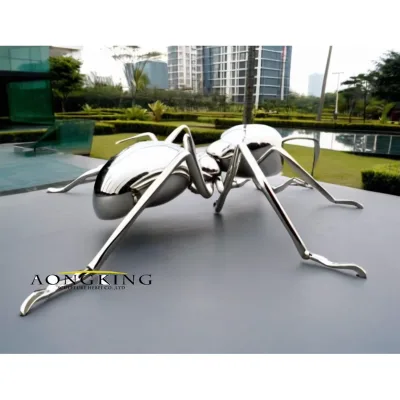
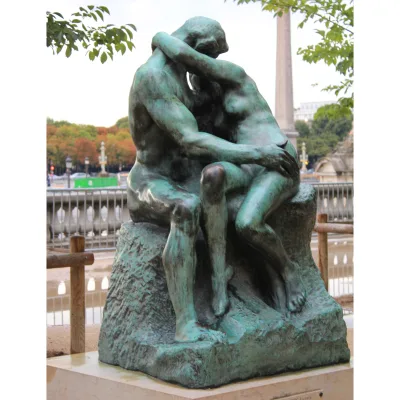
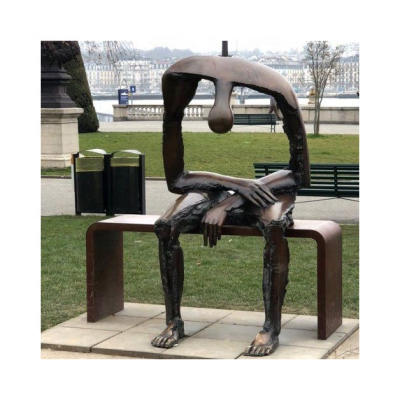
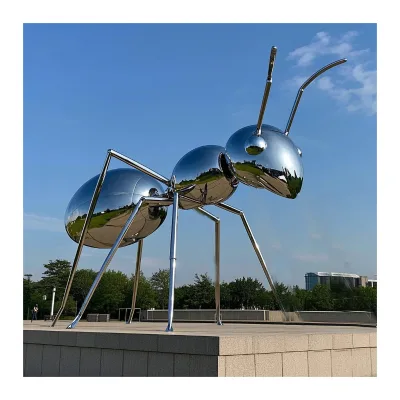
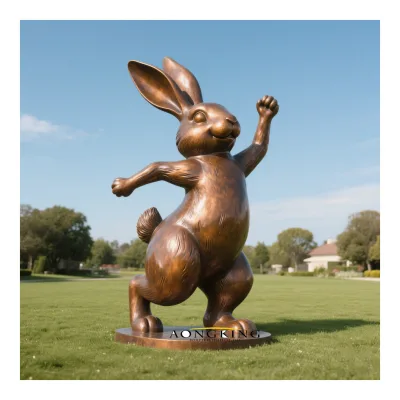
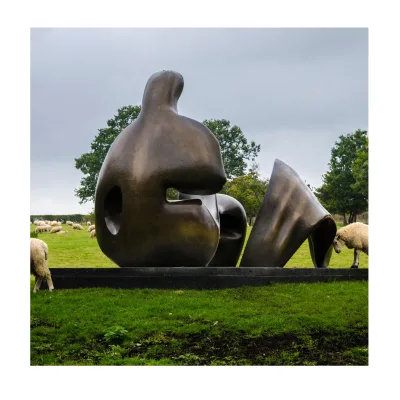


Decorative Powder Coated Metal Colorful Animal Figurine for Garden Decoration
$6.13 - $6.25
MOQ: 2000 Pieces


Factory Price Outdoor Mirror Polished Stainless Steel Ant Animal Sculpture
$980.00 - $4580.00
MOQ: 1 Pieces

Stylish Cast Iron Animal Sculpture Rust Resistant Outdoor Garden Decoration
$2400.00 - $4000.00
MOQ: 1 Pairs
Comprehensive Sourcing Guide
Sourcing Guide for Lost-Wax Process Ant Sculptures
Understanding the Technical Foundation of Lost-Wax Casting
The core of sourcing a high-quality ant sculpture lies in understanding the specific manufacturing technique known as the lost-wax process, or investment casting. This method is distinct from other metal casting techniques because it allows for the creation of intricate, detailed forms that are difficult to achieve through die-casting or sand-casting. In the context of ant sculptures, the lost-wax process is particularly valuable because the natural complexity of an ant's anatomy—its segmented body, jointed legs, and antennae—requires a high degree of precision to replicate accurately.
The process begins with the creation of a wax model, which is an exact replica of the final metal product. This wax model is then encased in a ceramic shell. Once the shell hardens, the wax is melted out, leaving a hollow cavity. Molten metal, typically bronze or other alloys, is poured into this cavity. After cooling, the ceramic shell is broken away to reveal the raw metal casting. The supplied product data explicitly identifies the "Lost-wax process" and "Lost Wax Casting" as the primary techniques for the items in this category. This confirms that the resulting sculptures possess the fine surface details characteristic of this method.
Buyers must recognize that the "Lost-wax process" is not merely a label but a determinant of the final product's aesthetic and structural integrity. The technique supports the "Custom made" and "Customized" attributes observed in the product listings, allowing for unique designs that deviate from mass-produced standards. The material composition is frequently noted as "Metal" or specifically "Bronze," which is the traditional choice for this casting method due to its fluidity when molten and its durability in the final state. The "Patina" finishing process mentioned in the specifications is a direct result of the chemical treatment applied to the bronze after casting, creating the desired color effects such as "aerugo" or "Silver."
Material Composition and Finishing Specifications
When evaluating ant sculptures, the material selection is paramount. The observed product data indicates a prevalence of "Bronze" as the primary material, though "Metal" is also listed as a general category. Bronze is favored for its resistance to corrosion and its ability to hold fine details, which is essential for insect sculptures where minute features like the texture of the exoskeleton must be visible. The specific model numbers, such as "AK-red37," "AKSY-07," and "AKBY(678)," correspond to variations in these material and finish combinations.
The finishing stage is where the sculpture's final character is defined. The data highlights "Patina" as a key finishing attribute. Patination is a chemical process that alters the surface color of the metal, providing protection against oxidation and adding artistic value. The observed color options include "Silver," "Black," "Brown," and "aerugo" (a greenish-blue patina). These colors are not merely cosmetic; they reflect specific chemical treatments and aging processes. For instance, an "aerugo" finish suggests a deliberate oxidation process to mimic the look of aged bronze, while "Silver" may indicate a specific plating or polishing technique.
The "Plating" attribute is listed as "other," suggesting that while standard plating might not be the primary finish, specialized treatments are applied. Buyers should verify the specific chemical composition of the patina or plating to ensure it meets environmental and safety standards, particularly if the sculpture is intended for indoor public spaces or children's areas. The "Single gross weight" varies significantly across models, ranging from 3.000 kg to 23.000 kg. This variation is a direct function of the sculpture's size, material density, and the thickness of the metal walls required for structural integrity. A larger ant sculpture, such as one with a "Single package size" of 33X22X11 cm, will naturally weigh more than a "Small Size" version with dimensions of 10X10X5 cm.
Design Customization and Application Versatility
The flexibility of the lost-wax process makes it ideal for custom designs. The product data consistently lists "Shape" as "Custom Products" or "Customized" and "Design" as "Custom made." This indicates that suppliers can produce ant sculptures tailored to specific artistic visions, scale requirements, or thematic needs. The "Style" is observed as both "Animal" and "Abstract," showing that the technique supports realistic representations as well as stylized, interpretive forms.
The application scope for these sculptures is broad. The "Usage" field explicitly lists "Gallery Display," "Art & Collection," "Business Gift," "Holiday Decoration," "Home Decoration," and "Souvenir." This versatility means that a single ant sculpture can serve multiple purposes depending on its size and finish. For example, a "Small Size" sculpture with a "Cyan" color might be suitable as a "Business Gift" or "Home Decoration," while a larger, more elaborate piece with a "Brown" patina could be intended for "Gallery Display" or "Art & Collection."
The "Installation Method" is noted as "Free-Standing," which simplifies the procurement process by eliminating the need for complex mounting hardware or structural modifications to the display area. The "Application" is specified as "Indoor," which is a critical constraint for buyers. While bronze is durable, the specific finishes and patinas used on these sculptures may not be rated for outdoor exposure to rain, snow, or direct sunlight without additional protective coatings. Buyers must confirm the suitability of the specific finish for their intended environment, especially if the "Installation Location" involves areas with high humidity or fluctuating temperatures.
Cost Drivers and Procurement Parameters
Understanding the cost structure of lost-wax ant sculptures requires an analysis of several variables. The "Observed listed price range" spans from 0.1 to 500000 USD, a vast range that reflects the diversity in size, material volume, complexity, and customization level. A small, mass-produced "Single item" with a "Single package size" of 10X10X5 cm will be at the lower end of this spectrum, while a large, custom-designed piece weighing 23.000 kg will command a significantly higher price.
The "MOQ" (Minimum Order Quantity) is observed to range from 1 to 2000. This flexibility is advantageous for buyers with varying needs. A single buyer looking for a unique "Art & Collectible" piece can order a "Single item" with an MOQ of 1. Conversely, a corporate client seeking "Business Gift" inventory can leverage the higher MOQ capacity to secure bulk pricing. The "Selling Units" are listed as "Single item," reinforcing the ability to purchase individual pieces without being forced into large batch orders.
Shipping and logistics are significant cost drivers. The "Transportation" attribute confirms that "Door to Door" service is available, and the "Shipped by" options include "by Air" and "Sea." The choice between air and sea freight will impact both the cost and the lead time. Air freight is faster but more expensive, suitable for urgent orders or high-value, low-volume shipments. Sea freight is more cost-effective for large, heavy items, such as the 23.000 kg sculpture, but requires longer lead times. The "Single gross weight" and "Single package size" are critical for calculating shipping costs, as freight charges are often based on volumetric weight or actual weight, whichever is higher.
Supplier Evaluation and Quality Assurance
When sourcing from the "Place of Origin: Hebei, China" or generally "China," buyers must conduct rigorous supplier evaluations. The "Brand Name" "AONGKING" is observed in the data, but buyers should not rely solely on brand recognition. Instead, they should verify the supplier's capability to execute the "Lost-wax process" consistently. This involves assessing their facility's equipment, the skill level of their artisans, and their quality control protocols.
Quality assurance should focus on the integrity of the casting and the durability of the finish. Buyers should request samples to inspect the "Patina" application for uniformity and the "Metal" surface for any casting defects such as porosity or cracks. The "Maintenance Requirement" is listed as "Low," which is a positive indicator, but buyers should still inquire about the specific care instructions for the "Patina" finish to ensure it remains stable over time.
The "Packing" specification of "PE Foam, Air Bubble Film, Crate" is essential for protecting the sculpture during transit. Given the "Single gross weight" can be as high as 23.000 kg, the crate must be robust enough to prevent damage. Buyers should verify that the packaging meets international shipping standards, especially for "Door to Door" delivery to locations like "Perth, Australia." The "Installation Location" data suggests that international shipping is common, so the packaging must be designed to withstand long-haul transport.
Long-Term Procurement and Maintenance Considerations
Long-term procurement planning involves considering the lifecycle of the ant sculpture. The "Low" maintenance requirement is a key factor, but it does not eliminate the need for periodic care. Buyers should establish a maintenance schedule that includes regular dusting and occasional polishing to maintain the "Patina" finish. The "Indoor" application specification means that environmental factors like direct sunlight or extreme temperature changes should be avoided to prevent fading or cracking of the finish.
For buyers planning to acquire multiple units for "Business Gift" or "Holiday Decoration" purposes, consistency is crucial. The "Custom made" nature of the products means that each piece may have slight variations. Buyers should request a "Golden Sample" or a standardized prototype to ensure that all units in a bulk order meet the same quality and aesthetic standards. The "Model Number" system, such as "AK-T1080" or "AK-yes15," helps in tracking specific designs, but buyers should confirm that the "Customization" options do not introduce unacceptable variability in the final product.
Finally, the "Transportation" and "Shipped by" options should be integrated into the procurement timeline. With "Door to Door" availability, buyers can streamline the logistics, but they must account for potential delays, especially for international shipments from "Hebei, China" to destinations like "Perth, Australia." The "Lead time" is not explicitly provided in the data, so buyers must negotiate this directly with the supplier based on the "MOQ" and "Customization" requirements. Understanding these factors ensures a smooth procurement process and the successful acquisition of high-quality lost-wax ant sculptures.
| Attribute Category | Observed Data Points | Procurement Implication |
|---|---|---|
| Technique | Lost-wax process, Lost Wax Casting | Ensures high detail; verify artisan skill. |
| Material | Bronze, Metal | Check for alloy composition and durability. |
| Finish | Patina, Silver, Black, Brown, Aerugo | Verify chemical safety and color consistency. |
| Size/Weight | 10X10X5 cm to 33X22X11 cm; 3kg to 23kg | Calculate shipping costs and packaging needs. |
| MOQ | 1 to 2000 | Flexible for single or bulk orders. |
| Origin | Hebei, China | Factor in international logistics and lead times. |
| Installation | Free-Standing, Indoor | Confirm structural stability and environmental suitability. |
FAQs
How is the lost-wax process used for ant sculptures?
The lost-wax process creates intricate ant sculptures by melting wax models encased in ceramic shells to form hollow metal casts. This technique allows for precise replication of the ant's segmented body and fine details, ensuring high-quality results for custom designs.
What materials are used for these bronze ant sculptures?
These sculptures are primarily made of bronze or general metal, chosen for their durability and ability to hold fine details. The material is cast using the lost-wax method and finished with patinas to achieve colors like silver, black, brown, or aerugo.
Can buyers customize the shape and design of the sculpture?
Yes, customization is available for shape, design, and style, allowing for unique animal or abstract forms. Buyers can request specific dimensions and finishes, with the supplier accommodating custom-made requirements for art collections or business gifts.
Which installation method is required for these indoor sculptures?
These sculptures use a free-standing installation method, requiring no complex mounting hardware or structural modifications. They are designed for indoor applications such as gallery displays, home decoration, or souvenir purposes without needing external support.
How does the packaging protect heavy metal sculptures during shipping?
Heavy sculptures are protected using PE foam, air bubble film, and sturdy crates to prevent damage during transit. This robust packing ensures safety for items weighing up to 23 kg when shipped via air or sea to destinations like Perth, Australia.