Source Lost Wax Casting Buddha Statue for Gallery, Home, Gift
Explore 30 bronze Buddha sculptures crafted via the lost wax casting process. Compare abstract figures and religious icons in various sizes, from small gallery pieces to 1-meter statues, suitable for home decoration, business gifts, and art collections; compare the available evidence and request quotations based on your requirements.
Key considerations
Products List


Gold Gild Bronze Casting Ksitigarbha Bodhisattva Statue in Singapore
$5000.00 - $500000.00
MOQ: 1 Pieces
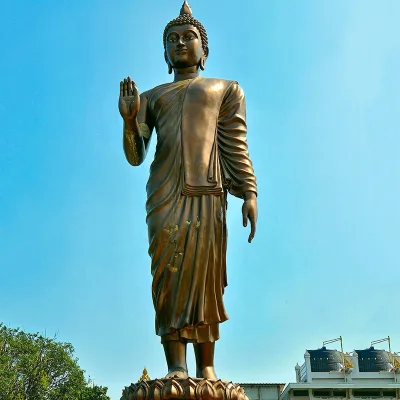
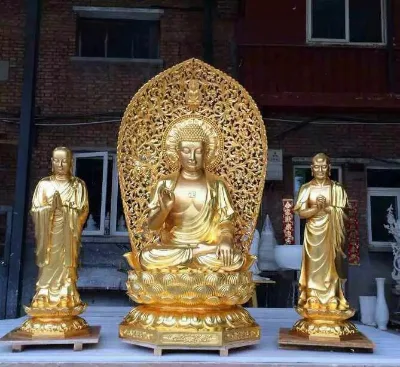
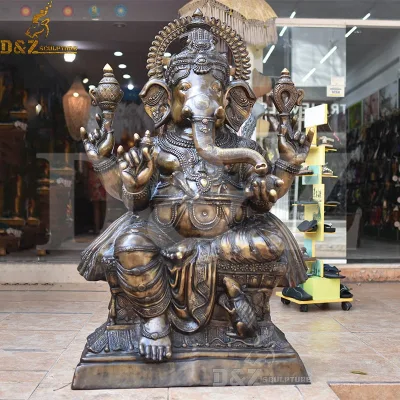

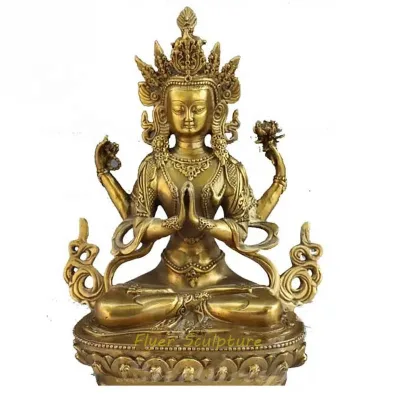
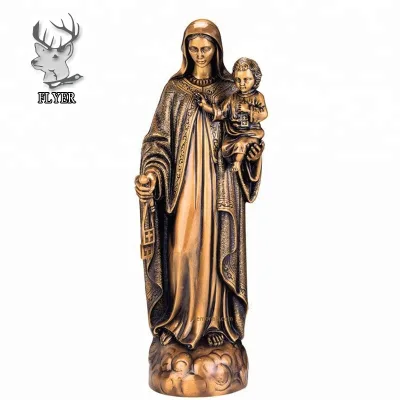
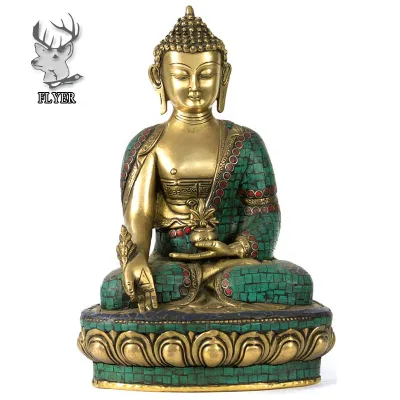
Wholesale Tibetan Buddhist Deity Buddha Statue Hand Carved Bronze Buddha Statue
$750.00 - $2650.00
MOQ: 1 Minimum
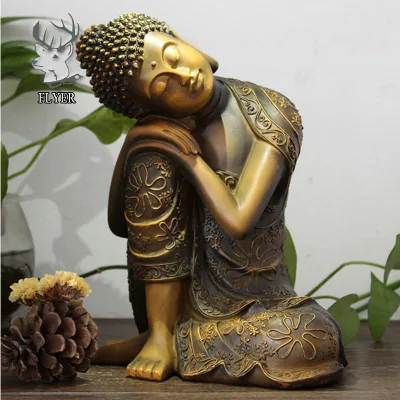
Custom Buddha Bronze Statue Artist Spiritual Buddhism Statue for Temple
$562.08 - $2299.41
MOQ: 1 Minimum
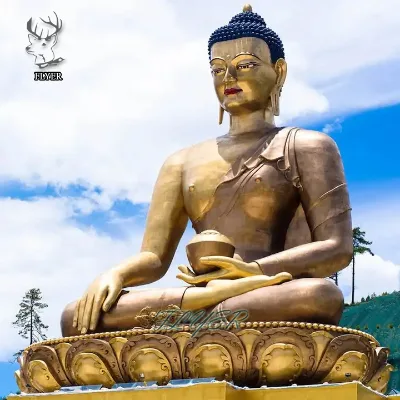
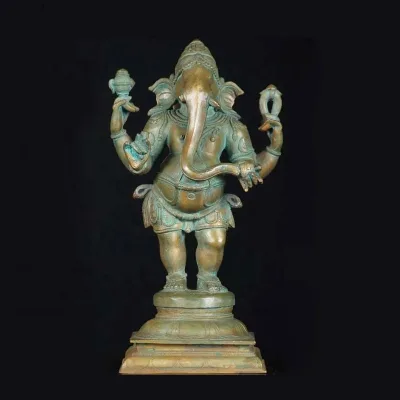


Professional Bronze Casting Sitting Buddha Sculpture Statue for Decoration
$1500.00 - $3000.00
MOQ: 1 Pieces


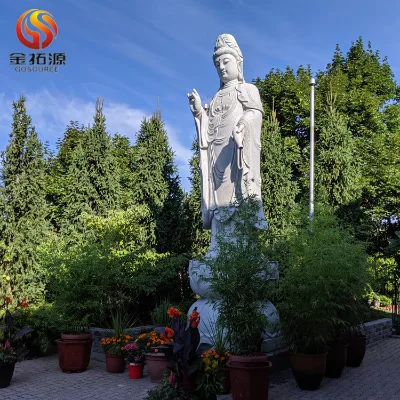
$10226.60 - $20453.20
MOQ: 1 Minimum

Stone Cast Buddha Statue Mold Giant Solid Granite Laughing Buddha Statue
$3000.00 - $3500.00
MOQ: 1 Pieces


Factory Whole Chinese Buddha Bronze Statue Golden Brass Buddha Statue Sculpture
$850.00 - $2350.00
MOQ: 1 Pieces

Garden Cast Bronze Hindu God Lord Shiva Sculpture Life Size Bronze Shiva Statue
$1200.00 - $2800.00
MOQ: 1 Pieces

Home Decoration Religious Brass Buddha Statue Cast Bronze Gautam Sculpture
$850.00 - $2350.00
MOQ: 1 Pieces


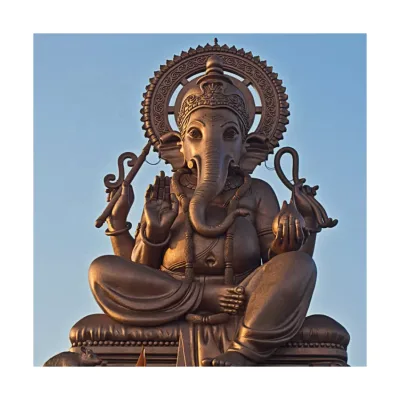


Comprehensive Sourcing Guide
Lost Wax Casting Buddha Statue Sourcing Guide
Procuring a Lost Wax Casting Buddha Statue requires distinguishing between abstract decorative figures and specific religious icons, as the supplied data reveals distinct product lines ranging from small abstract designs to large-scale religious statues. Buyers must carefully align their procurement needs with the observed variations in size, style, and intended usage, noting that some items are explicitly categorized for gallery display while others serve as home decorations or business gifts. The material consistency across listings is bronze, yet the finishing techniques vary significantly, with options including patina treatments, gold leaf applications, and yellow colorations that directly impact the aesthetic and spiritual value of the final piece.
The sourcing landscape indicates a wide range of fabrication times and lead times, with some historical records showing production dates from 2016 while others reflect active 2022 fabrication cycles and current lead times of roughly three months. This variance suggests that buyers should verify the current production status of specific models rather than relying on historical data, as the availability of custom orders and standard inventory fluctuates. Understanding these temporal differences is critical for planning logistics, especially since shipping methods include both air and sea freight, which will further influence the total time required to receive the statue at the installation location.
Product Scope and Observed Listing Signals
The product scope encompasses a diverse array of bronze sculptures, including abstract figures and specific religious representations like the Ksitigarbha Bodhisattva, each defined by unique dimensions and stylistic attributes. Listings show sizes ranging from small abstract designs to monumental statues reaching heights of 4.5 meters, indicating that buyers must specify their spatial requirements clearly to avoid mismatches between the ordered item and the intended display environment. The observed usage categories span from holiday decorations and souvenirs to serious art collections and business gifts, requiring a nuanced approach to selecting the appropriate piece based on the specific context of its deployment.
Listing signals also highlight the importance of verifying the specific finishing process, as the data distinguishes between standard patina finishes and premium gold leaf applications that alter the visual impact and perceived value of the statue. Buyers should note that while the core material is consistently bronze, the craftsmanship techniques vary from general casting to specific lost-wax processes and investment casting, which may affect the level of detail and surface texture. These signals serve as a primary filter for buyers to identify products that match their aesthetic preferences and functional requirements without relying on unverified marketing claims.
Technical Specifications to Verify
Technical verification must begin with precise dimensional analysis, as the observed listings include specific height measurements such as 1 meter and 4.5 meters, alongside general size classifications like small and medium. Buyers should confirm the exact height and footprint of the statue to ensure it fits the designated installation location, particularly for large-scale pieces that may require structural support or specific spatial clearance. The dimension data provided in the listings serves as a baseline, but actual product verification is essential to account for potential variations in casting tolerances or custom modifications that might alter the final physical profile.
Beyond dimensions, the verification process must include a detailed assessment of the finishing and carving techniques, specifically distinguishing between hand-made processes, engraving, and investment casting methods. The presence of gold leaf or patina finishes requires confirmation of the application method and durability, as these treatments define the long-term appearance and maintenance needs of the sculpture. Buyers should also verify the specific model numbers, such as SSA-059 or BBA-F46, to ensure they are referencing the correct technical specifications and that the product matches the intended religious or artistic classification, such as a Buddha figure or an abstract design.
Compliance and Safety Documentation
While the supplied facts do not explicitly list specific international safety certifications, buyers must request documentation regarding the structural integrity and material safety of the bronze casting, especially for large statues intended for public or high-traffic indoor spaces. The installation location data points to specific regions like Perth, Australia, implying that compliance with local building codes and safety standards for heavy sculptures is a mandatory requirement that suppliers must address. Buyers should verify that the supplier can provide evidence of load-bearing capacity and stability testing, ensuring the statue can be safely installed without risk of tipping or structural failure.
Documentation regarding the finishing materials is equally critical, as the use of gold leaf and chemical patinas may involve substances that require safety data sheets for handling and long-term environmental safety. Buyers should ensure that the supplier provides clear instructions on the maintenance and care of these finishes, as the listed after-sales services include maintenance instructions that are vital for preserving the statue's condition. Additionally, verifying the origin of the materials and the manufacturing process helps in assessing compliance with environmental regulations and ethical sourcing standards, which are increasingly important in the global art and sculpture market.
Cost Drivers and Commercial Terms
The cost of a Lost Wax Casting Buddha Statue is heavily influenced by the scale of the piece, the complexity of the lost-wax process, and the specific finishing techniques applied, such as gold leaf gilding versus standard patina. Larger statues with heights of 4.5 meters naturally incur higher material and labor costs compared to small abstract figures, and the choice of finishing can significantly alter the final price point. Buyers should anticipate that custom orders and specific religious iconography may command a premium due to the specialized craftsmanship and the intricate details required to meet the high standards of the art market.
Commercial terms must account for the observed lead times of roughly three months and the specific fabrication times noted in the listings, which can vary based on the complexity of the order and the current production schedule. Shipping costs are another major variable, as the choice between air and sea freight will impact both the delivery timeline and the overall budget, particularly for heavy bronze sculptures. Buyers should clarify the Incoterms and packaging requirements, noting that items are typically packed with PE foam, air bubble film, and crates to prevent damage during transit, which adds to the logistical cost.
Supplier Qualification and Quality Control
Supplier qualification should focus on verifying the specific casting techniques used, ensuring that the claimed lost-wax or investment casting processes are actually employed to achieve the desired level of detail and structural integrity. The data indicates a mix of hand-made and machine-assisted processes, so buyers must confirm the extent of human craftsmanship involved, as this often correlates with the quality of the final product and the uniqueness of the piece. Establishing a clear communication channel regarding the fabrication timeline and the ability to handle custom requests is essential for managing expectations and ensuring the supplier can meet the specific requirements of the order.
Quality control measures must include a rigorous inspection of the finishing work, particularly for gold leaf applications and patina treatments, to ensure consistency and adherence to the agreed-upon aesthetic standards. Buyers should request pre-shipment photos or video evidence of the finished product to verify the color, texture, and overall condition before the item leaves the factory. Additionally, confirming the warranty terms, such as the one-year warranty observed in some listings, provides a safety net for addressing any potential defects or issues that may arise after the statue has been delivered and installed.
Long-Term Procurement Checks
Long-term procurement checks should prioritize the maintenance requirements and the availability of after-sales support, as the listed products range from low to medium maintenance needs depending on the finish and material exposure. Buyers must ensure that the supplier provides comprehensive maintenance instructions and is accessible for future inquiries regarding the care of the bronze and gold leaf surfaces, which are susceptible to environmental factors over time. Establishing a relationship with a supplier who offers reliable after-sales service is crucial for preserving the value and appearance of the statue throughout its lifespan.
Finally, buyers should monitor the supplier's ability to maintain consistent quality and lead times over multiple orders, as the fabrication times and production schedules can fluctuate based on demand and resource availability. Regular reviews of the supplier's performance, including their adherence to delivery schedules and the quality of the finished products, will help in building a sustainable procurement strategy. By keeping a close watch on these long-term factors, buyers can ensure that their investment in lost wax casting Buddha statues remains a valuable asset for their collection or business display.
FAQs
How is a Lost Wax Casting Buddha Statue produced?
A Lost Wax Casting Buddha Statue is made by creating a wax model, coating it to form a ceramic shell, melting out the wax, and pouring molten bronze into the cavity. After cooling, the shell is removed, surfaces are chased and engraved, and a finishing such as gold leaf or patina is applied by hand.
What sizes are available for a Lost Wax Casting Buddha Statue?
Sizes range from small gallery pieces to large sculptures several meters tall. Listed examples include small-size abstract bronze castings and buddha figures at height 1m (3.28FT), as well as a Ksitigarbha Bodhisattva statue at 4.5m. Custom dimensions are typically available, so confirm your required height before ordering.
Can I customize a Lost Wax Casting Buddha Statue design?
Yes, customization is available. Buyers can request specific dimensions, poses, finishes such as gold leaf or patina, and engraved details, since each statue is hand-made using casting and lost-wax processes. Provide drawings or reference images early, because production of larger buddha statues can take roughly 90 days to 3 months.
What finishing options suit a Lost Wax Casting Buddha Statue?
Common finishing options include gold leaf gilding for a yellow, antique appearance and chemical patina for darker cyan or bronze tones. The finishing is applied by hand after casting and engraving. Choose based on display environment; both finishes are suitable for indoor applications such as home decoration, gallery display, and art collections.
How long does production of a Lost Wax Casting Buddha Statue take?
Lead time is roughly 3 months for some buddha statue models, while other listings state 90 days. Larger or heavily customized figures require more time than small stock designs. Confirm the exact schedule with the supplier before ordering, and note that shipping by sea, land, or air adds additional transit time.
How should a Lost Wax Casting Buddha Statue be packed and shipped?
Typical packing uses PE foam, air bubble film, and a wooden crate to protect the bronze surface during transit. Shipping can be arranged by sea, land, or air depending on statue size, weight, and urgency. Large statues shipped by sea cost less, while air freight suits smaller pieces needed quickly.
What maintenance does a Lost Wax Casting Buddha Statue require?
Maintenance requirements are low to medium depending on the finish. Patina-finished bronze needs only gentle dusting and a dry cloth, while gold leaf surfaces require more careful handling to avoid abrasion. Suppliers provide maintenance instructions, and a 1-year warranty is offered on listed buddha statue models for indoor use.
Which uses fit a Lost Wax Casting Buddha Statue best?
These buddha statues suit home decoration, art and collection, gallery display, holiday decoration, souvenirs, and business gifts. They are intended for indoor application, with freestanding installation. Small pieces work well as gifts or souvenirs, while medium and large figures such as the 1m gold leaf buddha anchor collection or gallery settings.