Source Low Noise Baby Nail Trimmer for Home, Travel, and Care
Compare 30 Low Noise Baby Nail Trimmer options from verified Chinese manufacturers. Buyers can evaluate features like battery type, safety certifications, and customization availability for home and travel use; compare the available evidence and request quotations based on your requirements.
Key considerations
Products List


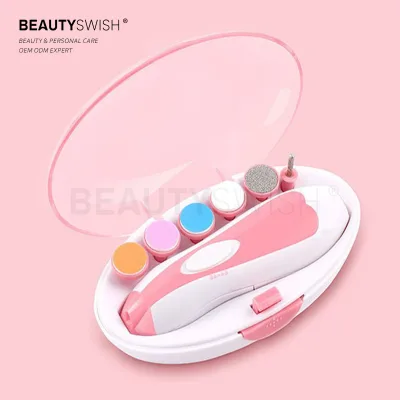

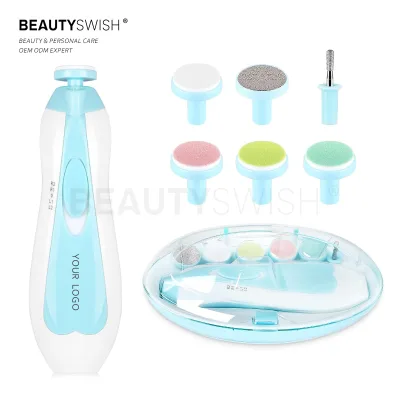
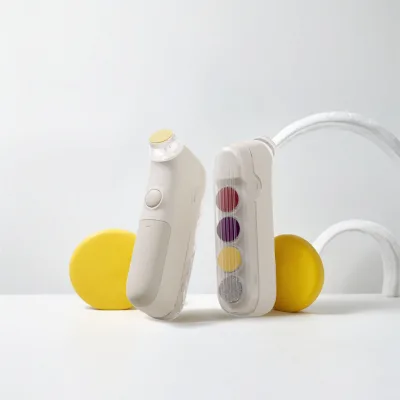
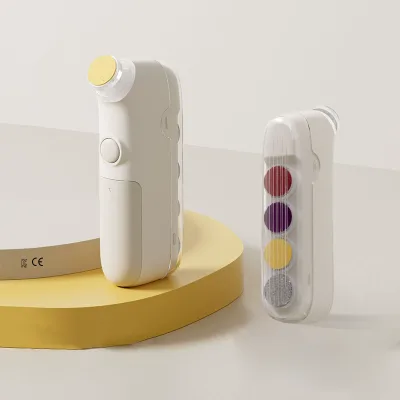
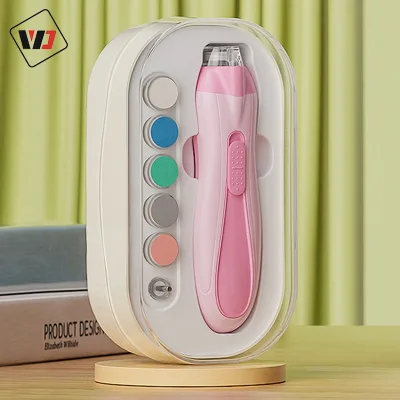
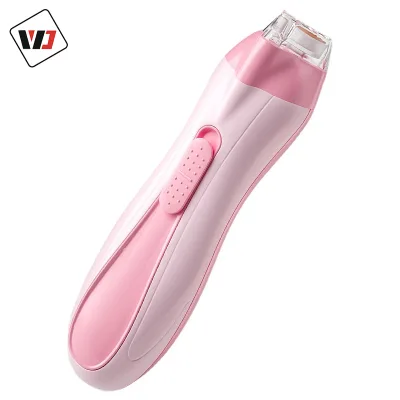
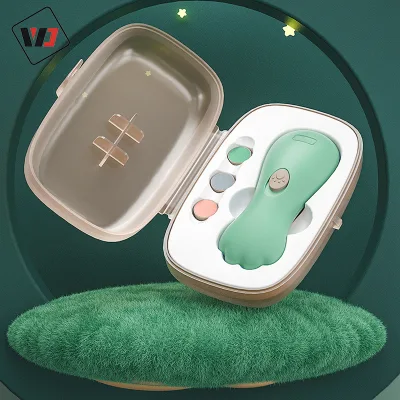
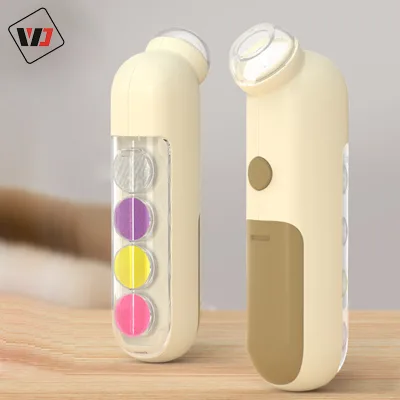
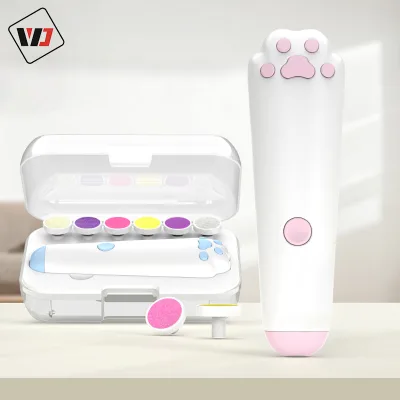
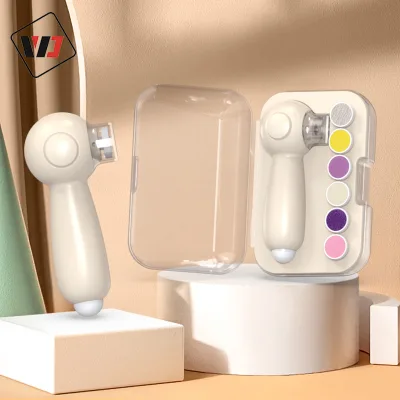



Electric Nail Cutter Set Baby Care Kit Newborn Children Nail Trimmer with Nail File
$2.48 - $2.99
MOQ: 100 Pieces

Comprehensive Sourcing Guide
Low Noise Baby Nail Trimmer Sourcing Guide
Sourcing low noise baby nail trimmers requires balancing acoustic comfort with mechanical precision, as infants are highly sensitive to sudden sounds and vibrations. The primary objective is to select a device that operates quietly enough to allow for safe trimming during sleep or calm states, reducing the risk of accidental injury. Buyers must prioritize models that explicitly advertise low-decibel operation, often achieved through specialized motor designs or brushless technology. This acoustic consideration is not merely a comfort feature but a critical safety mechanism that ensures the caregiver can maintain steady control without startling the child.
Beyond noise levels, the sourcing strategy must account for the diverse range of product configurations available in the market. Listings indicate a variety of power sources, including battery-operated units and electric models, each presenting different maintenance and performance profiles. Procurement teams should evaluate whether the device’s power delivery system supports consistent torque, which is essential for cleanly filing nails without snagging. Understanding the interplay between motor type, battery life, and acoustic output is fundamental to selecting a product that meets both clinical safety standards and user experience expectations in a home environment.
Product Scope and Observed Listing Signals
The current market landscape for baby nail care devices reveals a wide spectrum of product attributes, ranging from manual files to advanced electric trimmers. Observed listings show models with specific dimensions, such as 40 * 25 * 130mm or more compact 818127mm units, indicating that form factor varies significantly based on intended use and portability. Buyers should note that some products are packaged in color boxes for retail appeal, while others use simple polybags, which may signal different target markets or distribution channels. These packaging and dimensional differences often correlate with the internal complexity of the device, influencing both shipping costs and shelf presence.
Material composition and safety certifications are prominent signals in product descriptions, with many items highlighting food-grade silicone and BPA-free, PVC-free, and latex-free attributes. These material claims are crucial for products that come into direct contact with infant skin, as they mitigate the risk of allergic reactions or chemical exposure. Additionally, the presence of multi-color options and specific design features, such as safety guards or multiple grinding heads, suggests a focus on user customization and ease of handling. Procurement teams should verify these material claims through supplier documentation, ensuring that the advertised safety features are substantiated by independent testing rather than mere marketing assertions.
Technical Specifications to Verify
When evaluating technical specifications, the voltage and power consumption of electric models are critical parameters that affect performance and battery longevity. Listings show varying electrical characteristics, such as 0.2A or 0.14A current draw, and specific charging methods like battery models or AA battery compatibility. Buyers must verify whether the device’s power system is designed for consistent speed control, which is vital for preventing nail damage. Inconsistent power delivery can lead to jerky movements or overheating, compromising both safety and user confidence. Therefore, understanding the electrical architecture of the trimmer is essential for ensuring reliable operation over time.
The physical dimensions and weight of the device also play a significant role in usability, particularly for small hands or delicate handling. Observed specifications include weights ranging from 13g to 92g, and sizes such as 15.13.17.8cm or 666616mm. These metrics influence the ergonomics of the tool, affecting how easily a caregiver can maneuver it around a baby’s small fingers and toes. Additionally, features like two-speed settings and multiple grinding heads offer versatility for different nail thicknesses and ages. Procurement teams should assess whether these technical features are integrated seamlessly or if they add unnecessary complexity that could hinder quick, safe use.
Compliance and Safety Documentation
Compliance with international safety standards is non-negotiable for baby care products, given the vulnerability of the target demographic. Buyers must ensure that suppliers provide documentation verifying adherence to relevant regulations, such as EN71 for toy safety or ISO13485 for medical device quality management, if applicable. While some listings mention CE certification, it is crucial to verify the authenticity and scope of these certifications through independent testing labs. Relying solely on supplier declarations without third-party validation can expose buyers to significant liability and reputational risk in regulated markets.
In addition to formal certifications, material safety data sheets and ingredient disclosures are essential for verifying the non-toxic nature of the product components. Claims of being BPA-free, PVC-free, and latex-free must be supported by laboratory test results that confirm the absence of these substances below regulatory thresholds. Buyers should also inquire about the durability of the grinding heads and the safety mechanisms that prevent skin contact with rotating parts. Ensuring that the product design inherently minimizes risk, combined with robust compliance documentation, creates a comprehensive safety profile that protects both the consumer and the brand.
Cost Drivers and Commercial Terms
The cost structure of baby nail trimmers is influenced by several factors, including material quality, motor complexity, and packaging requirements. Observed price ranges vary significantly, reflecting differences in feature sets and brand positioning. Buyers should analyze the cost breakdown to understand how much is attributed to the motor, battery, and safety features versus packaging and logistics. High-quality materials and precise engineering often command a premium, but they can reduce return rates and enhance customer satisfaction. Understanding these cost drivers helps in negotiating favorable terms and selecting products that offer the best value for the target market.
Commercial terms, such as minimum order quantities (MOQ) and customization options, also impact the overall procurement strategy. Listings indicate MOQs ranging from 1 to 1000 units, providing flexibility for both small-scale testers and large-volume buyers. Customization services, including OEM/ODM capabilities and color options, allow brands to differentiate their products in a crowded market. However, these customizations may incur additional costs or longer lead times. Procurement teams should balance the desire for unique product features with the operational efficiency of standard offerings, ensuring that the final product aligns with both brand identity and supply chain capabilities.
Supplier Qualification and Quality Control
Supplier qualification is a critical step in mitigating supply chain risks, particularly for products involving infant safety. Buyers should conduct thorough audits of manufacturing facilities to verify production capabilities, quality control processes, and ethical labor practices. Suppliers with a proven track record in producing baby care products are preferable, as they are likely to have established protocols for handling sensitive materials and ensuring consistent quality. Additionally, verifying the supplier’s ability to provide comprehensive documentation, including test reports and compliance certificates, is essential for maintaining regulatory adherence.
Quality control measures should be integrated into the procurement process, starting from raw material inspection to final product testing. Buyers should implement incoming quality checks to verify that components meet specified standards and conduct random sampling of finished goods to assess performance and durability. Establishing clear acceptance criteria for noise levels, battery life, and material safety ensures that only products meeting the highest standards reach the market. Regular communication with suppliers regarding quality feedback and continuous improvement initiatives helps maintain product integrity and builds a resilient supply chain.
Long-Term Procurement Checks
Long-term procurement success depends on continuous monitoring of product performance and market feedback. Buyers should establish mechanisms for collecting customer reviews and return data to identify potential issues early, such as battery degradation or motor failure. This feedback loop allows for proactive adjustments in product design or supplier selection, ensuring that the product remains competitive and safe over time. Additionally, staying informed about evolving regulatory requirements and industry best practices helps buyers anticipate changes and adapt their sourcing strategies accordingly.
Sustainability and lifecycle management are also becoming increasingly important considerations in procurement. Buyers should evaluate the environmental impact of product materials and packaging, seeking suppliers who prioritize eco-friendly practices. This includes assessing the recyclability of components and the efficiency of packaging materials. By integrating sustainability into the procurement strategy, brands can enhance their reputation and meet the growing consumer demand for responsible products. Regularly reviewing these long-term factors ensures that the sourcing strategy remains aligned with both business objectives and societal expectations.
FAQs
How quiet is a Low Noise Baby Nail Trimmer during use?
Low noise baby nail trimmers are designed with electric grinding heads that run quietly, helping keep babies calm during nail care. Actual noise levels vary by model, so buyers should request specifications and, where possible, sample units to verify sound output before placing bulk orders.
What materials are commonly used in these baby nail trimmers?
Many listed models use food grade silicone combined with PP for parts that touch the baby's skin, and ABS for trimmer bodies. Safe material construction is important for baby products, and several listed items are described as BPA free, PVC free, and latex free.
Which features should buyers look for in an electric baby nail trimmer?
Practical features include multiple grinding heads, adjustable speed settings, and battery operation for portability. Some listed models offer two speeds and six grinding heads, while others use AA batteries with a color box for retail packaging. Confirm these details with each supplier.
Can I customize a Low Noise Baby Nail Trimmer with my own branding?
Yes, customization is available on listed products, and OEM or ODM services are acceptable according to the product information. Buyers can typically discuss color options, packaging such as color boxes or polybags, and branding requirements directly with suppliers before confirming an order.
What is the typical MOQ range for baby nail trimmers?
Listed products show MOQ values ranging from 1 to 1000 pieces, which gives flexibility for both sampling and bulk purchasing. Low minimums suit testing demand with samples, while larger quantities usually unlock better unit pricing, so compare quotes across the observed range.
Where are these low noise baby nail trimmers mainly produced?
The listed products originate mainly from Zhejiang and Guangdong provinces in China, both established regions for baby care and personal care accessories. Sourcing from these areas provides access to many manufacturers, though buyers should verify each supplier independently before ordering.