Source Low Noise Clutch Release Bearing for Trucks, Cars, Tractors
Find 30 listings for Low Noise Clutch Release Bearing suitable for heavy duty trucks, cars, and farm machinery. Buyers can compare specifications, certifications, and customization options across verified suppliers offering new condition parts.
Key considerations
Products List




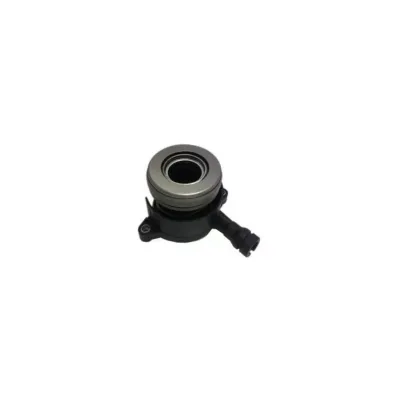


Comprehensive Sourcing Guide
Strategic Sourcing Guide for Low Noise Clutch Release Bearings
Understanding Technical Specifications and Performance Metrics
When sourcing a Low Noise Clutch Release Bearing, the primary objective is to identify components that minimize operational friction and acoustic emissions while maintaining structural integrity under high-load conditions. The technical landscape for these components is defined by a complex interplay of material science, dimensional tolerances, and operational dynamics. Based on available market data, the core material composition for these units frequently includes both standard Steel and Stainless Steel variants. The selection between these materials often depends on the specific environmental conditions of the application, such as exposure to moisture or corrosive agents, though the fundamental requirement remains the reduction of noise during engagement and disengagement cycles.
Dimensional precision is a critical non-negotiable factor. Sourcing guides must emphasize the verification of specific model numbers and inner diameter specifications. For instance, documented product attributes indicate inner diameters such as 60 mm, alongside specific model identifiers like 3151 000 278, 3100 026 432, and 4141249650. These identifiers are not merely cataloging tools; they represent the precise engineering tolerances required to fit specific transmission housings. A mismatch in the inner diameter or the outer race dimensions can lead to premature failure, increased vibration, and the very noise the buyer seeks to eliminate. Furthermore, the classification of the component often falls under "bearing," "bearing-1," or "various release bearing," suggesting a need for buyers to verify the exact mechanical configuration against their vehicle's transmission system.
The working mode and state of the clutch system also dictate the bearing requirements. In heavy-duty applications, the working mode is often described as "Power Combining" with a "Linkage" working state. The stroke characteristics are equally vital, with observed specifications ranging from 2 Stroke to 4 Stroke configurations. A buyer must ensure that the selected bearing's stroke capacity aligns perfectly with the clutch pedal travel and hydraulic or mechanical actuation system of the target vehicle. Failure to match these parameters can result in incomplete clutch disengagement or excessive wear, directly impacting the noise profile and overall drivability.
Compliance, Certification, and Standard Verification
Navigating the regulatory landscape is essential for B2B procurement, particularly when dealing with automotive components that must meet rigorous safety and quality benchmarks. The supply chain for clutch release bearings is characterized by a diverse array of certifications and standards that validate the manufacturer's adherence to quality management systems and product safety.
The most frequently observed certifications in the market include ISO/TS16949, CE, RoHS, and E-Mark. The presence of ISO/TS16949 is particularly significant as it is the specific quality management standard for the automotive industry, indicating that the supplier has processes in place to ensure consistent product quality and continuous improvement. Additionally, CE and E-Mark certifications suggest compliance with European safety and environmental standards, which is crucial for exporters targeting markets in Europe and regions that adopt similar regulations. RoHS compliance further ensures that the product does not contain restricted hazardous substances, a requirement for modern environmental regulations.
Standards play a dual role in this context, serving as both design blueprints and quality benchmarks. The market data reveals a wide spectrum of standards, including international standards such as BS, ANSI, JIS, GB, GOST, ASTM, and DIN. These acronyms represent the specific national or international bodies that define the technical requirements for the bearing. For example, a bearing designed to meet DIN standards may have different tolerance limits compared to one meeting JIS standards. Buyers must verify which standard applies to their specific application, as a component meeting a generic standard may not perform adequately in a high-stress environment defined by a more stringent standard.
It is also important to note that some product listings reference specific standard codes like KZISZ-3, KZISZ-5, and 3182998501. These appear to be proprietary or region-specific standard identifiers that may relate to the manufacturing process or specific performance criteria. When evaluating a supplier, procurement teams should request documentation proving that the product meets the exact standard cited in the listing. Relying solely on the label without verifying the underlying test data or certification documents can lead to procurement of non-compliant goods. The "By The Customer Needs" standard mentioned in some listings indicates a high degree of customization, but this requires clear communication of the specific standard requirements to the supplier to avoid ambiguity.
Cost Drivers and Pricing Dynamics
The pricing structure for low noise clutch release bearings is influenced by a multitude of factors, ranging from raw material costs to logistical complexities. The observed price range in the market spans from $0.10 to $85.00 USD. This wide variance is not indicative of quality differences alone but reflects the diversity in product specifications, order volumes, and supply chain configurations.
Material composition is a primary cost driver. Bearings manufactured from Stainless Steel generally command a higher price point than those made from standard Steel due to the increased cost of the raw material and the more complex processing required to achieve the desired corrosion resistance and durability. Additionally, the level of customization significantly impacts cost. Products listed as "Customized" or "Customized" often involve additional tooling, design engineering, and smaller production runs, all of which contribute to a higher unit price compared to standard off-the-shelf items.
Packaging and shipping methods also play a substantial role in the final cost. The market shows a variety of packaging options, including "Ocean Freight," "Carton," "Pallet," "OEM," and "Neutral Packaging or Customization." OEM packaging, which involves branding and specific labeling for the original equipment manufacturer, typically incurs higher costs due to the customization of the packaging materials and the logistics of handling branded goods. Conversely, neutral packaging is often more cost-effective for bulk orders where branding is not a priority. The choice between "Ocean Freight" and other shipping methods affects the lead time and the overall landed cost, particularly for large volume orders where shipping weight and volume are significant factors.
The Minimum Order Quantity (MOQ) is another critical variable affecting the unit cost. The observed MOQ range extends from 1 unit to 10,000,000 units. Buyers purchasing small quantities, often for repair or replacement purposes, will face a higher per-unit cost due to the lack of economies of scale. In contrast, buyers sourcing for large-scale production or fleet replacement can leverage high-volume orders to negotiate significantly lower prices. The "Selling Units" attribute, which is often listed as "Single item," suggests that some suppliers cater to the repair market with low MOQs, while others focus on industrial-scale distribution.
Typical Applications and Usage Scenarios
Low noise clutch release bearings are integral components in a wide array of vehicular and machinery applications. The market data indicates that these components are primarily designed for "Heavy Duty Trucks," but their utility extends to "Car," "Farm Machinery," "Tractors," and "Racing Cars." The versatility of these bearings allows them to be used in systems requiring high torque transmission and precise control.
For heavy-duty trucks, the bearing must withstand extreme loads and continuous operation. The "Usage" attribute explicitly mentions "Heavy Duty Trucks" and "Supply for: Heavy Trucks," highlighting the critical nature of these components in commercial transport. In these applications, the bearing is often part of a friction clutch system, where the "Classification" is noted as "Friction Clutch." The ability to operate in a "Power Combining" mode with a "Linkage" working state is essential for the smooth engagement and disengagement of the clutch in these high-performance vehicles.
In the agricultural sector, farm machinery and tractors present unique challenges. These machines often operate in dusty, dirty, and high-vibration environments. The "Purpose" of the bearing in these contexts is often "for replace/repair" or "for Repair," indicating that these components are frequently replaced as part of routine maintenance or after a failure. The "Condition" of the product is typically listed as "New," ensuring that the replacement part meets the original performance specifications. The "Brand Name" of the supplier, such as "hbholu" or "Dalishen," may also influence the buyer's decision, as established brands often have a reputation for reliability in these demanding applications.
Racing cars represent the high-performance end of the spectrum, where the bearing must handle extreme speeds and rapid engagement cycles. The "Stroke" and "Working State" of the bearing are critical in these applications, as any delay or noise can affect the vehicle's performance and driver experience. The "Purpose" here is often to enhance performance and reliability, making the selection of a high-quality, low-noise bearing a priority.
Supplier Evaluation and Origin Verification
Evaluating suppliers for low noise clutch release bearings requires a thorough assessment of their capabilities, location, and track record. The "Place of Origin" is a key factor, with "China" being the primary source of these components. Specific regions within China, such as "Hebei," are noted as production hubs, suggesting a concentration of manufacturing expertise in this area. Buyers should verify the specific location of the supplier to ensure they are dealing with a legitimate manufacturer rather than a trading company that may add unnecessary layers to the supply chain.
The "Brand Name" of the supplier, such as "hbholu" or "Dalishen," can serve as an indicator of the supplier's market presence and reputation. However, buyers should not rely solely on brand names but should also investigate the supplier's history, production capacity, and quality control processes. The "Customization" attribute, listed as "Available" or "Customized," indicates that the supplier is capable of meeting specific requirements, which is a valuable trait for buyers with unique needs.
Lead time is another critical factor in supplier evaluation. The observed "Lead Time" for these products is typically around 15 Days. This timeline can vary based on the order volume, customization requirements, and the supplier's current production schedule. Buyers should confirm the lead time with the supplier to ensure it aligns with their procurement schedule and production needs. A longer lead time may indicate a backlog or a more complex manufacturing process, while a shorter lead time might suggest a high-volume, standardized production line.
The "Quality Level" of the product is also a key consideration. Listings often describe the quality as "High," but buyers should request evidence of this claim, such as quality control reports or test results. The "Condition" of the product, listed as "New," is a basic requirement, but buyers should also verify that the product has not been subjected to any damage during storage or shipping.
Quality Control and Long-Term Procurement Considerations
Ensuring the long-term reliability of low noise clutch release bearings requires a robust quality control strategy. The "Certification" of the product, including ISO/TS16949, CE, RoHS, and E-Mark, provides a baseline for quality assurance. However, buyers should go beyond these certifications and implement their own quality control measures. This may include requesting samples for testing, conducting on-site audits of the supplier's facilities, and establishing clear acceptance criteria for the products.
The "Standard" of the product, whether it is a national standard like GB or an international standard like DIN, should be clearly defined and agreed upon before the order is placed. This ensures that the product meets the specific requirements of the application and reduces the risk of non-compliance. The "prod_standard" attribute, which may include codes like KZISZ-3 or KZISZ-5, should be verified to ensure it aligns with the buyer's technical specifications.
Long-term procurement considerations also include the availability of spare parts and the supplier's ability to provide consistent quality over time. Buyers should establish a relationship with the supplier that includes regular communication, feedback loops, and a commitment to continuous improvement. The "Purpose" of the product, often "for replace/repair," suggests that the bearing is a consumable item that will need to be replaced periodically. Ensuring a steady supply of high-quality bearings is essential for maintaining the operational efficiency of the fleet or machinery.
Finally, the "prod_packing" attribute, which includes options like "Carton," "Pallet," and "OEM," should be considered in the context of logistics and storage. Proper packaging is essential to prevent damage during transit and storage, ensuring that the bearings arrive in "New" condition and are ready for immediate installation. By addressing these quality control and long-term procurement considerations, buyers can secure a reliable supply of low noise clutch release bearings that meet their technical and operational requirements.
FAQs
What certifications do low noise clutch release bearings typically have?
These bearings often carry ISO/TS16949, CE, RoHS, and E-Mark certifications. Such credentials validate adherence to automotive quality management systems and environmental safety standards required for global export.
Which materials are used for manufacturing these bearings?
Manufacturers frequently use standard Steel or Stainless Steel variants. The choice depends on specific environmental conditions, with stainless steel offering enhanced corrosion resistance for demanding applications.
Can these bearings be customized for specific vehicle needs?
Yes, customization is available for many models to meet customer requirements. Buyers can specify unique dimensions or standards like KZISZ-5 to ensure precise fitment in heavy-duty trucks or racing cars.
How long is the typical lead time for these products?
The standard lead time is approximately 15 days for most orders. This duration may vary based on order volume, customization level, and current production capacity at the manufacturing facility.
What is the minimum order quantity for purchasing these bearings?
Minimum order quantities range from 1 unit to 10,000,000 units depending on the supplier. Small repair orders can start at single items, while bulk industrial purchases often require higher volumes.
Where are these bearings typically manufactured and shipped from?
Most products originate from China, with specific hubs in Hebei. Shipping methods include ocean freight, cartons, or pallets, often utilizing neutral or OEM packaging based on buyer preference.