Source Low Smoke Emission Charcoal Sticks for BBQ, Parties, and Camping
Compare 17 listings for Low Smoke Emission Charcoal Sticks suitable for BBQ, parties, and outdoor events. Options include bamboo and sawdust materials with burning times of 3-6 hours and low ash content; compare the available evidence and request quotations based on your requirements.
Key considerations
Products List


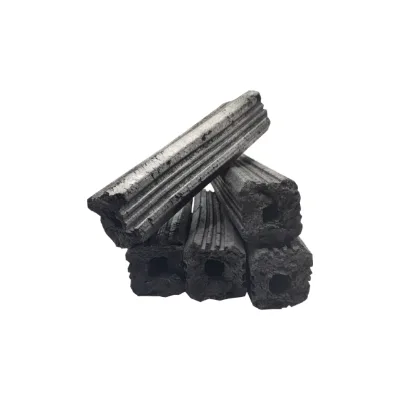
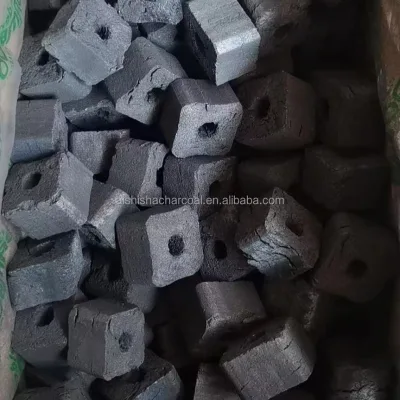
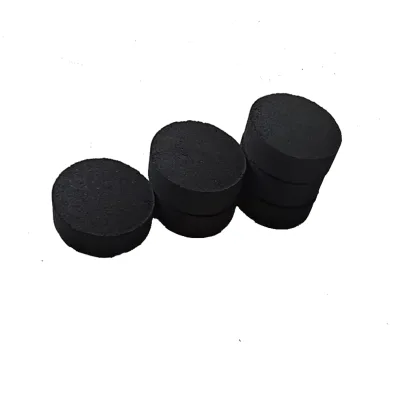
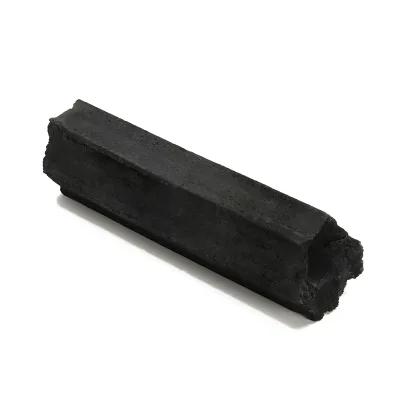
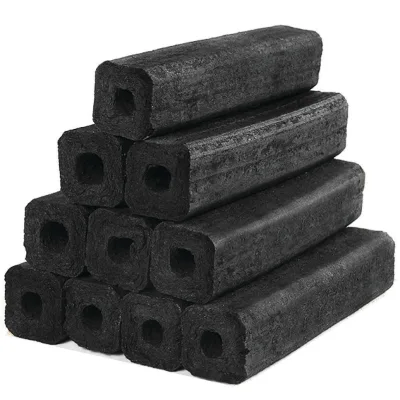
High Quality Outdoor Sawdust Charcoal Sticks Barbecue Charcoal Bamboo Charcoal
$719.32 - $770.70
MOQ: 1 tons
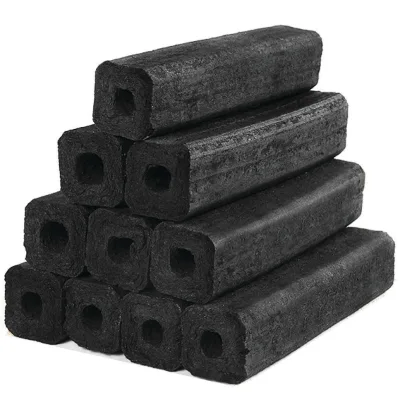
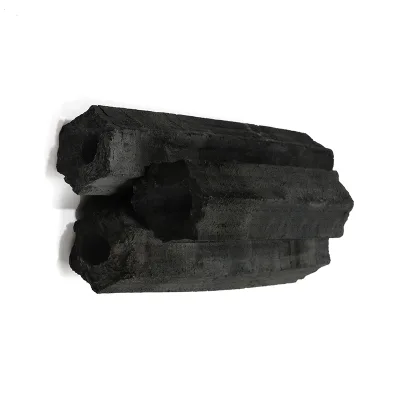


Comprehensive Sourcing Guide
Low Smoke Emission Charcoal Sticks Sourcing Guide
Procuring Low Smoke Emission Charcoal Sticks requires distinguishing between machine-made bamboo variants and sawdust-based alternatives, as material composition directly dictates combustion behavior. The observed market data indicates that bamboo charcoal products often feature fixed carbon levels between 80-90% and moisture content below 5%, which are critical for achieving the desired low-smoke profile. Buyers must verify that the specific listing claims "Smokeless tasteless" features or "Low Harmful Gas Emission" attributes, as these are not universal across all charcoal stick categories.
When evaluating listings, procurement teams should scrutinize the stated burning time and heat value to ensure operational efficiency matches the intended application. Data shows burning times ranging from 4 to 6 hours with heat values between 6500 and 7500 Kcal/Kg, but these figures vary significantly by model and raw material source. It is essential to confirm whether the product is labeled as "Machine-Made Charcoal" or "Long Shape Sawdust Charcoal," as the manufacturing process influences the density and consistency of the smoke emission during use.
Product Scope and Observed Listing Signals
The product scope for Low Smoke Emission Charcoal Sticks encompasses various shapes, including lump, stick, hexagonal, and square configurations, each serving different grilling needs. Listings frequently specify models such as BCB-Stick-shaped or BCB-Hexagonal Stick, indicating that geometry is a primary differentiator for airflow and burn rate. Buyers should note that while some products are described as "Machined bamboo charcoal," others utilize sawdust as the raw material, necessitating a clear distinction in the procurement specification to avoid receiving the wrong product type.
Observed listing signals reveal a wide variance in packaging and unit sizes, ranging from single items to jumbo bags and 10kg cartons with plastic liners. The presence of specific dimensions, such as 3.5438cm, suggests that physical size is a key selection criterion for commercial grills or specific outdoor setups. Procurement teams must verify if the "Selling Units" are single items or bulk packs, as this impacts logistics planning and inventory management for large-scale events or restaurant supply chains.
Technical Specifications to Verify
Technical verification must begin with the ash content, which is a primary indicator of combustion purity and smoke generation. The observed data presents conflicting ash percentages, ranging from less than 5% to 10%, requiring buyers to demand specific test reports for the batch they intend to purchase. A lower ash content, ideally under 5%, correlates with cleaner burning and reduced residue, which is essential for maintaining the "low smoke emission" promise. Buyers should explicitly request the ash percentage for the specific model number, such as DQ-BBQ01, to ensure it meets their quality threshold.
Burning time and temperature resistance are equally critical parameters that define the product's performance reliability. Listings indicate burning times between 3 and 6 hours, with some products rated for temperatures up to 700℃. Procurement teams must confirm that the stated burning time aligns with the expected duration of their grilling sessions, as shorter burn times may necessitate frequent refueling. Additionally, verifying the volatile matter percentage, which is listed as less than 6% in some specifications, helps ensure that the charcoal ignites cleanly without producing excessive initial smoke.
Compliance and Safety Documentation
Safety documentation for charcoal sticks should focus on chemical residue and gas emission profiles to ensure consumer health protection. The supplied facts mention "Very Low" chemical residues and "Low Harmful Gas Emission," but these are qualitative claims that require quantitative backing from independent laboratory tests. Buyers should request certificates confirming that the product does not release toxic fumes during the initial ignition phase, which is often the period of highest smoke emission. Without specific test data, these claims remain unverified observations rather than guaranteed safety standards.
Environmental performance is another area where documentation is often vague, yet crucial for modern procurement standards. While some listings claim "High" environmental performance, this label lacks a defined metric without reference to specific sustainability certifications or carbon footprint assessments. Procurement teams should inquire about the raw material sourcing, particularly for bamboo or sawdust, to ensure the supply chain does not contribute to deforestation or excessive waste. Verifying the origin, such as Hebei or Henan in China, can also help in tracing the environmental impact of the manufacturing process.
Cost Drivers and Commercial Terms
Cost drivers for Low Smoke Emission Charcoal Sticks are heavily influenced by the raw material type and the complexity of the manufacturing process. Bamboo charcoal, which often commands a higher price point due to its density and low ash content, may cost significantly more than sawdust-based alternatives. The observed price range of 0.54 to 770.7 USD suggests a vast difference between small sample units and bulk industrial orders, making it vital to clarify the unit of measurement before negotiating. Buyers must understand that "Machine-Made" products often carry a premium over hand-formed options due to the consistency and quality control they offer.
Commercial terms, including Minimum Order Quantity (MOQ) and packaging requirements, vary widely across the market. The data shows MOQs ranging from a single item to 1*20FT container loads, indicating that suppliers cater to both small retailers and large distributors. Packaging details, such as 10kg per box or jumbo bags, directly affect shipping costs and storage efficiency. Procurement teams should negotiate based on the total landed cost, considering that different packing methods like paper cartons versus plastic-lined boxes may incur different freight charges and handling fees.
Supplier Qualification and Quality Control
Supplier qualification should prioritize manufacturers who can consistently deliver on the specific technical attributes observed in the product listings. Since the market contains products with varying ash and moisture levels, buyers must assess the supplier's ability to maintain strict quality control during the production of machine-made charcoal. It is advisable to request a sample batch of 1-2KG to verify the "Smokeless tasteless" claim and the actual burning time before committing to a larger order. This step ensures that the supplier's production line can replicate the high-performance characteristics seen in the initial product descriptions.
Quality control protocols must extend beyond the final product to include raw material inspection and process monitoring. Suppliers sourcing sawdust or bamboo should demonstrate a clear understanding of how raw material quality impacts the final charcoal's density and smoke emission. Buyers should verify if the supplier conducts regular checks on fixed carbon percentages and volatile matter to prevent batch-to-batch variability. Establishing a clear communication channel for reporting deviations in ash content or burning time is essential for maintaining the integrity of the low smoke emission product line.
Long-Term Procurement Checks
Long-term procurement checks should focus on the consistency of product performance over multiple orders and changing market conditions. Buyers need to monitor whether the supplier maintains the specified burning time and heat value as production scales up, as volume increases can sometimes lead to quality drift. Regular re-testing of ash content and moisture levels is necessary to ensure that the "Low Smoke Emission" attribute remains stable over time. This proactive approach helps prevent supply chain disruptions caused by substandard batches that fail to meet the original performance expectations.
Supply chain resilience is another critical factor for long-term success, particularly given the geographic concentration of suppliers in regions like Hebei and Henan. Buyers should assess the supplier's ability to manage lead times and port dispatch options, such as Tianjin or Qingdao, to mitigate potential logistical delays. Developing a relationship with a supplier who offers flexible customization and reliable packaging solutions will ensure that the procurement of Low Smoke Emission Charcoal Sticks remains efficient and cost-effective. Continuous evaluation of the supplier's adaptability to market demands is key to sustaining a successful sourcing strategy.
FAQs
What is the burning time for Low Smoke Emission Charcoal Sticks?
The burning time typically ranges from 4 to 6 hours depending on the specific model. Stick-shaped and hexagonal varieties generally sustain heat for 4-5 hours, while some machined bamboo options last up to 6 hours. This duration ensures consistent grilling performance for extended BBQ sessions without frequent refueling.
Can Low Smoke Emission Charcoal Sticks be customized for specific shapes?
Yes, customization is available for various shapes including sticks, hexagonal forms, and lumps. Buyers can select from machine-made bamboo charcoal or hard wood sawdust options. These variations allow for tailored heat distribution and aesthetic preferences, ensuring the product meets specific commercial or industrial grilling requirements effectively.
What is the fixed carbon content in these charcoal sticks?
The fixed carbon content generally falls between 80% and 90%. This high carbon concentration contributes to a heat value of 6500-7000 Kcal/Kg. It ensures efficient combustion with low ash residue, typically under 8%, making it suitable for clean and high-temperature cooking applications in professional and home settings.
How is the packaging handled for bulk orders of charcoal sticks?
Packaging options include bags, jumbo bags, and paper cartons with plastic liners. Standard weights often range from 3 to 50kg per unit. Some suppliers offer 10kg per box configurations. This flexible packaging ensures product protection during transit and facilitates easy storage and handling for both small and large commercial buyers.
Where are Low Smoke Emission Charcoal Sticks typically manufactured?
These products are primarily manufactured in China, with specific origins in Hebei and Henan provinces. The materials used include bamboo and hard wood sawdust. This regional production supports a robust supply chain, allowing for efficient export via ports like Tianjin or Qingdao to meet global demand for barbecue and industrial charcoal.
What is the minimum order quantity for these charcoal sticks?
The minimum order quantity varies, starting from single items up to 26,000 units. Some suppliers require a minimum of one 20-foot container for bulk shipments. This flexibility accommodates both small-scale testers and large industrial buyers, ensuring accessible procurement options regardless of the order size or specific business requirements.