Source Low Smoke Coconut Wax for Candle Making, Cosmetic Formulation, and Packaging Coatings
Compare 30 verified listings for Low Smoke Coconut Wax suitable for candle making, cosmetic formulation, and industrial lubrication. Buyers can review melting points, grades, and packaging options from suppliers in China and Liaoning to find the right material for their needs.
Key considerations
Products List


Coconut Wax for Candle Making / Coconut Wax Manufacturers / Soy Coconut Wax
$250.00 - $1000.00
MOQ: 1000 kg



Comprehensive Sourcing Guide
Strategic Sourcing Guide for Low Smoke Coconut Wax Procurement
Navigating the global market for Low Smoke Coconut Wax requires a disciplined approach that distinguishes between marketing terminology and verifiable technical attributes. For procurement professionals in the candle, cosmetic, and industrial sectors, the primary objective is to secure a raw material that delivers consistent burn performance while adhering to strict safety and environmental standards. The following guide synthesizes available product data and industry best practices to establish a robust framework for sourcing, evaluating, and contracting with suppliers of coconut wax variants.
Technical Specifications and Physical Properties
The foundation of any successful procurement strategy lies in a precise understanding of the material's physical and chemical characteristics. In the context of coconut wax, the "low smoke" attribute is intrinsically linked to the purity of the wax and the specific melting profile. Based on observed product data, buyers should prioritize suppliers who can confirm a melting point within the range of 30-42°C. This specific thermal window is critical for candle formulation, ensuring the wax remains stable during transport and storage while melting efficiently during use. A melting point significantly higher than this range may indicate impurities or the presence of other waxes, which could compromise the low smoke characteristic.
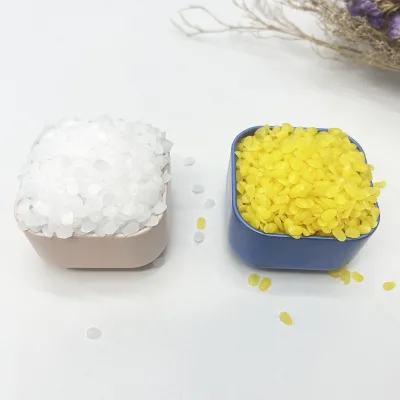
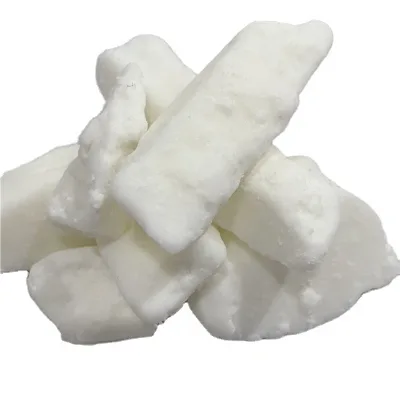
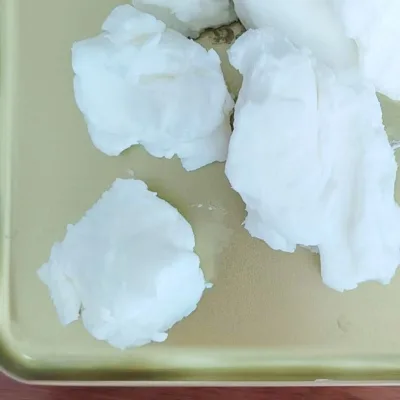
Furthermore, the physical form of the wax is a key identifier. The market data indicates that coconut wax is frequently supplied in a solid form, often described as having a "Beeswax Grain" appearance or a crystalline index described as "Crystal." This granular or crystalline structure is typical for high-quality coconut wax blends and suggests a specific cooling rate during manufacturing that affects the final texture. Transparency is another vital metric; the observed products are noted as "Translucent" rather than fully opaque or clear. This visual characteristic helps buyers verify the wax type upon receipt without immediate laboratory testing.
The ingredient composition must also be scrutinized. While the core material is identified as "Coconut Wax," some listings reference "High-Molecular Polymer" as an ingredient. In a B2B context, this phrasing requires careful interpretation. It may refer to the natural fatty acid chains found in coconut oil or indicate a specific processing additive. Buyers must verify if the product is 100% coconut-derived or a blend. The presence of "Soybean Wax" or "Soy Wax" in the same listing context suggests that suppliers often offer blends. For a strict "Low Smoke Coconut Wax" requirement, the buyer must explicitly confirm the percentage of coconut content versus soy or other fillers, as blends can alter the smoke emission profile.
Compliance, Certification, and Quality Standards
In the B2B procurement landscape, compliance is not merely a formality but a risk mitigation strategy. The supply chain for coconut wax is subject to various international standards, and verified documentation is essential for maintaining product integrity. The observed data highlights the presence of ISO9001 certification as a high-confidence attribute for certain suppliers. This certification indicates that the manufacturer has a documented quality management system in place, which is a strong indicator of process consistency. However, buyers should not assume that all listed products carry this certification; it must be verified on a per-supplier basis.
Environmental protection is another critical compliance dimension. The product attributes explicitly mention "Environmental Protection: Yes," suggesting that the sourcing process and the final product align with eco-friendly standards. For buyers targeting the "low smoke" market, this is a dual benefit: reduced particulate matter during burning and a sustainable supply chain. Buyers should request specific environmental compliance documents, such as Material Safety Data Sheets (MSDS) or environmental impact assessments, to validate these claims.
The chemical purity of the wax is often quantified by specific standards. Observed data points to a purity standard of "99%" for certain models. This numerical threshold is a significant benchmark for industrial and cosmetic applications. A purity level below this threshold could introduce impurities that increase smoke generation or alter the scent throw. Additionally, the acid value is a crucial chemical indicator, with observed data showing a value of less than 0.1. A low acid value indicates a high degree of refinement and freshness, reducing the likelihood of rancidity and ensuring a cleaner burn. Buyers must insist on batch-specific test reports that confirm these acid values and purity percentages before finalizing large orders.
Cost Drivers and Pricing Dynamics
Understanding the cost structure of coconut wax is essential for budgeting and negotiation. The observed price range in the market spans from 1 to 2200 USD, a variance that reflects differences in packaging, volume, grade, and supplier location. This wide range is not indicative of a single product but rather a spectrum of offerings, from small sample quantities to bulk industrial shipments. The primary cost drivers include the grade of the wax, with options ranging from "Industrial Grade" to "Cosmetic Grade." Cosmetic grade wax typically commands a higher price due to stricter purity requirements and more rigorous processing to ensure safety for skin contact applications.
Packaging plays a significant role in the final cost. The data shows packaging options ranging from simple "Bags" to "Boxes," "Cartons," and "Drums," with specific weights like "25kg" being a common standard. Bulk packaging, such as 25kg bags or drums, generally offers a lower unit cost compared to smaller retail-style boxes. However, the logistics of handling bulk packaging must be factored into the total cost of ownership. Suppliers offering "Customization" for packaging can help optimize shipping costs, but this may incur additional setup fees.
Minimum Order Quantity (MOQ) is another major factor influencing unit pricing. The observed MOQ range extends from 0 to 20,000 units. A zero MOQ typically applies to sample requests, which are often provided as "Free Sample" or "Available" for evaluation. For commercial production, MOQs can be substantial, reaching up to 20,000 units. Buyers should negotiate MOQs based on their production capacity and storage limitations. High-volume buyers may leverage their purchasing power to secure lower unit prices, while smaller buyers may need to accept higher per-unit costs or join buying consortia to meet lower thresholds.
Typical Applications and Usage Scenarios
The versatility of coconut wax makes it suitable for a diverse array of applications, each with unique performance requirements. The primary use case identified is "Candle Making," where the low smoke characteristic is paramount. The observed burning time for these products exceeds 48 hours for certain configurations, while others are rated at 8 hours. This variation depends on the candle size, wick type, and wax blend. For professional candle manufacturers, the "Cotton Wick" compatibility is a standard requirement that must be matched with the wax's melting point to ensure optimal wicking and smoke reduction.
Beyond candles, the data indicates significant utility in "Soap Making," "Cosmetic Formulation," and "Packaging Coatings." In the cosmetic sector, the "Cosmetic Grade" designation is critical, as the wax must be non-irritating and stable. The "Vanilla" and "Citrus" scent profiles observed in the product listings suggest that the wax may be pre-scented or compatible with specific fragrance oils. However, buyers must verify if the scent is inherent to the wax or an added attribute, as this affects the formulation process.
Industrial applications are also prominent, with "Industrial Lubrication" and "Food Processing" listed as usage areas. In these contexts, the "High-Molecular Polymer" aspect and the 99% purity standard become even more relevant. The wax must withstand specific chemical and thermal stresses without degrading. Additionally, the "Rehabilitation" function noted in the data suggests potential niche applications in therapeutic products, though this requires specific validation. The "Party, Birthday, SPA, Holiday" usage tags highlight the wax's role in consumer-facing events, where aesthetic appeal and clean burning are essential for customer satisfaction.
Supplier Evaluation and Verification Protocols
Selecting the right supplier is a critical step that goes beyond price comparison. The observed data reveals that suppliers are located in "China" and specifically in "Liaoning," a region known for its manufacturing capabilities. While this provides a geographic baseline, buyers must conduct thorough due diligence. The availability of "Samples" and "Free Samples" is a positive indicator of supplier confidence, allowing buyers to test the "Low Smoke" claim firsthand before committing to bulk orders.
When evaluating suppliers, buyers should verify the consistency of their product models. The data lists various models such as "1209," "LQY1927," and "SW-Coconut wax." Each model may have distinct specifications regarding melting point, purity, and packaging. A reliable supplier will provide clear documentation linking specific model numbers to their technical data sheets. Buyers should also check the "Delivery Time," which is observed to be 3-5 days for certain items. This lead time is relatively short, suggesting efficient logistics, but buyers must confirm if this applies to domestic or international shipping and if it includes customs clearance.
The "Standard" attribute in the data varies, with some entries listing dimensions like "120cm * 120cm * 200cm" and others listing weight standards like "25KG." This inconsistency highlights the need for buyers to clarify exactly what standard is being referenced. Is it a packaging standard, a product dimension standard, or a purity standard? Clear communication with the supplier is necessary to ensure that the "Standard" agreed upon matches the buyer's operational requirements.
Quality Control and Long-Term Procurement Considerations
Implementing a robust quality control (QC) process is essential for maintaining the integrity of the Low Smoke Coconut Wax supply chain. Buyers should establish a protocol for incoming inspection that includes verifying the "Melting Point," "Acid Value," and "Transparency" against the agreed specifications. The observed melting point range of 30-42°C and acid value of <0.1 should serve as the baseline for acceptance criteria. Any deviation from these values could indicate contamination or degradation, leading to increased smoke production during use.
Long-term procurement considerations involve building a resilient supply chain. The "Customization" attribute suggests that suppliers are willing to adapt packaging and product specifications to meet buyer needs. This flexibility is valuable for scaling operations or entering new markets. However, buyers should also consider the "Environmental Protection" aspect as a long-term asset. As regulations on emissions and sustainability tighten, sourcing wax with verified eco-friendly attributes will future-proof the supply chain.
Finally, the "Usage" diversity of the wax offers opportunities for product diversification. By securing a reliable source of high-purity coconut wax, buyers can expand into new product lines, such as specialized candles for the SPA market or cosmetic formulations. The ability to source "Free Samples" allows for continuous R&D and testing of new applications without significant financial risk. Ultimately, a strategic approach to sourcing Low Smoke Coconut Wax involves balancing technical precision, compliance verification, and supplier relationship management to ensure consistent quality and performance.
FAQs
What is the melting point of Low Smoke Coconut Wax?
The melting point ranges from 30 to 42 degrees Celsius. This specific thermal window ensures stability during transport while allowing efficient melting for candle formulation without producing excess smoke.
Can I get free samples of this wax for testing?
Yes, free samples are available for evaluation. Buyers can request these to verify the low smoke characteristics and physical properties before committing to bulk orders with suppliers.
Which certifications do suppliers typically hold for this product?
Suppliers often hold ISO9001 certification for quality management. This document confirms a consistent manufacturing process, which is essential for maintaining the purity and low smoke performance required by buyers.
How long does delivery usually take for these orders?
Delivery time is typically 3 to 5 days for available stock. This lead time applies to standard shipments, though international logistics and customs clearance may extend the total arrival window.
What packaging options are available for bulk orders?
Packaging includes 25kg bags, cartons, or drums depending on demand. Buyers can also request custom packaging to optimize shipping costs, with options ranging from simple bags to protective boxes.
What is the minimum order quantity for commercial purchase?
Minimum order quantities range from zero for samples up to 20,000 units for bulk. Buyers should negotiate based on their production capacity, as higher volumes often secure better unit pricing.
Where are the primary manufacturing locations for this wax?
Products originate from China, with specific manufacturing hubs in Liaoning. This geographic concentration allows for efficient logistics but requires verification of export capabilities for international buyers.