Source LSZH Cat5e Ethernet Cable for Industrial, Home, and LAN Use
Find and compare 21 listings for LSZH Cat5e Ethernet Cable options suitable for industrial, home appliance, and local communication networks. Evaluate specifications such as AWG size, shielding types like UTP or SFTP, and certifications including RoHS and CE to select the right network cable for your project.
Key considerations
Products List


China LAN Cable Cat5e with Good Quality for Computer with CE RoHS Approved
$0.04 - $1.00
MOQ: 30000 Meters


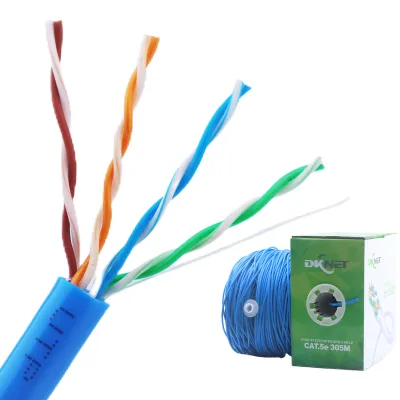
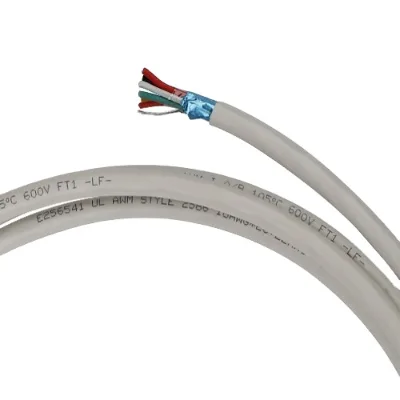
Comprehensive Sourcing Guide
LSZH Cat5e Ethernet Cable Sourcing Guide
Procuring Low Smoke Zero Halogen (LSZH) Cat5e Ethernet cables requires a precise understanding of the specific material constraints and performance standards that distinguish them from standard PVC-jacketed alternatives. While the supplied product data indicates a broad range of available configurations including PVC, PE, and LSZH jackets, buyers must explicitly filter for LSZH specifications to ensure compliance with fire safety regulations in public and enclosed spaces. The core keyword "LSZH Cat5e Ethernet Cable" represents a specialized subset of the general LAN cable market, where the insulation and jacket materials are engineered to minimize toxic fume emission during combustion, a critical factor for industrial, commercial, and residential infrastructure projects.
The sourcing landscape for this category reveals a diverse array of conductor materials and construction types, ranging from bare copper to CCA (Copper Clad Aluminum) and TC (Tinned Copper), which directly impacts the cable's electrical resistance and longevity. Buyers should note that while many listings offer customization for conductor type and jacket material, the specific LSZH requirement often necessitates a dedicated verification step to confirm that the "Jacket" attribute listed as PVC/PE/LSZH actually meets the low smoke and zero halogen criteria for the intended application. This distinction is vital because standard PVC jackets, which are common in the observed product range, do not provide the same fire safety profile as LSZH compounds, and confusing the two can lead to significant compliance failures during facility inspections.
Product Scope and Observed Listing Signals
The observed product listings for Cat5e and related categories demonstrate a wide variance in application scope, covering everything from local communication and computer networking to industrial, electronic, and home appliance uses. When searching for LSZH Cat5e specifically, buyers must navigate through listings that may broadly claim "LAN Cable" or "Computer Cable" without explicitly detailing the jacket composition, as the "Jacket" attribute in the data includes PVC, PE, and LSZH as options. It is essential to scrutinize the "Application" field to ensure the cable is intended for the specific environment, such as industrial or home appliance settings, where fire safety codes often mandate the use of low smoke and zero halogen materials to protect personnel and equipment.
Listing signals regarding packaging and model numbers provide additional context for the product's intended market and customization potential. The data shows that products are often packed in boxes or according to customer requirements, with model numbers ranging from generic "cat5e" to specific identifiers like "CAT5E UTP" or "Computer Cable-00000002." Buyers should verify that the "prod_model" and "prod_standard" fields align with the specific LSZH requirement, as some listings may default to standard PVC standards unless a custom request is made. The presence of "Customization: Available" suggests that buyers can request specific LSZH formulations, but this must be explicitly confirmed in the purchase order to avoid receiving standard PVC variants that do not meet safety standards.
Technical Specifications to Verify
Verifying the conductor material and construction is the first critical step in ensuring the cable meets performance expectations for Cat5e applications. The supplied facts indicate that conductor materials can vary significantly, including Bare Copper (BC), Copper Clad Aluminum (CCA), Tinned Copper (TC), and Copper (CU), with conductor types listed as both stranded and solid. For high-performance LSZH Cat5e cables, solid bare copper is generally preferred for permanent installations to minimize signal attenuation and ensure durability, whereas CCA or stranded options may be suitable for specific flexible applications but require careful evaluation of their conductivity and tensile strength. Buyers must explicitly confirm the conductor material in the technical datasheet, as the presence of CCA or other alloys can affect the cable's ability to meet the electrical performance standards required for reliable network transmission.
The physical dimensions and shielding configuration are equally important for maintaining signal integrity and mechanical robustness in LSZH cable installations. The observed data specifies conductor sizes ranging from 23 AWG to 25 AWG, with a standard of 8 conductors for LAN cables, and shielding options including UTP (Unshielded Twisted Pair), FTP (Foiled Twisted Pair), and SFTP (Shielded Foiled Twisted Pair). When sourcing LSZH variants, buyers should verify that the chosen shielding type aligns with the electromagnetic interference (EMI) environment of the installation site, as the LSZH jacket material itself does not provide shielding. Additionally, the "Allowed Tensile Strength" and "Allowed Lateral Pressure" values observed in the data, such as >10000N and >1000(N/100mm), serve as benchmarks for mechanical durability, and buyers should ensure the specific LSZH product meets or exceeds these thresholds to prevent damage during installation and operation.
Compliance and Safety Documentation
Ensuring that the LSZH Cat5e cable meets the necessary safety certifications is paramount for compliance with international and local building codes. The product data lists a variety of certifications including RoHS, ISO, CE, UL, CCC, VDE, and specific quality management standards like ISO14001:2015 and ISO9001:2015. While these certifications indicate a supplier's adherence to quality and environmental standards, buyers must specifically request documentation proving that the LSZH jacket material complies with relevant fire safety standards, such as IEC 60332 for flame propagation and IEC 61034 for smoke density. The presence of "RoHS" and "CE" in the general listing does not automatically guarantee that the specific LSZH formulation meets the rigorous low smoke and zero halogen requirements, so a dedicated test report for the jacket material is essential.
Beyond fire safety, the sourcing of LSZH cables requires verification of environmental and material safety certifications to ensure the product does not contain hazardous substances. The data confirms that many products carry RoHS and REACH compliance, which restricts the use of specific hazardous materials, but buyers should cross-reference these with the specific LSZH formulation to ensure full compliance. For projects in Europe or regions with strict environmental regulations, the VDE and CCC certifications may also be relevant, but the primary focus should remain on the fire safety documentation that validates the "Zero Halogen" claim. Buyers should insist on a Certificate of Compliance (CoC) that explicitly states the LSZH properties and references the specific test standards used to verify the low smoke and non-toxic fume emission characteristics of the cable.
Cost Drivers and Commercial Terms
The cost of LSZH Cat5e Ethernet cables is influenced by several key factors, including the choice of conductor material, the complexity of the shielding, and the specific formulation of the LSZH jacket compound. The observed price range of 0.01 to 90 USD reflects the diversity of products available, from basic CCA variants to high-performance bare copper cables with advanced shielding and specialized jackets. Buyers should anticipate that LSZH cables typically command a premium over standard PVC alternatives due to the higher cost of the specialized polymer compounds and the additional testing required to validate their fire safety properties. Understanding these cost drivers helps in budgeting for projects where fire safety is a non-negotiable requirement, ensuring that the selected product offers the best balance of performance and cost without compromising on safety standards.
Commercial terms such as Minimum Order Quantity (MOQ), lead times, and delivery conditions play a significant role in the procurement strategy for LSZH cables. The data indicates an MOQ range of 1 to 30,000 units and a delivery time of within 30 days, suggesting flexibility for both small-scale and large-volume projects. However, buyers should be aware that custom LSZH formulations or specific shielding configurations may extend lead times beyond the standard 30-day window, particularly if the supplier needs to source specialized materials or conduct additional quality testing. Negotiating clear terms regarding packaging, such as the "Box" or "According to Customer Requirements" options, and confirming the origin of the product, which is listed as China or Hangzhou Zhejiang, can also impact the overall cost and logistics of the procurement.
Supplier Qualification and Quality Control
Selecting a qualified supplier for LSZH Cat5e cables requires a thorough evaluation of their manufacturing capabilities and quality control processes. The observed product data highlights that suppliers offer customization and adhere to various quality certifications, including ISO9001:2015 and IATF1694, which indicate a commitment to consistent manufacturing standards. Buyers should verify that the supplier has a proven track record of producing LSZH cables by requesting samples and reviewing their internal quality control procedures, including how they test for fire safety, electrical performance, and mechanical strength. The ability to customize conductor materials and jacket types is a positive indicator, but it must be backed by a robust quality assurance system to ensure that every batch of LSZH cable meets the specified requirements.
Quality control checks should extend beyond the initial sample approval to include ongoing monitoring of production batches and adherence to the stated standards. The data mentions specific standards like "305M" for cable length and "Computer Cable" as a product standard, which buyers should use as benchmarks for verifying the consistency of the supplied products. Suppliers should provide detailed test reports for each batch, including results for tensile strength, lateral pressure, and electrical resistance, to ensure that the LSZH cables perform reliably in real-world conditions. Additionally, buyers should confirm that the supplier's quality management system includes traceability measures, allowing them to track the origin of raw materials and the production history of each cable batch, which is crucial for maintaining accountability and resolving any potential quality issues.
Long-Term Procurement Checks
Establishing a long-term procurement strategy for LSZH Cat5e cables involves regular audits of supplier performance and continuous verification of product compliance. Buyers should schedule periodic reviews of the supplier's quality records, including any changes in raw material sources or manufacturing processes that could affect the LSZH properties of the cable. The dynamic nature of fire safety regulations and material standards means that suppliers must stay updated with the latest requirements, and buyers should ensure that their contracts include clauses for immediate notification of any changes that might impact product compliance. This proactive approach helps mitigate the risk of receiving non-compliant products and ensures that the procurement remains aligned with evolving safety standards.
Continuous monitoring of market trends and technological advancements in LSZH cable technology is also essential for maintaining a competitive and reliable supply chain. As new formulations and testing methods emerge, buyers should stay informed about potential improvements in cable performance and cost-efficiency that could benefit their projects. The observed data shows a wide range of applications and specifications, indicating a mature market with diverse options, but buyers should remain vigilant in evaluating new suppliers and products to ensure they meet the specific needs of their infrastructure. By maintaining a strong relationship with qualified suppliers and staying engaged with industry developments, buyers can secure a reliable supply of high-quality LSZH Cat5e cables that support the safety and performance requirements of their network installations.
FAQs
What conductor materials are available for LSZH Cat5e Ethernet Cable?
Available conductor materials include bare copper, copper-clad steel, copper-clad aluminum, tinned copper, and pure copper variants. These options allow buyers to select the appropriate balance between conductivity, cost, and durability for specific network infrastructure requirements.
Can LSZH Cat5e Ethernet Cable be customized for specific projects?
Yes, customization is available for jacket materials, colors, and packaging. Buyers can request specific packing methods such as boxes or custom requirements, ensuring the cable meets precise logistical and aesthetic needs for local communication or industrial electronic applications.
Which certifications apply to LSZH Cat5e Ethernet Cable products?
Products may carry RoHS, ISO, CE, UL, CCC, and VDE certifications. Quality certifications often include ISO14001:2015, ISO9001:2015, and IATF1694. These ensure compliance with international safety and environmental standards for network and alarm systems.
What is the typical delivery time for LSZH Cat5e Ethernet Cable orders?
Delivery time is typically within 30 days. This standard lead time applies to most orders, allowing procurement teams to plan inventory effectively for LAN cables, computer cables, and other local communication network infrastructure projects.
What specifications define the conductor size in LSZH Cat5e Ethernet Cable?
Conductor sizes typically range from 23 AWG to 25 AWG, with 23/24/25 AWG copper being standard. The cable usually contains 8 cores, supporting solid or stranded conductor types for reliable data transmission in computer and network systems.
Where are lszh cat5e ethernet cables typically manufactured?
Products originate from China, with specific manufacturing hubs located in Hangzhou, Zhejiang. This regional concentration supports efficient supply chains for global buyers seeking LAN cables, computer cables, and industrial communication solutions with established production capabilities.