Source LR RS Ship Mooring Anchor for Yachts, Commercial Vessels, and Protection
Find and compare 30 certified LR RS Ship Mooring Anchor options from Jiangsu, China. Evaluate stockless Hall and AC-14 designs with CCS, BV, and ABS approvals for commercial vessels, yachts, and dock protection applications.
Key considerations
Products List


CCS Lr ABS Certificate Hall Anchor Stockless Anchor for Ship Boat Marine
$100.00 - $800.00
MOQ: 1 Pieces

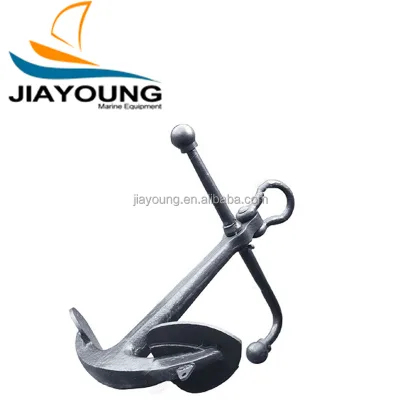


300kg Heavy Duty Anchor with Lr/BV /ABS for Yatch/Mooring System/Shipping /Boat/Vessel
$800.00 - $1000.00
MOQ: 10 Tons


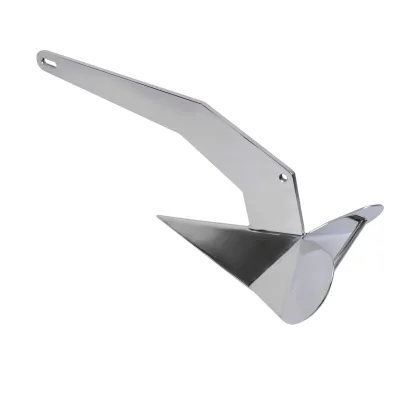
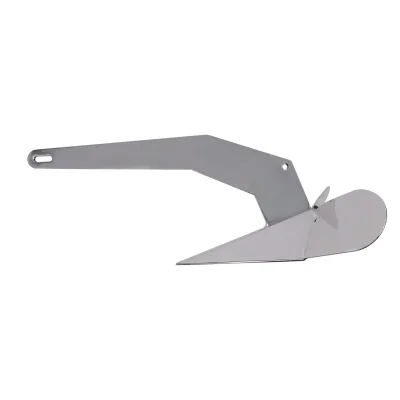

Comprehensive Sourcing Guide
LR RS Ship Mooring Anchor Sourcing Guide
Procuring high-holding-power anchors for commercial vessels requires a rigorous alignment between technical performance, regulatory compliance, and supply chain reliability. The core keyword "LR RS Ship Mooring Anchor" points to a specific segment of marine hardware where classification society approvals from Lloyd’s Register (LR) and Register of Shipping (RS) are non-negotiable for vessel certification. Buyers must recognize that these anchors are not generic fasteners but critical safety components designed to withstand extreme environmental loads during ship docking and mooring operations. The sourcing process demands a shift from price-centric evaluation to value-based assessment, focusing on the anchor’s holding power, material integrity, and the manufacturer’s ability to provide consistent, certified production.
This guide provides a structured approach for procurement specialists and marine engineers to navigate the complexities of sourcing these specialized components. By leveraging observed market signals and trusted category knowledge, buyers can establish clear verification protocols that mitigate risk. The focus remains on evidence-based decision-making, ensuring that every selected anchor meets the stringent requirements of international maritime standards. The following sections detail the product scope, technical verification steps, compliance documentation, commercial considerations, supplier qualification, and long-term maintenance strategies necessary for successful procurement.
Product Scope and Observed Listing Signals
The market for LR and RS certified mooring anchors is characterized by a wide range of specifications tailored to different vessel classes and operational requirements. Observed listings indicate a product count of approximately thirty distinct offerings, with prices ranging significantly from $15.30 to $200,000 USD. This vast disparity reflects the diversity in anchor types, including stockless U.S. Navy anchors, Hall anchors, and high-holding-power models like the AC-14. Buyers should note that the weight of these anchors typically spans from under 1,000 kg to over 8,000 kg, with some heavy-duty units exceeding 25,000 kg. The material composition is predominantly steel, often carbon steel, with finishes ranging from black painted to galvanized, depending on the corrosion resistance requirements of the intended marine environment.
Minimum Order Quantities (MOQ) in this sector are generally low, ranging from 1 to 10 units, which aligns with the bespoke nature of marine equipment procurement. Most suppliers offer customization options, allowing buyers to specify dimensions, weights, and packing methods such as export packing, nude packing, or bulk ton bags. The origin of these products is primarily concentrated in Jiangsu and Taizhou, China, regions known for their robust marine manufacturing infrastructure. Buyers must carefully distinguish between standard stock items and custom-manufactured anchors, as lead times can vary from 7-15 days for standard models to longer periods for specialized configurations. Understanding these listing signals helps in filtering suppliers and setting realistic expectations for delivery and cost.
Technical Specifications to Verify
Verifying the technical specifications of mooring anchors is the first line of defense against procurement errors. Buyers must confirm the anchor type, whether it is a Hall anchor, stockless design, or a high-holding-power variant like the AC-14, as each has distinct performance characteristics and installation requirements. The weight range is a critical parameter, with observed specifications covering 50 kg to 25,000 kg, and specific models like the CSAC-A19 or G3 indicating specialized applications. It is essential to verify the exact weight class of the anchor, as this directly impacts the vessel’s mooring system design and the required chain or rope specifications. Buyers should also check the length and size customization options, ensuring that the anchor fits the designated hawsepipe and handling equipment on the vessel.
Material quality and structural integrity are paramount for anchors subjected to high tensile loads. The supplied facts indicate that carbon steel is the primary material, but buyers must verify the specific grade and heat treatment processes used. The structure of the anchor, particularly for Hall anchors, must be inspected for symmetry and balance to ensure proper fluke penetration into the seabed. Additionally, the surface finish, whether black painted or galvanized, should be evaluated for durability in saltwater environments. Buyers should request detailed material test reports and structural analysis to confirm that the anchor meets the required holding power standards for its weight class. This verification process ensures that the anchor will perform reliably under the expected operational loads.
Compliance and Safety Documentation
Compliance with classification society standards is a mandatory requirement for any anchor intended for use on commercial vessels. The observed listings frequently mention certifications from Lloyd’s Register (LR), Register of Shipping (RS), China Classification Society (CCS), Korean Register (KR), and others such as ABS, DNV-GL, and BV. Buyers must ensure that the specific anchor model holds the necessary approvals for their vessel’s flag state and class notation. The presence of a CCS approval or other recognized certification is a strong indicator of quality, but buyers should verify that the certificate is valid and covers the specific model and weight being procured. Documentation should include type approval certificates, factory inspection reports, and individual test certificates for each anchor unit.
Safety documentation extends beyond certification to include operational manuals and maintenance guidelines. Buyers should request detailed instructions on installation, handling, and inspection procedures to ensure that the anchor is used correctly. The usage of the anchor for protection, ship docking, and mooring must be clearly defined in the product documentation. Additionally, buyers should verify that the anchor meets international standards for marine equipment, such as those set by the International Maritime Organization (IMO). Ensuring that all compliance documents are up-to-date and correctly filed is crucial for vessel audits and insurance purposes. Failure to obtain proper documentation can lead to operational delays and regulatory penalties.
Cost Drivers and Commercial Terms
The cost of LR and RS certified mooring anchors is influenced by several factors, including material costs, manufacturing complexity, and certification fees. The observed price range of $15.30 to $200,000 USD reflects the diversity in anchor sizes and types, with heavier and more complex designs commanding higher prices. Buyers should analyze the cost structure to understand the value proposition, considering that lower prices may indicate compromises in material quality or certification rigor. The weight of the anchor is a significant cost driver, as heavier anchors require more raw material and energy for production. Additionally, customization options, such as specific finishes or packaging, can add to the overall cost.
Commercial terms, including payment methods, delivery times, and warranty conditions, play a crucial role in the procurement process. The observed delivery time of 7-15 days suggests that many suppliers maintain stock of common models, but custom orders may take longer. Buyers should negotiate clear terms regarding lead times and penalties for delays, as late delivery can disrupt vessel operations. Packaging options, such as export packing or nude packing, should be agreed upon to ensure safe transportation and prevent damage during transit. Buyers should also consider the total cost of ownership, including maintenance and replacement costs, when evaluating supplier quotes. Transparent commercial terms help in building a reliable supply chain and avoiding unexpected expenses.
Supplier Qualification and Quality Control
Qualifying suppliers of mooring anchors requires a thorough assessment of their manufacturing capabilities and quality control systems. Buyers should verify the supplier’s location, with Jiangsu and Taizhou in China being common origins, and assess their production capacity to ensure they can meet order volumes and deadlines. The ability to provide customized solutions, as indicated by the "Customization: Available" attribute, is a positive sign of flexibility and technical expertise. Buyers should request evidence of the supplier’s quality management systems, such as ISO certifications, and inquire about their inspection processes during production. This due diligence helps in identifying suppliers who can consistently deliver high-quality products.
Quality control measures should be implemented throughout the procurement process, from initial sampling to final delivery. Buyers should conduct factory audits or third-party inspections to verify that the manufacturing processes adhere to international standards. The inspection should cover material testing, dimensional accuracy, surface finish, and certification documentation. For high-value anchors, buyers may consider pre-shipment inspections to ensure that the products meet the agreed specifications. Establishing a clear communication channel with the supplier for addressing any quality issues is essential. A robust quality control framework minimizes the risk of receiving defective products and ensures that the anchors perform as expected in service.
Long-Term Procurement Checks
Long-term procurement of mooring anchors involves ongoing monitoring of supplier performance and product reliability. Buyers should establish key performance indicators (KPIs) to track delivery times, product quality, and customer service responsiveness. Regular reviews of supplier performance help in identifying potential issues early and fostering a collaborative relationship. Buyers should also stay updated on changes in classification society regulations and international maritime standards, ensuring that future procurements remain compliant. This proactive approach helps in maintaining a reliable supply chain and adapting to evolving industry requirements.
Maintenance and lifecycle management are critical for maximizing the value of mooring anchor investments. Buyers should develop a maintenance schedule that includes regular inspections, cleaning, and repainting of anchors to prevent corrosion and extend their service life. Keeping detailed records of anchor inspections and maintenance activities is essential for regulatory compliance and operational safety. Buyers should also consider the availability of spare parts and replacement anchors to minimize downtime in case of damage or loss. By implementing a comprehensive long-term procurement strategy, buyers can ensure the continued safety and efficiency of their vessel’s mooring systems.
FAQs
What certifications are available for LR RS Ship Mooring Anchor products?
These anchors typically hold certifications from GL, KR, LR, RS, CCS, BV, NK, ABS, DNV, RMRS, and IRS. Buyers should verify specific class society approvals required for their vessel registration. Most manufacturers provide export packing and customized options to meet international maritime standards and safety regulations.
Can I customize the size and weight of these marine anchors?
Yes, customization is available for various sizes and weights. Products range from 50kg to 25,000kg, including specific models like the 7875kg AC-14 HHP anchor. Buyers can request customized lengths and packing methods, such as bulk, ton bags, or nude packing, to suit specific vessel requirements.
Where are these ship anchors manufactured and what is the lead time?
Manufacturing primarily occurs in Jiangsu and Taizhou, China. The standard delivery time is 7-15 days for most orders. Suppliers offer various packing options including export packing and customized solutions. Buyers should confirm specific lead times based on order volume and customization requirements before finalizing procurement agreements.
What materials are used to construct these commercial vessel anchors?
These anchors are constructed from steel, specifically carbon steel, ensuring high holding power and durability. They are designed for commercial vessels, yachts, and boats. The surface finish is typically black painted or galvanized to resist corrosion. The structural design often follows Hall or stockless configurations for optimal performance.
What is the typical MOQ for ordering these marine anchors?
The observed minimum order quantity ranges from 1 to 10 units. This flexibility allows buyers to test specific models or order small batches for specialized vessels. Suppliers support customized packing and various weight specifications, making it easier to manage inventory and budget constraints for different maritime applications.