Source LPG Tank Truck for Gas, Liquid, and Solid Storage
Compare 30 LPG Tank Truck listings with varying capacities from 15,001 to over 30,000 liters. Buyers can evaluate specifications including horsepower, load capacity, and tank materials like stainless steel or carbon steel for industrial transport needs; compare the available evidence and request quotations based on your requirements.
Key considerations
Products List


$50000.00 - $70000.00
MOQ: 1 Pieces

$50000.00 - $70000.00
MOQ: 1 Pieces


$50000.00 - $70000.00
MOQ: 1 Pieces

$2000.00 - $4000.00
MOQ: 1 Pieces

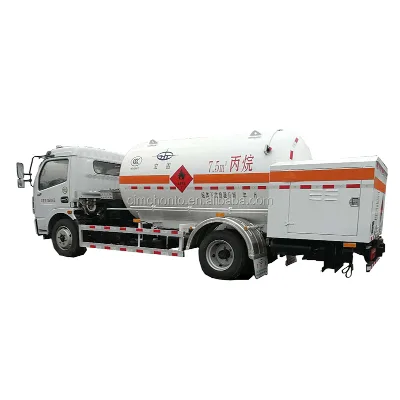
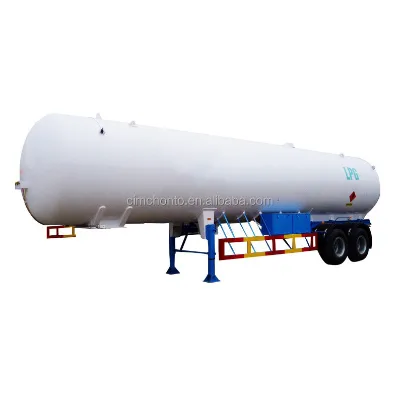


40000L Fuel Storage Tank Semi Trailer LPG Tank Truck Gas Tanker Trailer
$15000.00 - $29999.00
MOQ: 1 Pieces


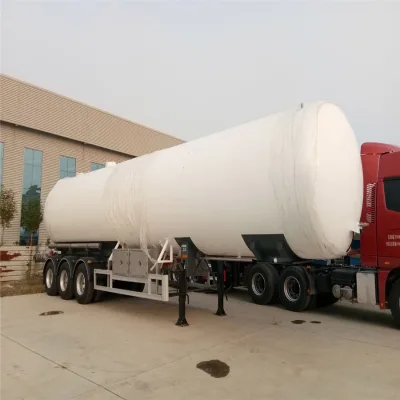

LPG/LNG/Gas Transport ISO Tank, Gpl Gas Transport Trucks Tank Container
$21000.00 - $39000.00
MOQ: 1 Pieces


Chinese Brand New 30cbm 40cbm 50cbm LPG Storage Tank LPG Gas Tank Semi Trailer
$16000.00 - $18000.00
MOQ: 1 Pieces


High-Safety LPG Transport Truck LPG Tanker Truck - Emergency Shut-off Valve & Fire Cap
$35315.00 - $38325.00
MOQ: 1 unit


Comprehensive Sourcing Guide
LPG Tank Truck Sourcing Guide
Procuring low-temperature storage and transportation equipment requires careful evaluation of the specific operational environment and cargo requirements. Buyers must distinguish between units designed for gas, liquid, and solid storage objects, as the internal configuration varies significantly based on the intended medium. The observed market listings indicate a strong focus on metal tank construction, which provides the necessary structural integrity for handling pressurized liquefied petroleum gas.
The supply chain for these specialized vehicles is dominated by manufacturers originating from China, offering a wide range of customization options to meet diverse logistical needs. Prospective buyers should note that while many units are listed as new, the specific model numbers and configurations, such as the WET-03 or WGLT-06, dictate the exact technical capabilities. Understanding these distinctions is critical before initiating any commercial negotiation or requesting detailed technical drawings.
Product Scope and Observed Listing Signals
The current market presents a diverse array of LPG tank trucks ranging from medium-duty to heavy-duty classifications, with load capacities spanning from 11 to 50 tons. Listings frequently highlight specific horsepower ranges, such as 150-250hp or 351-450hp, which directly correlate with the vehicle's ability to navigate varied terrain and maintain operational efficiency under heavy loads. Buyers must verify that the selected horsepower aligns with their specific route requirements and payload expectations to avoid underpowered or inefficient fleet deployments.
Storage volume is another critical variable, with observed listings covering ranges from 15,001 to 30,000 liters and units exceeding 30,000 liters. The physical dimensions and tank shapes, including van-type configurations, are tailored to optimize space utilization and safety compliance during transport. It is essential to cross-reference the stated tank volume with the actual chassis capacity, as the listed load capacity and engine specifications must work in harmony to ensure safe and legal transportation of hazardous materials.
Technical Specifications to Verify
Engine performance and transmission systems are fundamental to the operational reliability of LPG tank trucks, with Cummins engines and manual transmissions being common configurations in the observed data. Buyers should verify the engine capacity, which typically falls between 4-6 liters or 6-8 liters, and ensure the emission standards meet the regulatory requirements of the destination country. The maximum torque figures, such as 700 N.M, provide insight into the vehicle's pulling power, which is vital for steep gradients and heavy cargo scenarios.
Chassis and suspension details also require rigorous scrutiny, particularly regarding the axle number and suspension system type, such as the cross-arm type. Tire design, whether radial or tubeless, and the tread width of 1820mm influence stability and fuel economy. Additionally, the test pressure of 2.16 MPa is a key safety metric that must be confirmed against the specific pressure ratings of the tank to ensure the vessel can safely withstand the internal pressures generated during the transport of liquefied gases.
Compliance and Safety Documentation
Certification is a non-negotiable aspect of sourcing LPG tank trucks, with ISO, TUV, GS, and CCC marks appearing frequently in product listings. These certifications indicate that the vehicle and its components have undergone rigorous testing to meet international and regional safety standards. Buyers must request valid, up-to-date certification documents for the specific model being purchased, as the presence of a certification mark on a general listing does not guarantee that every unit in a batch meets the same compliance criteria.
Safety features such as the ABS anti-lock braking system and specific emission standards are critical for regulatory approval and operational safety. The documentation must also confirm the material grade, whether heavy-duty or medium-duty steel, and the specific standards like stainless steel or aluminum construction used for the tank. Ensuring that the test pressure and material specifications align with the intended cargo type is essential to prevent leaks or structural failures during transit.
Cost Drivers and Commercial Terms
The price range for LPG tank trucks is substantial, reflecting the complexity of the engineering and the specialized nature of the equipment. Observed listings indicate a wide spectrum from 2,000 to 10,000,000 USD, driven by factors such as tank volume, horsepower, and the level of customization required. Buyers should be prepared for significant price variations based on whether the unit is a standard model or a fully customized solution tailored to specific logistical challenges.
Commercial terms regarding packaging and delivery are equally important, with options ranging from bulk loads to waxed before on board and nude packing. The minimum order quantity is typically one unit, allowing for flexible procurement strategies, but lead times and shipping costs can vary significantly based on the origin and destination. Understanding the total cost of ownership, including maintenance and potential downtime, is crucial when evaluating the initial purchase price against long-term operational efficiency.
Supplier Qualification and Quality Control
Supplier qualification involves verifying the manufacturer's ability to deliver customized solutions while maintaining consistent quality across different models. The availability of customization options suggests that suppliers can adapt the tank material, suspension, and engine specifications to meet unique buyer requirements. However, buyers must ensure that the supplier has a proven track record of delivering units that meet the specified standards, such as the heavy-duty or medium-duty grades observed in the market.
Quality control processes should be transparent and documented, with a focus on the manufacturing of the metal tank and the integration of critical safety components. The condition of the product, listed as new, should be verified through pre-shipment inspections to ensure there are no defects in the welding, painting, or assembly. Buyers should request detailed quality assurance reports that cover the testing of the tank pressure and the functionality of the braking and suspension systems before finalizing the purchase.
Long-Term Procurement Checks
Establishing a long-term procurement strategy requires ongoing monitoring of the vehicle's performance and adherence to safety standards over time. Regular inspections of the tank integrity, tire condition, and engine performance are necessary to maintain the high standards required for transporting hazardous materials. Buyers should implement a maintenance schedule that aligns with the manufacturer's recommendations and the specific operating conditions of the fleet.
Future-proofing the procurement process involves staying informed about evolving emission standards and safety regulations that may impact the operational lifespan of the vehicles. As regulations tighten, the ability to upgrade or retrofit existing units with newer emission-compliant engines or safety features will become increasingly important. Maintaining a strong relationship with the supplier ensures access to technical support and spare parts, which is vital for minimizing downtime and ensuring the continued safety of the LPG transport operations.
FAQs
How is an LPG Tank Truck customized for specific cargo needs?
Customization is available, so buyers can specify tank volume, material, and equipment configuration. Tanks may be built in stainless steel, aluminum, or carbon steel, and listed units cover volumes from 15001-30000L up to above 30000L. Customized trucks are accepted, so buyers should share working pressure, load capacity, and chassis preferences early so the manufacturer can confirm a feasible configuration before quoting.
What tank materials are used for LPG tank trucks?
Listed products are built to a standard covering stainless steel, aluminum, or carbon steel, with metal tanks used throughout. Material choice affects weight, corrosion resistance, and cost, so buyers should match it to duty cycle and route conditions. Steel grades range from medium duty to heavy duty, which indicates the structural level of the chassis and tank assembly being offered.
Which engine and chassis specifications do these LPG tank trucks offer?
Available configurations include diesel power with Cummins engines, engine capacities of 4-6L or 6-8L, and horsepower ranges of 150-250hp or 351-450hp. Some units specify 700 N.M maximum torque, manual transmission, 6×4 drive wheels, and radial or tubeless tires. Buyers should confirm emission standard requirements and preferred axle configuration when requesting quotations from manufacturers.
What load capacities are available for LPG tank trucks?
Listed capacities span 11-20t, 25T, 41-50t, with tank volumes from 15001-30000L up to above 30000L, including a 25 cbm option. The right choice depends on route weight limits and delivery volume. Buyers should also confirm test pressure, with a listed value of 2.16 MPa, to ensure the tank matches the operating conditions of their LPG distribution network.
Can LPG tank trucks be shipped with export-ready packaging?
Yes, listed packing options include waxed before on board, bulk load, bulk vessel, and nude packing. Waxed packing protects exposed metal surfaces during ocean shipping, while bulk vessel loading suits complete units. Buyers should state destination port, disassembly needs, and roll-on or lift-on preference when requesting a shipping quote so the manufacturer selects suitable packing.
What certifications apply to these LPG tank trucks?
Listed certifications include GB, CCC, ISO, TUV, GS, and QS, with condition listed as new. Certification requirements vary by destination market, so buyers should verify which certificates the specific model carries and request copies during qualification. ISO tire certification is also listed for relevant units, supporting documentation needs for road-legal operation in regulated markets.
How should buyers evaluate LPG Tank Truck suppliers before ordering?
Confirm customization capability, since customized trucks are accepted and configuration flexibility matters for LPG duty. Review stated specifications such as tank volume, test pressure, engine brand, and axle number against your route requirements. Check origin, since listed products originate from China, and clarify packing, certification documentation, and lead time in writing before placing an order or deposit.
What safety features are included on listed LPG tank trucks?
Listed units include an ABS anti-lock braking system, which supports stability during emergency braking on loaded routes. Suspension is described as cross arm type, and some models are van-type with radial or tubeless tires. Buyers should still request full brake, valve, and emergency-venting documentation for the tank section, since LPG service requires verified pressure equipment details beyond chassis features.