Source Lucky Cat Ornament for Home, Shop, and Hotel Decor
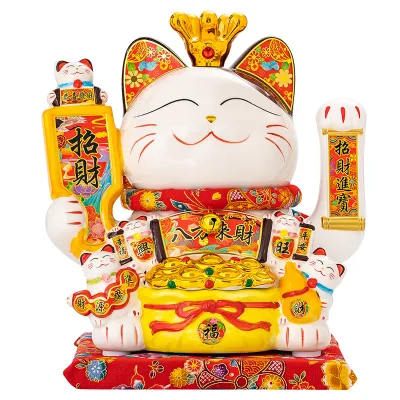
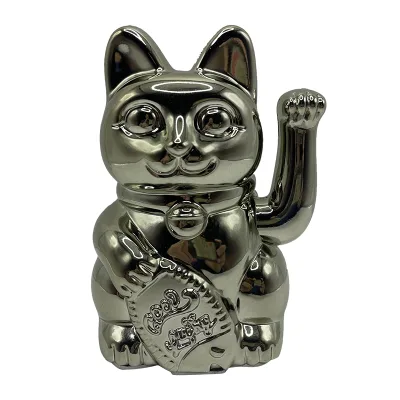
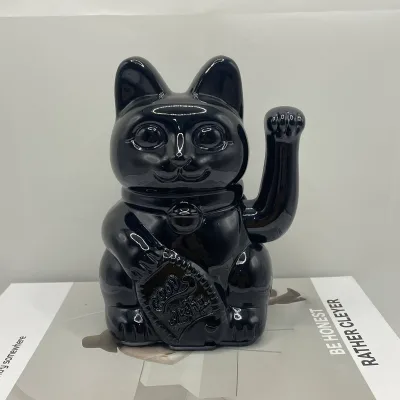
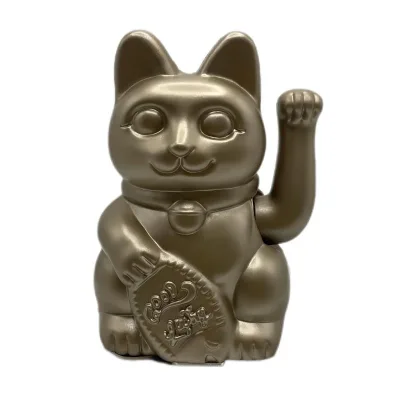
Find 30 distinct Lucky Cat Ornament options for home, shop, and hotel decor. Compare solar-powered and ceramic figurines in gold, white, and black. Source OEM/ODM designs from China with MOQs starting at 120 pieces for Chinese New Year and general festive applications.
Key considerations
Products List
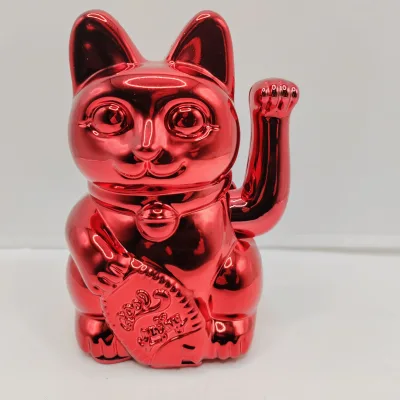
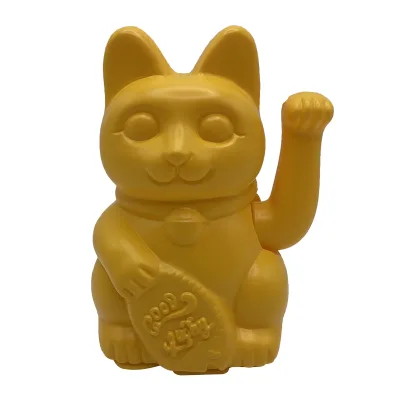
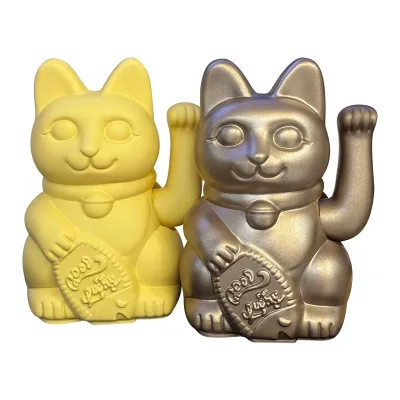


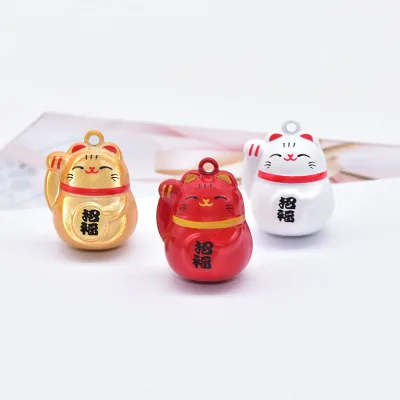
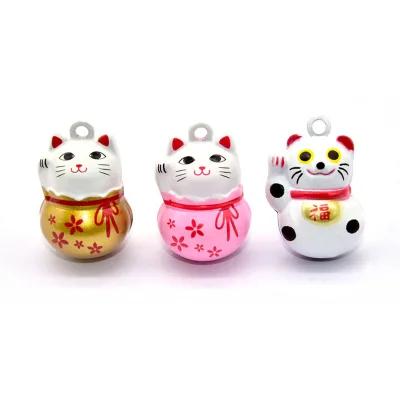


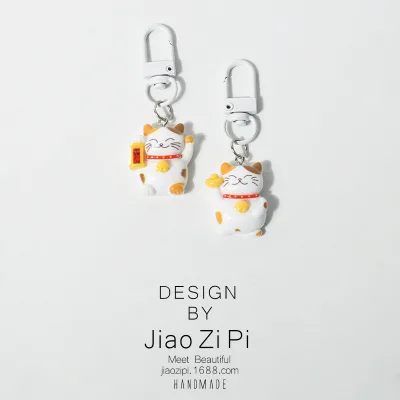


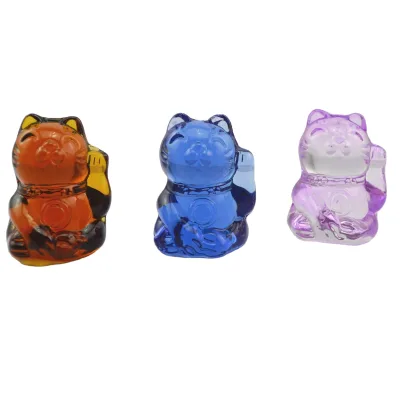


Comprehensive Sourcing Guide
Lucky Cat Ornament Sourcing Guide
Buyers evaluating this category must first distinguish between the primary decorative variants observed in the market, specifically the solar-powered figurines and the ceramic sculptures. The data indicates a strong presence of ABS plastic models featuring a waving hand function powered by solar energy, alongside traditional ceramic options designed for specific cultural applications like Chinese New Year. Understanding this material split is critical, as the solar-powered units require functional testing of their light sensors and motors, whereas the ceramic pieces demand rigorous inspection for glaze integrity and structural stability.
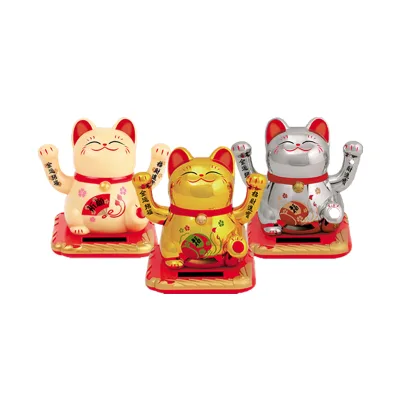
Procurement strategies should also account for the diverse packaging and shipping profiles associated with these items, which range from compact single-unit boxes to bulk batches weighing over 16 kilograms. The observed listing signals suggest that some suppliers offer multiple color options including gold, silver, and white, while others provide specific model numbers like MLY23007 or MLY359. Buyers must verify whether the requested unit is a standalone figurine or part of a larger set, as the minimum order quantities often align with specific batch sizes, such as multiples of 120 or 144 units, directly impacting initial inventory investment.
Product Scope and Observed Listing Signals
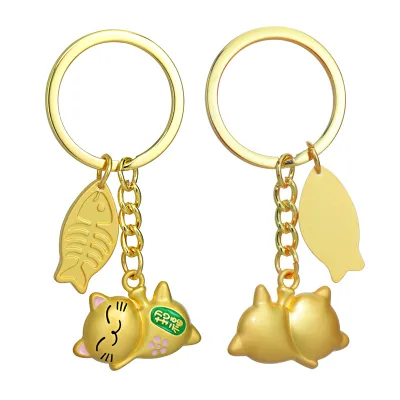
The product scope for lucky cat ornaments encompasses a variety of functional and aesthetic applications, ranging from home decor to commercial signage for hotels and restaurants. The observed listings highlight specific attributes such as the "Welcome waving hand" function, which is a key differentiator for solar-powered models intended to attract attention in retail environments. Buyers should note that while some items are classified strictly as figurines, others appear under broader categories like toys or keychains, necessitating a precise definition of the intended use case to ensure the selected product matches the operational requirements of the target market.
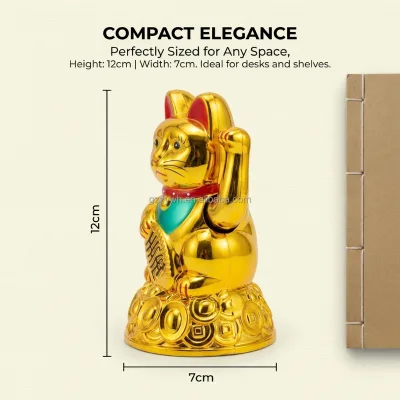
Listing signals further reveal significant variation in physical dimensions and packaging configurations, which directly influence logistics planning and shelf placement. Specific model data points to sizes ranging from approximately 7 centimeters to over 10 centimeters in height, with corresponding package sizes varying from compact 1x2x3 cm units for keychains to large 71x40x53 cm batches for bulk shipments. This variance requires buyers to carefully map the physical footprint of the product against their storage and display constraints, ensuring that the selected model fits the intended retail environment without compromising the visual impact of the lucky cat design.
Technical Specifications to Verify
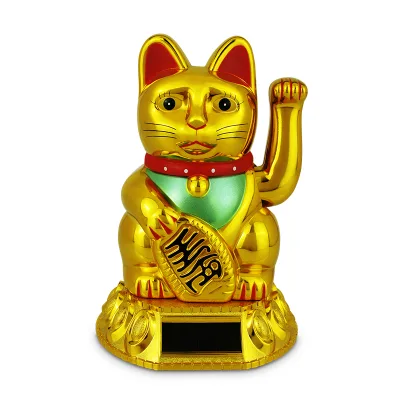
Technical verification must begin with the power source and mechanical functionality of solar-powered units, specifically confirming the reliability of the solar panel and the motor that drives the waving hand. Buyers should request demonstration videos or samples to validate that the unit activates under standard indoor lighting conditions and maintains consistent motion without overheating or stalling. The material composition, often listed as ABS plastic or enamel, must be cross-referenced with the product description to ensure durability, particularly for items intended for high-traffic commercial spaces where frequent handling or exposure to varying temperatures is expected.
Dimensional accuracy and weight specifications are equally critical for logistics and inventory management, as discrepancies can lead to unexpected shipping costs or storage issues. The observed data includes specific gross weights per batch, such as 16.5 kg or 18.0 kg, and precise product dimensions like 10.5x9.3x9.5 cm or 7.5x7.5x10.5 cm. Procurement teams must verify these figures against the supplier's packing list to ensure that the declared package size and weight align with the actual shipment, preventing discrepancies that could arise from inconsistent manufacturing tolerances or packaging density variations across different production runs.
Compliance and Safety Documentation
While the supplied facts do not explicitly list specific certification numbers, buyers must ensure that all imported lucky cat ornaments comply with the safety standards of their destination market, particularly regarding electrical components and material toxicity. For solar-powered models, this includes verifying that the internal wiring and solar panels meet regional electrical safety requirements to prevent fire hazards or short circuits. Even for non-electric ceramic or alloy variants, compliance with regulations concerning lead content in paints and glazes is essential, especially for products marketed for use in homes or restaurants where children or food preparation areas are involved.
Documentation requests should also focus on the origin of materials and the manufacturing processes used to ensure ethical and environmental standards are met. The observed place of origin is China, with specific mentions of Guangdong, a major manufacturing hub, which implies a need for rigorous supply chain transparency. Buyers should require a declaration of conformity or a test report from an accredited laboratory that confirms the product meets the necessary safety thresholds for the intended application, whether it is a decorative item for a private residence or a commercial asset for a hotel lobby.
Cost Drivers and Commercial Terms
Cost drivers for lucky cat ornaments are heavily influenced by the complexity of the manufacturing process, the choice of materials, and the inclusion of functional components like solar panels and motors. The observed price range of 0.05 to 99 USD suggests a wide spectrum of value, where basic ceramic or alloy keychains sit at the lower end, while larger, fully functional solar-powered figurines command higher prices. Buyers must analyze the cost structure to understand if the price difference is driven by material quality, such as the use of high-grade ABS versus standard plastic, or by the added value of the solar power mechanism and the precision of the waving hand assembly.
Commercial terms and payment structures play a pivotal role in the overall procurement cost and risk management strategy. The observed payment terms include T/T, Western Union, and PayPal, each carrying different implications for transaction security and cash flow management. Additionally, the minimum order quantities, which range from 2 to 500 units with specific multiples like 120 or 144, significantly impact the unit cost and inventory holding costs. Buyers should negotiate based on these volume tiers to optimize the price per unit while ensuring that the order size aligns with their sales velocity and storage capacity.
Supplier Qualification and Quality Control
Supplier qualification should prioritize manufacturers who demonstrate a clear understanding of the specific functional requirements of lucky cat ornaments, particularly the integration of solar technology with mechanical movement. The observed data indicates that suppliers offer OEM and ODM services, suggesting flexibility in customization, but buyers must verify the supplier's capacity to maintain consistent quality across different batches. This includes checking their track record for delivering products that match the specified model numbers and dimensions, ensuring that the "Welcome waving hand" function operates reliably over an extended period without mechanical failure.
Quality control protocols must be established to address the specific risks associated with the diverse product types, from fragile ceramic sculptures to electronic solar units. Buyers should implement a pre-shipment inspection plan that includes functional testing of the solar panels and motors, as well as visual inspections for cosmetic defects like paint chips or glaze imperfections. Given the observed gross weights and package sizes, it is also essential to verify that the packaging is robust enough to protect the items during transit, preventing damage that could render the product unsellable upon arrival at the destination market.
Long-Term Procurement Checks
Long-term procurement success depends on establishing a reliable supply chain that can consistently meet demand while adapting to market trends and seasonal fluctuations. The observed applications for these ornaments, such as Chinese New Year and general home decor, suggest that demand may spike during specific holidays, requiring suppliers to have the capacity to scale production quickly. Buyers should maintain open communication channels with their suppliers to forecast demand accurately and ensure that production schedules align with peak selling periods, avoiding stockouts that could result in lost sales opportunities.
Continuous monitoring of product performance and customer feedback is essential for maintaining the reputation of the brand and ensuring customer satisfaction. Buyers should track return rates and customer complaints related to product failures, such as non-functioning solar panels or broken ceramic parts, to identify potential quality issues early. By maintaining a proactive approach to quality assurance and supplier relationship management, buyers can mitigate risks and ensure a steady supply of high-quality lucky cat ornaments that meet the evolving expectations of their customers.
FAQs
What materials are used for solar lucky cat figurines?
Solar lucky cat figurines are primarily crafted from ABS plastic or ceramic materials. The ABS versions often feature enamel-style finishes in gold, silver, or white colors. Ceramic options provide a traditional aesthetic suitable for home or shop decor. These materials ensure durability while supporting the solar power mechanism for the waving hand function.
Can I customize the Lucky Cat Ornament with my brand?
Yes, OEM and ODM services are welcome for these lucky cat ornaments. Buyers can request custom branding or design modifications to suit specific marketing needs. This customization is available for both solar-powered and ceramic figurine types. Contact suppliers directly to discuss specific design requirements and minimum order quantities for personalized production runs.
What is the typical MOQ for solar lucky cat products?
The typical minimum order quantity varies by product model, generally ranging from 120 to 144 pieces. Some items are sold in multiples of 120, while others require multiples of 144. These MOQs apply to standard solar-powered waving hand figurines. Buyers should verify the specific MOQ for their chosen model number before placing bulk orders.
How does the solar power function work on these figurines?
The solar power function utilizes a built-in solar panel to charge an internal battery during daylight hours. This energy powers the motor that creates the continuous waving hand motion. The figurines require no external wiring or batteries, making them ideal for shop entrances or home displays. They automatically activate in sunlight and rest in darkness.
Which applications are best suited for lucky cat ornaments?
Lucky cat ornaments are best suited for home, shop, hotel, and restaurant decor. They are particularly popular for Chinese New Year and general New Year celebrations. The figurines serve as decorative items that symbolize fortune and welcome guests. Their compact size allows placement on counters, shelves, or desks in various commercial and residential settings.
What are the packaging dimensions for bulk orders?
Packaging dimensions vary by product batch, with common sizes including 71x40x53 cm and 54x53.5x53 cm. The gross weight per batch typically ranges from 16.5 kg to 18.0 kg. Individual items may be packed in PVC boxes or single packages measuring 1x2x3 cm. These specifications help buyers calculate shipping volume and logistics requirements for international orders.