Source Lubricating Oil Chemical Centrifugal Pump for Water Treatment, HVAC OEM, and Food Industry
Compare 30 Lubricating Oil Chemical Centrifugal Pump options from verified Chinese manufacturers. Evaluate models like DFCZ and IH Series for capacities over 400 L/min and heads up to 150m with CE certification.
Key considerations
Products List


Reliable Centrifugal Pump for Transporting Hazardous Chemical Solutions
$400.00 - $9000.00
MOQ: 1 Pieces

Efficient Fluoroplastic Centrifugal Pump for Chemical Process Applications
$400.00 - $9000.00
MOQ: 1 Pieces

Stainless Steel Centrifugal Pump for Transporting Hazardous Chemicals
$500.00 - $8000.00
MOQ: 1 Pieces


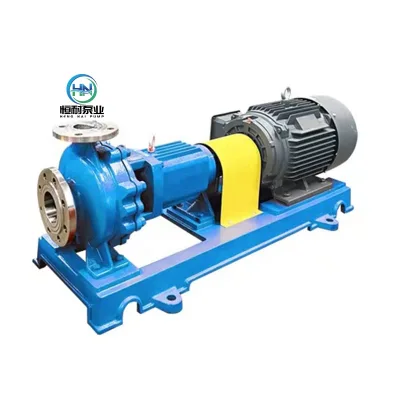
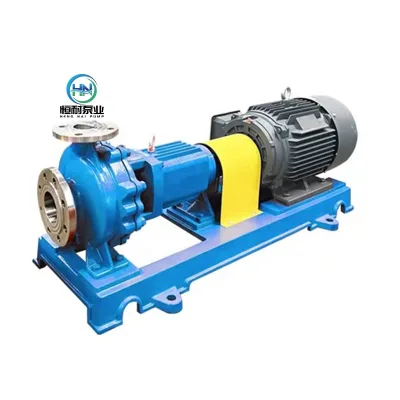


Horizontal Chemical Process Centrifugal Pumps for Oil, Heavy Chemical Pump
$3500.00 - $7000.00
MOQ: 1 set

Centrifugal Pump for Chemical Petrol Chemical Area Refinery or Steel Plant
$3000.00 - $9000.00
MOQ: 1 set

Single Stage Single Suction Centrifugal Crude Oil Pump for Chemical Process
$4500.00 - $8500.00
MOQ: 1 set


Horizontal Centrifugal Pump for Oilfield Drilling Centrifugal Chemical Pump
$1000.00 - $2000.00
MOQ: 1 Pieces


Precision Clearance Control Durable Horizontal Chemical Centrifugal Pump
$800.00 - $50000.00
MOQ: 1 Pieces

Powerful Heavy-Duty Balanced Superior Hydraulic Performance Chemical Centrifugal Pump
$2000.00 - $100000.00
MOQ: 1 Pieces


Premium Close Coupled Centrifugal Pump for Oil Chemical and Process Industries
$600.00 - $1200.00
MOQ: 1 Pieces

Horizontal Close Coupled Centrifugal Pump for Petrochemical Fluid Handling Solutions
$600.00 - $1200.00
MOQ: 1 Pieces


Chemical Process Pump Horizontal Centrifugal Circulating Petrochemical Pump
$200.00 - $3500.00
MOQ: 1 Sets
Comprehensive Sourcing Guide
Strategic Sourcing Guide for Lubricating Oil Chemical Centrifugal Pumps
Understanding Technical Specifications and Performance Parameters
When sourcing lubricating oil chemical centrifugal pumps, buyers must first establish a precise understanding of the technical specifications that define operational suitability. The market presents a diverse array of configurations, ranging from horizontal to vertical shaft positions, each dictated by specific installation constraints and fluid dynamics requirements. For applications involving chemical processing or lubricating oil transfer, the position of the pump shaft is a critical decision point. Data indicates the availability of horizontal pump configurations, which are often preferred for their stability and ease of maintenance in industrial settings. Conversely, vertical pump options exist, utilizing a vertical joint surface pump casing design that may be necessary for space-constrained environments or specific suction lift requirements.
The hydraulic performance is equally vital. The maximum head capabilities observed in the current market span a wide spectrum, from moderate ranges of 30-50 meters to high-pressure configurations exceeding 150 meters. Buyers must align these head requirements with their system pressure needs. For high-pressure applications, pumps are explicitly categorized as working pressure units capable of handling significant discharge pressures. In contrast, other segments of the market offer low-pressure or middle-pressure solutions, with working pressures typically around 1.6 MPa. The flow capacity is another defining metric, with observed maximum capacities exceeding 400 liters per minute, ensuring that the selected unit can meet the throughput demands of large-scale industrial operations.
The impeller design serves as the heart of the pump's efficiency and chemical compatibility. The supply chain offers a variety of impeller types, including single-suction designs for standard applications and multi-stage configurations for high-head requirements. The casing of the impeller itself varies between semi-open and closed designs. Semi-open impellers are often associated with chemical pumps, such as the DFCZ series, offering a balance between efficiency and the ability to handle fluids with potential particulate matter. Closed impellers, found in series like the IHF and KMC, generally provide higher hydraulic efficiency for clean fluids. The motor power requirements are substantial, ranging from 0.55 kW to 250 kW, indicating that these pumps are engineered for heavy-duty industrial use rather than light commercial tasks. Voltage specifications typically align with industrial standards, such as 380/440V, ensuring compatibility with standard factory power grids.
Compliance, Certification, and Regulatory Standards
Navigating the regulatory landscape is a non-negotiable aspect of sourcing industrial pumps. Compliance ensures that the equipment meets safety, environmental, and performance benchmarks required by various jurisdictions. The most frequently observed certification in the current market is the CE mark, which signifies conformity with health, safety, and environmental protection standards for products sold within the European Economic Area. This certification is often linked to specific product standards, such as the CE standard, which buyers should verify against their local regulatory requirements.
Beyond the CE mark, specific industry standards govern the manufacturing and testing of these pumps. The GB5656 standard is a recognized specification for pump performance and testing, providing a baseline for quality assurance. Buyers should also be aware that some manufacturers adhere to standards based on specific parameter values, indicating a customized approach to meeting client-specific technical requirements. While background information may reference international standards like EN 733 or ISO 5199, these should not be assumed as universal guarantees without explicit confirmation from the supplier. The primary focus for verification should remain on the documented standards provided in the product specifications, such as the GB standard or the specific CE certification.
Temperature tolerance is another critical compliance factor, particularly for lubricating oil applications where thermal stability is essential. The observed operational temperature range for these pumps extends from minus 20 degrees Celsius to 150 degrees Celsius, or in some configurations, up to plus 170 degrees Celsius. This wide range suggests that the materials used in construction, such as the pump casing and impeller, are selected to withstand significant thermal stress. Buyers must ensure that the selected pump's temperature rating exceeds the maximum operating temperature of their specific lubricating oil process to prevent material failure or seal degradation.
Cost Drivers and Pricing Dynamics
The pricing structure for lubricating oil chemical centrifugal pumps is influenced by a complex interplay of technical specifications, customization levels, and manufacturing origins. The observed price range in the market is exceptionally broad, spanning from 1 USD to 100,000 USD. This variance is not indicative of product quality alone but reflects the diversity in pump size, power rating, material composition, and the level of engineering required. A small, single-stage pump with a low motor power will naturally fall at the lower end of this spectrum, while a high-head, multi-stage pump with a 250 kW motor and specialized chemical-resistant materials will command a significantly higher price.
Customization is a primary driver of cost. While many suppliers offer standard models, the availability of OEM and ODM support allows for tailored solutions that can increase the unit price. The customization process often involves modifying the pump casing, impeller design, or motor specifications to fit unique application needs. Furthermore, the Minimum Order Quantity (MOQ) for customized support typically ranges from 2 to 5 pieces, which can impact the per-unit cost for smaller procurement orders. Standard models may have an MOQ of 1, offering greater flexibility for buyers with immediate, low-volume needs.
Geographic origin also plays a role in pricing. Products originating from major manufacturing hubs in China, such as Shanghai and Jiangsu, often present competitive pricing due to established supply chains and economies of scale. However, buyers must weigh the cost savings against the logistics of international shipping and the potential for longer lead times. The packaging requirements, such as fumigation wooden cases, wooden racks, or plywood boxes, add to the overall cost but are essential for protecting the equipment during transit. These packaging solutions are designed to withstand the rigors of international shipping, ensuring the pump arrives in pristine condition.
Typical Applications and Industry Use Cases
Lubricating oil chemical centrifugal pumps are versatile assets deployed across a wide array of industrial sectors. Their ability to handle various fluid types and operating conditions makes them suitable for applications ranging from automotive manufacturing to large-scale water treatment facilities. In the automotive industry, these pumps are utilized for circulating lubricating oils in engine testing and manufacturing processes. Similarly, the biofuel industry relies on these pumps for the transfer and circulation of bio-based fluids, where chemical resistance is paramount.
Commercial buildings and HVAC OEMs also represent significant market segments. In these applications, the pumps function as circulating pumps, ensuring efficient heat transfer and fluid movement within complex building management systems. The industrial boiler sector utilizes these pumps for feedwater and circulating duties, where high-pressure capabilities are often required to maintain system integrity. Furthermore, the pumps are integral to industrial utilities, supporting a wide range of auxiliary processes that require reliable fluid handling.
Water treatment and irrigation sectors are another key area of application. The pumps are employed in drinking water treatment facilities and developing world water solutions, where their robustness and efficiency are critical. In the food and beverage industry, the pumps must meet strict hygiene standards while handling various process fluids. The versatility extends to district energy systems and family homes, demonstrating the adaptability of these pumps to different scales of operation. The specific model, such as the IH Series or KJB Series, often dictates the suitability for specialized roles like condensate or slurry pumping, highlighting the importance of matching the pump model to the specific industry requirement.
Supplier Evaluation and Selection Criteria
Selecting the right supplier requires a rigorous evaluation process that goes beyond simple price comparison. Buyers should prioritize suppliers who demonstrate a clear understanding of the technical requirements and can provide detailed documentation regarding their product specifications. The availability of customization support, including OEM and ODM capabilities, is a strong indicator of a supplier's flexibility and engineering competence. Suppliers that offer a range of models, such as the DFCZ, KMC, IH, and KJB series, demonstrate a broad product portfolio capable of addressing diverse client needs.
Geographic location is another factor to consider. Suppliers based in Shanghai and Jiangsu, China, are prominent in the market, offering access to a robust manufacturing ecosystem. However, buyers should verify the specific origin of the product to ensure it aligns with their logistics and sourcing strategies. The packaging method, whether it be a fumigation wooden case or a wooden rack, should be evaluated for its suitability for the intended shipping route and destination. A supplier that invests in high-quality packaging demonstrates a commitment to product protection and customer satisfaction.
Transparency in certification and standards is crucial. Buyers should request evidence of CE certification and any other relevant standards, such as GB5656, to ensure compliance. The ability of the supplier to provide test results and performance data, while not always explicitly detailed in public listings, should be a condition of the procurement process. Suppliers that are willing to share detailed technical data and support documentation are more likely to provide reliable products and after-sales support.
Quality Control and Long-Term Procurement Considerations
Ensuring the long-term reliability of lubricating oil chemical centrifugal pumps requires a proactive approach to quality control. Buyers should implement a rigorous inspection protocol that covers the manufacturing process, material selection, and final testing. The use of high-quality materials for the pump casing and impeller is essential to withstand the corrosive nature of chemical fluids and the thermal stress of lubricating oil applications. The temperature range of -20 to 170 degrees Celsius indicates that the materials must be selected for their thermal stability and resistance to degradation.
Long-term procurement considerations also involve the availability of spare parts and maintenance support. Suppliers that offer a comprehensive range of models and customization options are better positioned to provide ongoing support. The motor power range of 0.55 to 250 kW suggests that these pumps are designed for long-term operation, and the availability of compatible motors and components is critical for minimizing downtime. Buyers should also consider the lead time and production capacity of the supplier to ensure that their supply chain remains resilient.
Finally, the environmental and safety aspects of the pump's operation should be evaluated. The use of certified materials and adherence to standards like CE and GB5656 contribute to the overall safety and environmental compliance of the equipment. By focusing on these quality control measures and long-term considerations, buyers can ensure that their investment in lubricating oil chemical centrifugal pumps delivers consistent performance and value over the lifespan of the equipment.
Comparative Analysis of Pump Models and Specifications
To facilitate informed decision-making, it is helpful to compare the key specifications of the different pump models available in the market. The following table summarizes the observed attributes across various product lines, highlighting the differences in head, pressure, and application suitability.
| Product Model Series | Max. Head Range | Working Pressure | Impeller Type | Shaft Position | Primary Application Focus |
|---|---|---|---|---|---|
| DFCZ Chemical Pumps | >150m | High Pressure | Semi-Open | Horizontal | Chemical Processing |
| KMC Series DFE | 50-80m | Middle Pressure | Closed | Horizontal | General Circulation |
| IH Series X | 110m-150m | High Pressure | Closed | Horizontal | Industrial Utilities |
| IHF Series X | 30-50m | Middle Pressure | Closed | Vertical | Specific Fluid Handling |
| KJB Series ADB | N/A | Low Pressure | Multi-Stage | Vertical | Condensate/Slurry |
| KZ-C(XCZ) | N/A | ~1.6MPa | N/A | N/A | General Industrial |
This comparison illustrates the diversity in the market. The DFCZ series, with its high head and semi-open impeller, is ideal for demanding chemical applications. The KMC and IH series offer robust solutions for middle to high-pressure needs, while the KJB series is tailored for low-pressure, multi-stage applications like condensate and slurry handling. Buyers must carefully match these specifications to their specific operational requirements to ensure optimal performance and efficiency.
FAQs
What is the maximum head range for these pumps?
The maximum head ranges from 30 to over 150 meters depending on the specific model selected. Some units offer heads between 50 and 80 meters, while high-pressure configurations exceed 150 meters to meet demanding industrial requirements.
Which certifications are available for these chemical pumps?
These pumps typically carry CE certification and adhere to the CE standard. Some models also comply with the GB5656 standard, ensuring they meet specific performance and safety benchmarks for industrial applications.
Can I customize the pump specifications for my needs?
Yes, customization is available with OEM and ODM support offered by suppliers. However, the minimum order quantity for customized support typically ranges from 2 to 5 pieces, unlike standard models which may have an MOQ of 1.
What is the operating temperature range for these pumps?
The pumps can operate in temperatures ranging from minus 20 to 150 degrees Celsius. Certain configurations extend this range up to plus 170 degrees Celsius, making them suitable for various thermal conditions.
Where are these pumps manufactured and what is the origin?
These pumps originate from major manufacturing hubs in China, specifically Shanghai and Jiangsu. Products are packaged in fumigation wooden cases or plywood boxes to ensure safe international transit from these locations.
What motor power options are available for these units?
Motor power options range from 0.55 kW to 250 kW to suit different industrial loads. These units typically operate on 380 or 440 volts, ensuring compatibility with standard factory power grids.