Source Removable Rhinestone Alloy Shoe Clips for Bags and Hats
Find 30 options for Removable Rhinestone Alloy Shoe Clips suitable for casual footwear, handbags, and garments. Compare zinc alloy and metal variations with customizable colors and OEM support to enhance accessory designs; compare the available evidence and request quotations based on your requirements.
Key considerations
Products List


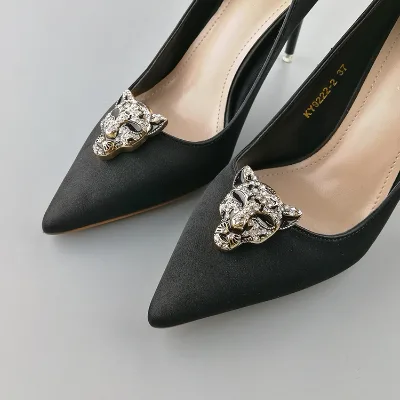
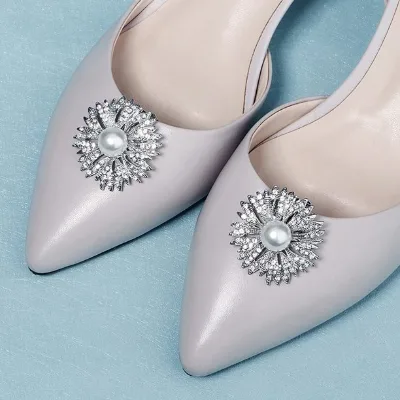
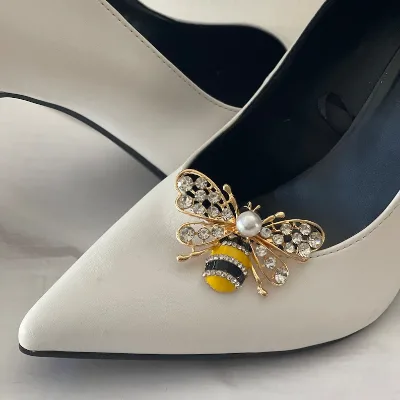
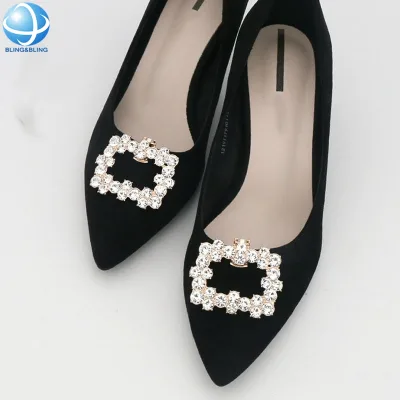
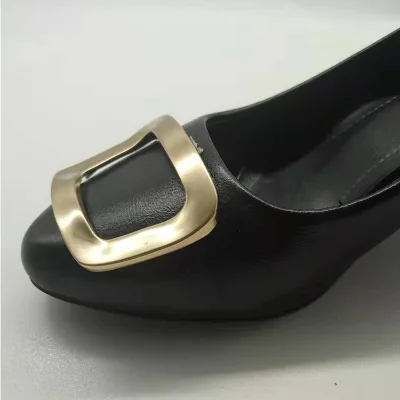
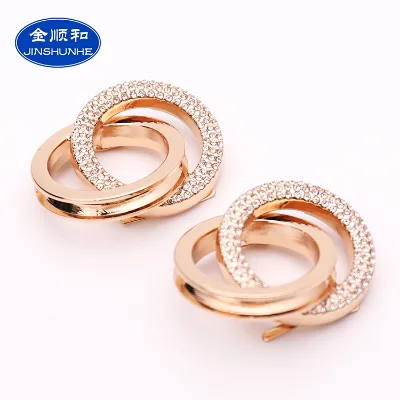
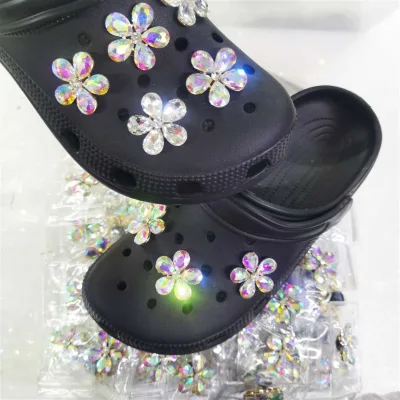
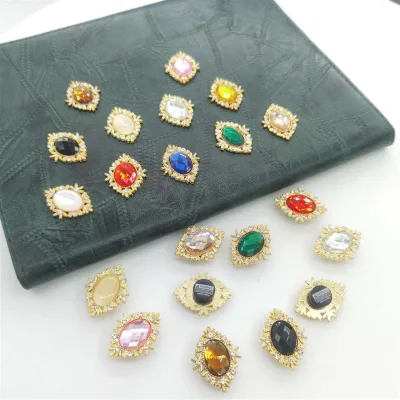
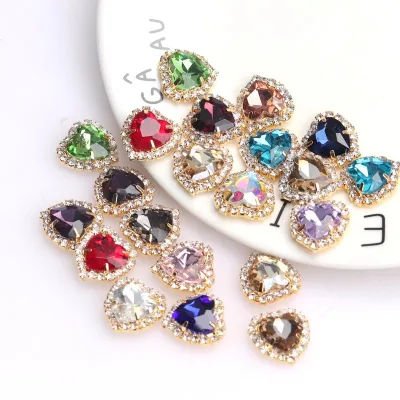
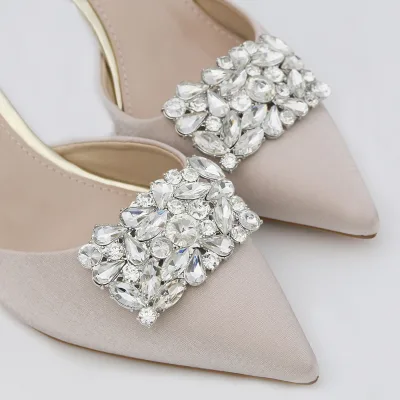
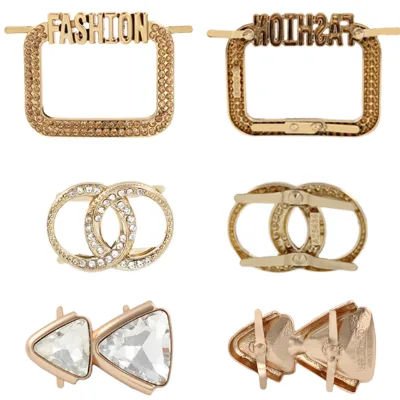
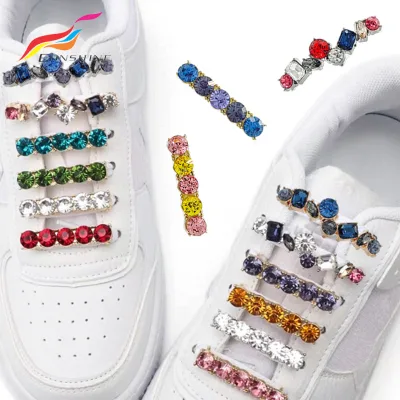


Comprehensive Sourcing Guide
Removable Rhinestone Alloy Shoe Clips Sourcing Guide
Product Scope and Observed Listing Signals
The market for removable shoe accessories features a diverse array of decorative fasteners, primarily categorized as shoe clips, bows, and general shoe decorations. These items are designed to enhance the aesthetic appeal of footwear without permanent alteration, offering a versatile solution for both casual and fashion-forward styles. The observed product range includes models such as Shoe Clips Jewelry-093D and H11, which utilize various decorative elements to create distinct visual impacts. Buyers should note that these products are often marketed as unisex or specifically for women, with some listings explicitly targeting children, indicating a broad demographic applicability.
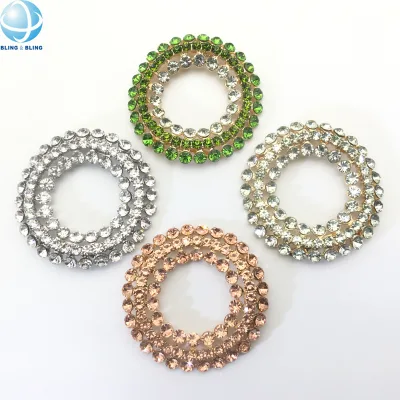
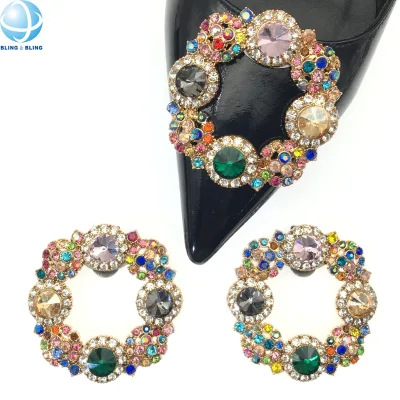
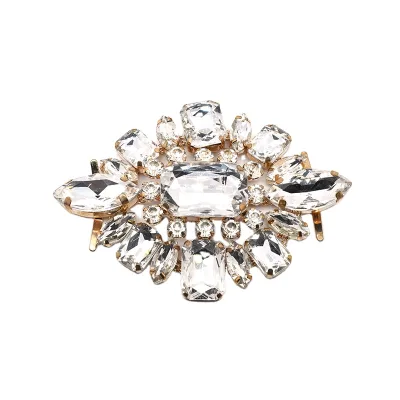
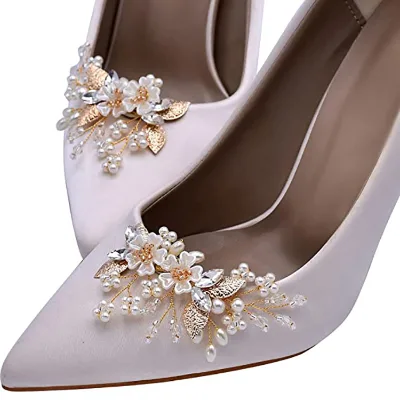
Visual and material signals from current listings highlight a strong preference for rhinestone and vintage styles, often combined with zinc alloy or metal bases. The term "bling" appears in branding, suggesting a focus on high-visibility, sparkling aesthetics. Color options range from mixed colors to customized palettes, allowing for significant personalization. The presence of adjustable features and non-spring mechanisms in some models indicates a need for secure attachment without damaging delicate shoe materials. These observations suggest that buyers should prioritize suppliers who offer clear visual catalogs and detailed material specifications to ensure the final product matches the intended design vision.
Technical Specifications to Verify
When evaluating technical specifications, the material composition is a primary concern, with zinc alloy and various metal types being common bases for these decorative clips. Buyers must verify the specific stone materials used, which can include acrylic, glass, rhinestones, or metal-based components, as these directly impact durability and visual quality. The standard dimensions observed, such as 25mm and 90mm for certain fasteners, provide a baseline for sizing, but custom standards like 30*40 are also available. It is crucial to confirm whether the clips are spring-loaded or non-spring, as this affects the ease of attachment and removal, particularly for shoes with varying thicknesses or delicate uppers.
Packaging and model identification are also critical technical details that influence logistics and inventory management. Products are often packed individually in polybags or in bulk packs, such as 50 per pack or 100 sets per bag, with carton sizes varying significantly. Model numbers like MD5521, H76, and H30 serve as unique identifiers for quality control and reordering. Buyers should request detailed technical drawings or physical samples to verify the exact dimensions, attachment mechanisms, and weight of the clips. Ensuring that the packaging protects the rhinestones from chipping during transit is equally important, as damage to the decorative elements can render the product unsellable.
Compliance and Safety Documentation
Safety compliance is paramount, especially when these decorative clips are marketed for use on children's footwear. Buyers must ensure that suppliers provide documentation verifying that the materials used, including metals and stones, are free from harmful substances such as lead, cadmium, and nickel. While specific certification statuses are not universally listed, it is essential to request test reports from accredited laboratories to confirm adherence to international safety standards for children's products. The presence of anti-corrosion features is a positive indicator, but buyers should verify the specific coatings or treatments used to prevent skin irritation or material degradation over time.
Documentation should also cover the origin and manufacturing standards of the components. Products originating from regions like Fujian and Guangdong in China are common, but buyers should verify that the manufacturing facilities adhere to recognized quality management systems. The customization aspect of these products means that safety compliance must be maintained even when specific colors or designs are altered. Buyers should ask for a declaration of conformity that explicitly states compliance with relevant regulations for fashion accessories and footwear decorations, ensuring that the final product is safe for end-users and meets import requirements in target markets.
Cost Drivers and Commercial Terms
The cost of Removable Rhinestone Alloy Shoe Clips is influenced by several factors, including the complexity of the design, the quality of the rhinestones, and the type of metal alloy used. Customization options, such as specific colors or branding, can increase production costs due to the need for specialized tooling or manual labor. The observed price range suggests that economies of scale play a significant role, with lower unit costs achievable at higher volumes. Buyers should consider the total landed cost, including shipping and tariffs, when evaluating quotes, as these items are lightweight but can be bulky due to packaging requirements.
Commercial terms vary among suppliers, with some requiring a deposit and balance payment before delivery, while others may offer different payment methods. The minimum order quantity (MOQ) is a critical factor, with some suppliers setting MOQs as low as 500 pieces or 100 pieces per color, while others may require higher volumes. Supply ability, such as 1000 pairs per day, indicates the production capacity of the supplier, which is important for meeting large or urgent orders. Buyers should negotiate clear terms regarding payment schedules, shipping responsibilities, and return policies for defective items to mitigate financial risk and ensure a smooth procurement process.
Supplier Qualification and Quality Control
Supplier qualification involves assessing the manufacturer's ability to consistently produce high-quality decorative clips that meet specified standards. Buyers should verify the supplier's experience in producing shoe accessories and their capacity for customization, as indicated by the availability of OEM services. The presence of stock items can be advantageous for quick turnaround, but buyers must ensure that the stock quality matches the standards required for their specific market. It is also important to evaluate the supplier's communication skills and responsiveness, as these factors are crucial for managing custom orders and resolving any issues that may arise during production.
Quality control measures should be clearly defined and agreed upon before production begins. This includes establishing acceptable limits for defects, such as loose rhinestones or misaligned clips, and defining the inspection process. Buyers may request pre-shipment inspections or third-party quality audits to ensure that the products meet the agreed-upon specifications. The packaging details, such as the use of polybags and carton dimensions, should also be verified to ensure that the products are protected during transit. Establishing a robust quality control framework helps to minimize the risk of receiving substandard products and ensures that the final goods are ready for sale.
Long-Term Procurement Checks
Long-term procurement success depends on establishing a reliable supply chain that can adapt to changing market demands and consumer preferences. Buyers should regularly review supplier performance metrics, including on-time delivery rates, product quality consistency, and responsiveness to issues. Building a strong relationship with suppliers can lead to better pricing, priority production, and access to new designs. It is also important to stay informed about trends in shoe accessories, such as emerging styles or materials, to ensure that the products offered remain relevant and competitive in the market.
Continuous improvement in the procurement process is essential for maintaining efficiency and reducing costs. This may involve consolidating suppliers, negotiating better terms, or exploring new sourcing regions. Buyers should also consider the environmental impact of their procurement decisions, such as the sustainability of the materials used and the efficiency of the packaging. By regularly evaluating and optimizing their sourcing strategies, buyers can ensure that they remain competitive and responsive to market changes, ultimately driving long-term growth and profitability in the decorative shoe accessories segment.
FAQs
What customization options are available for these shoe clips?
Customization is available for these shoe clips, allowing buyers to specify unique designs. The product supports OEM services and offers mixed color options. Buyers can request specific styles like rhinestone or vintage elements to match their brand requirements effectively.
Which materials are used to manufacture these shoe decorations?
These shoe decorations are primarily made from zinc alloy and metal. The stone materials include acrylic, glass, rhinestone, and metal-based components. This combination ensures durability while providing an anti-corrosion feature suitable for various casual shoe applications.
Can I order these clips with a low minimum quantity?
Yes, you can order with a minimum quantity of 500 pieces. Some listings indicate an MOQ of 100 pieces per color. The observed range spans from 2 to 10000 units, giving buyers flexibility to start with smaller batches or scale up production as needed.
How are these shoe clips packaged for shipment?
Packaging varies by model, with options like each item in a polybag or 50 per pack. One standard method involves 100 sets per bag, while another uses 500 pairs per carton. Specific carton sizes range from 30x25x20cm to 35x35x30cm depending on the order volume.
What is the supply capacity for these shoe accessories?
The supply ability is 1000 pairs per day for these shoe accessories. This capacity supports steady production for bulk orders. Buyers should note that lead times and stock availability may vary based on specific model requirements and current inventory levels at the factory.
Where are these shoe clips manufactured and shipped from?
These shoe clips are manufactured in China, specifically in Fujian and Guangdong provinces. The port of dispatch is Guangzhou. Products originate from these regions, ensuring efficient logistics for international buyers seeking reliable sourcing from established manufacturing hubs in the region.
Which payment terms are accepted for these orders?
Accepted payment terms include a 30% deposit and 70% balance before delivery. Methods accepted are T/T, Western Union, and PayPal. These terms apply to the transaction process, ensuring secure financial handling for both buyers and suppliers during the order fulfillment phase.